
Unforgettable follows Julia Banks, a successful online editor who leaves San Francisco after surviving an abusive relationship. She moves to Southern California to marry David and help raise his young daughter, Lily. David’s former wife, Tessa, cannot accept the divorce and begins a secret campaign to destroy Julia’s new life. The glossy drama thriller turns a custody and romance conflict into stalking, false evidence, murder, and a violent final fight.
The film gives Julia, a black woman, the hero role in a mostly white family and makes her past abuse central to the danger. It repeatedly shows women tying their worth to male love, marriage, motherhood, beauty, and perfect behavior. Tessa’s mother passes those harsh ideas to her, while Julia risks losing her work and friends as she starts a new family. The movie treats these pressures as causes of jealousy and abuse, while its ending still supports marriage, fatherhood, and a family home.
Community feedback
Was our 51% Woke rating accurate?
Breakdown
These are the editorial factors and ratings behind our score for Unforgettable.
Woke representation / casting
Julia is a black woman who is the main hero, and most of the family around her is white. The film gives her a top role as a successful editor, abuse survivor, and final defender of the child. Di Novi said she specifically wanted a woman of color in the lead and called that choice important. The film does not make race part of Julia’s story, so the identity signal comes mainly from the casting choice and its public framing.
46%
Woke political dialogue
Not present. The dialogue focuses on jealousy, abuse, family, and mental illness. It has no clear speeches or recurring lines about identity politics, DEI, activism, or current political causes.
0%
Identity-driven story themes
The story repeatedly shows women measuring their worth through a man’s love. Tessa loses herself in being a wife and mother, while Julia leaves work and friends to build David’s family life. Tessa’s mother passes harsh rules about beauty, control, and perfect behavior to her daughter. These ideas drive the jealousy and abuse plot, so the gender message is a major part of the film even though the movie is mainly a thriller.
55%
Western institutional / cultural critique
The film shows social pressure on women to look perfect and to judge their worth through a man’s love. It also shows a police officer doubting Julia after her abuser is found dead, but that scene serves the mystery plot more than a broad attack on policing. The ending supports marriage, fatherhood, and a family home instead of rejecting them.
18%
Woke character or canon changes
Not relevant. The film is an original domestic thriller with no established characters, canon, or historical figures being changed.
0%
Anti-woke backlash and complaints
Not present. The X research pass found no anti-woke reaction or specific complaints. Other coverage did not show a boycott, review-bombing campaign, or clear claim that the film pushed woke or DEI ideas.
0%
Creator track record context
The cached context rates director Denise Di Novi at 42/100 and writer Christina Hodson at 61/100. Their known work and the film’s title interviews stress female-led stories, strong women, and pressure on women to be perfect. The listed producers are mostly low or moderate in the cached records, so the wider crew context is mixed.
44%
Production

Movie · 2017
A former rodeo star, now a motel manager, meets a young man who is responsible for the violence that suddenly has seized his small town.

Movie · 2018
Two lifelong friends head up to an isolated Scottish Highlands village for a weekend hunting trip that descends into a never-ending nightmare as they attempt to cover up a…
Movie · 2016
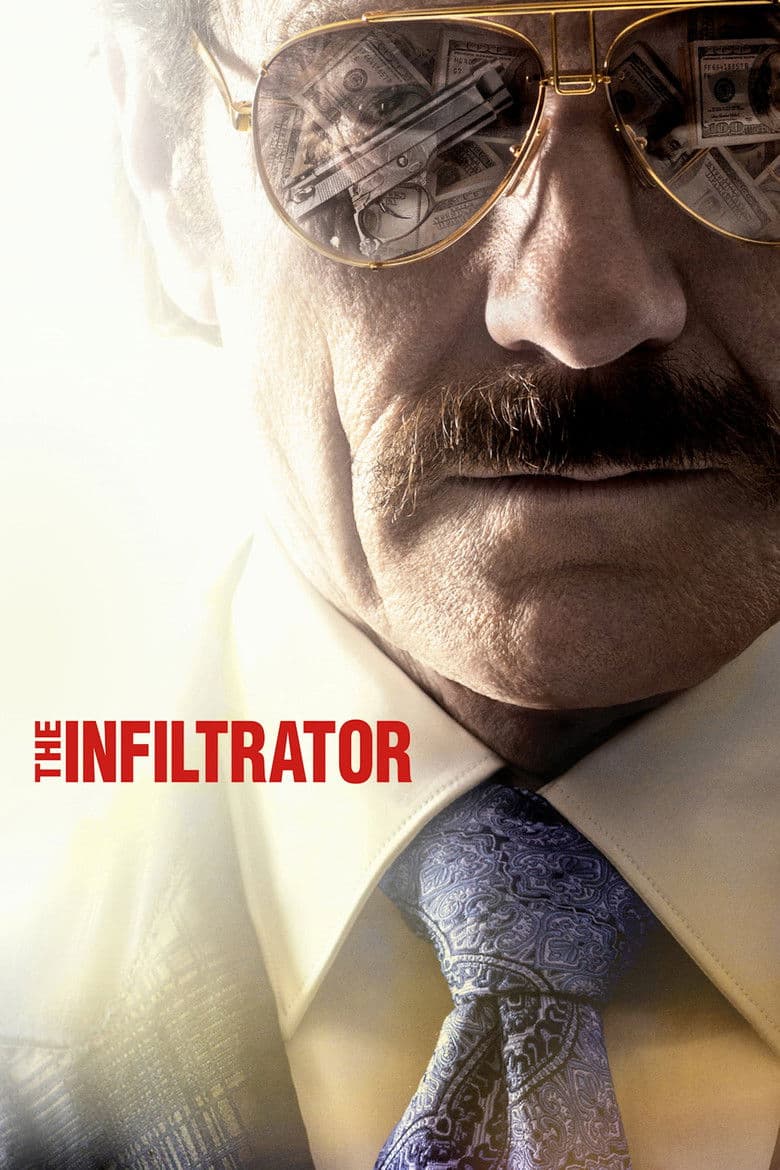
A U.S Customs official uncovers a massive money laundering scheme involving Pablo Escobar.

Movie · 2016
Irish Commandant Pat Quinlan leads a stand off with troops against French and Belgian Mercenaries in the Congo during the early 1960s.

Movie · 2022
After escaping a Michigan prison, a charming career criminal assumes a new identity in Canada and goes on to rob a record 59 banks and jewellery stores while being hunted by a…

Movie · 2016
When Krisha returns to her estranged family for Thanksgiving dinner, past demons threaten to ruin the festivities.

Movie · 2019
In New York, former convict Pete Koslow, related to the Polish mafia, must deal with both Klimek the General, his ruthless boss, and the twisted ambitions of two federal agents…

Movie · 2024
During the 1972 Munich Olympics, an American sports broadcasting crew finds itself thrust into covering the hostage crisis involving Israeli athletes.
