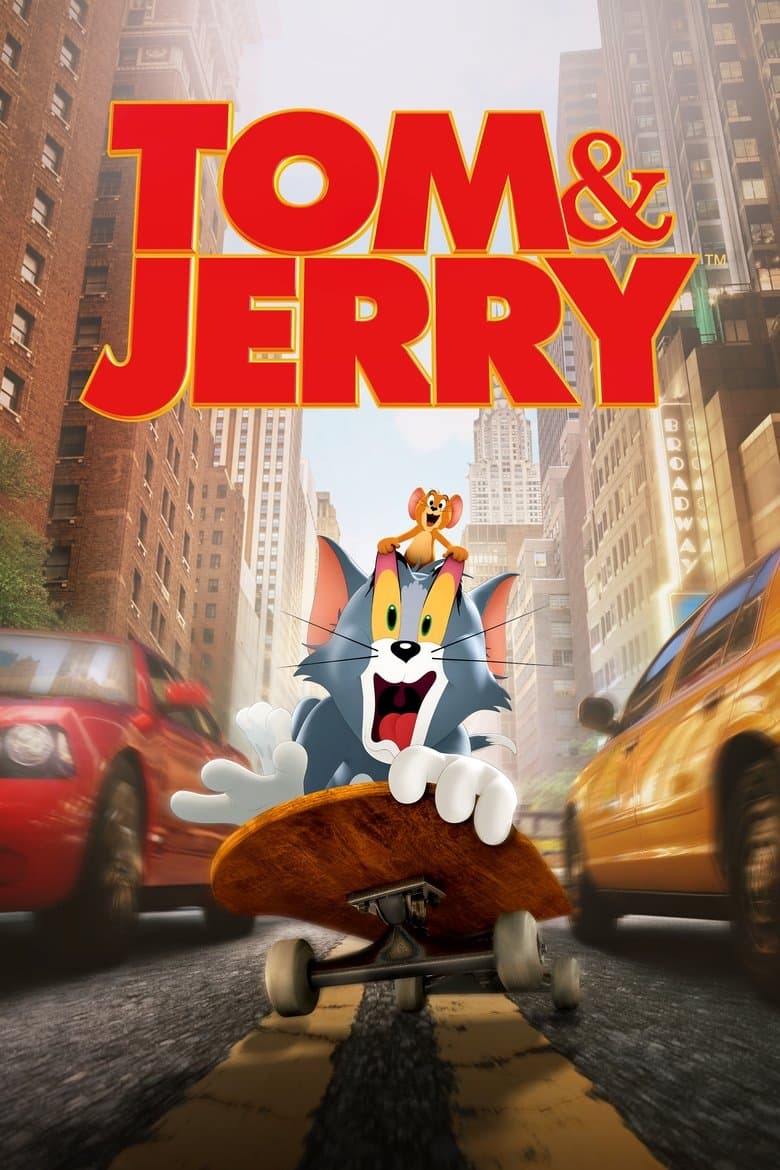
Tom the cat and Jerry the mouse end up in New York City after their usual fights. Jerry moves into a fancy hotel right before a big celebrity wedding. A young worker named Kayla needs to keep her new job, so she hires Tom to catch Jerry. The movie mixes live-action people with cartoon animals. The tone is loud slapstick comedy mixed with hotel chaos and wedding stress.
The story mostly sticks to cat-and-mouse chases, a fake-resume work plot, and saving a wedding. Viewers do see a clearly mixed modern cast, an Indian-American wedding as a big set piece, and light gender jokes, including a line about not being “gender bias” and a groom who acts foolish until he learns to listen. Director Tim Story said he wanted a diverse cast that felt normal for city life. These pieces show up but do not take over the movie. A normal viewer would mainly notice slapstick, hotel mayhem, and a simple honesty lesson, with diversity and mild gender beats as background flavor rather than the main point.
Community feedback
Was our 29% Woke rating accurate?
Breakdown
These are the editorial factors and ratings behind our score for Tom & Jerry.
Woke representation / casting
Clear multi-ethnic modern New York cast in big human roles: Latino hotel boss, Indian bride and family, Asian chef, Black bartender love interest, and an interracial celebrity wedding. Director Tim Story openly said diverse casting by race and age was intentional and should feel normal. Fits a city setting, so it is not a world-breaking swap, but the pattern is easy to see and was discussed as representation-friendly casting rather than pure accident.
34%
Woke political dialogue
Dialogue is mostly workplace jokes and chase comedy. A reported Kayla line about catching the mouse and not being “gender bias,” plus Ben learning he should listen to Preeta, are light gender-flavored beats. No long activist speeches about race, systemic oppression, or modern politics dominate the script.
18%
Identity-driven story themes
Core story is Tom vs. Jerry chaos, Kayla’s job lies and honesty arc, and saving a wedding. Mild identity flavor shows in the Indian wedding showcase and a smarter-bride/foolish-groom subplot. Those do not rewrite the movie into a race, gender, or queer identity campaign. Teamwork and coming clean are the main lessons.
20%
Western institutional / cultural critique
Ben overspends to impress Preeta’s father and must apologize and listen. That is a light “listen to your partner / stop being a doofus” beat, not a strong attack on masculinity, family, Christianity, or Western culture as systems. No big anti-capitalist or anti-tradition sermon is the film’s point.
0%
Woke character or canon changes
Not present in this title.
0%
Anti-woke backlash and complaints
Wide public talk attacked quality, not a big push of woke messaging. One niche review lists mild “woke” bits (gender-bias joke, man-child groom). Searches do not show a large, lasting anti-woke backlash wave aimed at this title as DEI or propaganda.
5%
Creator track record context
Lead director Tim Story’s cached profile is mild (commercial black-cast comedies and occasional talks about black audiences/gender roles). Writer Costello and most producers/animation legacy names score near zero in the cache. Overall crew signal is light industry-normal diversity framing, not a hard activist slate.
16%
Production
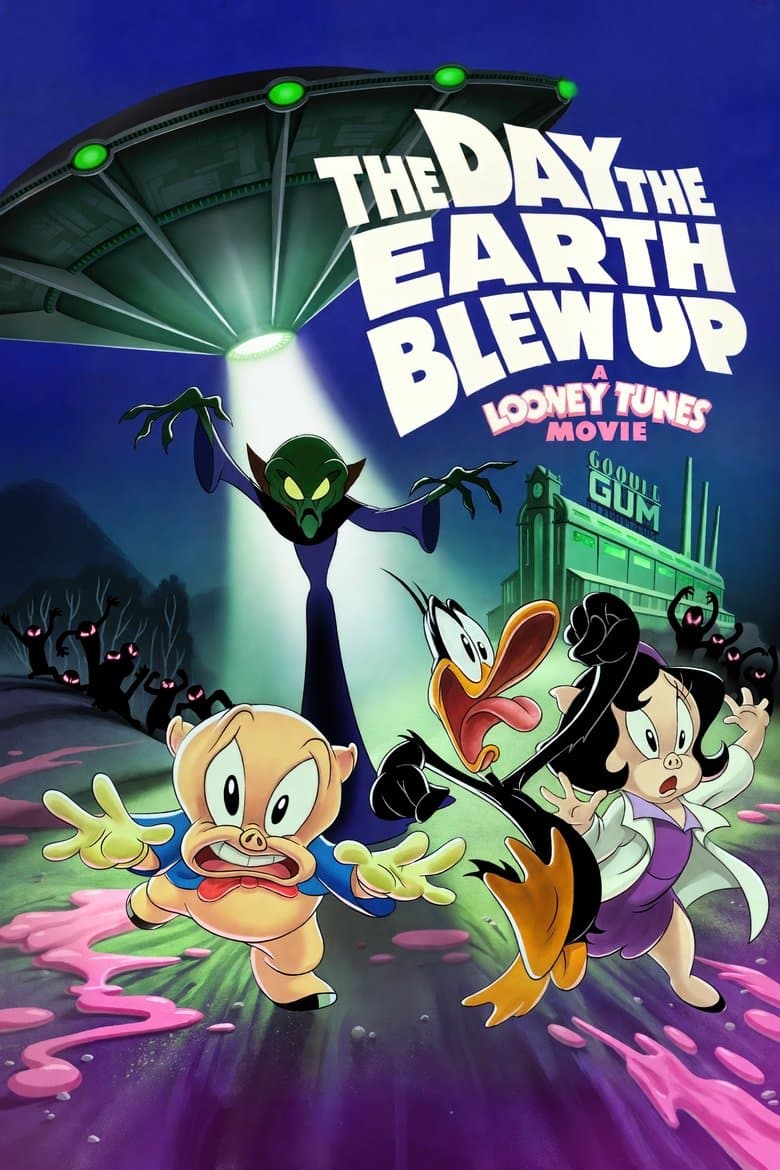
Movie · 2024
Porky and Daffy, the classic animated odd couple, turn into unlikely heroes when their antics at the local bubble gum factory uncover a secret alien mind control plot.
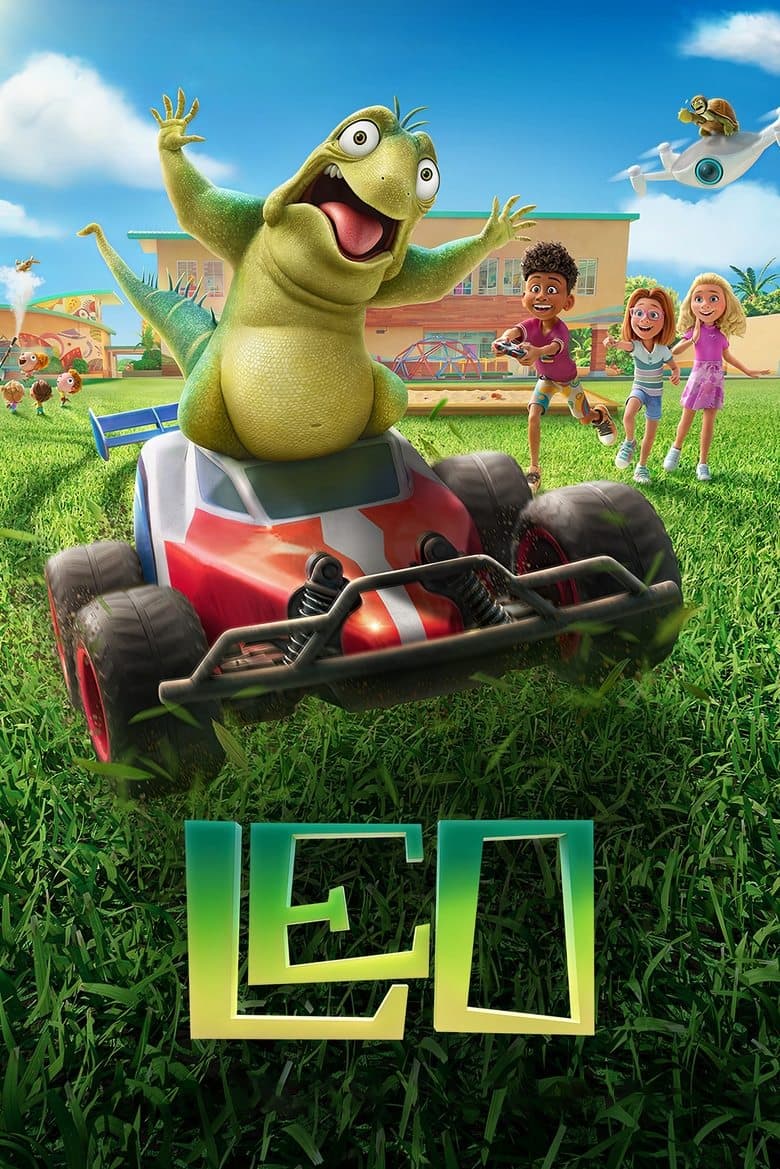
Movie · 2023
Jaded 74-year-old lizard Leo has been stuck in the same Florida classroom for decades with his terrarium-mate turtle.
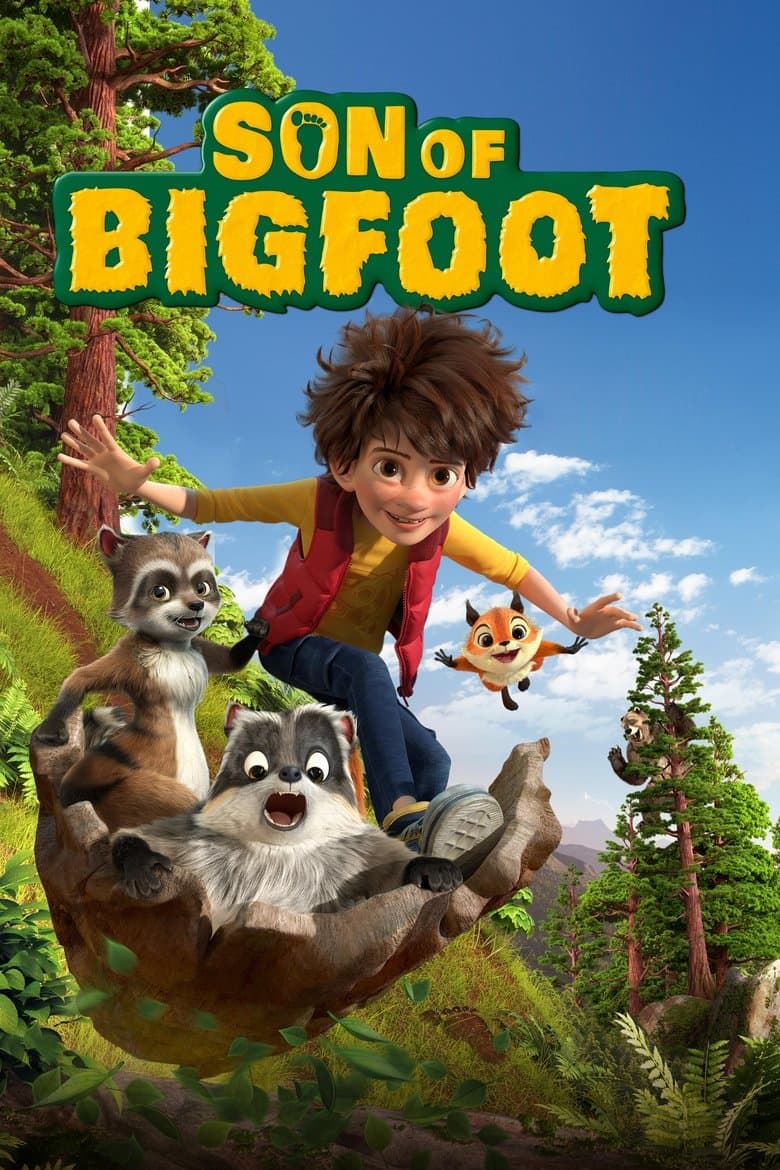
Movie · 2017
Teenage outsider Adam sets out on an epic and daring quest to uncover the mystery behind his long-lost dad, only to find out that he is none other than the legendary Bigfoot!
Movie · 2021
Greg Heffley is a scrawny but ambitious kid with an active imagination and big plans to be rich and famous – he just has to survive middle school first.
Movie · 2016
A harried prehistoric bird mother entrusts her precious, soon-to-hatch egg to Sid. When she recommends him to her neighbours, business booms at his new egg-sitting service.
Movie · 2023
A magical meteor crash lands in Adventure City and gives the PAW Patrol pups superpowers, transforming them into The Mighty Pups.
Movie · 2024
Teenager Riley's mind headquarters is undergoing a sudden demolition to make room for something entirely unexpected: new Emotions!
Movie · 2024
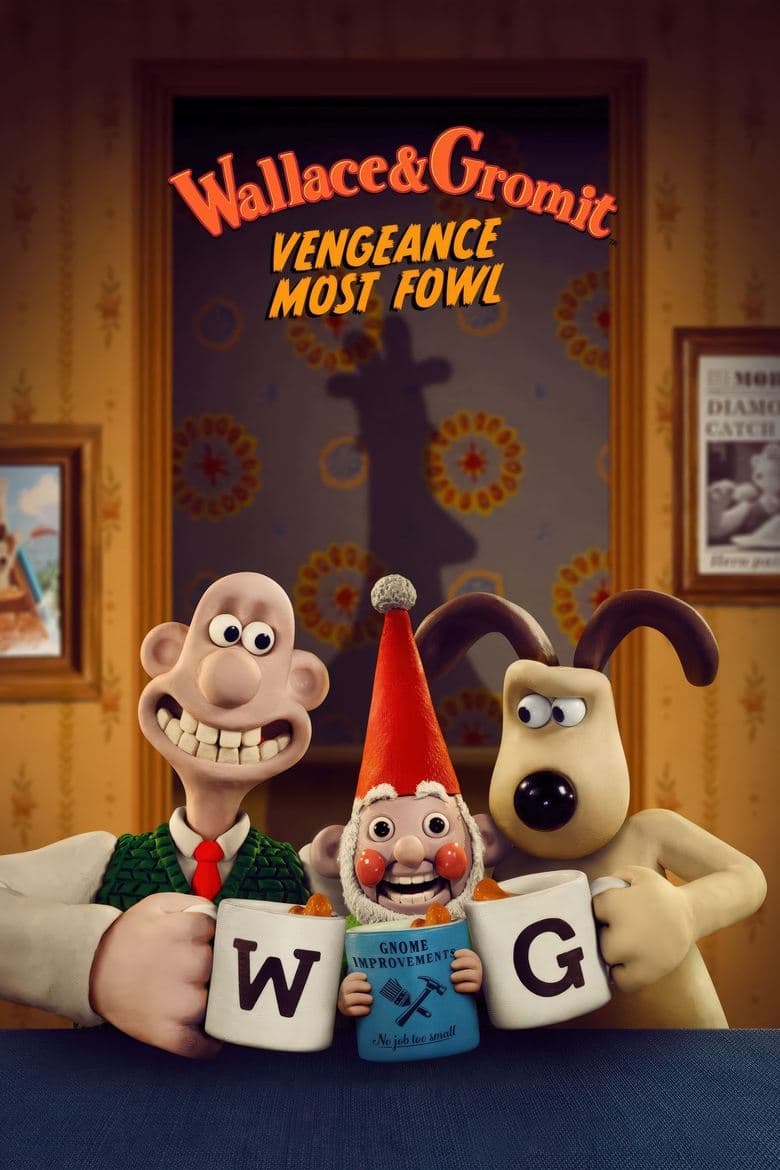
Gromit’s concern that Wallace is becoming too dependent on his inventions proves justified, when Wallace invents a “smart” gnome that seems to develop a mind of its own.
