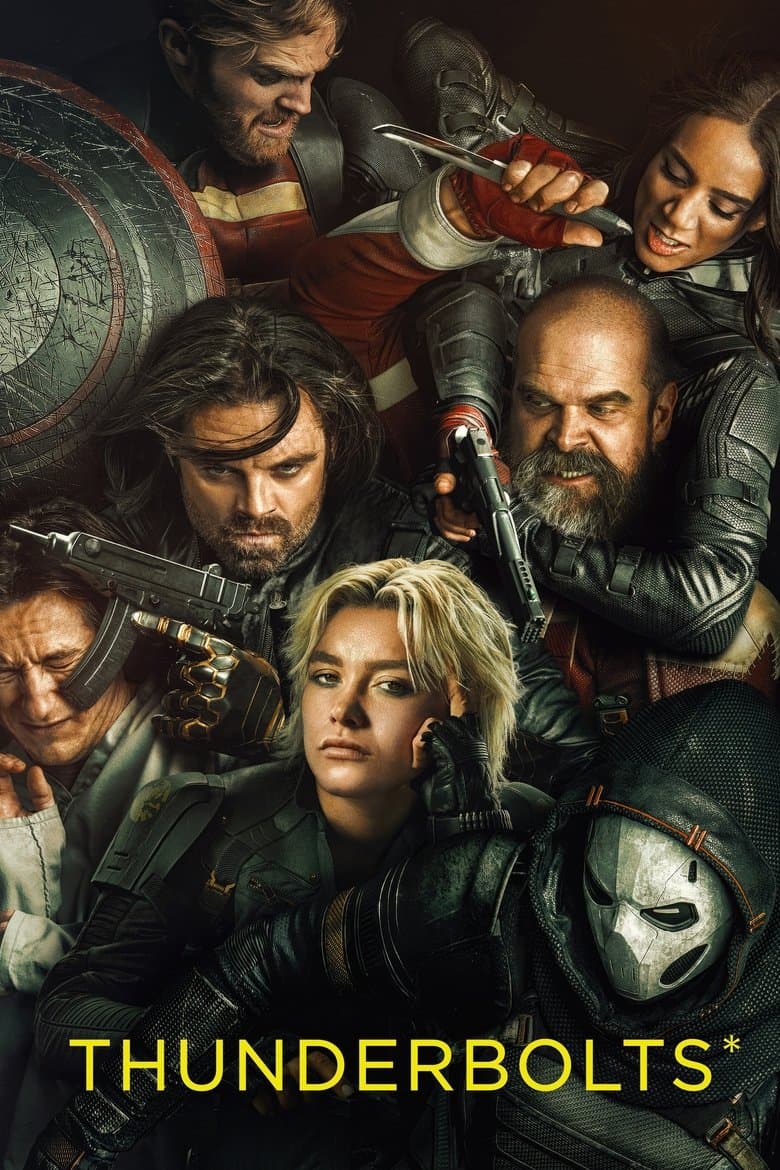
Thunderbolts* is a superhero action movie set in the modern Marvel Cinematic Universe. The story follows a group of misfit antiheroes who are sent on a mission by a sneaky CIA director. After they walk into a deadly trap, they realize they have been set up to die. The team must work together to survive and stop a powerful, unstable super-soldier named Sentry. Yelena Belova acts as the team's main leader, while older characters like Bucky Barnes are pushed to the background. The film focuses heavily on mental health, emotional trauma, and characters discussing their feelings. Viewers will easily notice that the movie has a strong female focus, with many of the leading and commanding roles given to women. Meanwhile, prominent male characters like Red Guardian are used mostly as goofy comic relief. While there are no heavy political lectures, the film's gender dynamics and therapy-style themes are very hard to miss.
Community feedback
Was our 56% Woke rating accurate?
Breakdown
These are the editorial factors and ratings behind our score for Thunderbolts*.
Woke representation / casting
The movie features a heavy female presence in leadership and combat roles, including Yelena Belova as the clear protagonist. Key female side characters like Ghost and Mel get prominent screen time. In contrast, male characters are either sidelined, like Bucky Barnes, or portrayed as buffoons, like Red Guardian. While these choices fit the MCU's modern casting patterns, they do not feel like extreme, over-the-top activist statements.
38%
Woke political dialogue
The characters do not engage in any overt political rants, activist speeches, or modern social-justice lectures. The dialogue consists of standard superhero banter, dark humor, and personal emotional discussions about trauma and survival, keeping it clear of preachy identity politics.
0%
Identity-driven story themes
The narrative centers on therapy-style themes of emotional healing, dealing with mental trauma, and characters learning to express their vulnerability. While Sentry's defeat is resolved through emotional connection rather than brute force, and Yelena is positioned as a highly competent female leader, the story avoids explicitly referencing modern identity politics.
32%
Western institutional / cultural critique
The story focuses on typical government black-ops corruption and crooked agencies, which is a common action trope. However, it mildly critiques traditional gender expectations by showing its primary male characters as emotionally fragile, physically bested, or goofy, while placing its female characters in positions of control and strength.
10%
Woke character or canon changes
The movie continues to utilize gender-swapped versions of comic characters, specifically Taskmaster and Ghost. While these changes were originally made in previous MCU films, bringing them back for this team-up shows a commitment to these diverse re-interpretations of traditionally male characters.
45%
Anti-woke backlash and complaints
Online commentators and conservative review platforms complained about the film's "girlboss" framing, the sidelining of Bucky Barnes, and the comedic emasculation of Red Guardian. There was also backlash regarding the quick killing of Taskmaster, which some fans felt was an easy way to dispose of a poorly received adaptation.
55%
Creator track record context
While the direct writers and directors have very low-key, non-activist histories, the project was steered by Marvel executives Kevin Feige and Sarah Halley Finn. Both have a well-documented track record of emphasizing modern diversity and representation in casting across the franchise.
33%
Production
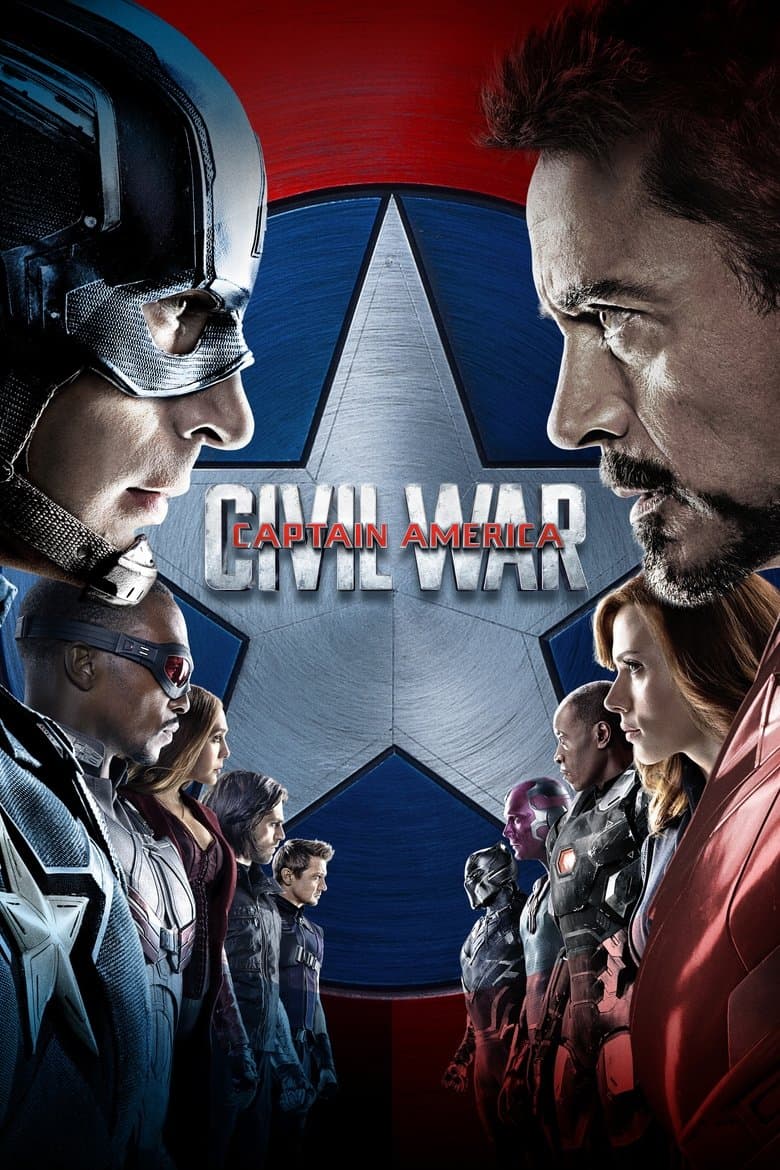
Movie · 2016
Following the events of Age of Ultron, the collective governments of the world pass an act designed to regulate all superhuman activity.
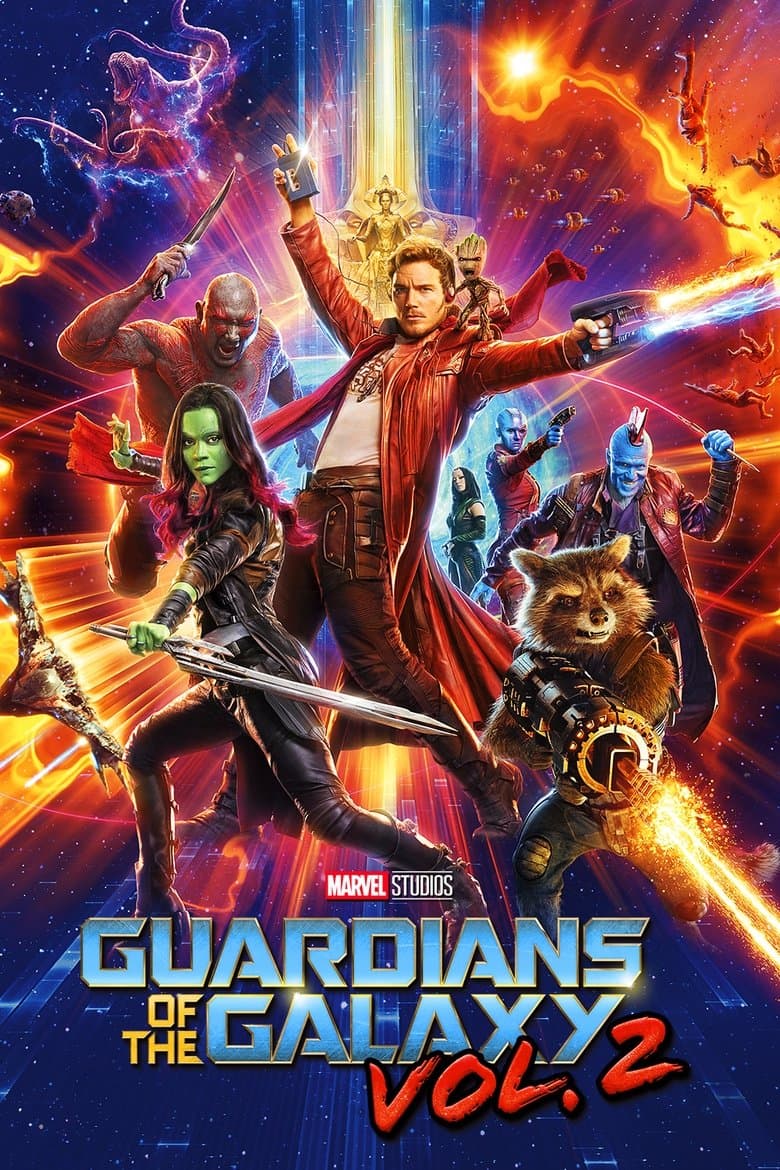
Movie · 2017
The Guardians must fight to keep their newfound family together as they unravel the mysteries of Peter Quill's true parentage.
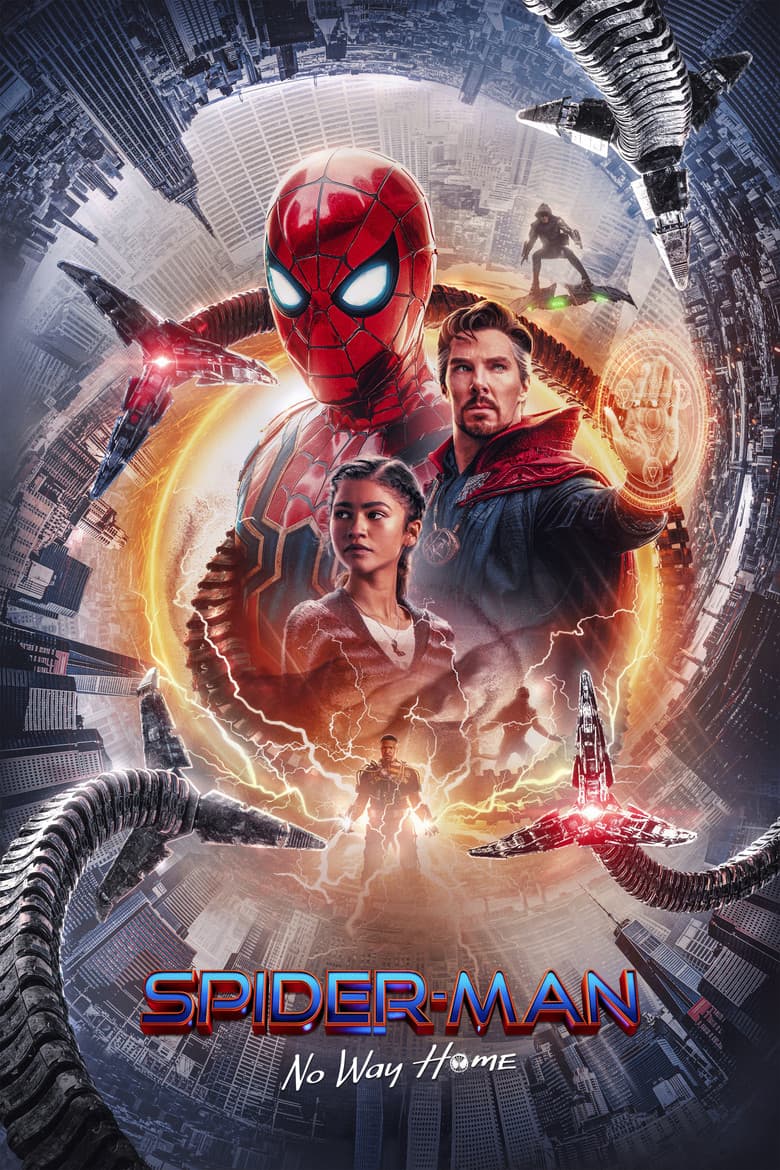
Movie · 2021
Peter Parker is unmasked and no longer able to separate his normal life from the high-stakes of being a super-hero.
Movie · 2021
In a time when monsters walk the Earth, humanity’s fight for its future sets Godzilla and Kong on a collision course that will see the two most powerful forces of nature on the…
Movie · 2017
Fuelled by his restored faith in humanity and inspired by Superman's selfless act, Bruce Wayne and Diana Prince assemble a team of metahumans consisting of Barry Allen, Arthur…
Movie · 2010
Cobb, a skilled thief who commits corporate espionage by infiltrating the subconscious of his targets is offered a chance to regain his old life as payment for a task considered…
Movie · 2026
The evil Empire has fallen, and Imperial warlords remain scattered throughout the galaxy. As the fledgling New Republic works to protect everything the Rebellion fought for, they…
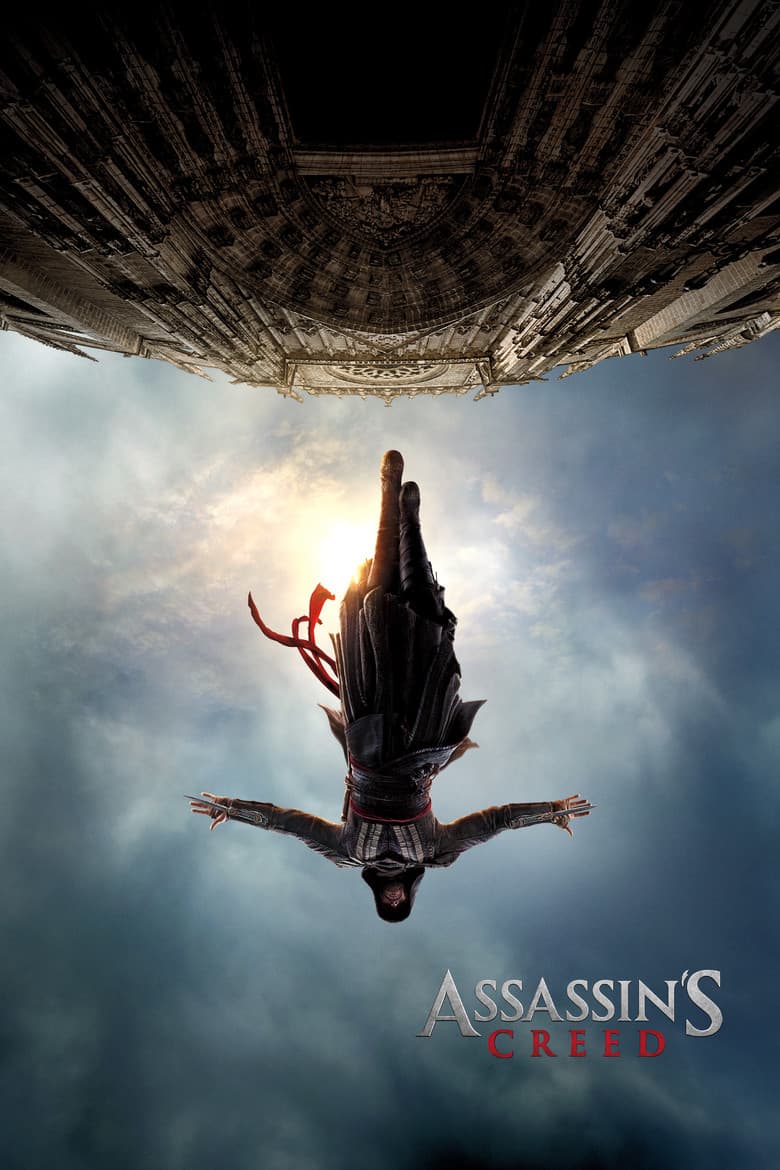
Movie · 2016
Through a technology that unlocks the genetic memories of his ancestor in 15th century Spain, Callum Lynch discovers he is a descendant of an ancient line of Assassins and amasses…
