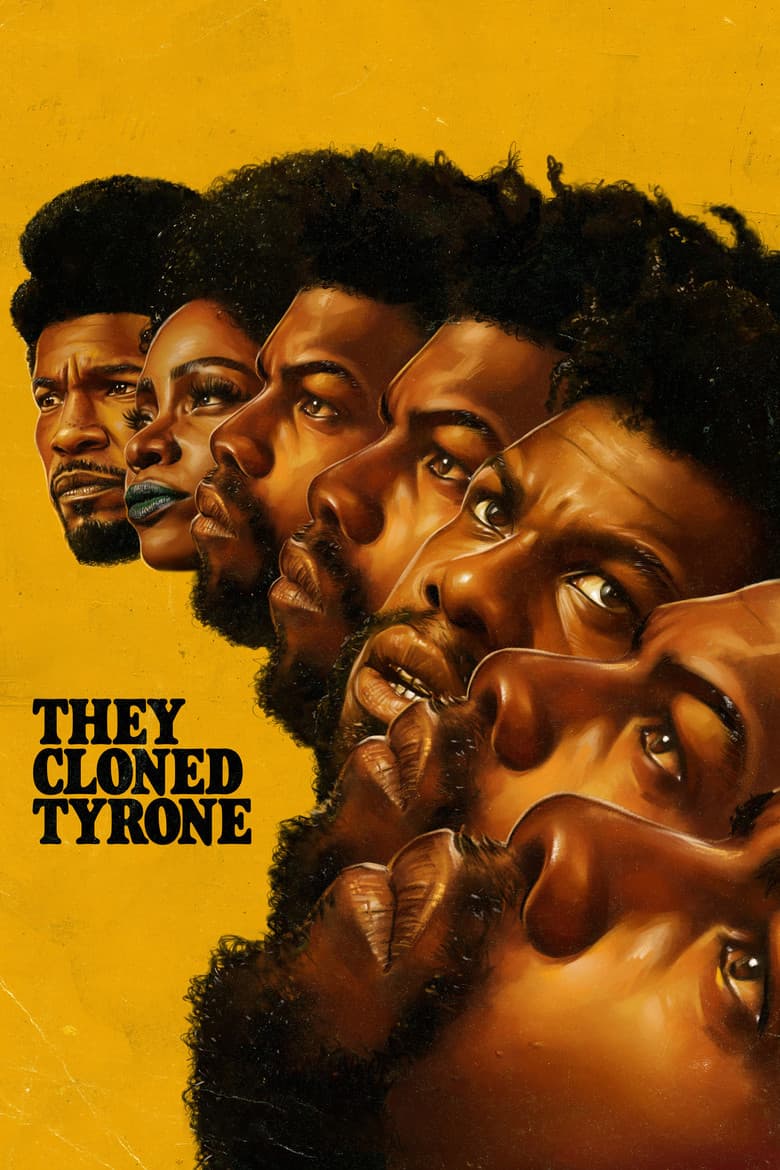
Fontaine is a hard drug dealer in a black neighborhood called the Glen. After he gets shot and killed, he shows up the next day like nothing happened. He teams up with a flashy pimp named Slick Charles and a sharp sex worker named Yo-Yo. Together they dig into a weird secret under their streets. The movie is a funny, pulpy sci-fi mystery with a dark joke edge.
The story is built around race. A hidden program clones people, drugs the community with food, drinks, and hair products, and tries to push black people toward looking and acting white. Viewers see mind control, lab experiments on black residents, and a plan sold as “peace.” Yo-Yo often drives the plan and the action. Race, control of the neighborhood, and forced “fitting in” are the main point of the plot, not a side note. A normal viewer would notice this clearly.
Community feedback
Was our 84% Woke rating accurate?
Breakdown
These are the editorial factors and ratings behind our score for They Cloned Tyrone.
Woke representation / casting
Almost all main roles are black in a story about experiments on a black neighborhood. That casting fits the plot, not a race-swap of a white classic. MACRO and black festival rollout make the black focus clear. Yo-Yo is capable and often leads, but she is a street character, not a token “super scientist.” White power figures (like Nixon) sit on the bad side. Identity is visible, but not random quota casting against the story world.
48%
Woke political dialogue
Characters talk about labs, mind control, and a plan to make black people white for “peace.” The original Fontaine ties his work to a police killing of his brother and says assimilation beats destruction. Lines are blunt in the big reveals. The movie still plays as a joke-heavy caper, so it is not nonstop speechifying, but the race talk is hard to miss when the secret is out.
58%
Identity-driven story themes
Race is the whole engine. Cloning, drugs in chicken and hair products, church control, and forced whitening are the main mystery. The film treats black culture, poverty, and power as the target of a long plot. Viewers who finish the movie get a clear message about control of black bodies and identity. This is front-and-center, not a side subplot.
82%
Western institutional / cultural critique
A shadow program runs under everyday places (church, food spots, clubs) and uses the government-science machine to manage black neighborhoods. It echoes real fears about experiments and control. The hit is on systems that watch, drug, and reshape a community, not a simple “bad king” fight. Church and local culture appear as tools of control. That is a strong modern race-and-power critique inside the comedy.
70%
Woke character or canon changes
Not relevant. This is an original story, not a remake or history rewrite of known characters.
0%
Anti-woke backlash and complaints
No large, lasting right-leaning campaign framed the film as DEI propaganda. A few online posts group it with “woke” black fiction, but news and reviews were mostly praise or plot talk. For this factor, only anti-woke pushback counts, and that pushback looks light and scattered.
12%
Creator track record context
Writers score low on activist branding, but key producers (MACRO leaders, Foxx, Turner, Love, Hanks, Lopez) and the casting lead have clear records of black-centered or representation-first work. That team history lines up with a race-satire movie. Overall crew context is moderate-to-strong on that axis, not extreme across every name.
52%
Production
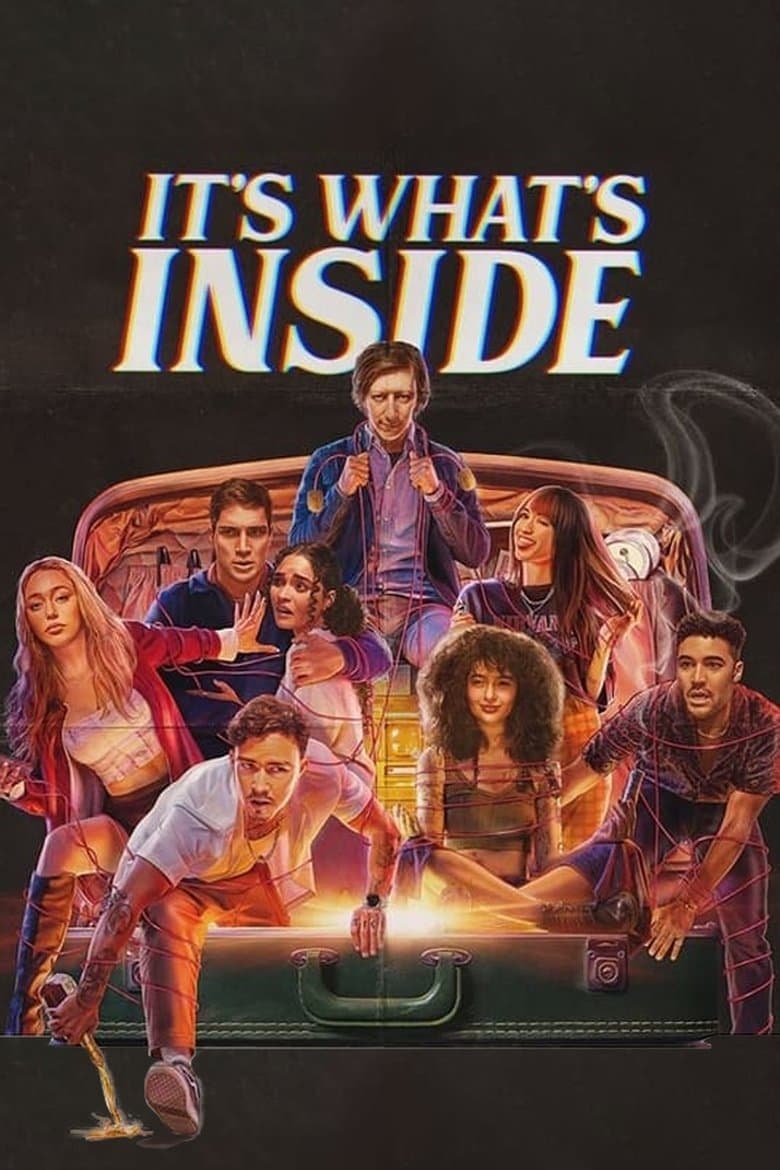
Movie · 2024
A pre-wedding reunion descends into a psychological nightmare for a group of college friends when a surprise guest arrives with a mysterious suitcase.
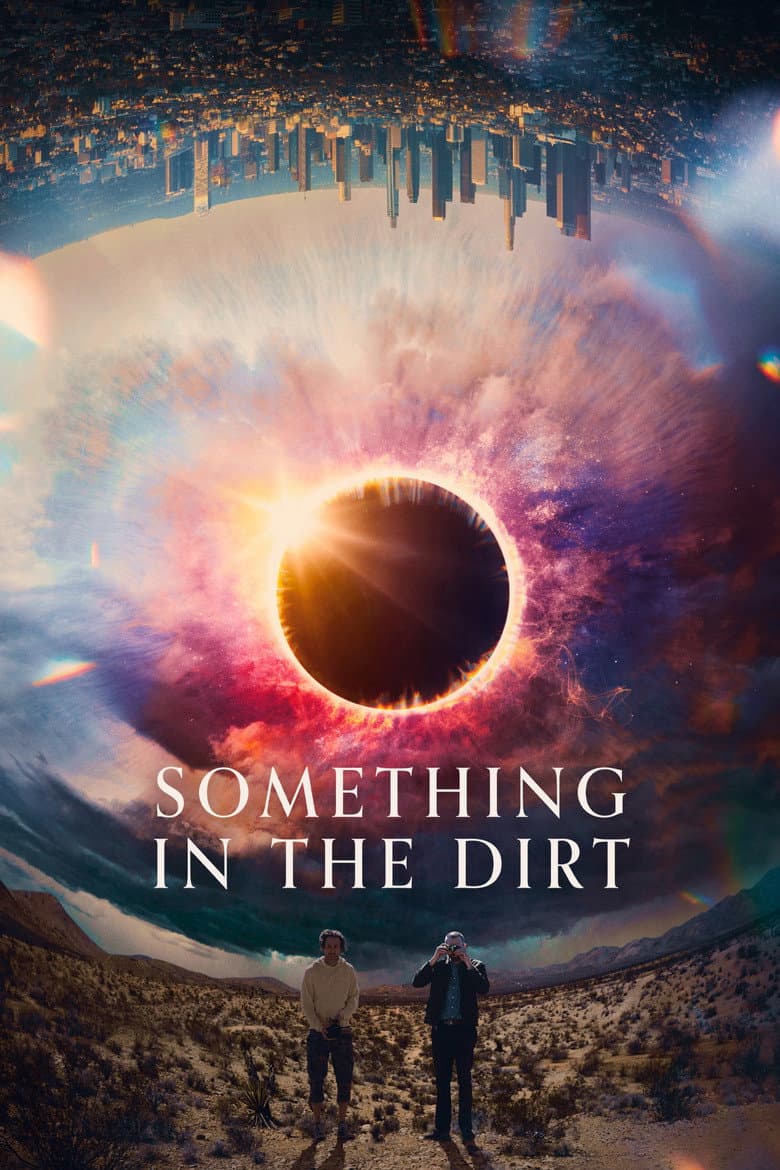
Movie · 2022
When neighbors John and Levi witness supernatural events in their LA apartment building, they realize documenting the paranormal could inject some fame and fortune into their…
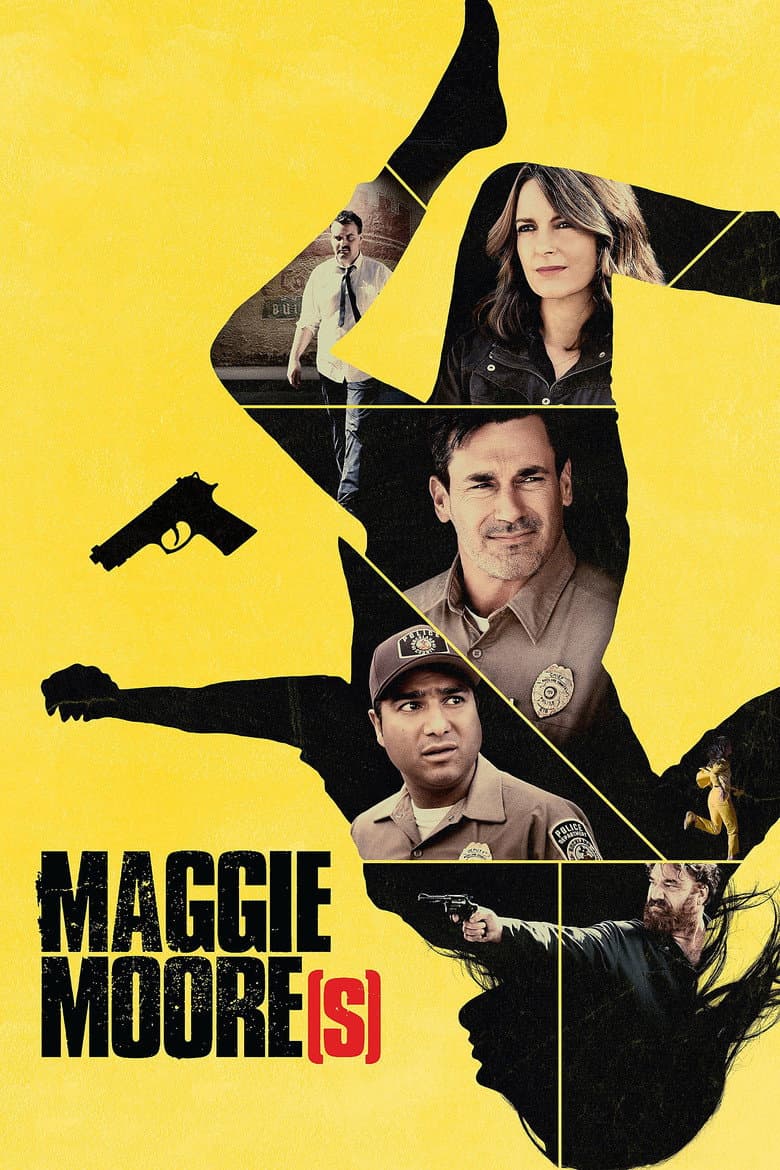
Movie · 2023
Bizarre back-to-back murders in an otherwise quiet Arizona desert town has rattled local Police Chief Jordan Sanders.
Movie · 2026
When their plan to book a show at the Rivoli goes horribly wrong, Matt and Jay accidentally travel back to the year 2008.
Movie · 2018
When an international border dispute arises between the U.S. and Canada, the Super Troopers- Mac, Thorny, Foster, Rabbit and Farva, are called in to set up a new Highway Patrol…
Movie · 2019
Three astronomers accidentally intercept what they believe to be a signal from a distant alien civilization, but the truth is even more incredible than any of them could have…
Movie · 2026
A strange doorway appears in the basement of a furniture showroom.
Movie · 2019
On a long-awaited trip to Europe, a New York City cop and his hairdresser wife scramble to solve a baffling murder aboard a billionaire's yacht.
