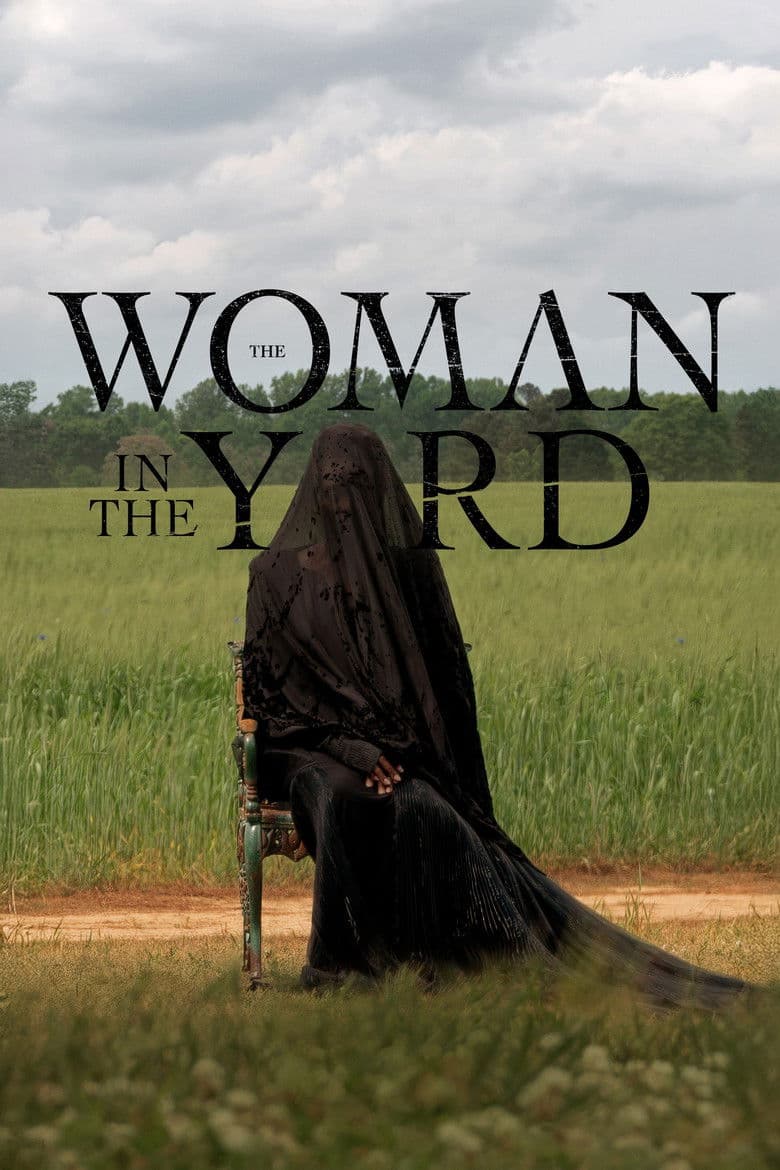
Ramona is a widowed mother who lives with her teenage son Taylor and young daughter Annie on a remote Georgia farm. She is hurt, exhausted, and grieving after a car crash kills her husband David and leaves her on crutches. A veiled woman appears in the yard and slowly moves closer while Ramona tries to keep her children safe. The film uses quiet daylight horror, strange shadows, family arguments, and a sad, uncertain mood.
The film puts a black mother, a black son, a black daughter, and a black woman in the supernatural role at the center of the story. It also questions the idea that a black mother must stay strong, care for everyone, and hide her pain. Ramona is not shown as a perfect hero, because her depression, guilt, anger, and wish to escape help create the threat. The Woman becomes a shape made from her depression and suicidal thoughts, so the identity message supports the mental health story but does not become a political campaign.
Community feedback
Was our 41% Woke rating accurate?
Breakdown
These are the editorial factors and ratings behind our score for The Woman in the Yard.
Woke representation / casting
The five main speaking roles are black, including the family and the veiled Woman. Production coverage presents the film as a story that centers a black family and a black woman who is not expected to be endlessly strong. The rural Georgia family setting makes the casting believable, and the film does not build a mixed “one of each” group. The casting therefore reads as an identity choice, but it is not a large diversity showcase.
28%
Woke political dialogue
Not present. The characters discuss grief, depression, marriage, motherhood, family duty, and suicide. They do not give speeches about current politics, DEI, race policy, capitalism, or identity rights.
0%
Identity-driven story themes
The film centers a black mother who cannot live up to the expected image of the endlessly strong black woman. Ramona says she is unhappy with caring for everyone, and the supernatural Woman turns that pain and her wish to die into the main threat. The producer and performers describe the movie as a different kind of motherhood and family story that challenges that image. The story keeps the idea tied to Ramona’s depression and family instead of making a wider race or gender campaign.
44%
Western institutional / cultural critique
The story questions the demand that a mother carry the home, protect the children, and hide her pain. Ramona’s anger at caring for everyone makes that pressure part of the central conflict. The film does not blame men as a group, attack religion, or target capitalism or other Western institutions. Its critique stays inside one family and supports the mental health story.
24%
Woke character or canon changes
Not relevant. The film is an original screenplay with original characters. An earlier draft changed from a male figure to a female figure during development, but no established story or historical character is altered.
0%
Anti-woke backlash and complaints
Not present. Public complaints focused on the slow pace, unclear ending, weak scares, and the depression metaphor. No clear anti-woke or right-leaning complaint about DEI, identity politics, or activist messaging was found.
0%
Creator track record context
Danielle Deadwyler and Stephanie Allain have strong public ties to work about black history, women’s experiences, and representation. Gabrielle Ebron has also supported stories about underrepresented groups. Jaume Collet-Serra and Sam Stefanak have no clear activist record in the available creator background. This background supports a moderate score because the film centers a black mother and its makers openly discuss the strong black woman stereotype.
38%
Production
Movie · 2024
A young artist gets stranded in an extensive, immaculate forest in western Ireland, where, after finding shelter, she becomes trapped alongside three strangers, stalked by…
Movie · 2024
A gothic tale of obsession between a haunted young woman and the terrifying vampire infatuated with her, causing untold horror in its wake.
Movie · 2016
A determined young woman and a damaged occultist risk their lives and souls to perform a dangerous ritual that will grant them what they want.
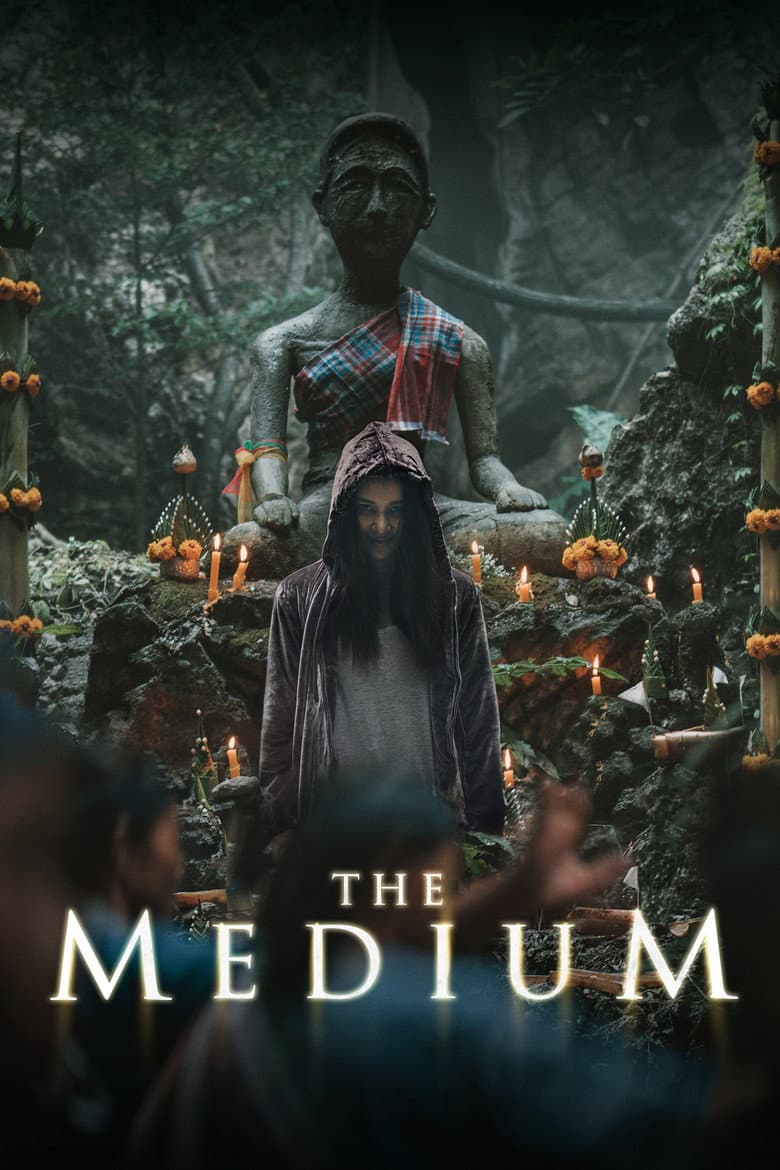
Movie · 2021
A shaman's family learn that their goddess is supposedly controlling one of them. However, their lives take a frightening turn when they realise the goddess has nothing to do with…
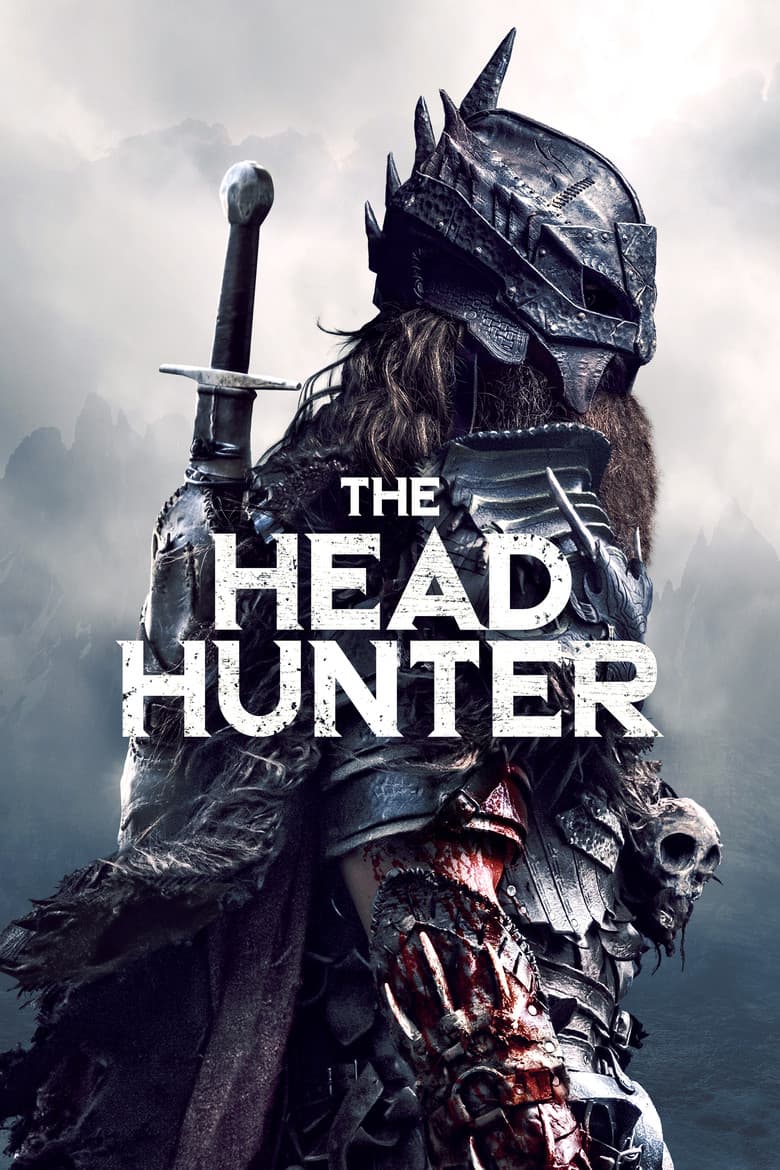
Movie · 2019
On the outskirts of a kingdom, a quiet but fierce medieval warrior protects the realm from monsters and the occult.
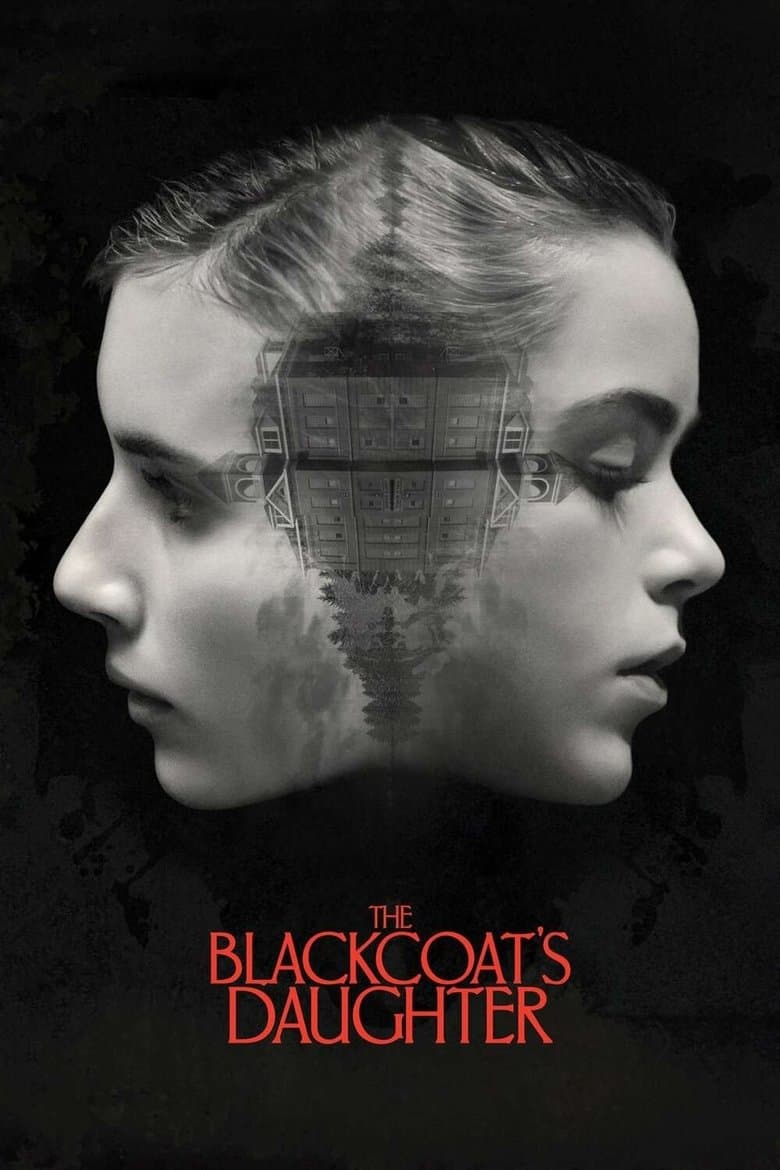
Movie · 2017
Two young women at a prestigious prep school are assailed by an evil, invisible power when they're stranded over winter break.
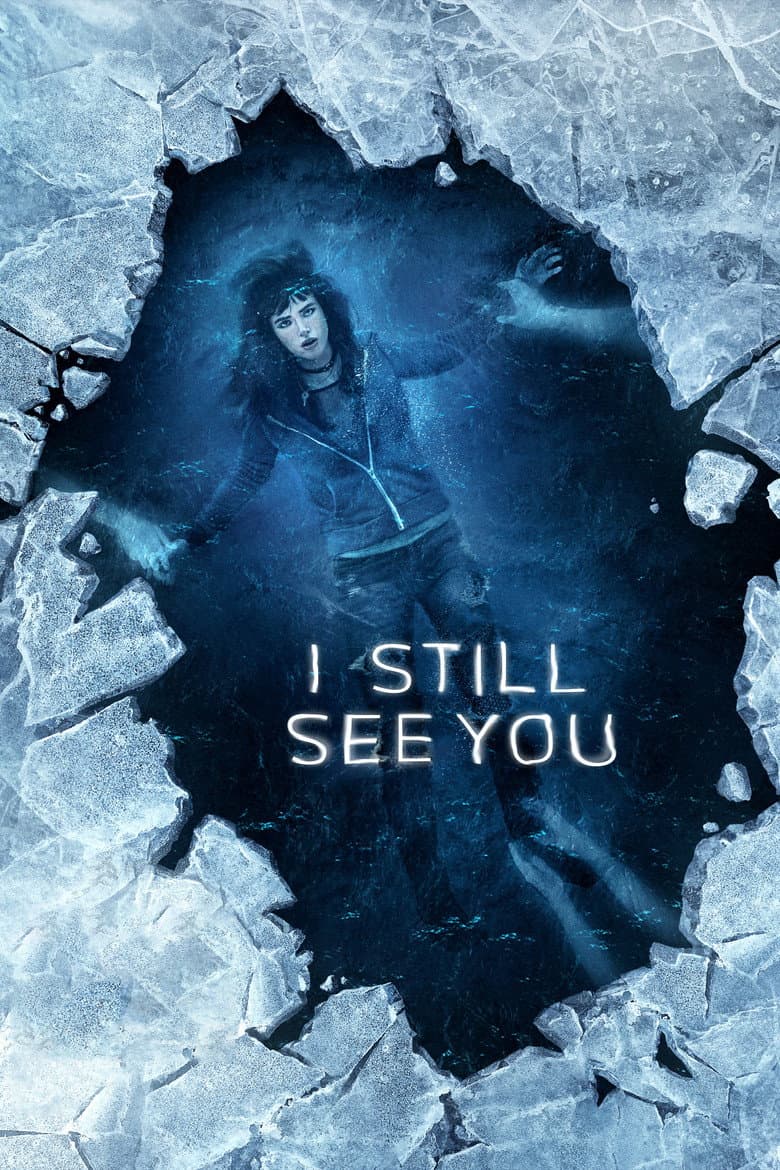
Movie · 2018
Ten years after an apocalyptic event left the world haunted by ghosts, Veronica 'Ronnie' Calder receives a threatening message from beyond the grave.
Movie · 2017
After a mysterious global crisis, a young girl is left alone to hide from a malevolent power that stalks her home.
