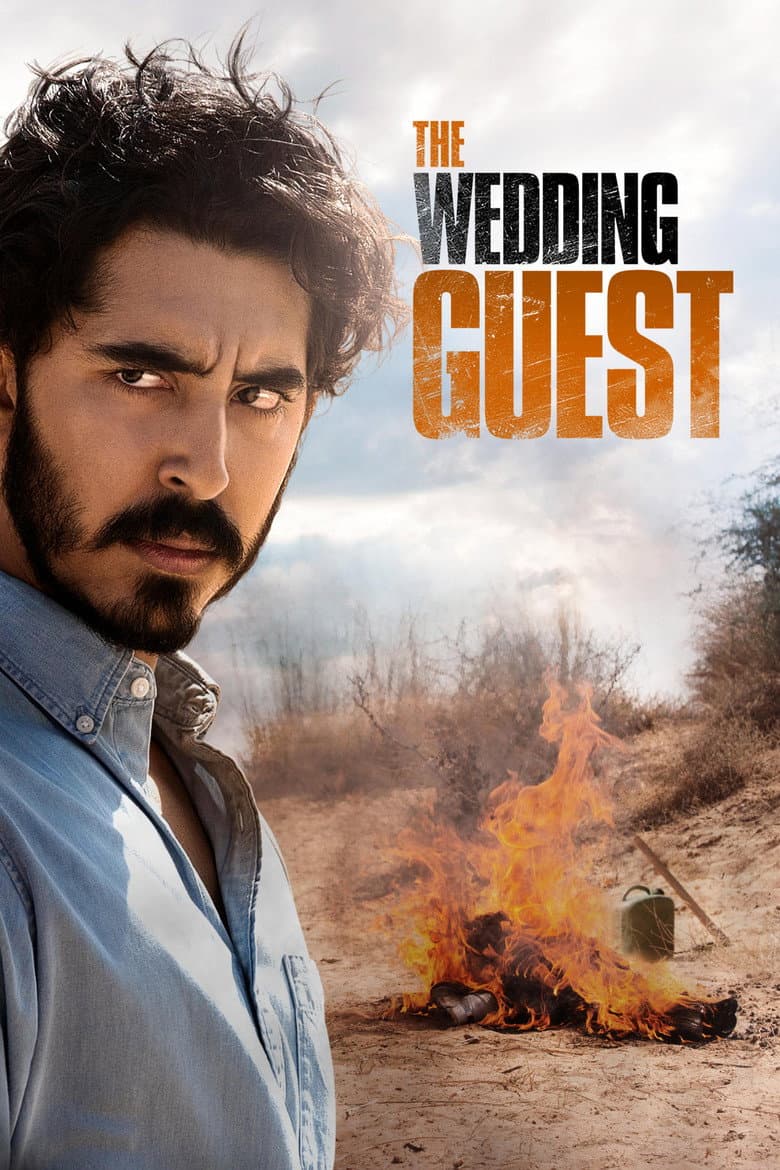
Jay is a quiet British man who travels to Pakistan with fake passports, guns, and a plan to kidnap a bride. Samira is about to enter an arranged marriage, but she secretly wants to escape with her lover. Jay takes her across the border into India after a guard is killed during the escape. The movie shifts from a tense crime thriller into a slow road story about lies, danger, and trust.
Samira’s wish to choose her own life is the clearest woke element in the story. She says she did not want to marry and links her trouble to the family’s move to Britain. The movie presents family control and old marriage rules as barriers, then lets Samira leave both the wedding and Jay behind. The message is mixed because Samira and Jay are both criminals, and the film focuses more on betrayal, money, and survival than on a political cause.
Community feedback
Was our 46% Woke rating accurate?
Breakdown
These are the editorial factors and ratings behind our score for The Wedding Guest.
Woke representation / casting
The film puts Dev Patel and Radhika Apte at the center of a story set in Pakistan and India, so much of the ethnic casting fits the setting. The film casts Indian actor Apte as Pakistani Samira and gives little language detail to explain that difference. Patel calls the film’s two brown faces a quiet victory, which frames the lead casting as representation. The identity signal is visible, but the movie does not build a large mix of diverse roles.
33%
Woke political dialogue
Samira says that she did not want to get married. Samira says that her problems began after her family moved to the United Kingdom. The lines connect the chase to pressure on her as a woman and to a clash between family customs and life in Britain. The movie has little other direct political talk.
24%
Identity-driven story themes
Samira spends the story escaping an arranged marriage and refusing to return to the life chosen for her. The movie moves her from a frightened bride to a person who makes her own escape plan. The ending lets her leave Jay and keep money for herself, so her independence matters to the outcome. The film mixes this message with crime, betrayal, and selfish choices, so the story remains a thriller first.
46%
Western institutional / cultural critique
The film presents Samira’s arranged marriage as a loss of personal choice. Samira links her problems to her family’s move to Britain, so the movie compares family customs with modern Western life. The story treats both the family and the men around her as limits on her freedom. The film does not turn this conflict into a broad attack on Christianity, capitalism, or Western institutions.
32%
Woke character or canon changes
Not relevant. The film tells an original story and does not change a known character or historical figure.
0%
Anti-woke backlash and complaints
Not present. No anti-woke or DEI backlash was found in the supplied X search or the wider coverage reviewed. Audience complaints focused on the slow plot, unclear ending, language, and an intimate scene leak.
0%
Creator track record context
Michael Winterbottom has a repeated left-liberal record in films about war, migration, inequality, and state power. Dev Patel has supported stories about marginalized people and called the film’s two brown leads a quiet victory. The other producers and casting directors have little public activist history in the supplied record. This gives the film moderate creator context, but the movie itself is not built as a direct activist campaign.
42%
Production

Movie · 2016
In December 1941, Czech soldiers Jozef Gabčík and Jan Kubiš parachute into their occupied homeland to assassinate Nazi officer Reinhard Heydrich.

Movie · 2021
Hutch Mansell, a suburban dad, overlooked husband, nothing neighbor — a "nobody." When two thieves break into his home one night, Hutch's unknown long-simmering rage is ignited…

Movie · 2016
When Krisha returns to her estranged family for Thanksgiving dinner, past demons threaten to ruin the festivities.

Movie · 2022
For best friends Becky and Hunter, life is all about conquering fears and pushing limits. But after they climb 2,000 feet to the top of a remote, abandoned radio tower, they find…

Movie · 2021
Ten years after he was last seen, a vicious mob enforcer returns home to find his son and methodically track down the gang that double-crossed him.
Movie · 2024
During the 1972 Munich Olympics, an American sports broadcasting crew finds itself thrust into covering the hostage crisis involving Israeli athletes.

Movie · 2017
Though Kevin has evidenced 23 personalities to his trusted psychiatrist, Dr. Fletcher, there remains one still submerged who is set to materialize and dominate all the others.
Movie · 2026
A man takes justice into his own hands, hunting down criminals. His vigilante crusade makes him a social media star but puts him at odds with the local police chief.
