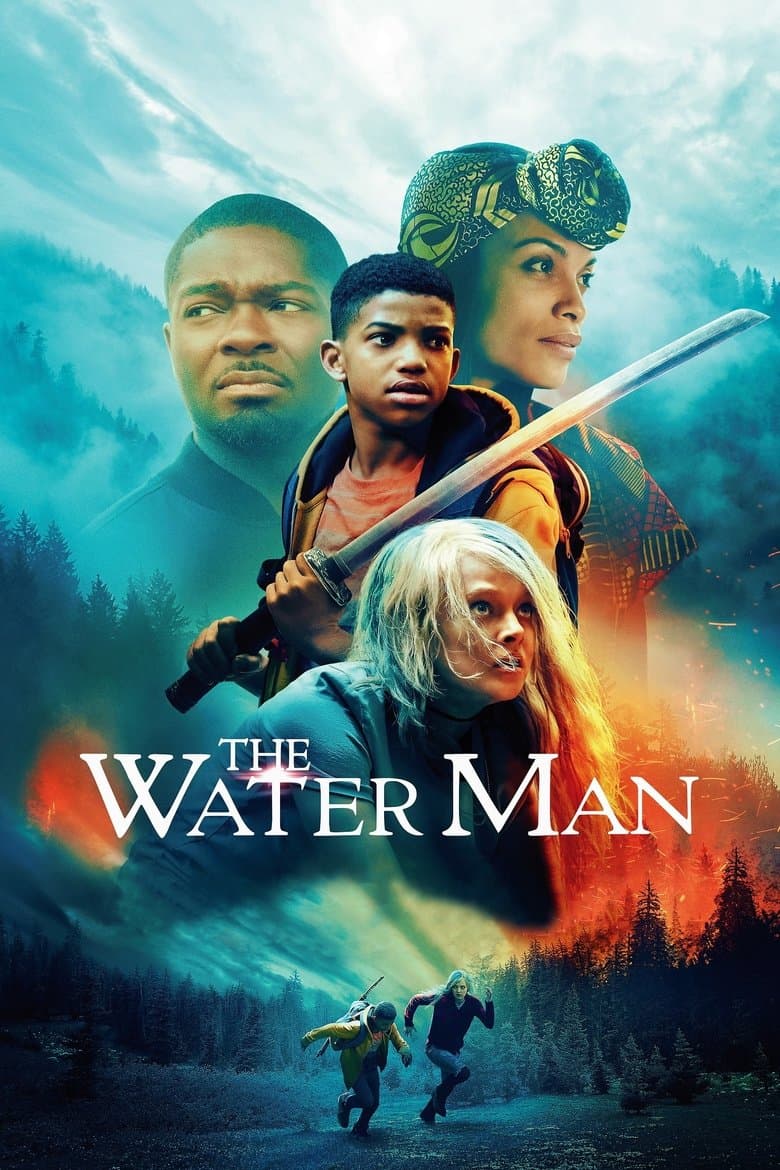
Gunner Boone is an imaginative black boy who moves with his family to a small logging town in Oregon. His mother, Mary, has leukemia, and Gunner searches for a local legend called the Water Man because he thinks the legend can defeat death. He enters the Wild Horse forest with Jo, a runaway girl, while his strict father Amos follows them and tries to understand him. The movie mixes family sadness, scary danger, friendship, and gentle fantasy.
The main woke element is the visible identity pattern in the cast. The movie places a black family at the center, makes Jo and the local sheriff women, and gives the children important rescue roles. Those choices remain part of the adventure, but race and gender do not become the film’s main subject. The story focuses more on love, honesty, courage, grief, faith, and accepting that death cannot always be stopped. Amos must soften his hard military father style and listen to Gunner, which gives the film a mild message against rigid male behavior.
Community feedback
Was our 52% Woke rating accurate?
Breakdown
These are the editorial factors and ratings behind our score for The Water Man.
Woke representation / casting
The film puts a black family at the center of a small Oregon town where most supporting people are White. Gunner is the main hero, and his father and mother are major characters. Jo is a girl who guides the forest trip, and Maria Bello plays the local sheriff. The pattern appears in several key roles, but the film does not make diversity a spoken subject.
43%
Woke political dialogue
Not present. The movie has no repeated speeches about race, gender, DEI, or activism. A brief racist remark appears in Jo’s family history, but the film does not build a political message around it.
0%
Identity-driven story themes
The movie repeatedly shows Amos as a strict military father who struggles to understand Gunner’s art and feelings. The story rewards Amos when he listens, changes his approach, and accepts his son’s inner world. This gives the film a mild challenge to rigid male behavior. The main plot remains about family love, illness, grief, and friendship rather than identity politics.
14%
Western institutional / cultural critique
The movie shows a strict military father who has trouble with his sensitive son. Amos is not treated as a symbol of the military or of men as a group, and he is not shown as evil. The story asks him to listen and change his parenting, which is a mild challenge to rigid fatherhood. The film does not attack churches, family life, capitalism, or Western institutions.
12%
Woke character or canon changes
The film started as a 2015 Black List screenplay with a White family in Montana. The finished movie changes that family to a black family. Joe changes from a boy to Jo, and the sheriff changes from a man to a woman. These are several identity changes in major roles, although the story is an original screenplay rather than a famous franchise.
60%
Anti-woke backlash and complaints
A niche anti-woke review said the opening looked woke because a strict military father cannot connect with his creative son while the mother supports him. The same review still gave the film a favorable overall rating. Mainstream reviews and audience pages focused on family, grief, fantasy, and acting rather than woke politics. The supplied X search found no anti-woke posts, so the backlash evidence is small and isolated.
8%
Creator track record context
David Oyelowo has an existing creator score of 60 and is known for civil rights stories and public comments about race and diversity. Oprah Winfrey has an existing creator score of 62, and Carla Gardini has a score of 56 from work tied to black history and representation. Emily A. Needell and Emma Needell have scores of 35 and 38, with some work about identity but no strong activist record. Other listed producers and casting directors have lower scores and add less context.
55%
Production

Movie · 2019
In a world where people collect pocket-size monsters (Pokémon) to do battle, a boy comes across an intelligent monster who seeks to be a detective.
Movie · 2016
12-year-old Conor encounters an ancient tree monster who proceeds to help him cope with his mother's terminal illness and being bullied in school.

Movie · 2016
For years, old wood carver Mr. Meacham has delighted local children with his tales of the fierce dragon that resides deep in the woods of the Pacific Northwest.
Movie · 2025
Four misfits find themselves struggling with ordinary problems when they are suddenly pulled through a mysterious portal into the Overworld: a bizarre, cubic wonderland that…
Movie · 2016
An orphan little girl befriends a benevolent giant who takes her to Giant Country, where they attempt to stop the man-eating giants that are invading the human world.
Movie · 2024
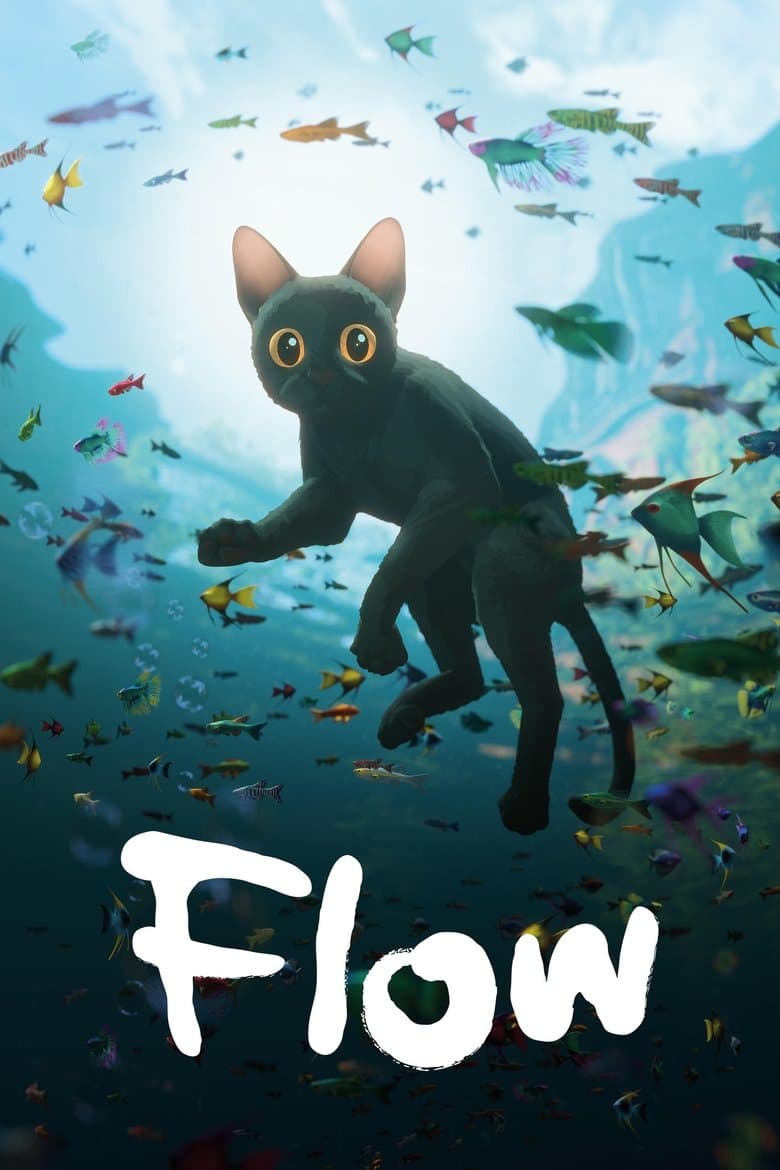
A solitary cat, displaced by a great flood, finds refuge on a boat with various species and must navigate the challenges of adapting to a transformed world together.

Movie · 2017
A dog goes on quest to discover his purpose in life over the course of several lifetimes with multiple owners.

Movie · 2025
Desperate to be a big guy, SpongeBob sets out to prove his bravery to Mr. Krabs by following The Flying Dutchman – a mysterious swashbuckling ghost pirate – on a seafaring…
