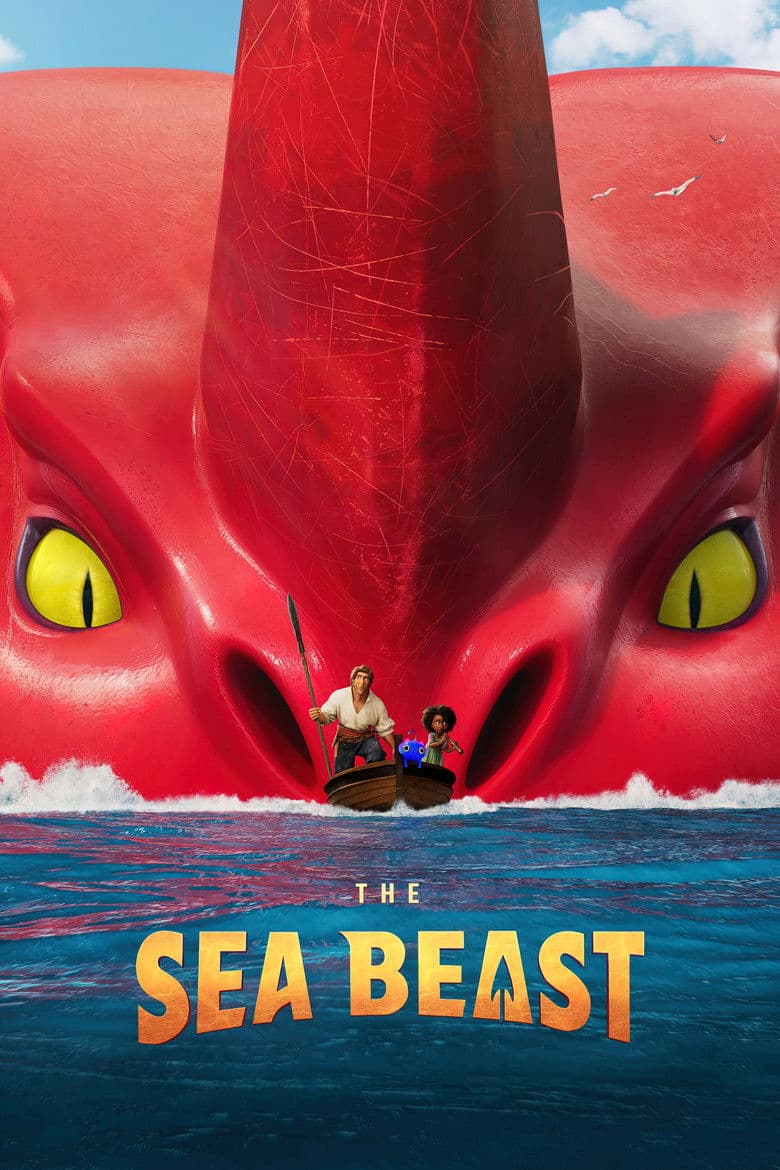
Movie review
June 24, 2022 · 115 min · PG · Kids · Fantasy · Animation · Action · Adventure · Family
Maisie Brumble is a brave orphan girl who dreams of hunting sea monsters like her late parents. She stows away on the famous ship *Inevitable*, where hunter Jacob Holland and Captain Crow chase a giant creature called the Red Bluster. The story is a loud, colorful sea adventure with big fights, jokes, and heart. As Maisie and Jacob learn more about the beasts, they start to doubt the stories they grew up with.
A normal viewer would notice clear girl-power energy and a strong diversity look: a black girl is the moral hero who proves the adult hunters and the king and queen wrong, and a black woman serves as first mate. The plot turns on fake history books and crown lies used to keep people hunting monsters, with lines about a kingdom “paid for” with blood and heroes who can still be wrong. That message about power, propaganda, and who writes history sits front and center. It is not a race-lecture movie and has no queer plot, but the kid-led fix of the system, the multiethnic crew, and the “question what you were taught” arc are easy to spot.
Community feedback
Was our 59% Woke rating accurate?
Breakdown
These are the editorial factors and ratings behind our score for The Sea Beast.
Woke representation / casting
Lead Maisie is a young black girl who outthinks famous hunters and the Crown. First mate Sarah is a strong black woman. The ship crew and kingdom show many skin tones and cultures in a Europe-style fantasy world. Netflix and reviews pushed that look as a feature. Race is not the plot’s subject, but the pattern of diverse, high-status roles is clear and easy to notice.
53%
Woke political dialogue
Characters talk about history books as lies, Crown propaganda, and a kingdom “paid for” with blood. Maisie’s climax speech attacks royal power and the hunter myth. Lines like “you can be a hero and still be wrong” drive the message. Talk is about power and truth more than race or gender jargon, but it is openly political and hard to miss.
42%
Identity-driven story themes
Core arc is girl-power moral leadership: a child girl “deprograms” adult hunters and the public. Themes of fake history, empathy for the feared “other” (the beasts), and ending a long war sit at the center. Framing matches modern “question the official story” messaging more than pure monster-hunting fun. Queer identity is not a theme.
46%
Western institutional / cultural critique
The king and queen run a blood-funded system on lies; hunters are tools of that power; traditional hero pride (Crow’s revenge hunt) is shown as wrong. The film undercuts royal authority and the warrior-hunter ideal. Williams linked the history-control idea to real fights over books and teaching race. Not anti-church, but clear critique of state power and “official” culture.
50%
Woke character or canon changes
Not relevant. Original story with no prior book or franchise canon to rewrite for identity reasons.
0%
Anti-woke backlash and complaints
No major news or social storm branding the film as woke propaganda. Some viewers called the messaging political or disliked the “kid is always right” setup. Complaints stayed small next to praise and big streaming numbers.
14%
Creator track record context
Key creative Williams sits mid-range (38) with title-linked comments on history control and book bans. Co-writer Benjamin is low (10). Other listed producers are near zero. Overall crew context is mild to moderate, not activist-heavy.
32%
Production
Movie · 2024
A solitary cat, displaced by a great flood, finds refuge on a boat with various species and must navigate the challenges of adapting to a transformed world together.
Movie · 2021
The Guardians of Arcadia reunite to battle the nefarious Arcane Order, who've reawakened the primordial Titans.
Movie · 2020
Fueled by memories of her mother, resourceful Fei Fei builds a rocket to the moon on a mission to prove the existence of a legendary moon goddess.
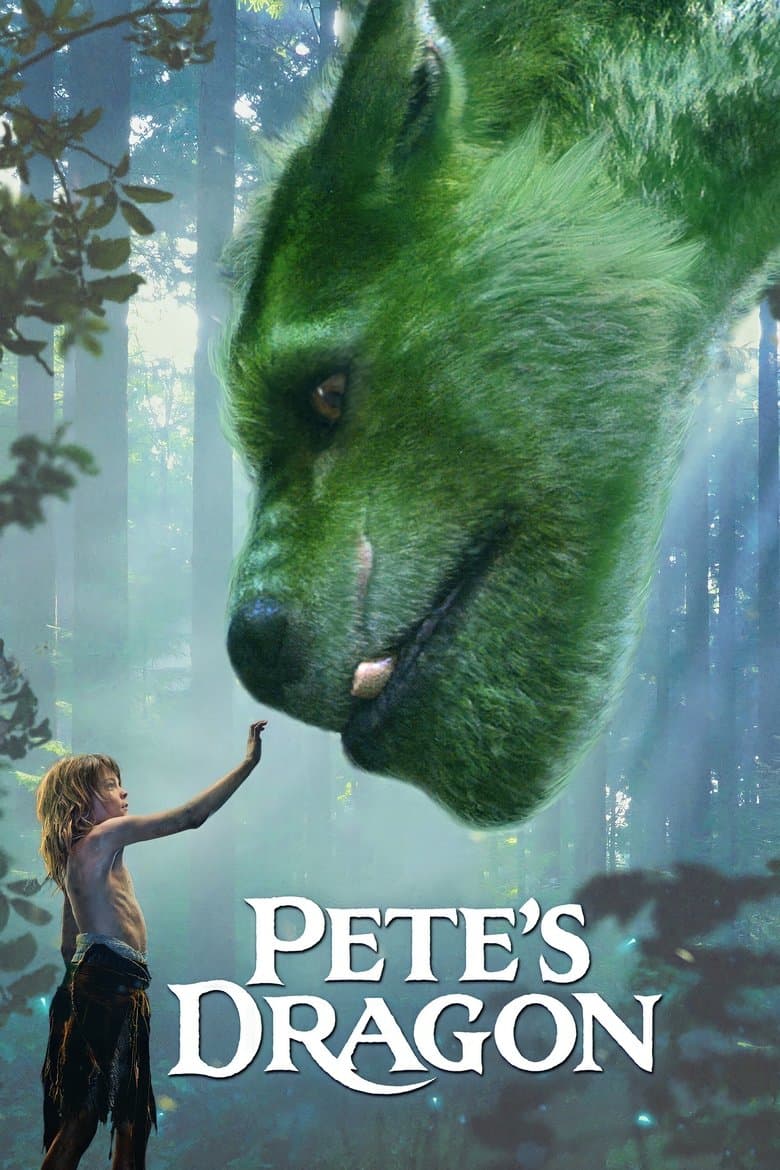
Movie · 2016
For years, old wood carver Mr. Meacham has delighted local children with his tales of the fierce dragon that resides deep in the woods of the Pacific Northwest.
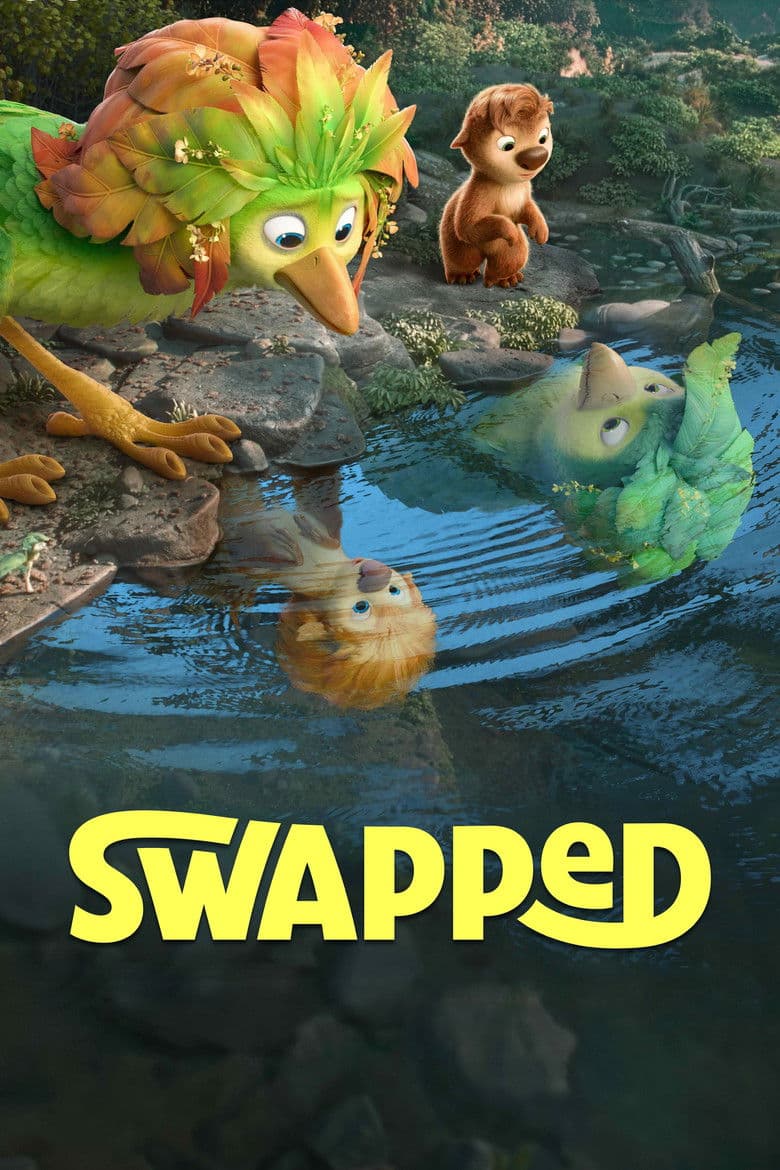
Movie · 2026
A small woodland creature and a majestic bird, two natural sworn enemies of the Valley, magically trade places and set off on an adventure of a lifetime to switch back.
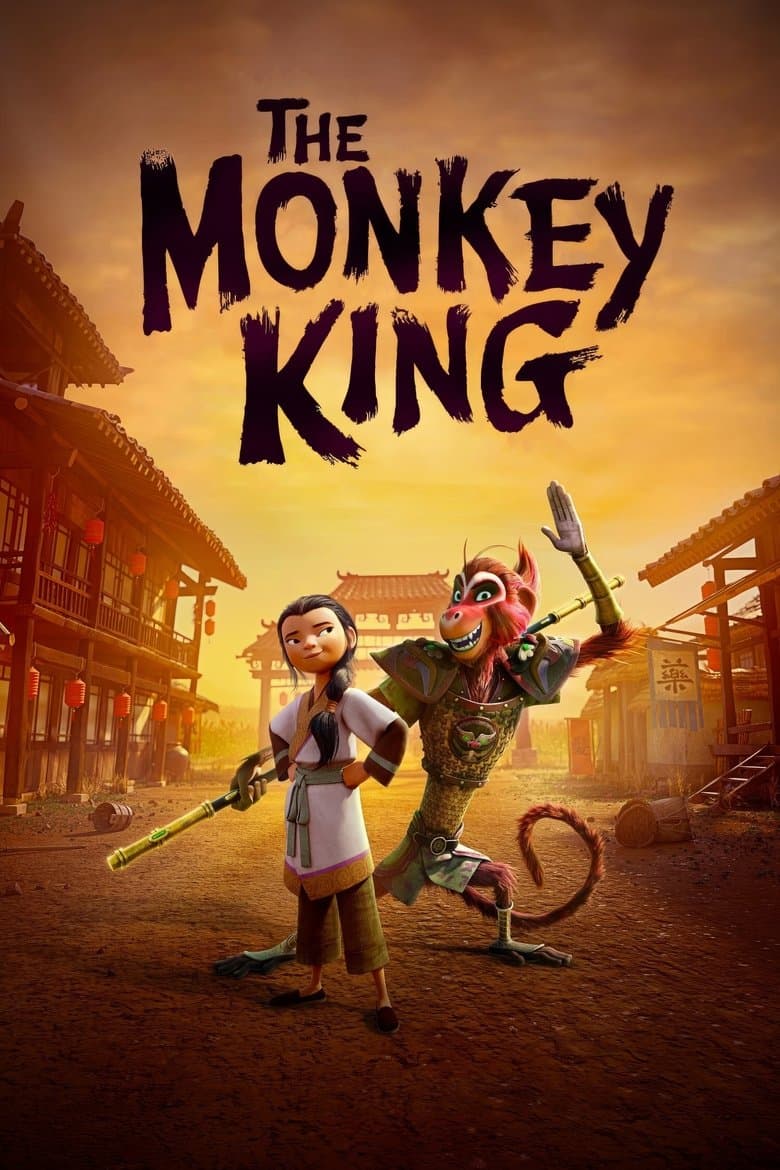
Movie · 2023
A stick-wielding monkey teams with a young girl on an epic quest for immortality, battling demons, dragons, gods — and his own ego — along the way.
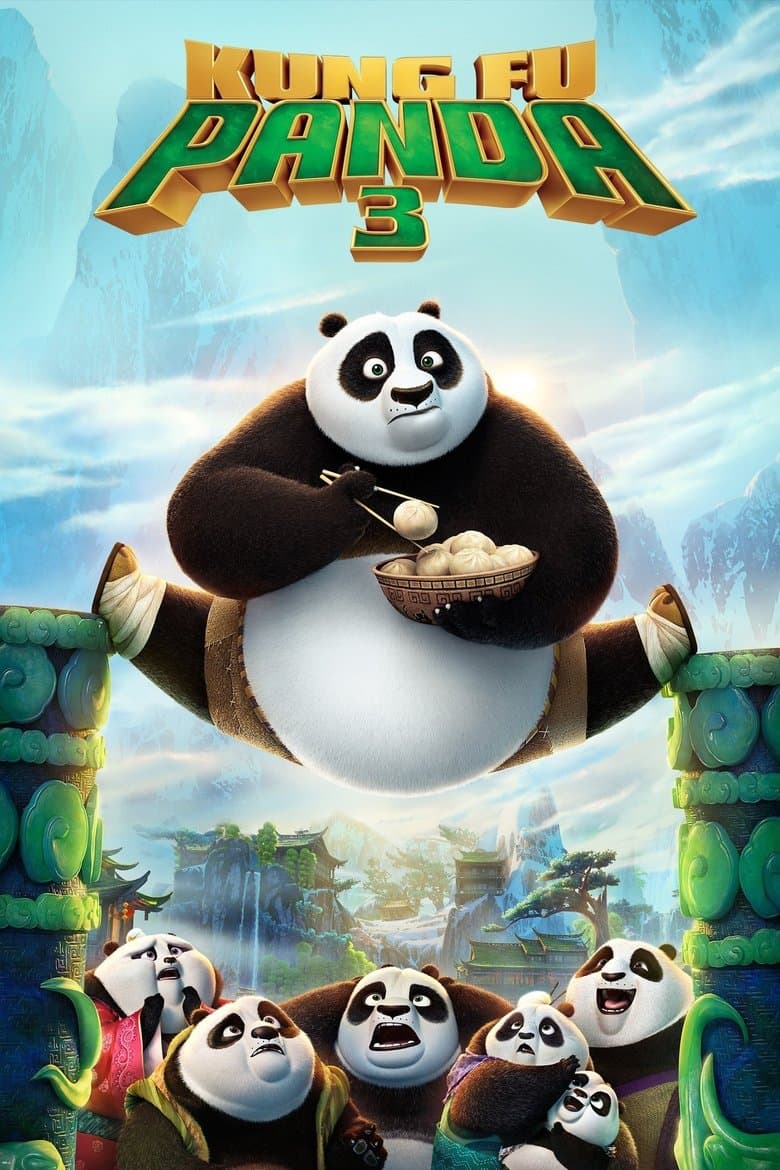
Movie · 2016
While Po and his father are visiting a secret panda village, an evil spirit threatens all of China, forcing Po to form a ragtag army to fight back.
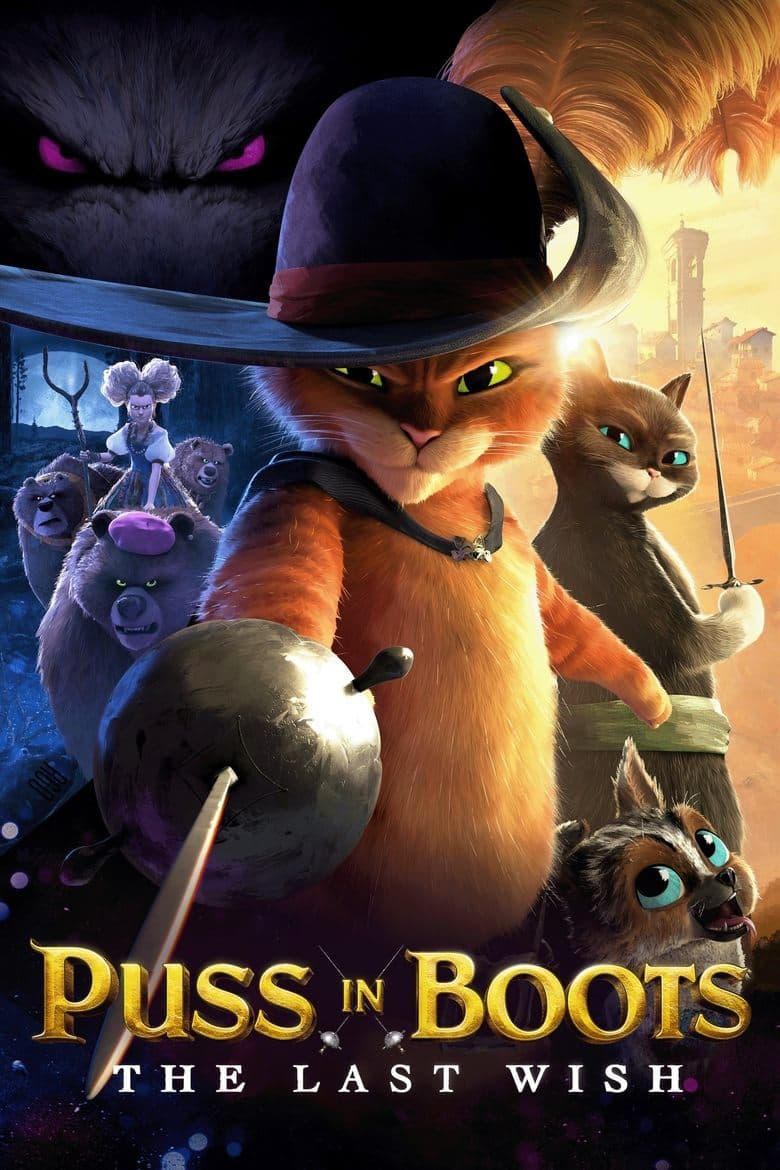
Movie · 2022
Puss in Boots discovers that his passion for adventure has taken its toll: He has burned through eight of his nine lives, leaving him with only one life left.
