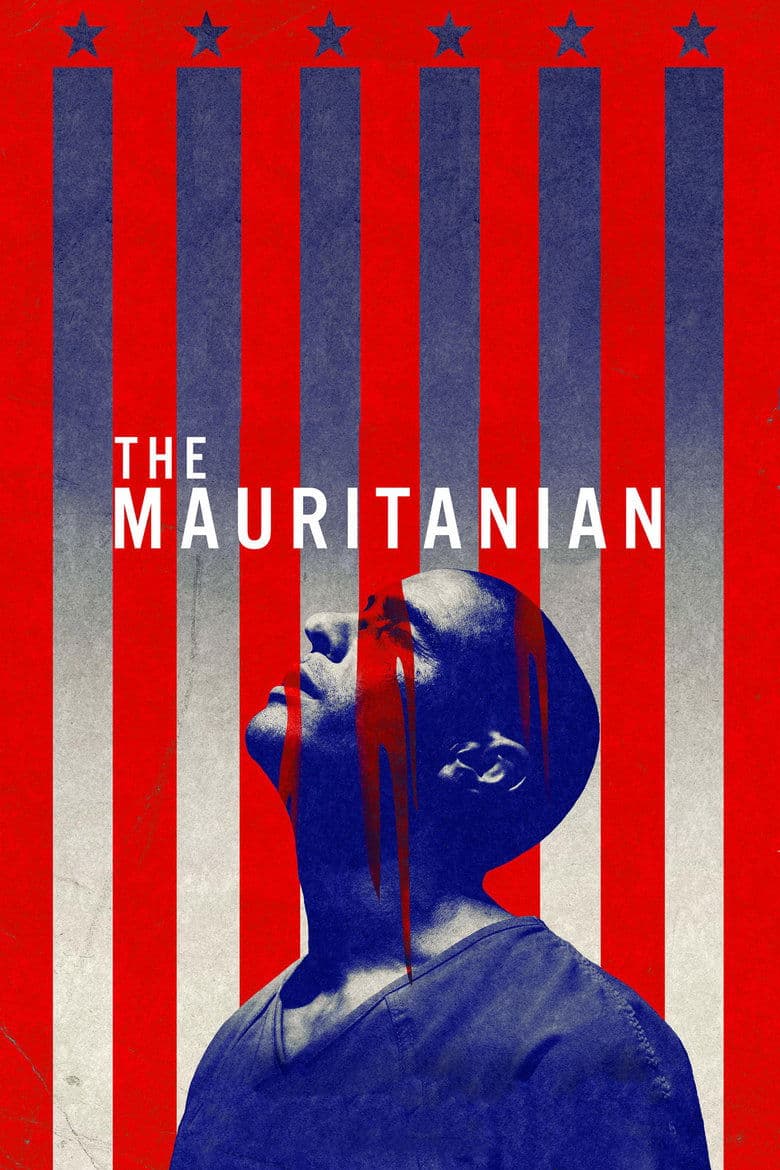
Mohamedou Ould Slahi is a man from Mauritania who is taken away after the 9/11 attacks and locked up at Guantanamo Bay for many years without a trial. The movie follows his fight for freedom with help from U.S. lawyers Nancy Hollander and Teri Duncan. A military prosecutor, Stuart Couch, starts out wanting to punish him hard, then learns how the prisoner was treated. The tone is serious, heavy, and based on a true story.
The film is mainly a human-rights legal drama. Viewers clearly see the U.S. government holding a man with no charges, using harsh questioning, and fighting his release. The story hits hard on rule of law, torture, and fairness after 9/11. That critique of U.S. power is easy to notice. It does not center modern race, gender, or queer identity politics, girlboss rewriting, or diversity-quota casting. The lead is a real Mauritanian man played by a North African actor. The female lawyers match real people. Queer themes are not part of the story. Overall, this is strong classical “America broke its own rules” politics more than identity-first woke messaging.
Community feedback
Was our 36% Woke rating accurate?
Breakdown
These are the editorial factors and ratings behind our score for The Mauritanian.
Woke representation / casting
Main cast follows real people and the real lead’s background. Tahar Rahim as a Mauritanian Muslim detainee fits the story world. Foster and Woodley play real female lawyers, not invented girlboss swaps. No clear audience-facing diversity quota pattern or identity signaling in casting.
0%
Woke political dialogue
Characters talk a lot about rights, fair trials, secret evidence, and torture. That is classic civil-liberties talk, not modern DEI or identity lectures. Viewers hear strong moral lines against abusive power, but not race/gender slogan politics.
15%
Identity-driven story themes
Core themes are wrongful detention, torture, and legal justice after 9/11. Being Muslim and foreign is part of the true setup, not a separate modern identity plot. The movie pushes human rights more than race, gender, or queer identity as the main message.
24%
Western institutional / cultural critique
The U.S. detention system, harsh interrogation, and holding people without charges are the clear villains. Average viewers will notice a strong hit on American power after 9/11. Framing is still mostly rule-of-law and anti-torture, not patriarchy, “whiteness,” or anti-Christian culture-war messaging. Couch’s Christian faith even helps him reject torture.
46%
Woke character or canon changes
Not relevant. The film adapts a real memoir and real people. Changes look like normal movie compression and dramatization, not identity-driven race/gender swaps of known figures.
0%
Anti-woke backlash and complaints
No big mainstream “too woke” or DEI-focused backlash was found. A few right-leaning voices called it anti-American or anti-military. That signal is real but thin and not a major public fight.
12%
Creator track record context
Cached creator context for the listed writers and producers is low-woke and industry-focused. Their public records do not show a strong pattern of identity-first or social-justice activist work tied to this title.
12%
Production
Movie · 2025
Marty Mauser, a young man with a dream no one respects, goes to hell and back in pursuit of greatness.
Movie · 2017
A former rodeo star, now a motel manager, meets a young man who is responsible for the violence that suddenly has seized his small town.
Movie · 2021
A head chef balances multiple personal and professional crises at a popular restaurant in London.
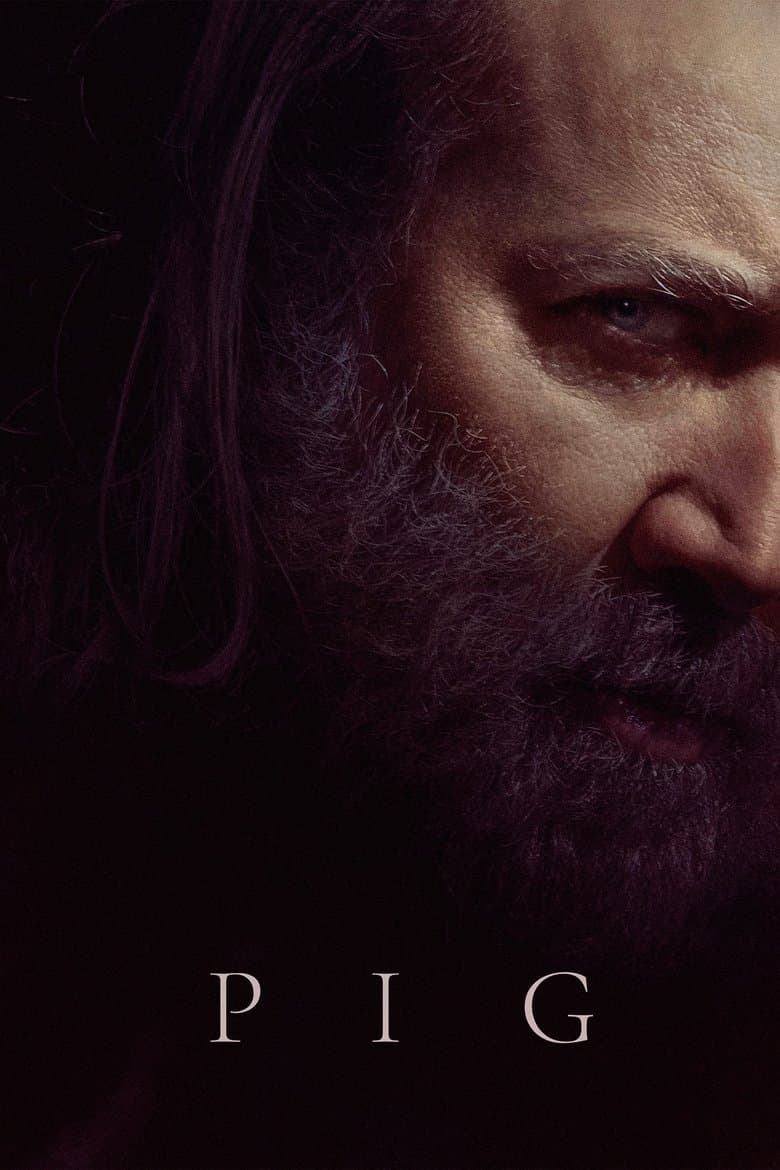
Movie · 2021
A truffle hunter who lives alone in the Oregon wilderness must visit Portland to find the mysterious person who stole his beloved foraging pig.
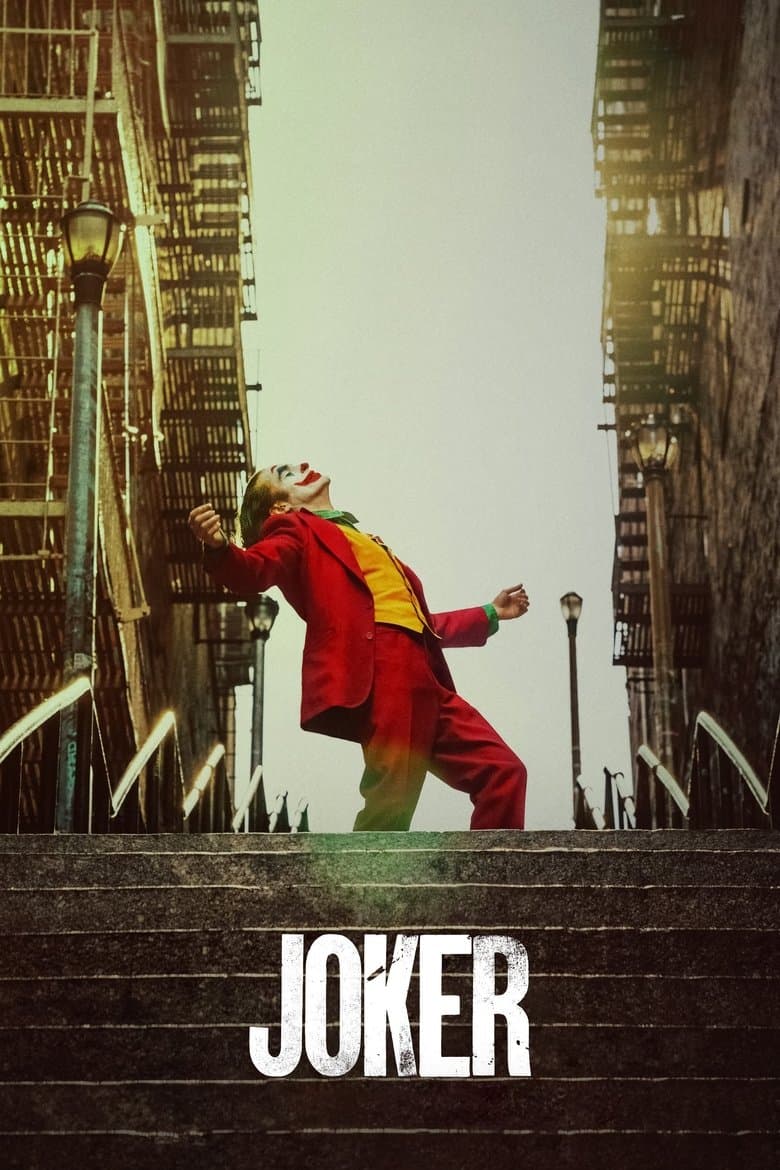
Movie · 2019
During the 1980s, a failed stand-up comedian is driven insane and turns to a life of crime and chaos in Gotham City while becoming an infamous psychopathic crime figure.
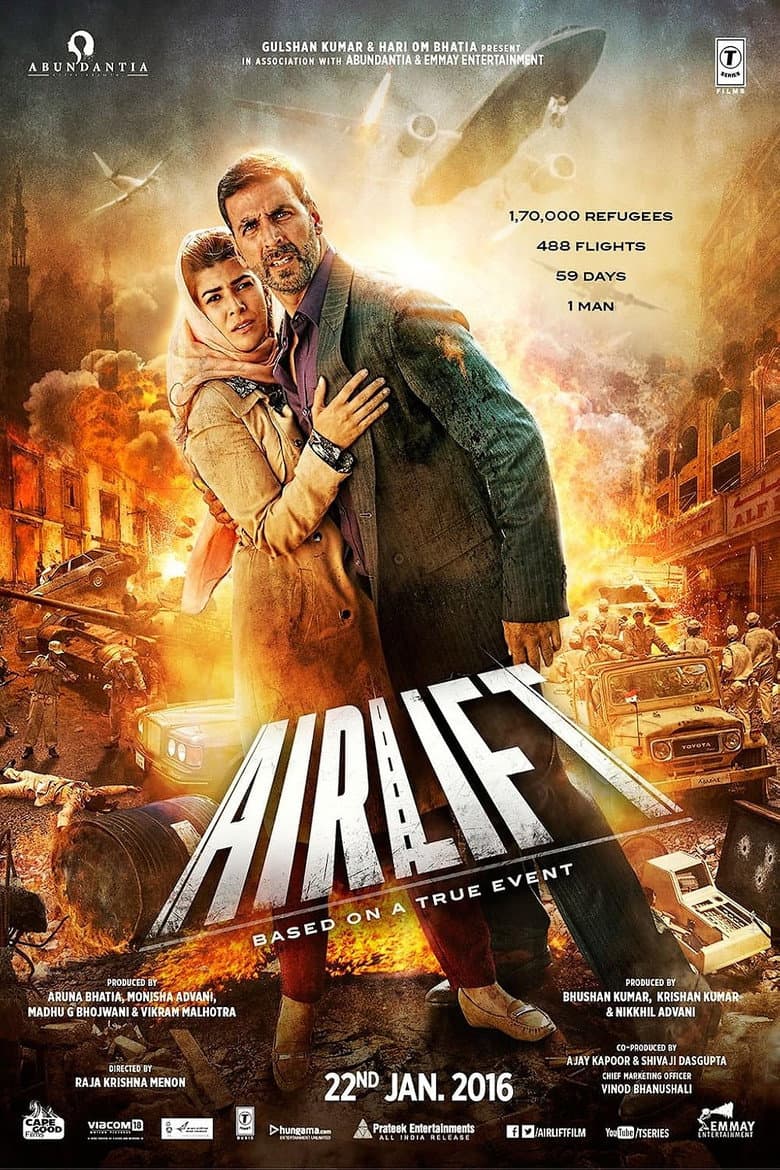
Movie · 2016
When Iraq invades Kuwait in August, 1990, a callous Indian businessman becomes the spokesperson for more than 170,000 stranded countrymen.
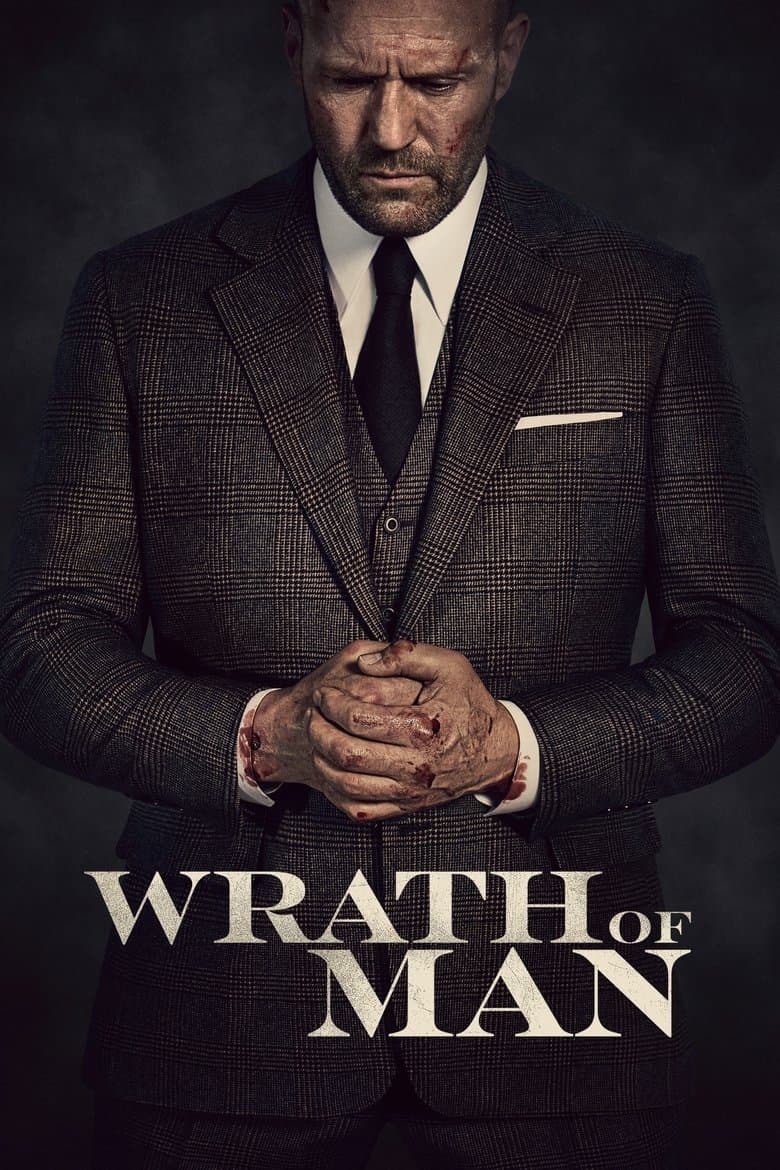
Movie · 2021
A cold and mysterious new security guard for a Los Angeles cash truck company surprises his co-workers when he unleashes precision skills during a heist.
Movie · 2019
Los Angeles, 1969. TV star Rick Dalton, a struggling actor specializing in westerns, and stuntman Cliff Booth, his best friend, try to survive in a constantly changing movie…
