
The Machine follows Bert Kreischer, a famous comedian who built his career around a wild story from a college trip to Russia. Years later, his drinking, a public police incident, and his selfish behavior have damaged his marriage and his bond with his daughter. A Russian mobster named Irina kidnaps Bert and his estranged father, Albert, and takes them back to Russia to find a stolen watch. The film mixes loud comedy, bloody fights, crime, and a father and son trying to repair their relationship.
The film directly jokes about feminism, wokeness, progressive behavior, and toxic masculinity. Irina’s brothers and father say that a woman should not lead the mob, but she defeats them and takes control. Her fight gives the movie a clear female-power theme, although it stays inside the crime story. Bert’s main change is personal because he must face his drinking, repair his family ties, and learn to be more open with his father.
Community feedback
Was our 39% Woke rating accurate?
Breakdown
These are the editorial factors and ratings behind our score for The Machine.
Woke representation / casting
Irina, played by Iva Babić, is a central and highly capable action figure who defeats male gangsters, survives a shooting, and takes over the mob. Her brother and father reject her because she is a woman, so her role becomes a visible female-power choice. Ashley, played by black actor Rita Bernard-Shaw, has a brief romantic role and does not create a wider representation pattern. The rest of the story centers on Bert’s family and Russian criminals.
35%
Woke political dialogue
Several scenes use direct modern terms such as feminism, wokeness, progressive behavior, toxic masculinity, and equality. The jokes compare Bert’s crude male persona with Russian attitudes and connect Irina’s claim to equal treatment with her fight for control. The words are clear and audience-visible, but they appear in a few comic exchanges rather than a long political debate. The film does not build a wider policy or activist program around them.
34%
Identity-driven story themes
Irina’s story centers on a woman fighting to lead a crime family ruled by men. Her brother says that a woman cannot become boss, and her father later calls her weak. Irina answers by defeating the men around her and taking control of the group. This idea continues through the Russia section and affects the main conflict. The larger story still focuses on Bert’s drinking, family, and old crime.
40%
Western institutional / cultural critique
Bert’s loud, drunken man persona is called toxic masculinity, and the joke says Russian criminals see it as progressive. The film also shows him in therapy after his behavior harms his wife and daughter. Irina’s family treats male control as a barrier she must defeat, while Bert’s father learns to speak about feelings and admit failure. These ideas question macho behavior, but the movie keeps them in personal jokes and family scenes rather than attacking Western institutions.
30%
Woke character or canon changes
Not relevant. The film expands Bert Kreischer’s own comedy routine into a new fictional story. It does not alter a famous fictional character or historical figure to make an identity point.
0%
Anti-woke backlash and complaints
Not present. Most online discussion focused on humor, action, and story quality, while one small Reddit post vaguely called the movie progressive without naming a DEI or identity message. No major anti-woke campaign or news controversy was found.
0%
Creator track record context
The creator record shows little evidence of a strong activist pattern. Peter Atencio’s record centers on comedy that satirizes race and culture without an activist agenda. Bert Kreischer has said he supports gay rights, but his record does not show sustained DEI activism. The other listed creators also have low context scores and no strong activist profile.
12%
Production
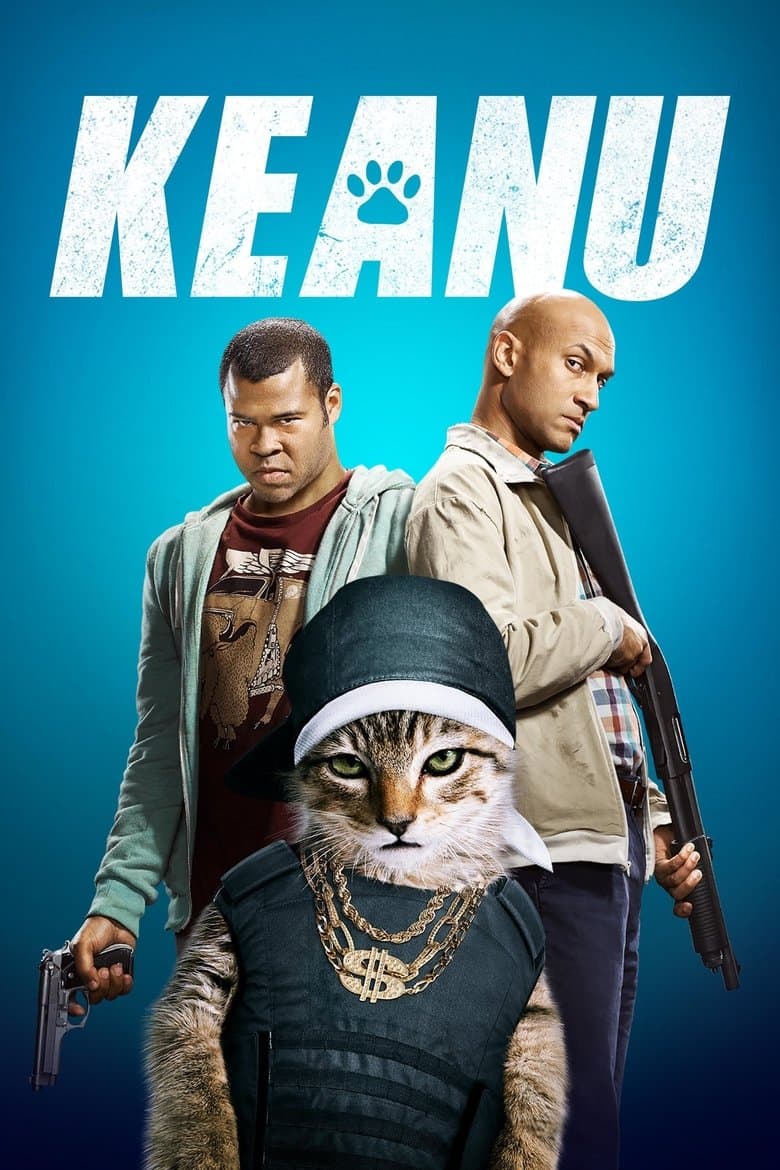
Movie · 2016
Friends hatch a plot to retrieve a stolen cat by posing as drug dealers for a street gang.
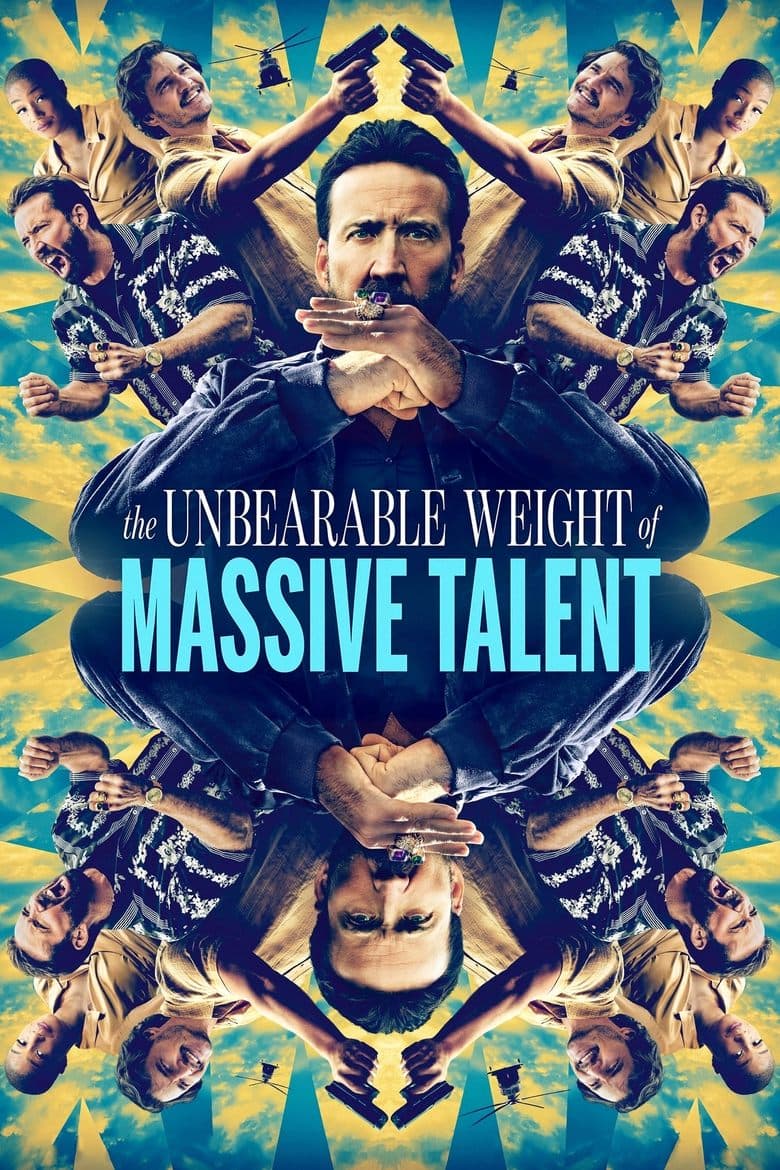
Movie · 2022
Creatively unfulfilled and facing financial ruin, Nick Cage must accept a $1 million offer to attend the birthday of a dangerous superfan.

Movie · 2025
When a job goes horribly wrong, an ex-cop and family man who moonlights as a mob henchman has one night to get his family out of the city.
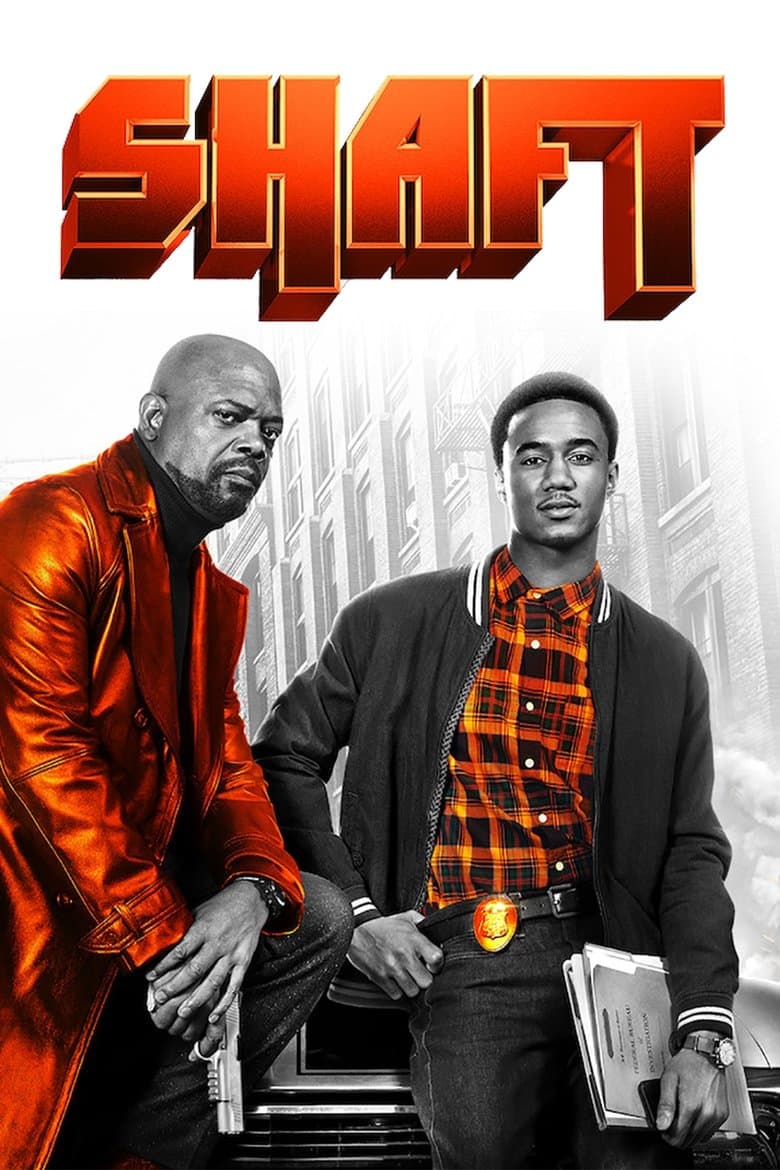
Movie · 2019
JJ, aka John Shaft Jr., may be a cyber security expert with a degree from MIT, but to uncover the truth behind his best friend’s untimely death, he needs an education only his dad…

Movie · 2020
American expat Mickey Pearson has built a highly profitable marijuana empire in London. When word gets out that he’s looking to cash out of the business forever it triggers plots…
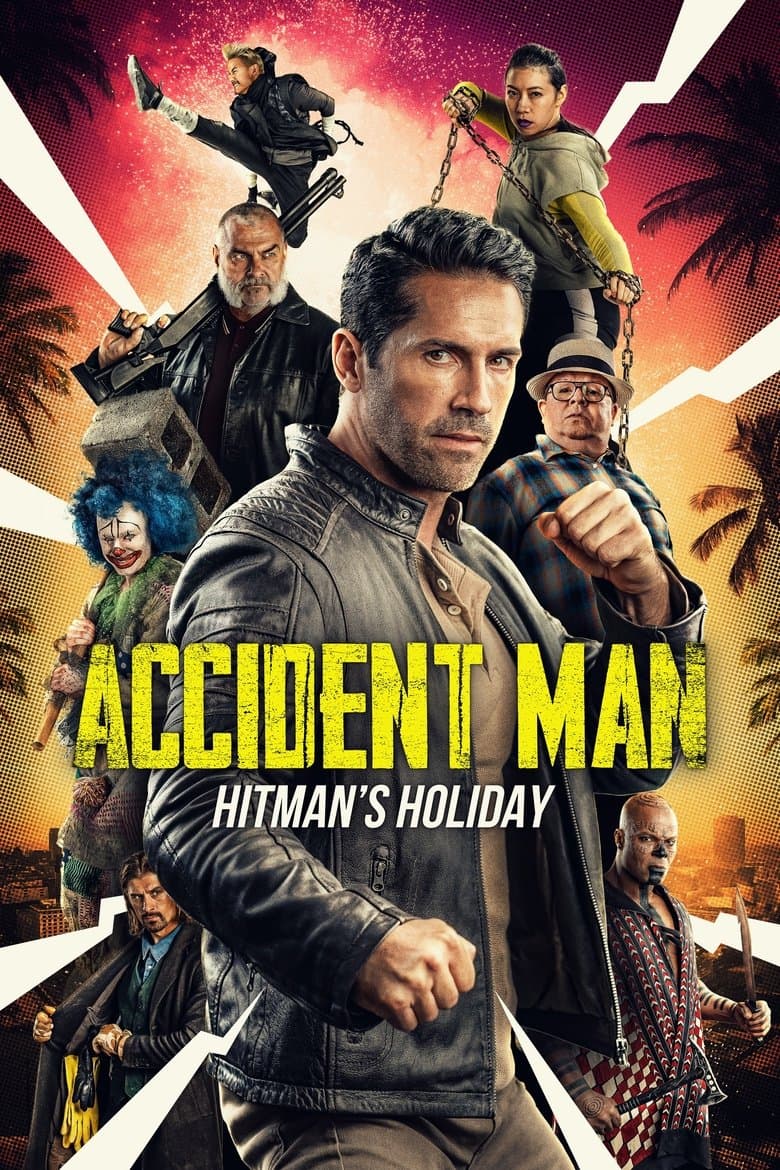
Movie · 2022
The Accident Man is back, and this time he must best the top assassins in the world to protect the ungrateful son of a mafia boss, save the life of his only friend and rekindle…
Movie · 2018
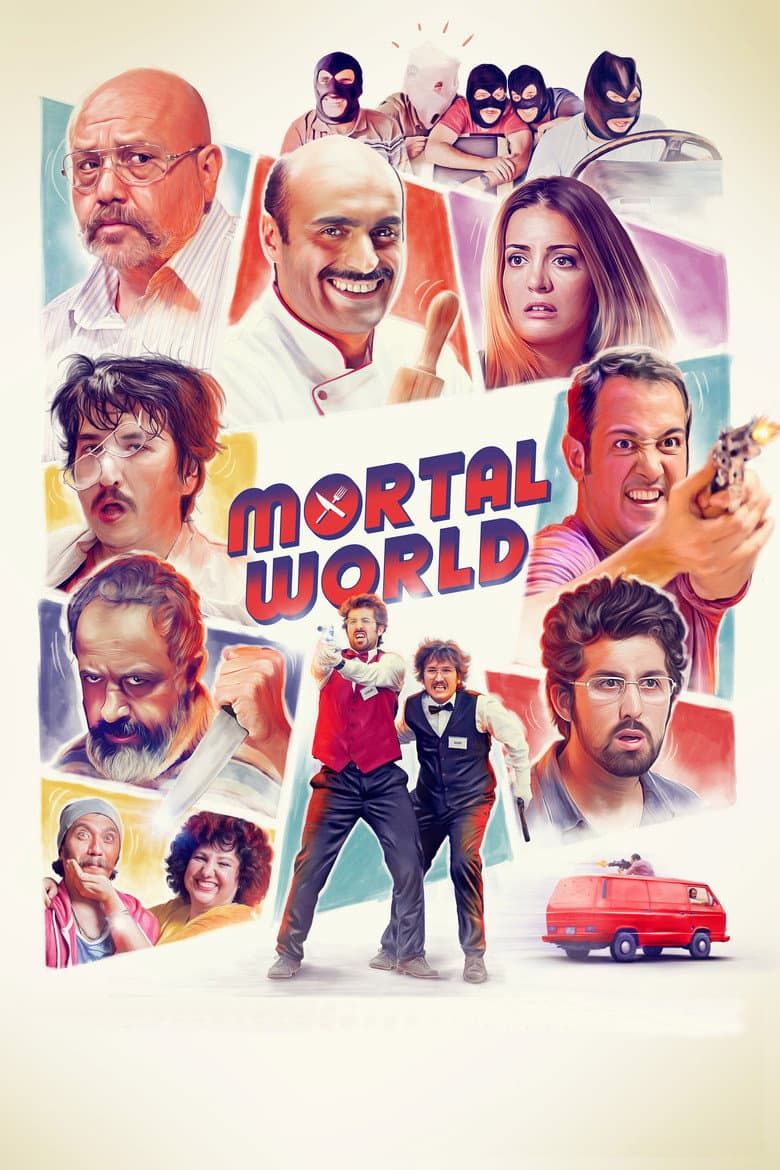
Mermer family, who has been managing a restaurant called “Anatolian flavors” in Haydarpasa train station for generations, consist of 8 members.

Movie · 2025
Kat is an improv comedy teacher beginning to question if she’s missed her shot at success. When an undercover cop offers her the role of a lifetime, she recruits two of her…
