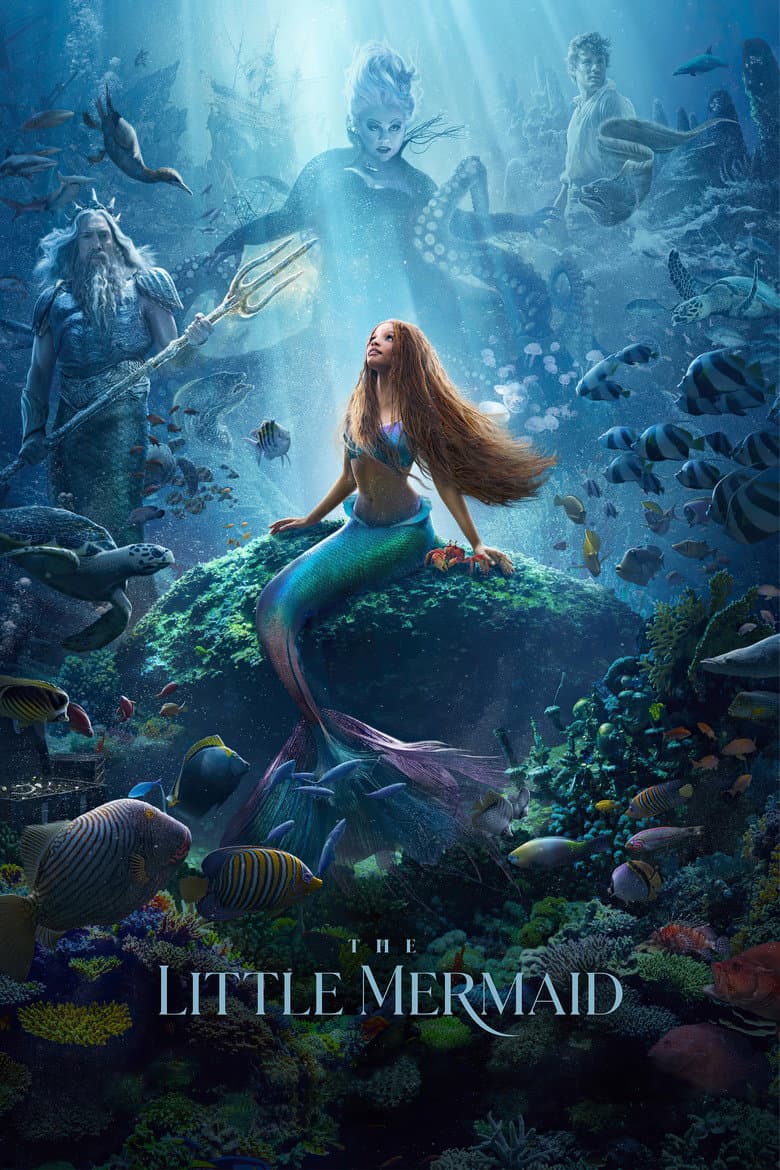
Movie review
May 18, 2023 · 135 min · PG · Kids · Fantasy · Adventure · Romance · Family
The Little Mermaid is a live-action remake of Disney's 1989 animated movie about a mermaid who wishes to live on land. She makes a deal with a sea witch to trade her voice for legs to meet a human prince. The movie features a diverse cast, including a black actress as Ariel. It also changes famous song lyrics to focus on modern consent and female empowerment. In the final battle, Ariel saves the day instead of the prince, highlighting a shift toward girl-power themes.
Community feedback
Was our 89% Woke rating accurate?
Breakdown
These are the editorial factors and ratings behind our score for The Little Mermaid.
Woke representation / casting
The film makes highly visible casting choices to prioritize diversity. Ariel is played by a black actress, and her sisters represent a wide variety of different ethnic groups. Prince Eric is also depicted as being adopted by a black queen on a multicultural island. These choices represent a clear move toward identity-driven casting for a story historically set in a European fairy tale world.
80%
Woke political dialogue
While there is little direct political speech, the film updates the lyrics of classic songs like "Kiss the Girl" and "Poor Unfortunate Souls". These changes were made to reflect modern activist ideas about consent and female empowerment. This directly introduces modern ideological concepts into the fantasy dialogue of the characters.
35%
Identity-driven story themes
The story shifts Ariel's primary motivation away from falling in love with a prince and more toward personal freedom and self-discovery. Prince Eric is also framed as someone wanting to break away from traditionalism. The ending is changed so Ariel destroys the sea witch, focusing heavily on modern themes of female empowerment and self-reliance.
50%
Western institutional / cultural critique
King Triton's authority is framed as overly oppressive and closed-minded, which some critics noted matches a modern critique of traditional family structures and protective parenting. The traditional gender dynamic of a male savior is rejected by having Ariel rescue Eric in the final battle.
35%
Woke character or canon changes
The movie makes massive, highly visible changes to the 1989 animated classic. It race-swaps the main character, changes the ending so that Ariel kills Ursula instead of Prince Eric, alters the prince's backstory, and revises iconic song lyrics to match modern social views.
85%
Anti-woke backlash and complaints
The movie faced historic levels of backlash from fans and right-leaning critics. The YouTube trailers received over a million dislikes, and the hashtag "#NotMyAriel" trended globally. Critics accused Disney of pushing a progressive, corporate diversity agenda at the expense of a beloved classic.
95%
Creator track record context
The creative team is a mix of traditionalists and progressive voices. Director Rob Marshall and producer Lin-Manuel Miranda have strong records of supporting social progress and diverse casting. However, other creators like John Musker have openly criticized Disney's focus on woke political agendas.
40%
Production
Movie · 2022
King Louis XIV's quest for immortality leads him to capture and steal a mermaid's life force, a move that is further complicated by his illegitimate daughter's discovery of the…
Movie · 2016
After a threat from the tiger Shere Khan, Mowgli, a man-cub fostered by wolves, is forced to flee the jungle, and he embarks on a journey of self-discovery with the help of the…
Movie · 2016
For years, old wood carver Mr. Meacham has delighted local children with his tales of the fierce dragon that resides deep in the woods of the Pacific Northwest.
Movie · 2016
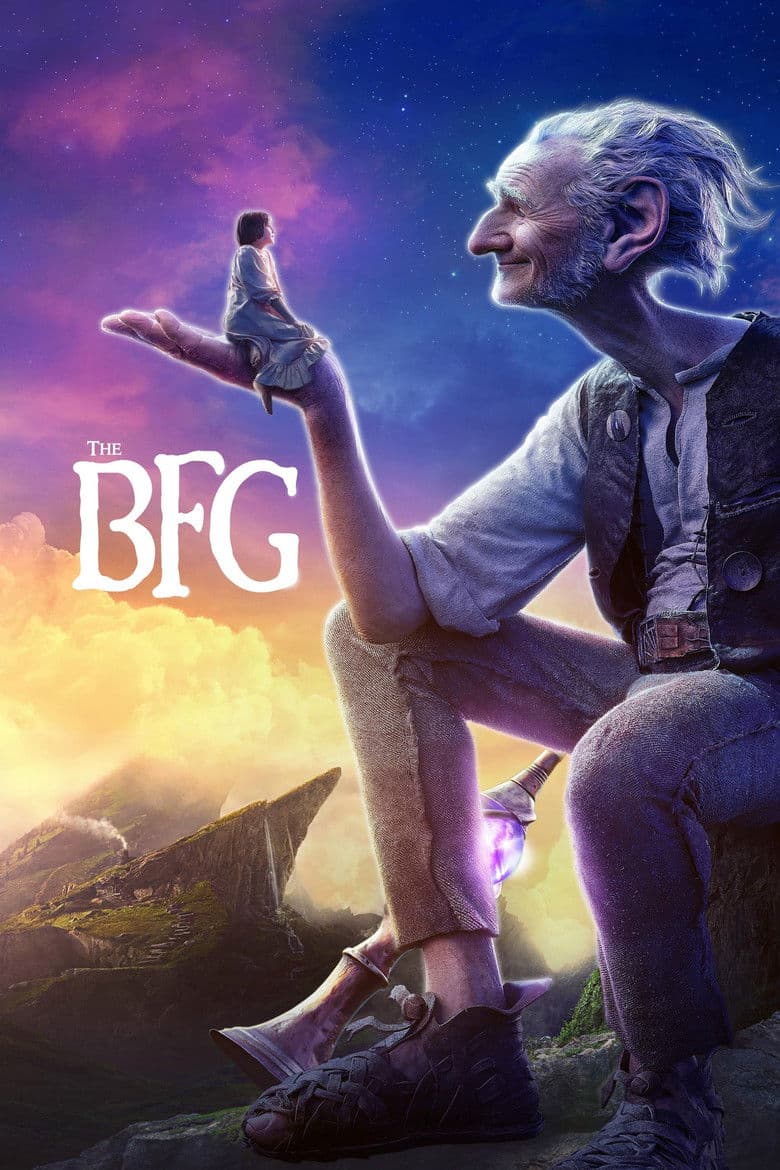
An orphan little girl befriends a benevolent giant who takes her to Giant Country, where they attempt to stop the man-eating giants that are invading the human world.
Movie · 2024
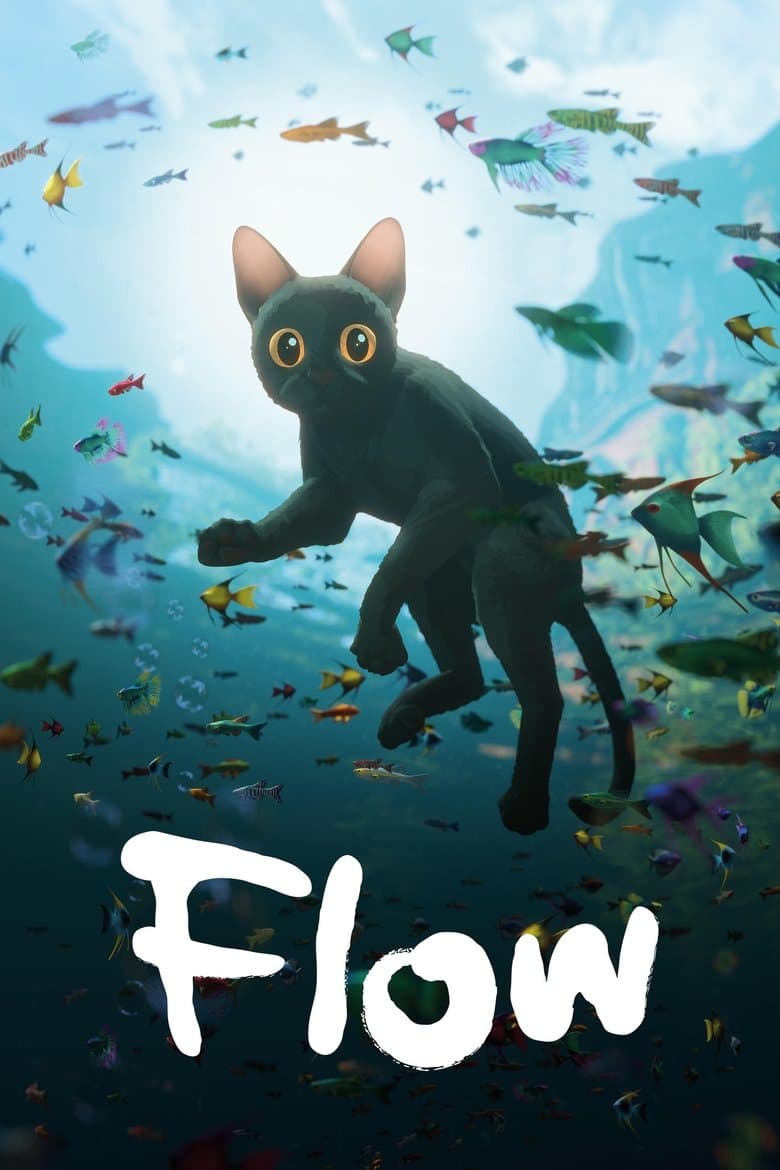
A solitary cat, displaced by a great flood, finds refuge on a boat with various species and must navigate the challenges of adapting to a transformed world together.
Movie · 2026
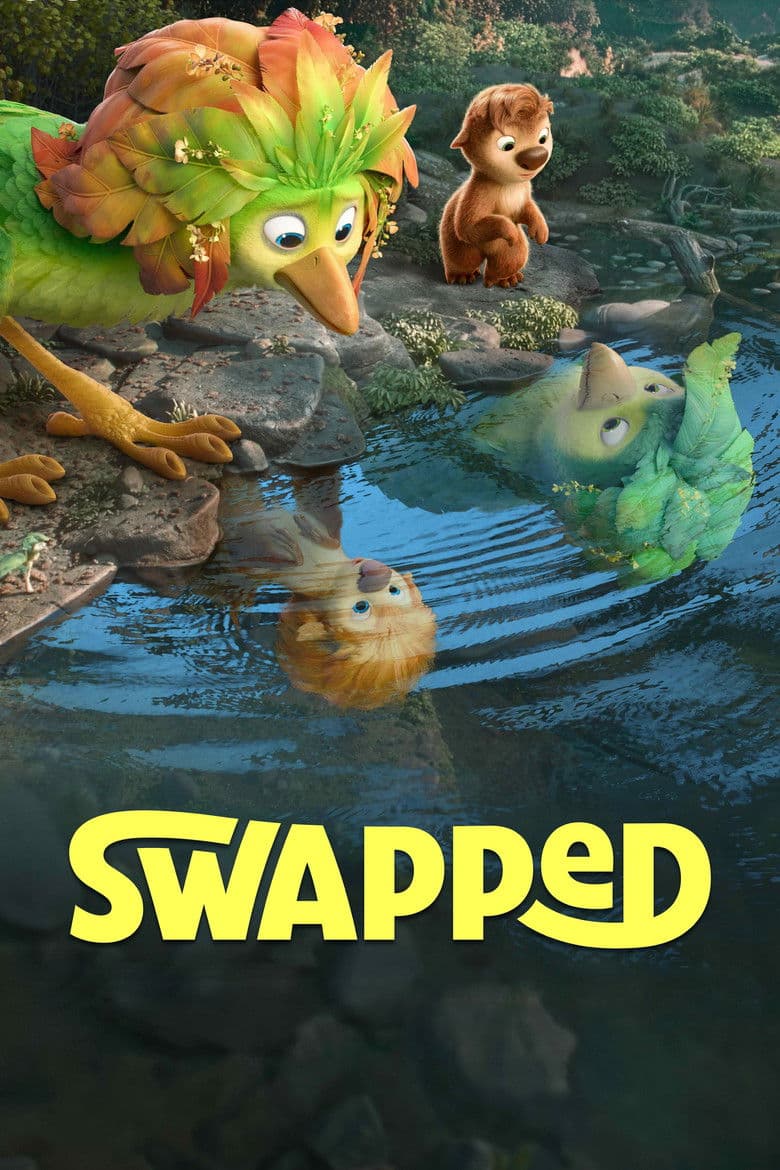
A small woodland creature and a majestic bird, two natural sworn enemies of the Valley, magically trade places and set off on an adventure of a lifetime to switch back.
Movie · 2019
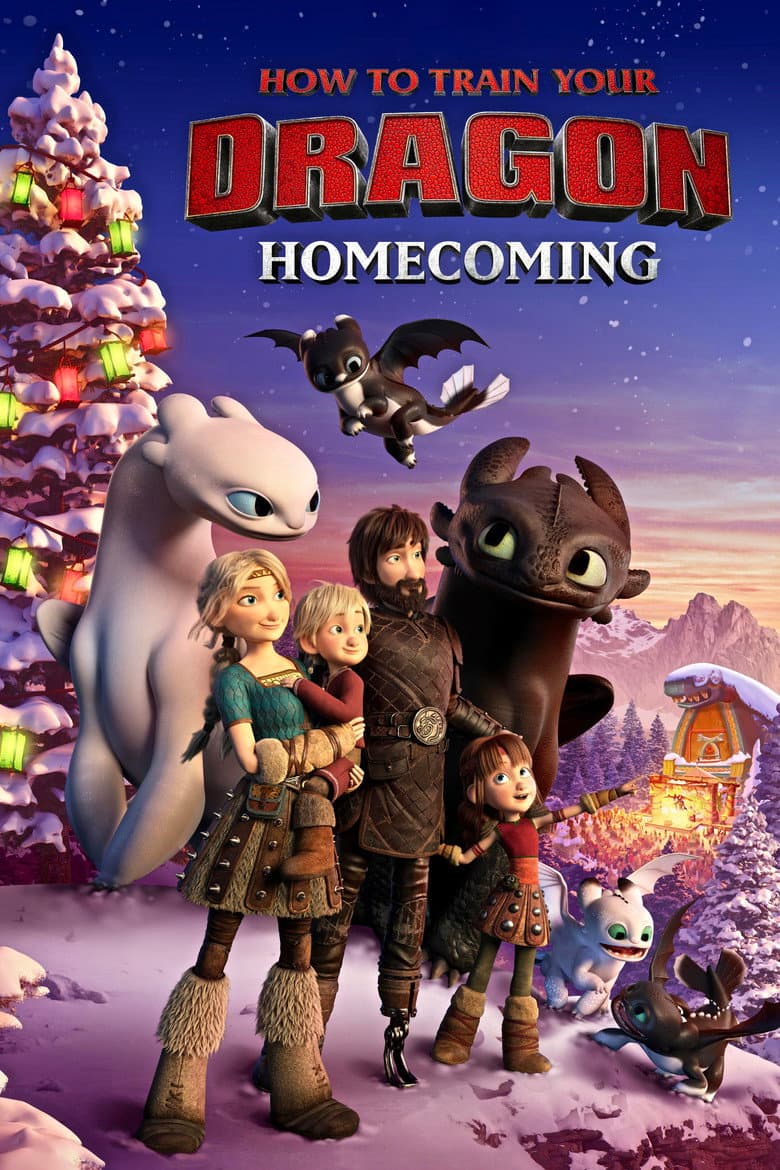
It's been ten years since the dragons moved to the Hidden World, and even though Toothless doesn't live in New Berk anymore, Hiccup continues the holiday traditions he once shared…
Movie · 2024
Inside of his book, adventurous Harold can make anything come to life simply by drawing it. After he grows up and draws himself off the book's pages and into the physical world…
