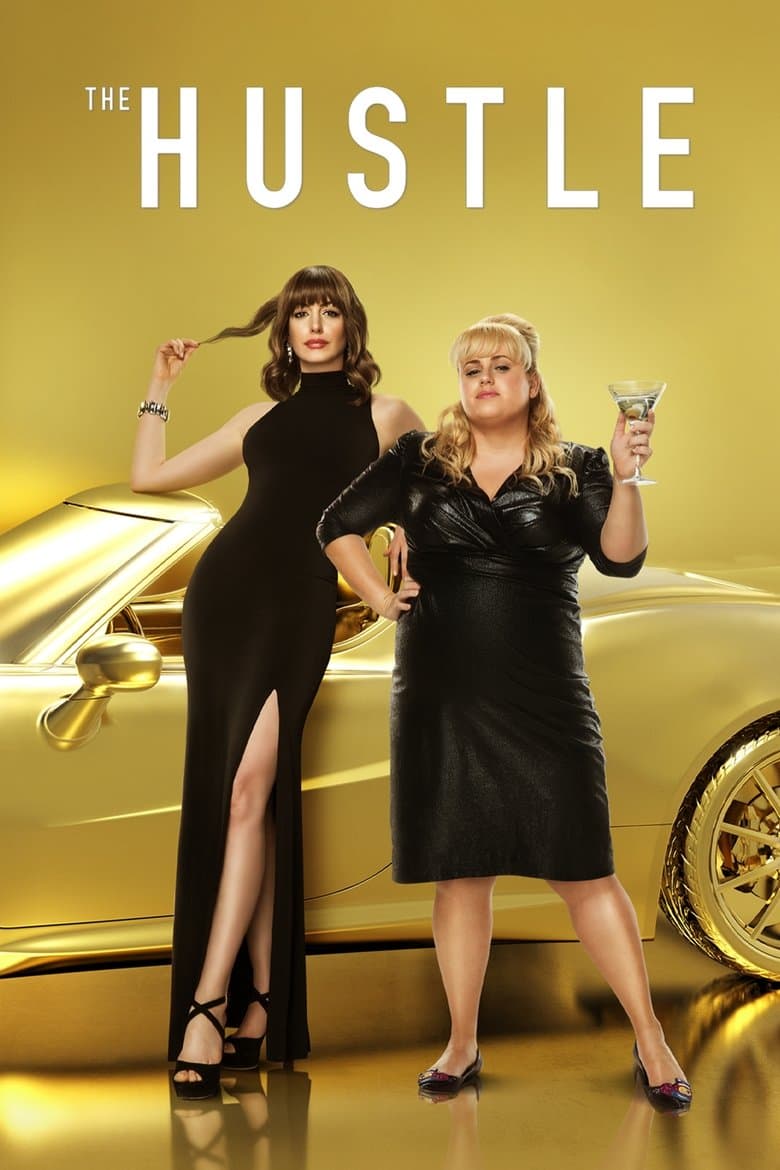
The Hustle follows Penny Rust and Josephine Chesterfield, two skilled scam artists who work in very different ways. Penny is a loud, small-time Australian scam artist, while Josephine is a polished British scam artist who targets rich men. They meet on the French Riviera and compete to trick Thomas, a young tech millionaire, out of a large sum of money. Their rivalry turns into a partnership, but Thomas later reveals that he has been running a con of his own. The movie uses bright locations, sexual jokes, slapstick, and a light crime-comedy tone.
The film makes female empowerment a clear part of this contest. Josephine says men often assume women are less smart, and Penny says her scams grew from being rejected because of her looks. The women use those ideas to excuse cheating men and to present their confidence as a form of payback. The story also includes jokes about a lesbian town, a man with a boyfriend, and hints that Brigitte may love Josephine, but the film does not make any of this the main story. These points are easy to notice, yet the movie remains mainly a broad remake about scams, rivalry, and money.
Community feedback
Was our 73% Woke rating accurate?
Breakdown
These are the editorial factors and ratings behind our score for The Hustle.
Woke representation / casting
The film puts two women in the two central con-artist roles that were male in Dirty Rotten Scoundrels. The trailer and interviews present the choice as a female-centered update and as women taking roles usually played by men. The main cast does not show a strong race-based or “one of each” pattern. Brigitte also serves as a visible woman police inspector, so the gender message reaches beyond the two leads.
43%
Woke political dialogue
Josephine says men believe they are saving women and that no man will think a woman is smarter than him. Penny answers that women are used to faking it and can use male assumptions to run better cons. The story treats many male targets as dirty and rotten while presenting the scams as payback. The lines arrive as jokes in a crime comedy, not as a long speech about parties or laws.
40%
Identity-driven story themes
The film makes female empowerment a clear part of its setup. Josephine says women can turn male assumptions against men, and Penny says her scams grew from being rejected because she did not fit a beauty ideal. The two women join forces and end as a team after competing over a male target. The film also includes a lesbian community joke, a man with a boyfriend, and hints that Brigitte may love Josephine, but these moments stay brief.
54%
Western institutional / cultural critique
The plot repeatedly presents men as sexist, vain, or eager to control women, and the women use those flaws to justify scams. Early scenes mock men who want women to become passive wives or dependents. The film turns that idea into comedy and targets individuals, not government, religion, capitalism, or Western institutions. The result is a mild modern activist critique rather than a broad attack on society.
35%
Woke character or canon changes
The film changes the two male con artists in Bedtime Story and Dirty Rotten Scoundrels into women. The trailer, working title Nasty Women, and star interviews tie the change to female empowerment and women getting back at men. The new plot makes male underestimation the main tool used by the women. The movie keeps much of the old con-comedy structure, so the identity-driven change is major but does not replace the whole story.
58%
Anti-woke backlash and complaints
Some public reviews and social posts called the gender swap forced feminism or a sign of “woke” filmmaking. Other posts said the film hated men and treated male targets as deserving of abuse, while another used “get woke, go broke” language. A right-leaning article attacked the stars’ wage-gap explanation for why female con artists are better. The backlash was scattered, and most wider criticism focused on weak jokes and a poor remake.
31%
Creator track record context
Jac Schaeffer has a cached 63/100 score for a record of representation-focused work. Rebel Wilson and Theo Park each have cached 50/100 scores for representation-related signals, while Chris Addison has a cached 40/100 score for general political satire. The other writers, producer Roger Birnbaum, and casting director Andres Villasenor have low cached scores. The mixed record supports a moderate context score rather than a dominant one.
43%
Production
Movie · 2018
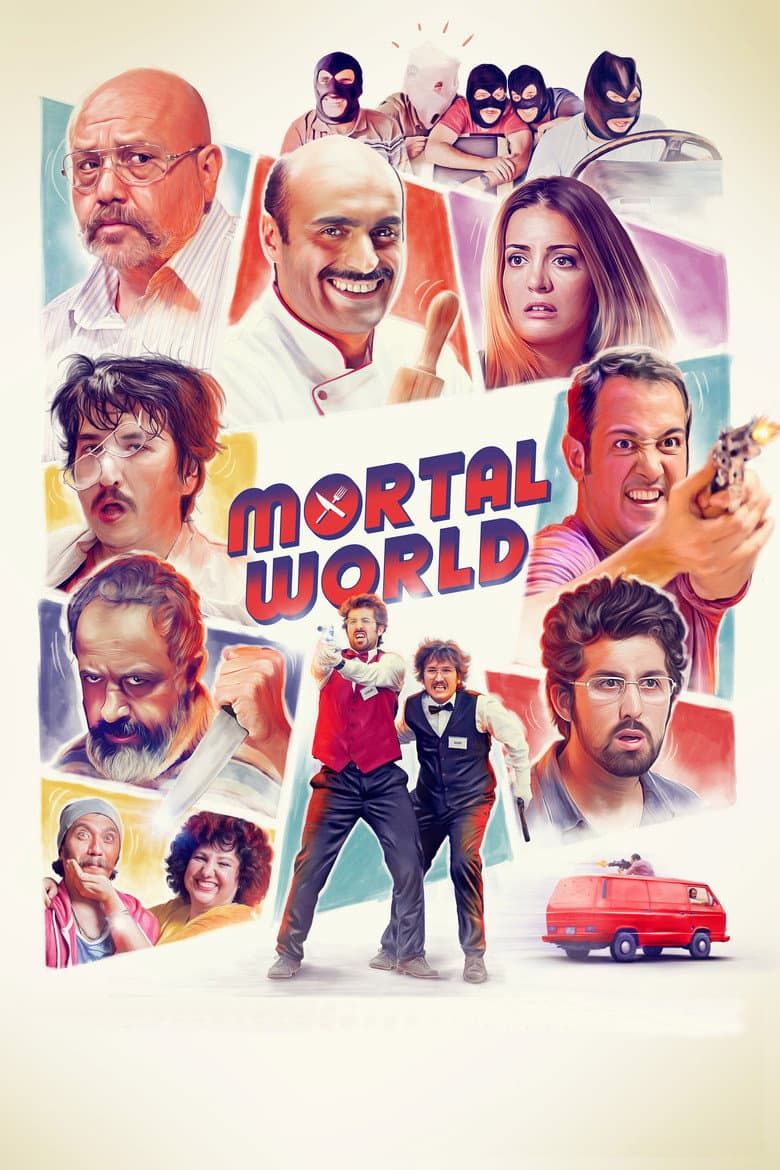
Mermer family, who has been managing a restaurant called “Anatolian flavors” in Haydarpasa train station for generations, consist of 8 members.
Movie · 2021
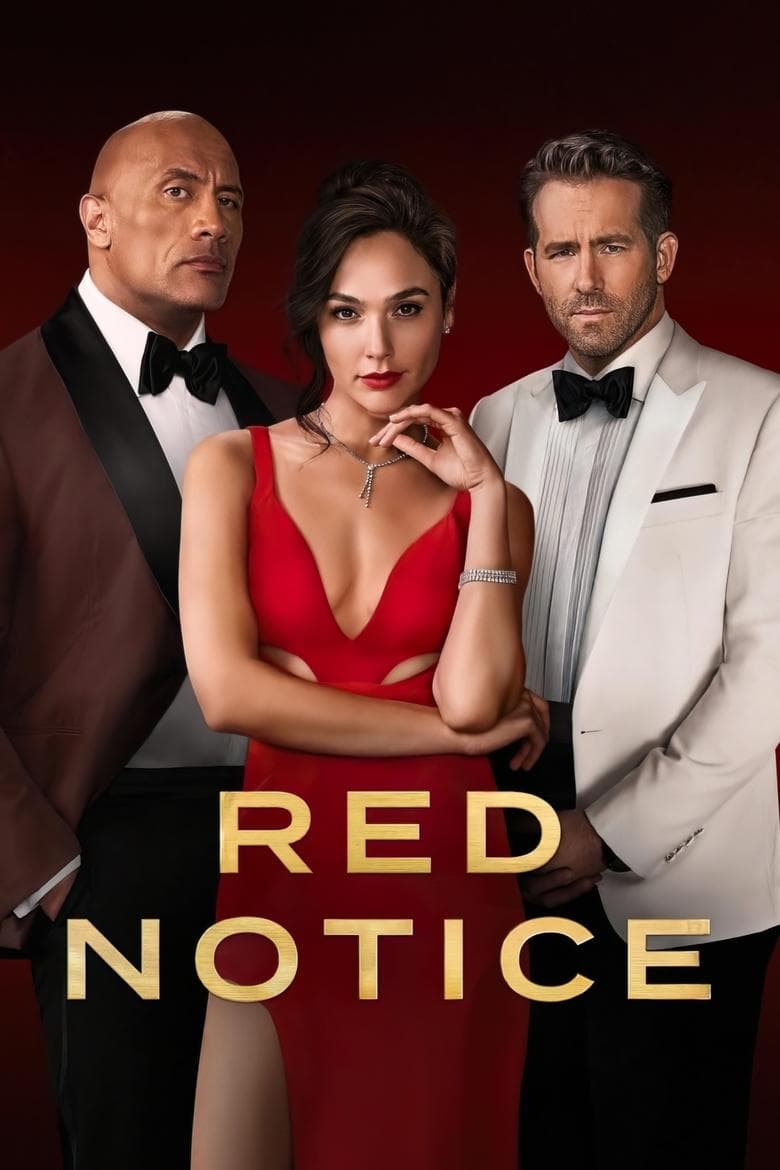
An Interpol-issued Red Notice is a global alert to hunt and capture the world's most wanted. But when a daring heist brings together the FBI's top profiler and two rival…

Movie · 2019
Istanbul Police Department homicide detectives encounter a murder nothing like they’ve seen before.Commissioners Emin, Salih, Asuman and deputy Alaattin begin investigating.But…
Movie · 2017
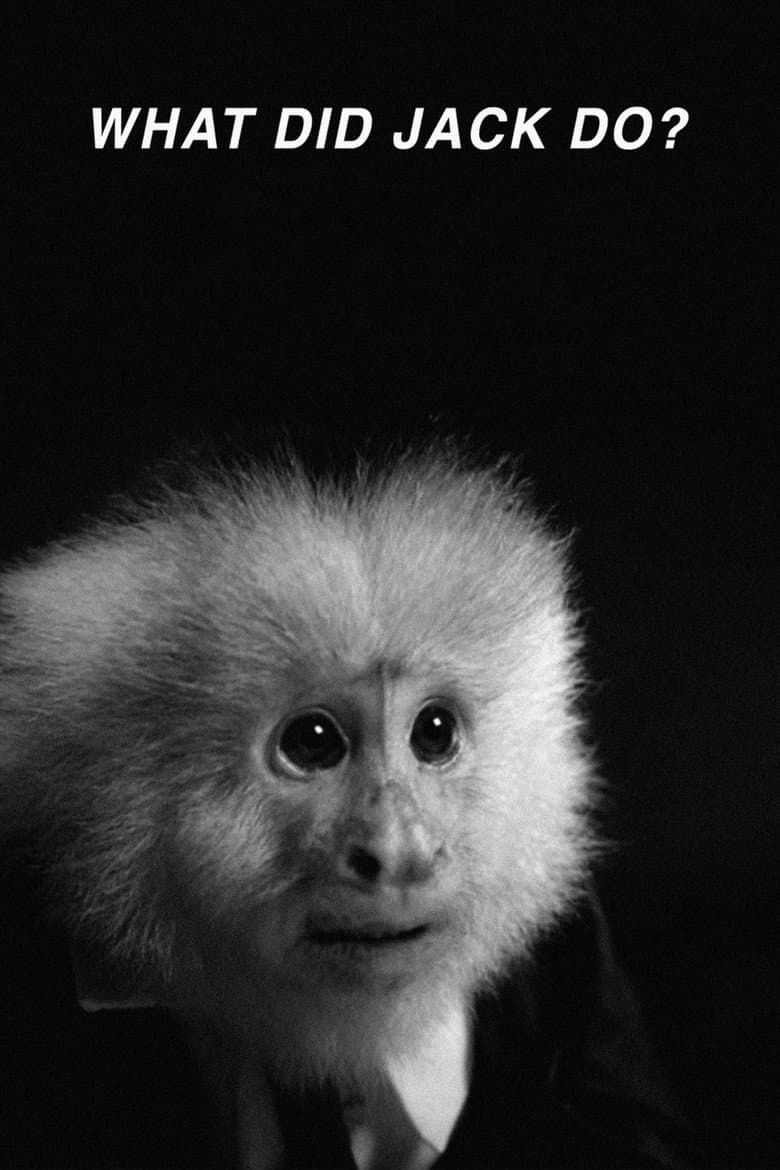
In a locked down train station, a homicide detective conducts an interview with a tormented monkey who is suspected of murder.
Movie · 2022
The Accident Man is back, and this time he must best the top assassins in the world to protect the ungrateful son of a mafia boss, save the life of his only friend and rekindle…
Movie · 2024
Stuck at a dead end but vying for the love of spunky club manager Anata, aging contract killer Danny Dolinski is thrilled when The Company pulls him back in the field, but only to…

Movie · 2018
Max and Annie's weekly game night gets kicked up a notch when Max's brother Brooks arranges a murder mystery party -- complete with fake thugs and federal agents.

Movie · 2018
When an international border dispute arises between the U.S. and Canada, the Super Troopers- Mac, Thorny, Foster, Rabbit and Farva, are called in to set up a new Highway Patrol…
