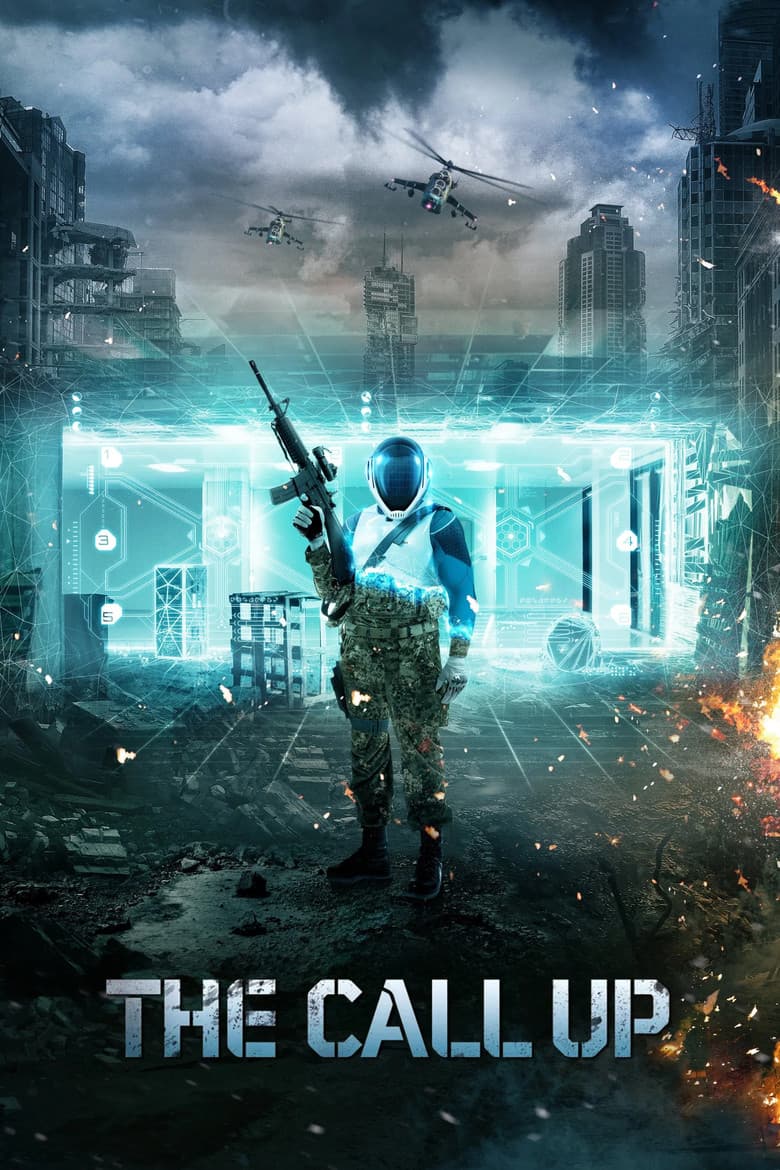
The Call Up follows Carl and seven other elite online gamers who enter a high-tech office building for a paid virtual reality test. The helmets turn the empty floors into a war zone filled with armed enemies, and every wound feels real. The players learn that death inside the game can kill them outside it, so they must fight downward while a bomb timer runs. The film has a cold, tense action tone, with a simple science fiction idea at its center.
The main team has two women. The team also has a black ex-soldier and a Bosnian gamer in visible roles. Shelly becomes the last survivor, while Taylor moves from a frightened replacement player to someone who can fight alone. Marco uses sexist insults, admits he hit his ex-wife, and kills Taylor for a medical pack. The story also questions the military industrial complex and remote warfare, but those ideas support the violent survival plot instead of taking over the film.
Community feedback
Was our 37% Woke rating accurate?
Breakdown
These are the editorial factors and ratings behind our score for The Call Up.
Woke representation / casting
The main team includes two women, a black ex-soldier, and a Bosnian gamer in visible player roles. The mix gives the film a clear diversity signal, but it fits a modern city gamer group and the film does not sell it as an identity campaign. Zahid’s background also connects to the plot because he objects to the terrorist label on his gear.
16%
Woke political dialogue
The dialogue calls the experiment the military industrial complex. The players also ask whether the game is remote warfare or a massacre at the touch of a button. The scene gives the movie a brief anti-war and anti-private-sector edge, but the film does not return to a long political speech.
28%
Identity-driven story themes
Marco uses sexist insults, admits that he hit his ex-wife, and kills Taylor for a medical pack. Taylor moves from a frightened replacement player to someone who kills an attacker alone. Shelly rejects Edward’s money and kills him after he treats the deaths as a business gain. The story places women above the macho men in courage and moral judgment, but the main plot remains a violent VR thriller.
42%
Western institutional / cultural critique
The players call the setup remote warfare and a massacre at the touch of a button. The private organizer uses a deadly game to turn human lives into money and entertainment. The ending shows Edward trusting wealth and threats to silence Shelly. These scenes give a brief critique of private power and modern war, but the film does not attack Western culture, religion, family life, or capitalism as a whole.
27%
Woke character or canon changes
Not relevant. The film is an original story about gamers and a deadly VR test. It does not change an established character, book, game, or historical figure.
0%
Anti-woke backlash and complaints
Not present. No anti-woke backlash was found. Critics and viewers mainly complained about weak characters, dull action, and a confusing ending. The X research pass found no anti-woke complaints, defenses, boycotts, or review-bombing.
0%
Creator track record context
Charles Barker’s cached score is 0, and his interviews focus on games, military technology, and body horror. John Giwa-Amu has the strongest cached context because of public inclusion comments, while the other listed crew have low cached scores. The creative record gives a mild supporting signal, but it does not show a strong activist pattern.
14%
Production
Movie · 2016
Following the events of Age of Ultron, the collective governments of the world pass an act designed to regulate all superhuman activity.
Movie · 2023
Until now, the Justice League has been a loose association of superpowered individuals. But when they are swept away to Warworld, a place of unending brutal gladiatorial combat…
Movie · 2024
Several generations following Caesar's reign, apes – now the dominant species – live harmoniously while humans have been reduced to living in the shadows.
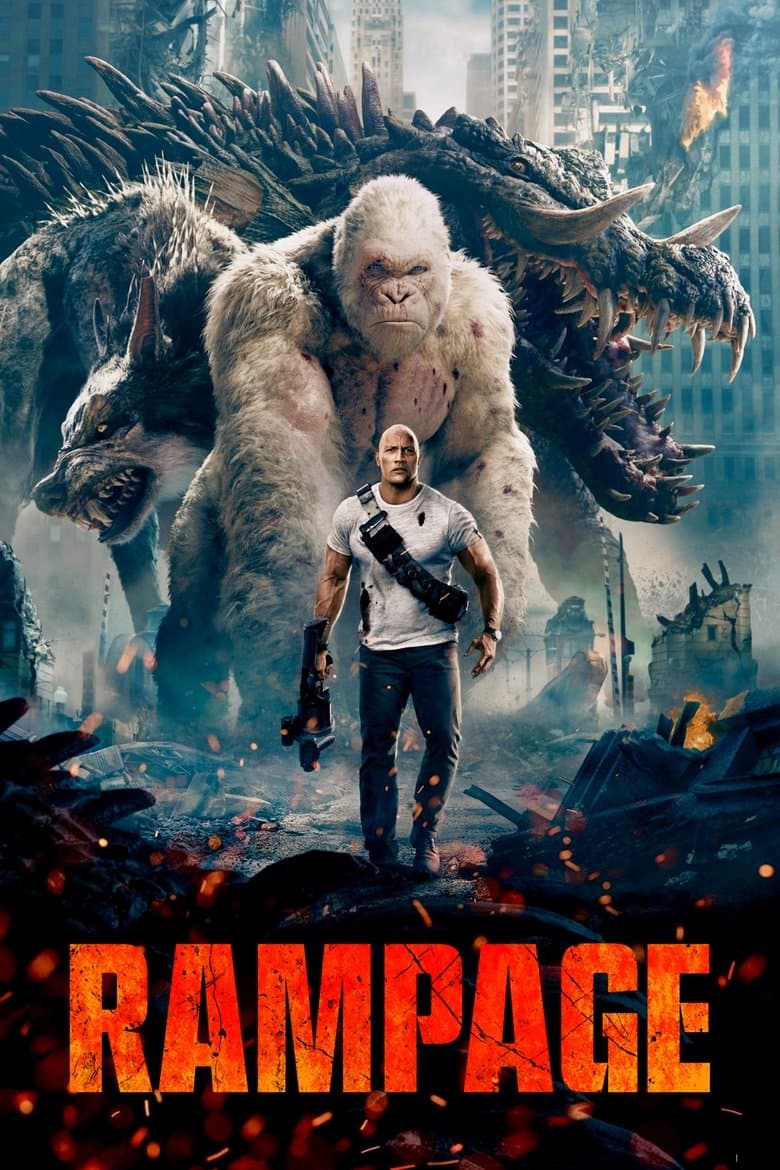
Movie · 2018
Primatologist Davis Okoye shares an unshakable bond with George, the extraordinarily intelligent, silverback gorilla who has been in his care since birth.
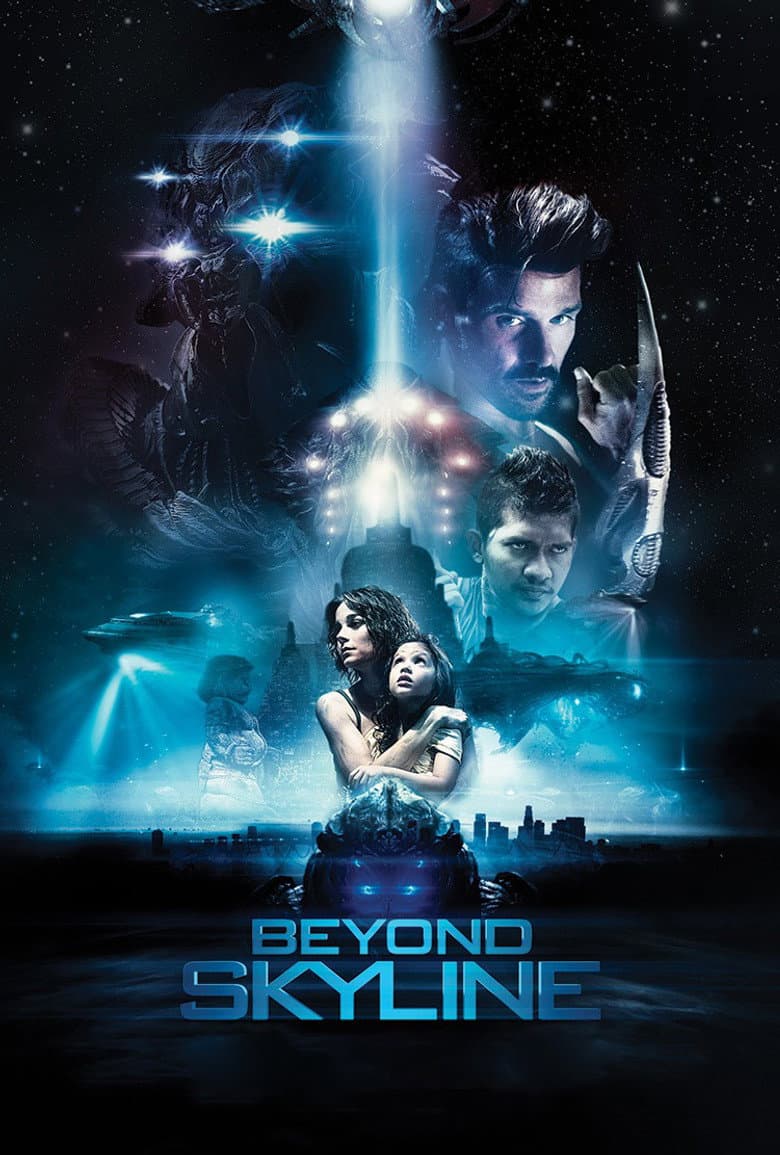
Movie · 2017
Detective Mark Corley storms his way onto an alien spaceship to rescue his estranged son. When the ship crashes in Southeast Asia, he forges an alliance with a band of survivors…
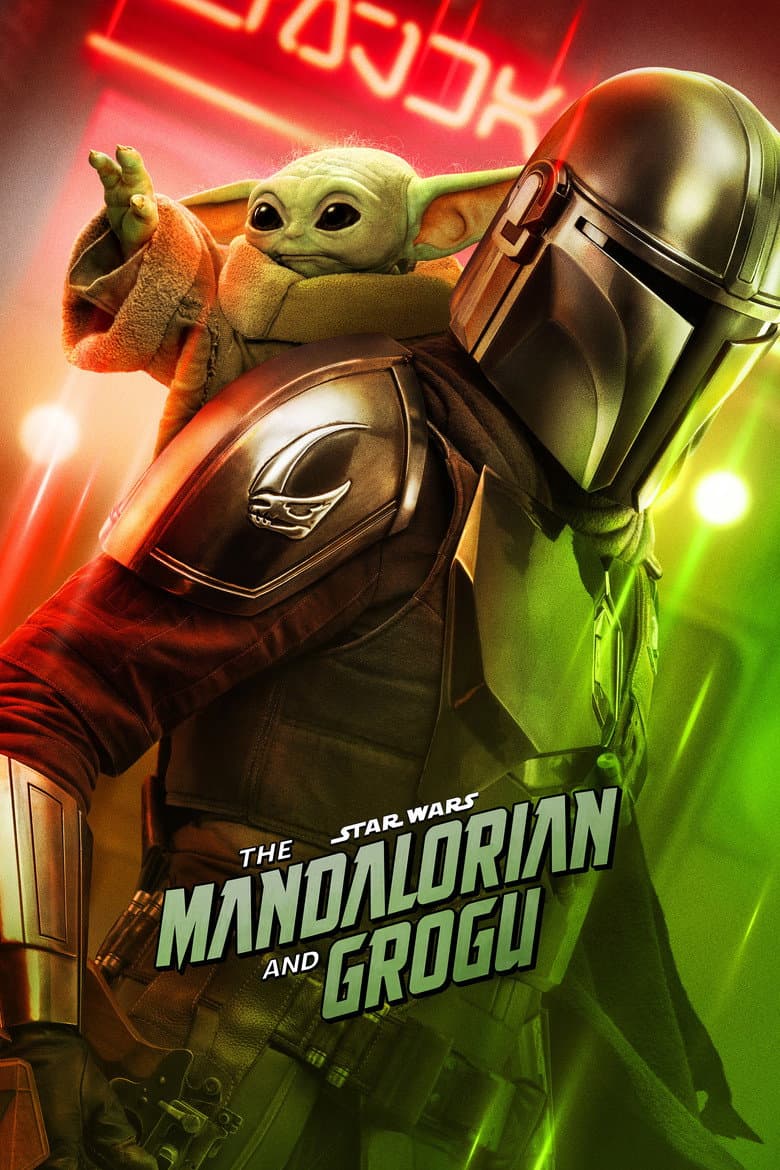
Movie · 2026
The evil Empire has fallen, and Imperial warlords remain scattered throughout the galaxy. As the fledgling New Republic works to protect everything the Rebellion fought for, they…
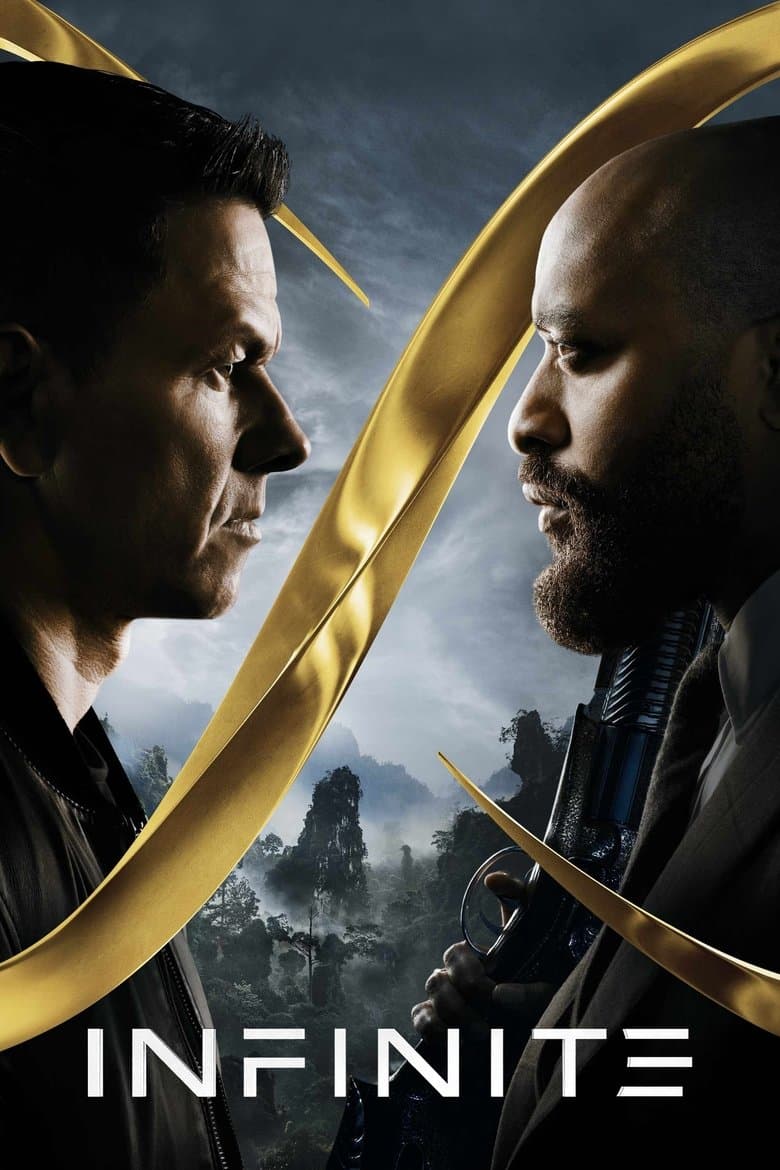
Movie · 2021
Evan McCauley has skills he never learned and memories of places he has never visited. Self-medicated and on the brink of a mental breakdown, a secret group that call themselves…
Movie · 2021
In a time when monsters walk the Earth, humanity’s fight for its future sets Godzilla and Kong on a collision course that will see the two most powerful forces of nature on the…
