Movie review
October 10, 2019 · 87 min · PG · Kids · Fantasy · Animation · Comedy · Family
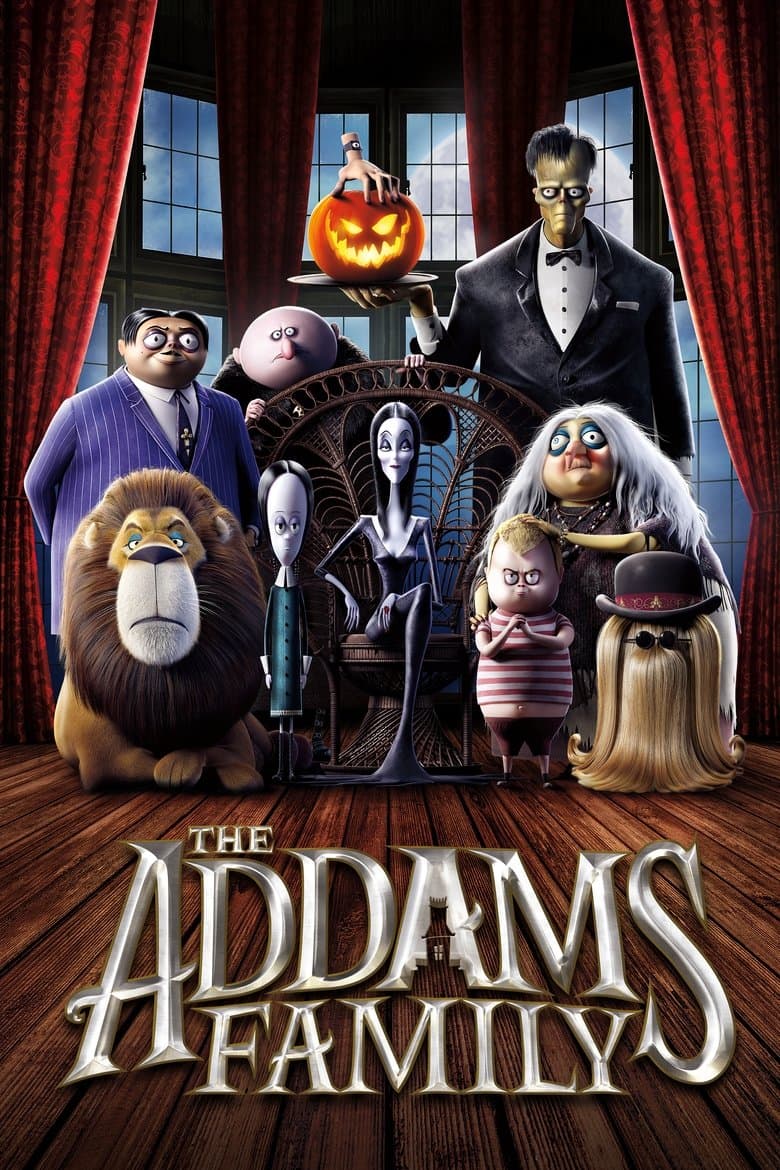
Gomez and Morticia Addams live with their children, Wednesday and Pugsley, in a gloomy house above a New Jersey town. The family enjoys strange jokes, dangerous games, and a close bond while Pugsley prepares for an old sword ceremony. Their quiet life breaks apart when Margaux Needler, a reality TV host, builds a bright planned community called Assimilation below the hill. Margaux wants the Addams house gone because it hurts her sales and her perfect image. The movie mixes spooky cartoon humor with family adventure and a warm ending.
The film makes acceptance of outsiders its main message. Margaux's town sings that people are happier when they act alike, while Margaux spreads rumors and uses hidden cameras to control her neighbors. Wednesday and Parker rebel against their mothers by changing their clothes, and the film presents that choice as a step toward self-expression. The opening gives Gomez and Morticia an immigrant backstory, which makes the family's fight for a home part of the message. The ending says that strange people and ordinary neighbors can live together without forcing everyone to be the same.
Community feedback
Was our 47% Woke rating accurate?
Breakdown
These are the editorial factors and ratings behind our score for The Addams Family.
Woke representation / casting
The film shows a visibly mixed modern New Jersey town, and Oscar Isaac voices Gomez. The movie gives Gomez and Morticia an immigrant backstory, so the casting fits the story instead of looking like a forced swap. The mixed town and immigrant framing create a mild representation signal. The movie does not make casting a major part of its message.
12%
Woke political dialogue
The town's children sing that life is better when everyone is alike. Margaux says it is her calling to make everyone the same. Wednesday later says people should not be judged because they are different. The dialogue is clear and repeated, but it stays at a broad “be yourself” level and names no party or current policy.
23%
Identity-driven story themes
The story makes its main conflict about an outsider family being chased away and a planned community that wants everyone to conform. Wednesday and Parker become friends by changing their looks and rejecting pressure from their mothers. The ending asks neighbors to accept people outside their normal idea of family. The film treats diversity, self-acceptance, and resistance to assimilation as positive lessons.
43%
Western institutional / cultural critique
The film presents Margaux's planned community as bright, fake, and controlling. Margaux uses a TV show, social media rumors, and hidden cameras to make neighbors follow her idea of normal life. The story also challenges an old family ceremony when Gomez lets Pugsley use his own skill instead of copying tradition. The criticism targets conformity, media power, and consumer culture more than Christianity, men, or capitalism.
27%
Woke character or canon changes
The film gives Gomez and Morticia a new origin in which an angry mob drives them from the old country to America. The family then becomes an immigrant family seeking a safe home in New Jersey. This identity-based origin shapes the main conflict with the planned town. The film still keeps the familiar family members and dark comic style, so the change is limited.
26%
Anti-woke backlash and complaints
A Christian review called the movie's acceptance and diversity message political messaging. One mid-reach X post complained that the Addamses became unfairly persecuted outcasts with a pro-tolerance and diversity message. The separate X pass found no boycott, review-bombing, or repeated race, gender, or LGBT complaint. The available backlash is fringe rather than a large public fight.
16%
Creator track record context
Most of the key writers, the director, and the casting staff have little public activist history. Erica Rivinoja has a representation-first record, while producers Charlize Theron, Pilar Flynn, and Aaron L. Gilbert have public work tied to feminism, diversity, or inclusion. This gives the movie moderate creator track record context for its acceptance and immigrant framing. The team as a whole does not have a uniformly activist profile.
30%
Production
Movie · 2021
The Addams get tangled up in more wacky adventures and find themselves involved in hilarious run-ins with all sorts of unsuspecting characters.
Movie · 2016
After the monstrous Bergens invade Troll Village, Princess Poppy, the happiest Troll ever born, and overly-cautious, curmudgeonly outcast Branch set off on a journey to rescue her…
Movie · 2025
Desperate to be a big guy, SpongeBob sets out to prove his bravery to Mr. Krabs by following The Flying Dutchman – a mysterious swashbuckling ghost pirate – on a seafaring…
Movie · 2021
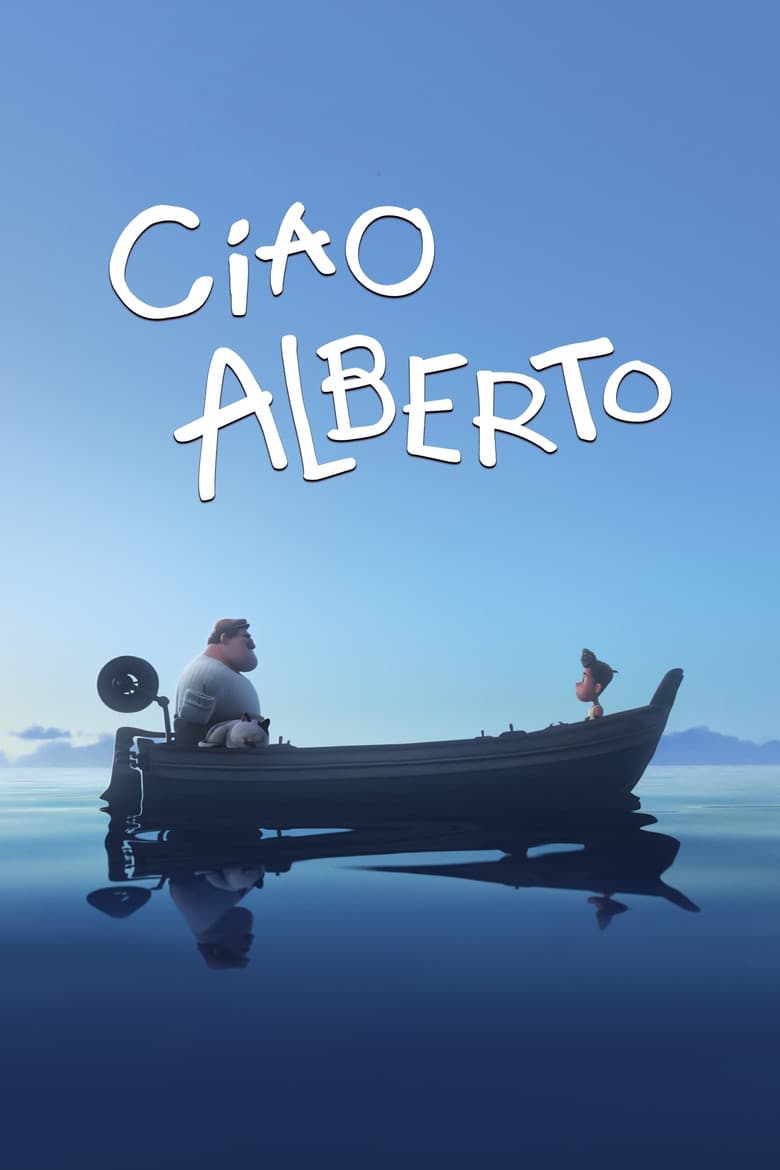
With his best friend Luca away at school, Alberto is enjoying his new life in Portorosso working alongside Massimo—the imposing, tattooed, one-armed fisherman of few words—who's…
Movie · 2018
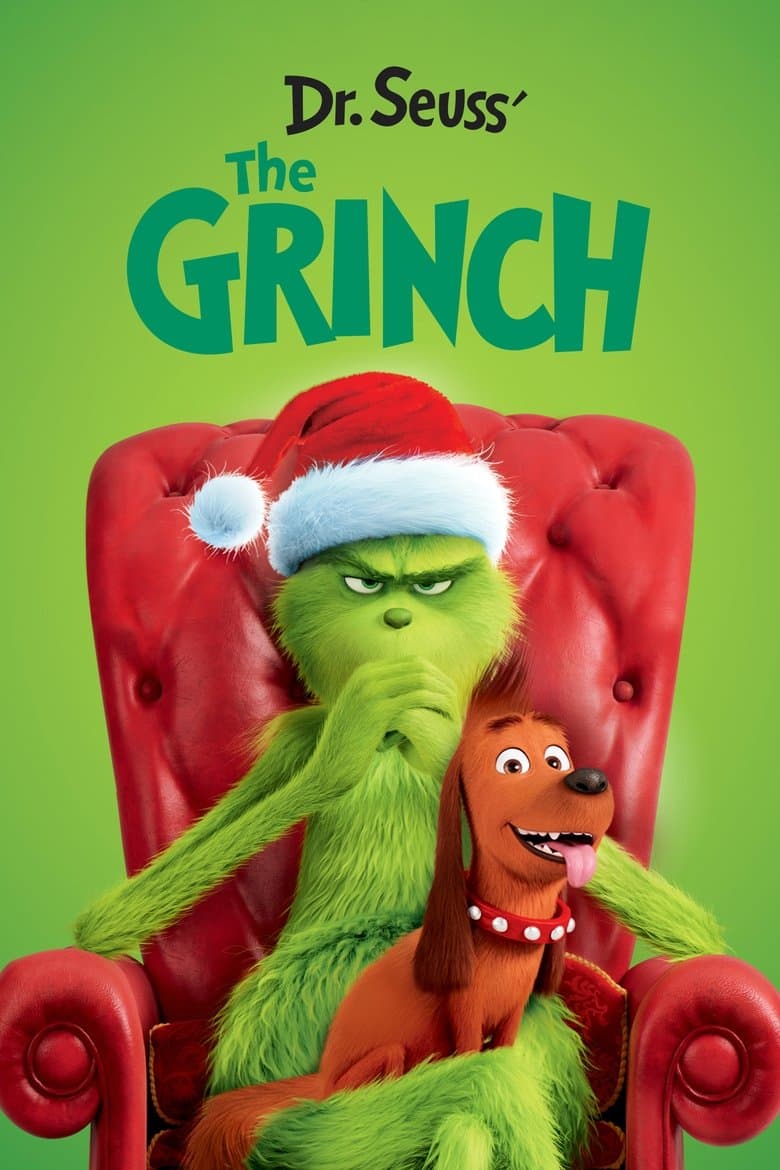
The Grinch hatches a scheme to ruin Christmas when the residents of Whoville plan their annual holiday celebration.
Movie · 2017
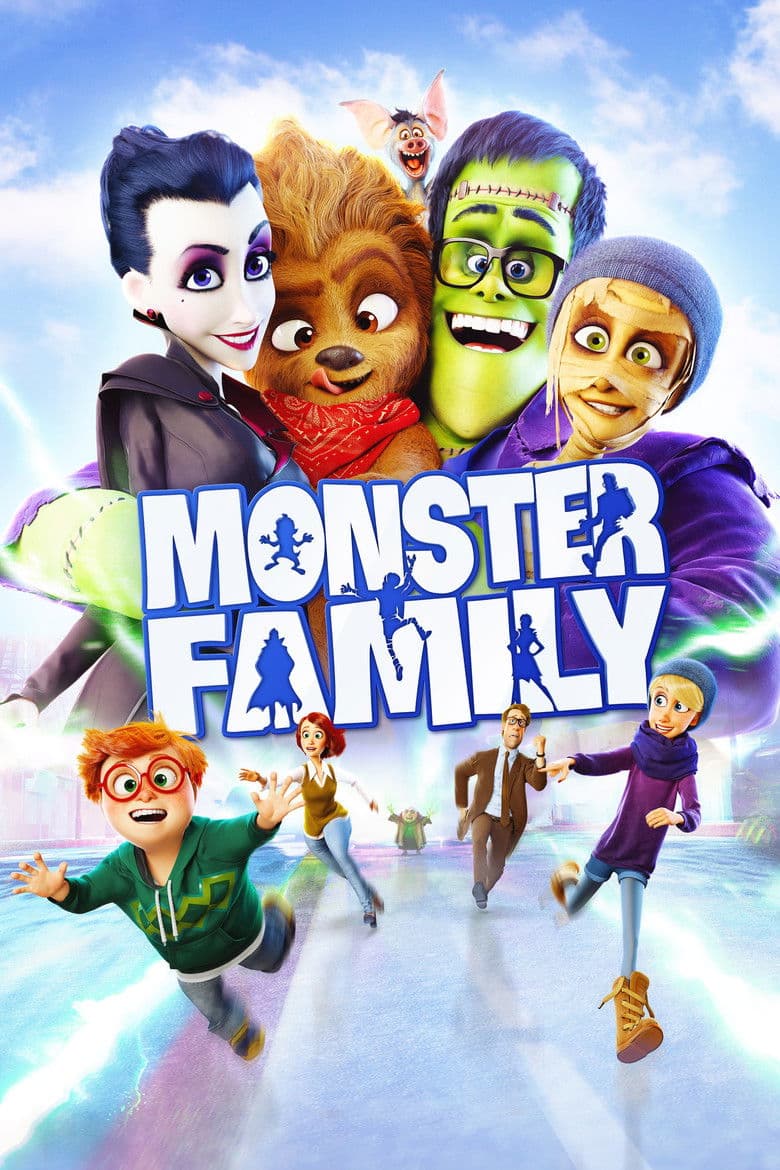
The Wishbone family are far from happy. In an attempt to reconnect as a family, they plan a fun night out. However, the plan backfires when they are cursed and all turned into…
Movie · 2022
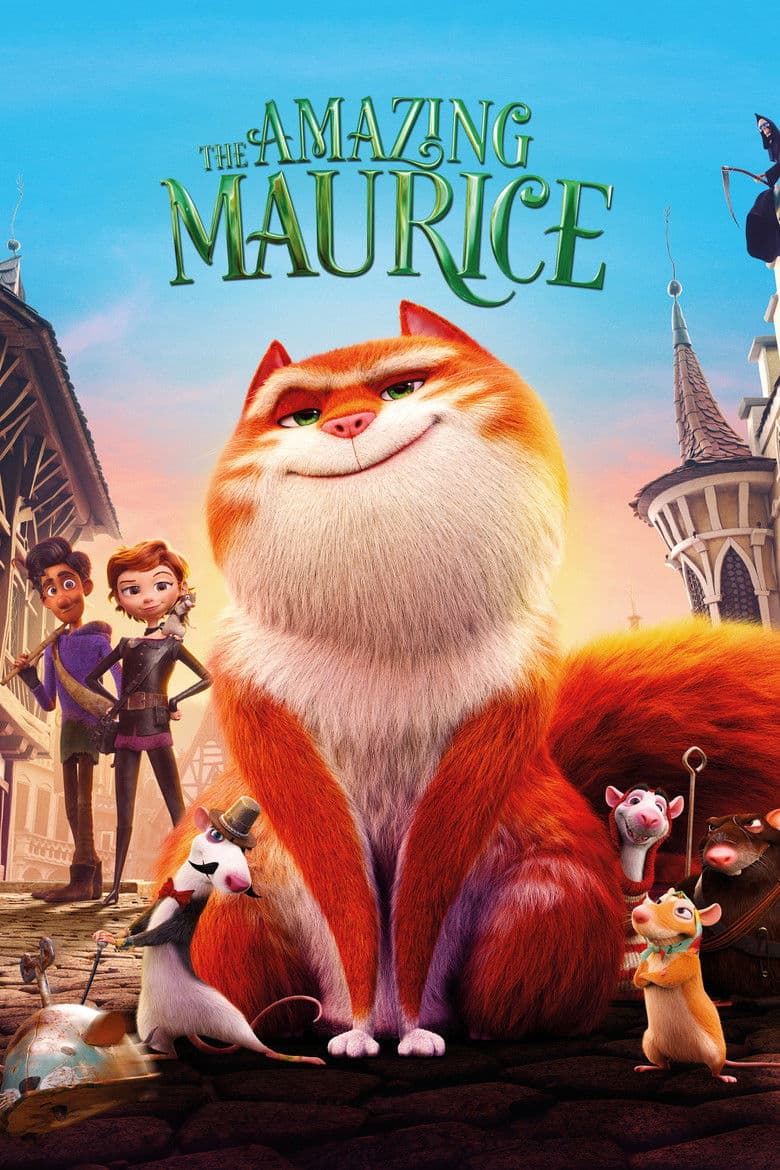
Maurice is a streetwise ginger cat who comes up with a money-making scam by befriending a group of self-taught talking rats.
Movie · 2026
A small goat with big dreams gets a once-in-a-lifetime shot to join the pros and play roarball, a high-intensity, co-ed, full-contact sport dominated by the fastest, fiercest…
