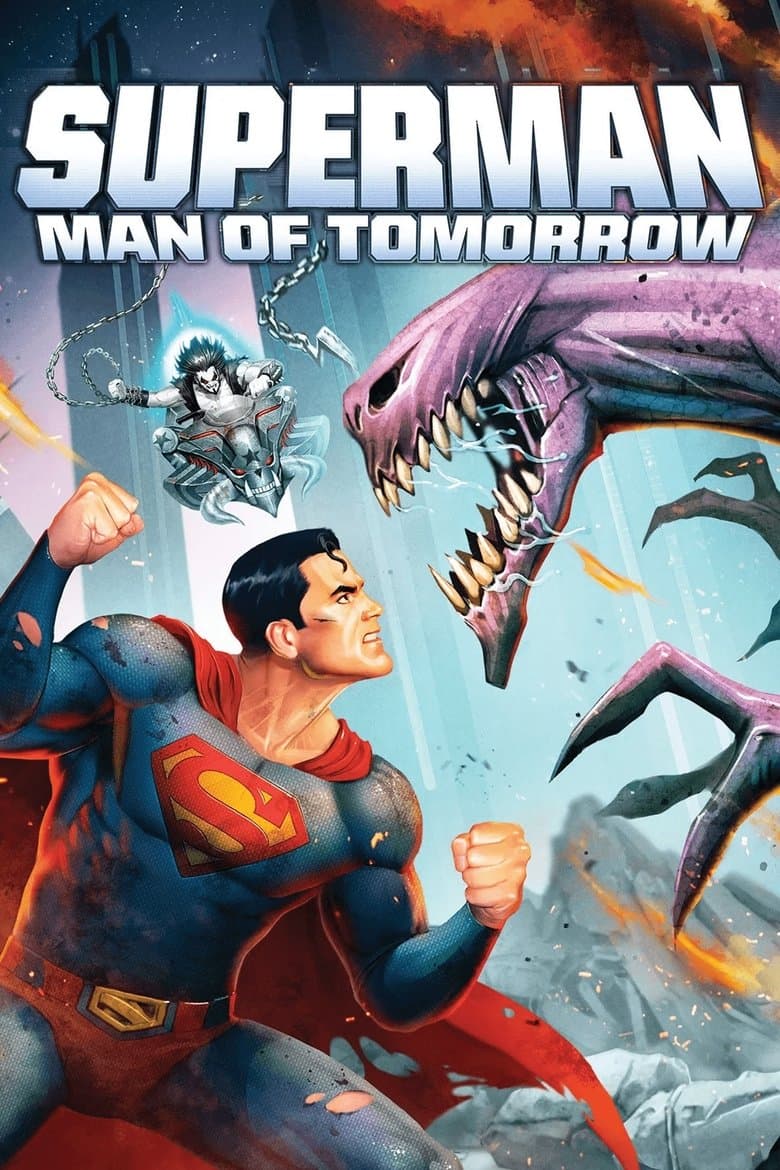
Superman: Man of Tomorrow follows Clark Kent during his first year in Metropolis. Clark works as a Daily Planet intern while he hides his Kryptonian powers and learns what kind of hero he wants to be. Lois Lane investigates Lex Luthor, while the alien bounty hunter Lobo arrives and helps create the deadly Parasite. The movie has a bright, fast superhero tone, but it also gives Clark a serious struggle about trust, fear, and his place on Earth.
The main woke element is the movie’s repeated focus on aliens as outsiders who face fear and rejection. J’onn J’onzz warns that humans have often feared outsiders, and Clark worries that people or the government will punish him if they learn the truth. Clark later reveals his identity and asks people to judge him by the help he gives, not by where he came from. This message shapes Clark’s choice to become Superman, but the movie presents it through a short science-fiction hero story rather than a detailed current political debate.
Community feedback
Was our 37% Woke rating accurate?
Breakdown
These are the editorial factors and ratings behind our score for Superman: Man of Tomorrow.
Woke representation / casting
Not present. The film has a mixed voice cast, but it does not make race, gender, or diversity a story point. The main roles follow familiar character designs, and Metropolis is shown as a modern city with different kinds of people.
0%
Woke political dialogue
The movie includes a clear discussion of fear of aliens and public trust. J’onn warns that humanity has a history of xenophobia, and Clark worries that the government could lock him up because he is different. Clark later speaks to the public about judging him by his actions. These lines return in a few key scenes but do not fill most of the movie.
34%
Identity-driven story themes
The movie makes Clark’s alien identity and fear of rejection a main emotional problem. J’onn hides his Martian identity and tells Clark that humans may fear beings like them. Clark must choose between staying hidden and telling the world who he is. The ending supports judging an outsider by his actions, so the message shapes Clark’s rise as Superman.
37%
Western institutional / cultural critique
Not present. Lex’s corruption and the danger posed by the government are plot problems, not a broad attack on Western institutions. The movie does not mock Christianity, family life, or traditional social roles.
0%
Woke character or canon changes
Not relevant. The movie uses a new origin setup and changes Parasite’s backstory, but those changes are plot and family details. It does not make a race, gender, sexuality, or hero-role swap to an established character.
0%
Anti-woke backlash and complaints
One Google Play review reports that some viewers called the movie “woke leftist garbage,” but the reviewer rejects that claim. Some Reddit viewers called the xenophobia and acceptance theme forced or disconnected from the plot. Other viewers said the prejudice theme fit Superman’s alien story. The complaint volume was small, mixed, and absent on X, so the backlash score stays low.
13%
Creator track record context
Cached context gives Tim Sheridan, a credited writer, a high 69/100 score because of his LGBTQ+ advocacy and queer-focused comic work. His interview about this film also connects the story with immigration, xenophobia, and the feeling of being an outsider. Chris Palmer and the listed producers have low cached scores and no similar public record. The mixed team gives useful supporting context, but it does not make the whole film identity-centered.
38%
Production
Movie · 2024
Now fully revealed as the ultimate threat to existence, the Anti-Monitor wages an unrelenting attack on the surviving Earths that struggle for survival in a pocket universe.
Movie · 2022
After discovering he has powers, 11-year-old Jonathan Kent and assassin-turned-Boy-Wonder Damian Wayne must join forces to rescue their fathers (Superman & Batman) and save the…

Movie · 2018
Batman, along with many of his allies and adversaries, finds himself transported to feudal Japan by Gorilla Grodd's time displacement machine.
Movie · 2016
Robin is sent by Batman to work with the Teen Titans after his volatile behavior botches up a Justice League mission.
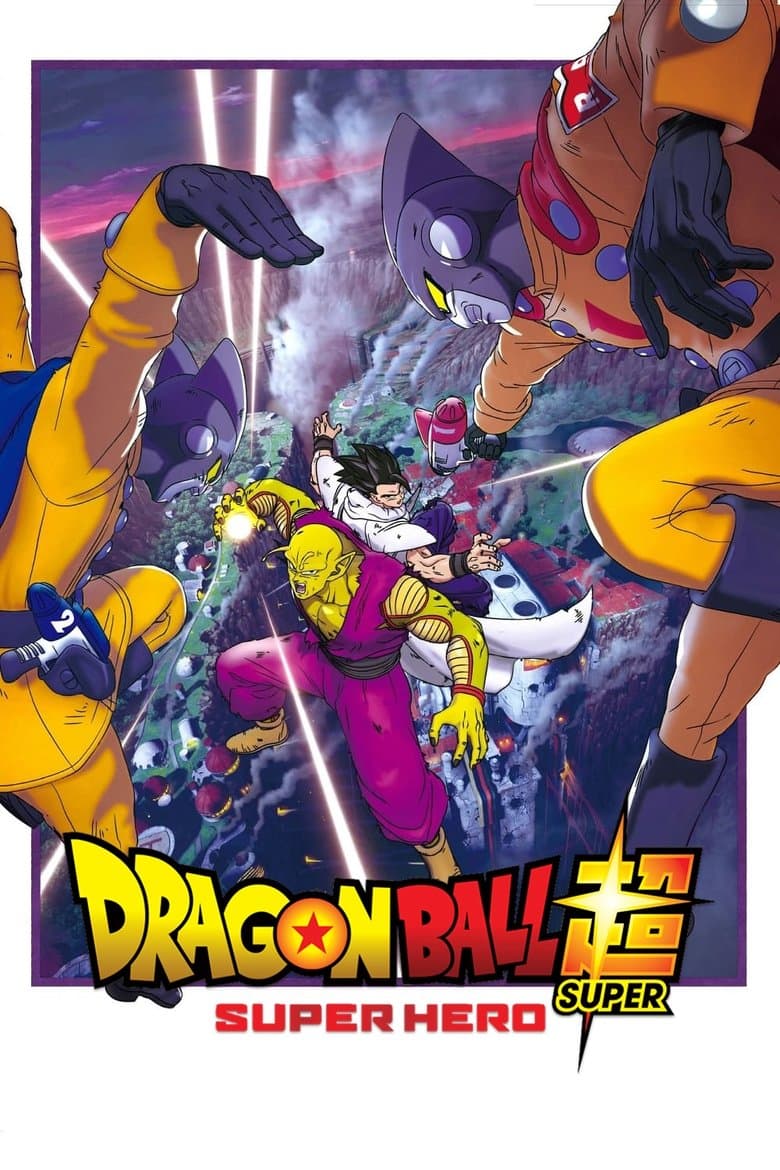
Movie · 2022
The Red Ribbon Army, an evil organization that was once destroyed by Goku in the past, has been reformed by a group of people who have created new and mightier Androids, Gamma 1…
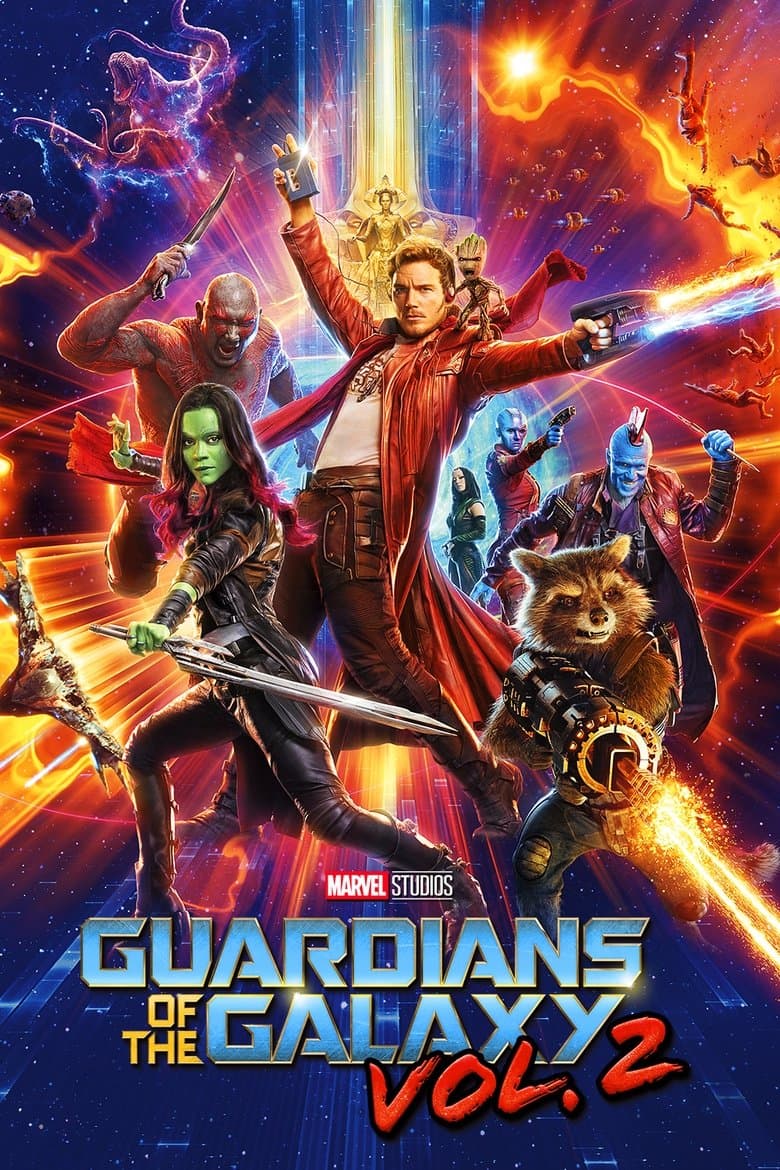
Movie · 2017
The Guardians must fight to keep their newfound family together as they unravel the mysteries of Peter Quill's true parentage.
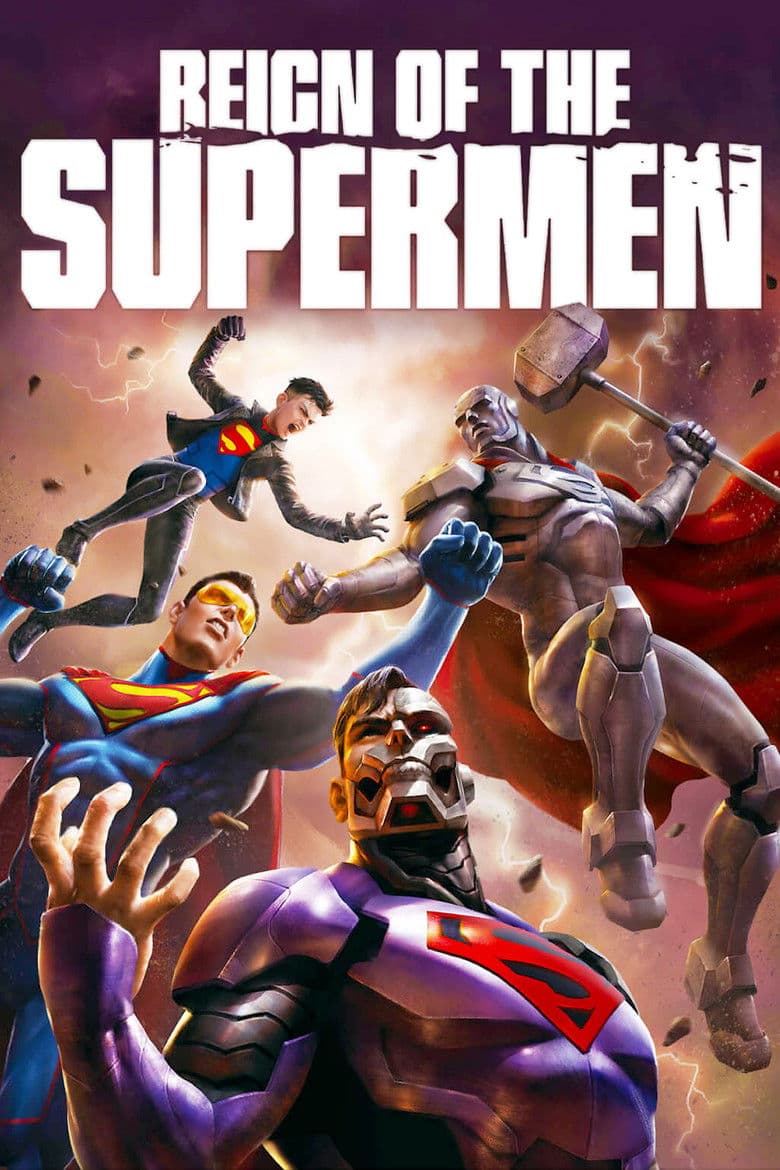
Movie · 2019
In the wake of The Death of Superman, the world is still mourning the loss of the Man of Steel following his fatal battle with the monster Doomsday.
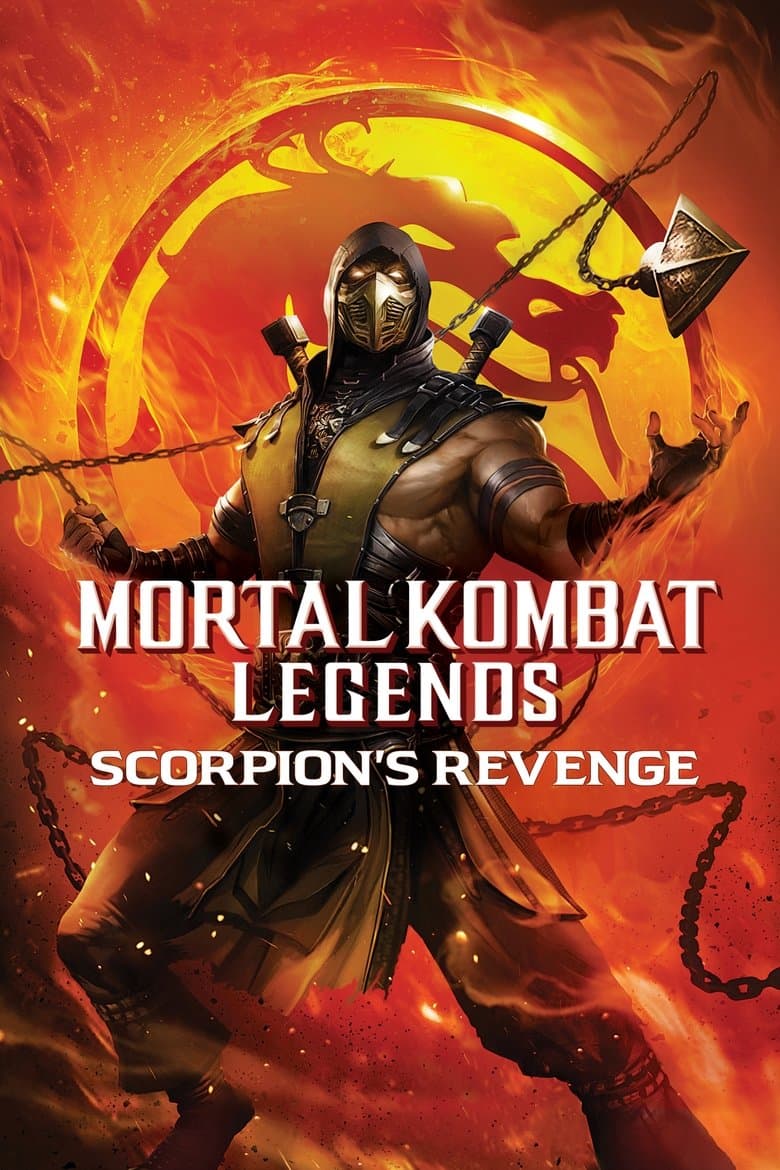
Movie · 2020
After the vicious slaughter of his family by stone-cold mercenary Sub-Zero, Hanzo Hasashi is exiled to the torturous Netherrealm.
