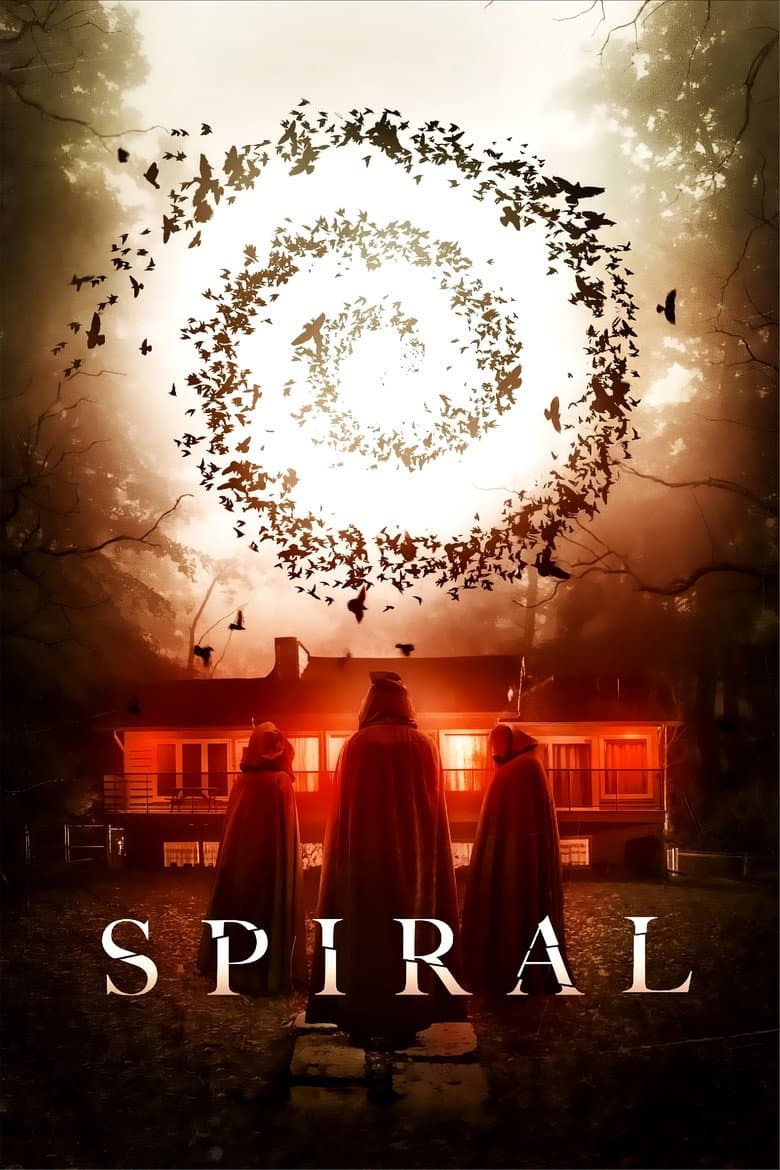
Spiral follows Malik, a black gay writer, who moves from Chicago to a quiet town with his white husband Aaron and Aaron’s teenage daughter Kayla. The family hopes for a safe home, but the neighbors’ warm welcome soon feels false. Malik sees strange signs, remembers a violent attack from his youth, and suspects that the town is watching his family. Aaron thinks Malik’s fear comes from old trauma, so the couple begins to break apart while the mystery grows. The film uses slow suspense, grim flashbacks, strange rituals, and a bleak ending.
The characters’ race and same-sex family shape the main conflict from the opening scene to the final reveal. The neighbors target gay families, and the story treats their fear of people who stand out as the engine of the horror. Malik tells Kayla that people who are different must hide to stay safe, then struggles with whether survival requires silence or pride. A radio speech attacks feminism and gay rights, while the closing scenes suggest that the same hate will be aimed at another minority family. The film makes identity politics central to its horror rather than using them as background details.
Community feedback
Was our 78% Woke rating accurate?
Breakdown
These are the editorial factors and ratings behind our score for Spiral.
Woke representation / casting
Spiral gives the central hero role to Malik, a black gay man, and pairs him with a white male husband in a small town where Malik is the only black person. The film also centers the couple’s daughter and an earlier lesbian couple in its backstory. The director said Malik was changed from an ethnicity-neutral script after Jeffrey Bowyer-Chapman suggested he be black. The writers called the interracial gay viewpoint a driving force.
60%
Woke political dialogue
Malik tells Kayla that people who stand out may need to hide to stay safe. A radio broadcast rejects radical feminism and gay rights. A late speech says each period finds a new group to fear. These ideas appear in several key scenes, but they do not fill most of the dialogue.
47%
Identity-driven story themes
Spiral makes a same-sex family the center of its horror story. The plot links the neighbors’ ritual to attacks on gay couples and to the town’s fear of people who seem different. Malik’s trauma, his fight with Aaron, and his talks with Kayla all turn on safety, hiding, pride, and trust. The final scene passes the warning to another minority family, showing that the cycle can move from one group to the next.
85%
Western institutional / cultural critique
The film presents a small town’s polite surface as cover for a culture that fears change and punishes outsiders. A radio speech attacks feminism, gay rights, and women in combat, and the story links that view to the neighbors’ violence. The horror also treats quiet conformity and the wish to seem normal as dangerous pressures. The film does not build its story around schools, churches, police, or capitalism, so this critique is important but narrower than the identity conflict.
48%
Woke character or canon changes
Not relevant. Spiral is a stand-alone story with no established characters or source material to change. Its earlier gay families are part of the film’s own plot.
0%
Anti-woke backlash and complaints
One German review discusses the film through the wider debate about woke culture and political correctness. A reader comment complains that gay people are shown only as victims, which directly objects to the film’s identity message. The comment is isolated, and the review itself says diverse casting can be normal. The separate X research found no anti-woke reaction.
9%
Creator track record context
The director has a repeated queer-horror context, and the cached record gives Kurtis David Harder a 57 score. Colin Minihan’s cached record notes repeated female-led and queer stories, while John Poliquin has little public activist history. The director and writers also describe this film as a story about identity, representation, and blaming outsiders. Most producers and the casting director are mainly genre or commercial workers without a strong activist profile.
38%
Production
Movie · 2020
A fur trapper leaves his wife and daughter behind to kill a rogue wolf in the remote wilderness, but they soon become increasingly worried when their peaceful existence is…
Movie · 2019
A rebellious teenage boy, struggling with his parents' imminent divorce, encounters a terrifying evil after his next-door neighbor becomes possessed by an ancient witch that…
Movie · 2016
In the town of Cutter, most people keep to themselves. But when John comes home to find his girlfriend missing, he sneaks into his neighbor's house, finding his girlfriend and…
Movie · 2019
Newcomer Evan joins a group of teens on a getaway in Joshua Tree. While exchanging ghost stories around the campfire, Evan reads aloud a mysterious chant from an internet site.
Movie · 2016
A group of archaeologists working in Northern Canada uncover a strange structure dating over ten thousand years before the present.
Movie · 2019
Karla, a young medical student, is trying to cure her brother, Blake, from a terminal sleep illness called Fatal Familial Insomnia, where you are unable to sleep until you die.
Movie · 2016
A young American woman takes a job as a nanny in a remote English village, soon discovering that the family's eight-year-old son is a life-sized doll that comes with a list of…
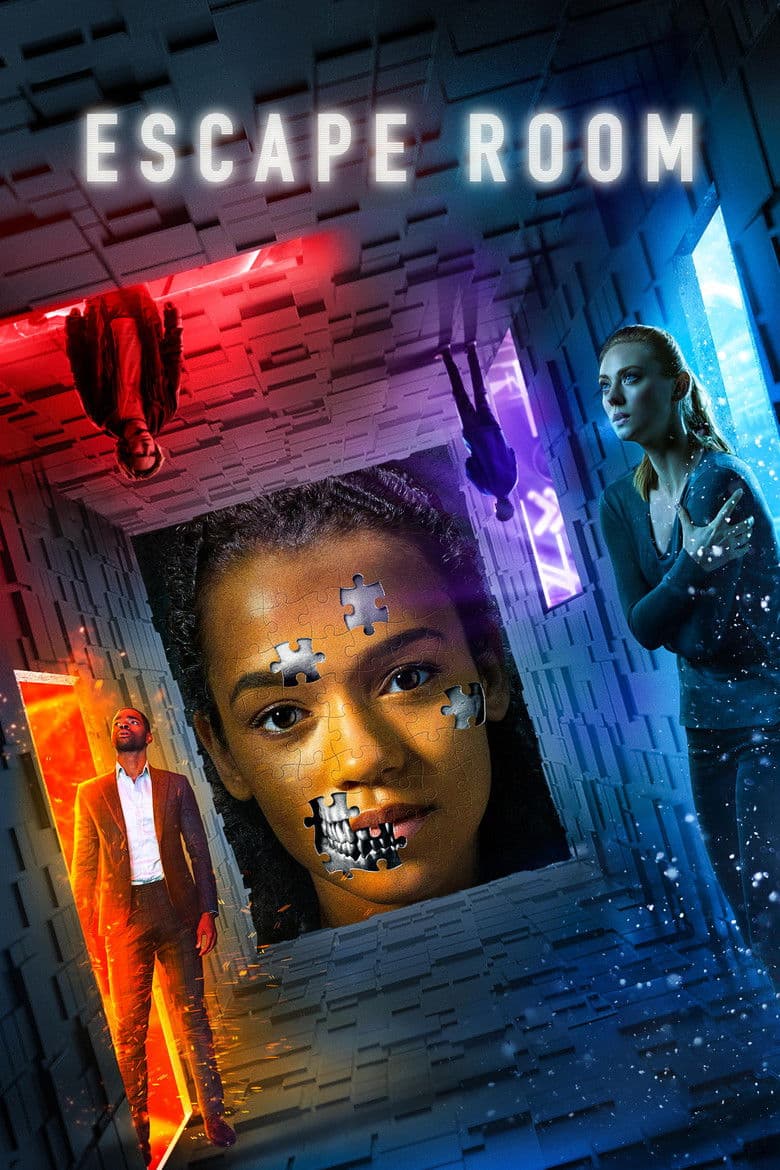
Movie · 2019
Six strangers find themselves in circumstances beyond their control, and must use their wits to survive.
