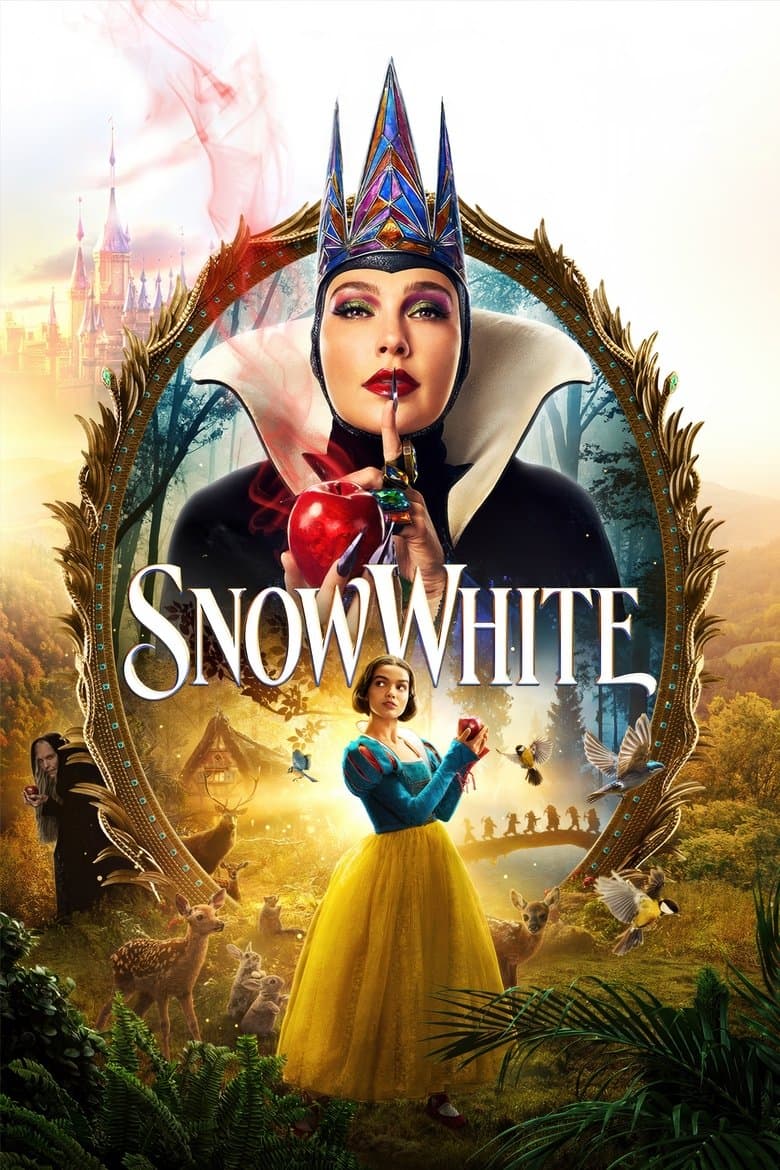
Snow White is a kind princess who lives under the rule of her jealous stepmother, the Evil Queen. The Queen takes the kingdom’s wealth, turns farmers into soldiers, and keeps Snow White as a servant after Snow White’s father disappears. Snow White escapes into a dark forest, where seven magical miners and the bandit Jonathan help her survive. The bright musical adventure moves between fairy tale danger, family grief, romance, and a final fight to reclaim the kingdom.
The film gives Snow White a clear leadership journey instead of making her wait for a prince to rescue her. She learns to act, joins a rebellion, and returns to the castle to speak for the people and take back the throne. The story changes her name so it comes from surviving a blizzard, and it presents fairness as kindness, shared wealth, and rule for the common good. It also replaces the prince with Jonathan and makes the seven dwarfs computer-made magical beings, so the remake puts its modern ideas into the central story.
Community feedback
Was our 89% Woke rating accurate?
Breakdown
These are the editorial factors and ratings behind our score for Snow White.
Woke representation / casting
Rachel Zegler, a Latina actor of Colombian descent, plays Snow White in the most visible role. The film changes the reason for Snow White’s name from the old skin-color idea to her survival of a snowstorm. Disney makes the seven dwarf characters computer-made magical beings instead of using performers with dwarfism, and Disney linked that choice to avoiding old stereotypes. The casting is openly discussed as a Latina princess and as a way for Colombian girls to see themselves in a Disney role.
72%
Woke political dialogue
The opening song says the land’s bounty should be shared by the people who tend it. Snow White repeatedly talks about hungry villagers, kindness, fair rule, and taking back a kingdom stolen by the Queen. Her final speech asks the guards to remember their old lives and shared work before they turn against the Queen. These lines use recurring equality and resistance language, but they do not include detailed modern party or identity terms.
43%
Identity-driven story themes
The film makes Snow White’s growth into a leader the main part of her story. Snow White moves from hiding and waiting to leading the return to the castle. The film treats the old rescue-princess role as too passive and makes Jonathan a partner in her cause instead of a prince who saves her. Songs and speeches connect female strength, self-rule, and courage with her becoming the rightful queen.
66%
Western institutional / cultural critique
The film treats the old idea of a princess waiting for a prince as too passive. Snow White is told to lead, while Jonathan acts as a helper and partner instead of a rescuing prince. The Queen’s wealth hoarding and harsh rule are ordinary fairy-tale tyranny, not a broad attack on Western institutions. The story keeps monarchy, family loyalty, and a good ruler as positive ideas.
28%
Woke character or canon changes
The film changes Snow White’s name origin from a skin-color reference to survival in a blizzard. The film replaces the prince with the bandit Jonathan and makes a rebellion and a leadership quest central to the plot. Disney changes the seven dwarfs into computer-made magical beings after saying it wanted to avoid old stereotypes. The film also drops the sung version of “Someday My Prince Will Come” while keeping the poison apple and true-love kiss.
82%
Anti-woke backlash and complaints
A widespread online campaign called the film “woke” and used it as a “go woke, go broke” example. Right-leaning posts attacked the Latina casting, the computer-made dwarf characters, the bandit replacing the prince, and the female-leadership rewrite. Rachel Zegler’s comments about the old prince and her political posts added to calls for a boycott and a larger culture-war fight. News reports confirmed the controversy and the reduced premiere, but claims of one organized review-bombing campaign were not proven.
95%
Creator track record context
Cached profiles give Marc Webb, the writers, most producers, and the script supervisor low to moderate woke scores and no strong record of activist work. Casting director Bernard Telsey has a clear public diversity and anti-racist focus, while Tiffany Little Canfield has a smaller public political profile. Title interviews frame Snow White around kindness, strength, leadership, and a modern Latina princess. The team adds some identity-focused context, but it does not show a broad activist pattern across the whole crew.
35%
Production
Movie · 2024
After discovering she can see everyone's imaginary friends, a girl embarks on a magical adventure to reconnect forgotten imaginary friends with their kids.

Movie · 2016
For years, old wood carver Mr. Meacham has delighted local children with his tales of the fierce dragon that resides deep in the woods of the Pacific Northwest.
Movie · 2016
A stuffy businessman finds himself trapped inside the body of his family's cat.

Movie · 2021
In suburban Chicago during the late 1980s, ten-year-old Jake Doyle embarks on a herculean quest to get the latest and greatest video game system for Christmas.
Movie · 2016
After a threat from the tiger Shere Khan, Mowgli, a man-cub fostered by wolves, is forced to flee the jungle, and he embarks on a journey of self-discovery with the help of the…
Movie · 2022
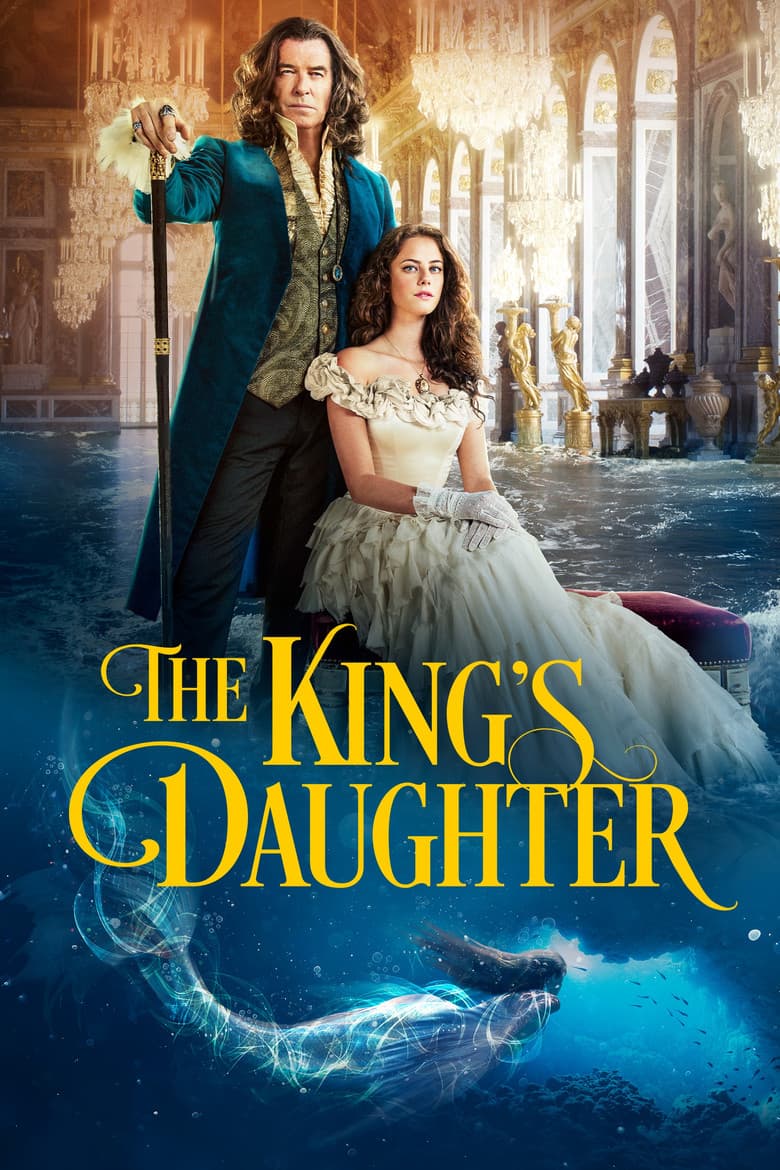
King Louis XIV's quest for immortality leads him to capture and steal a mermaid's life force, a move that is further complicated by his illegitimate daughter's discovery of the…
Movie · 2018
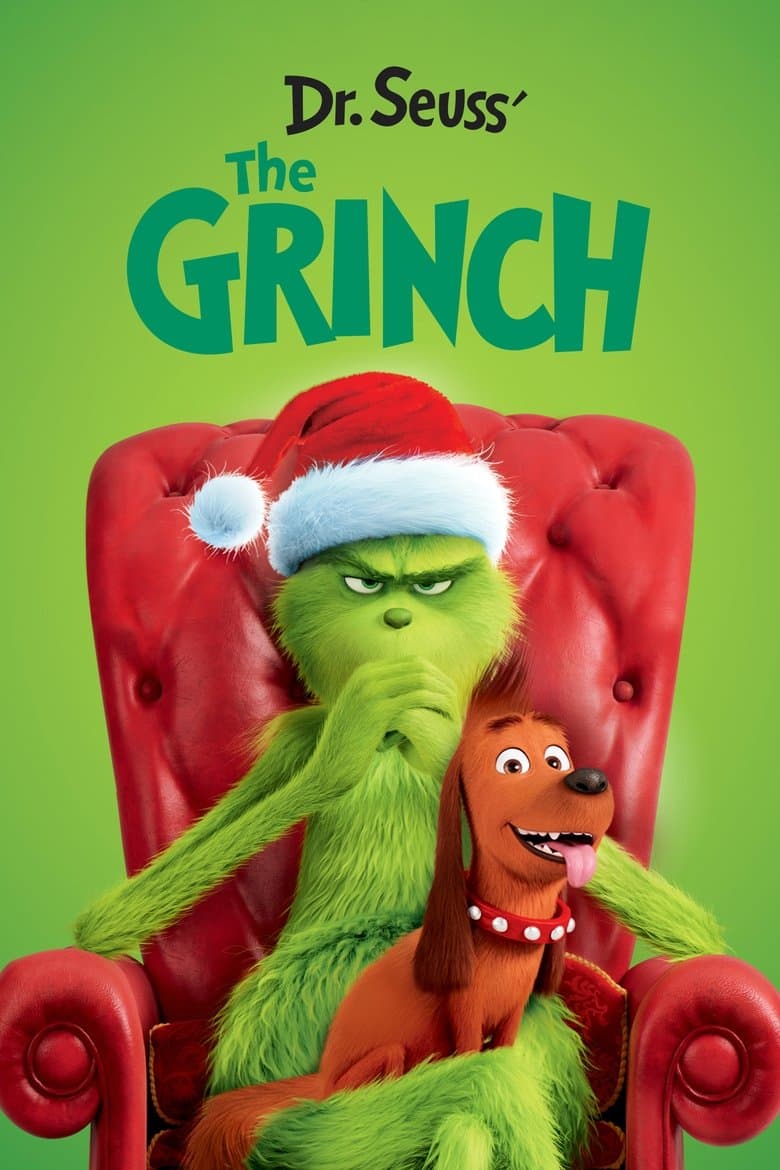
The Grinch hatches a scheme to ruin Christmas when the residents of Whoville plan their annual holiday celebration.
Movie · 2022
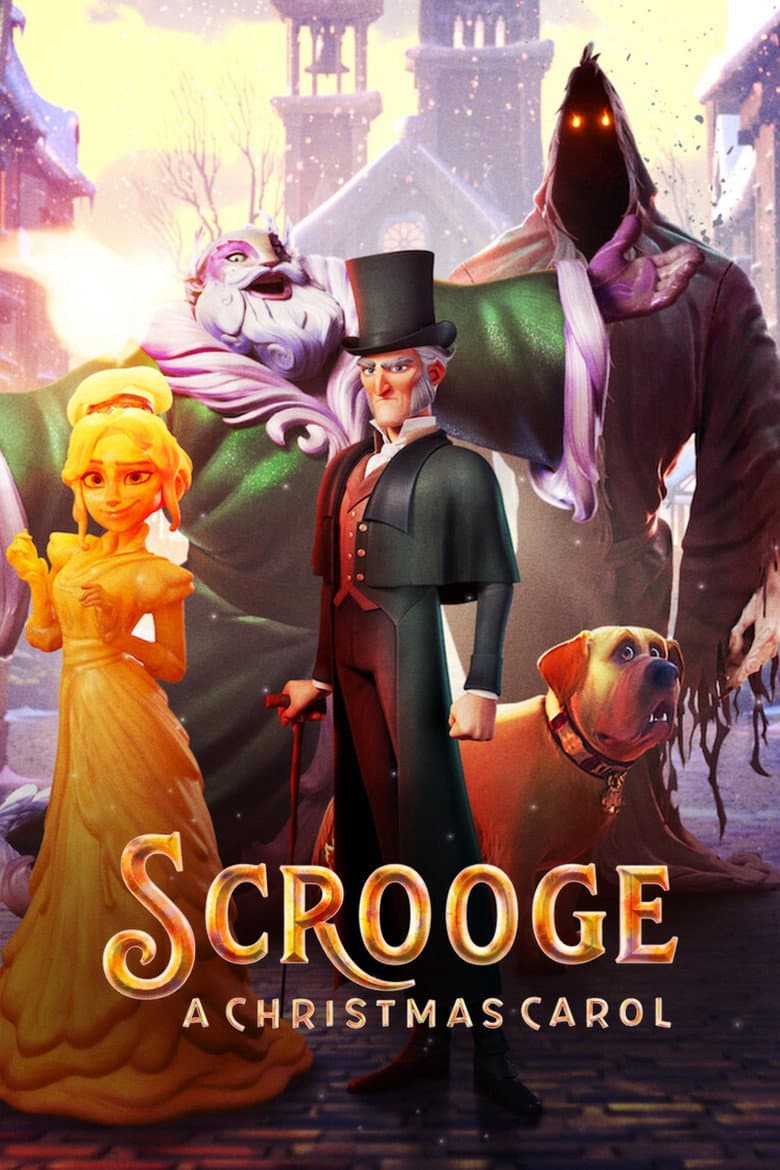
On a cold Christmas Eve, selfish miser Ebenezer Scrooge has one night left to face his past — and change the future — before time runs out.
