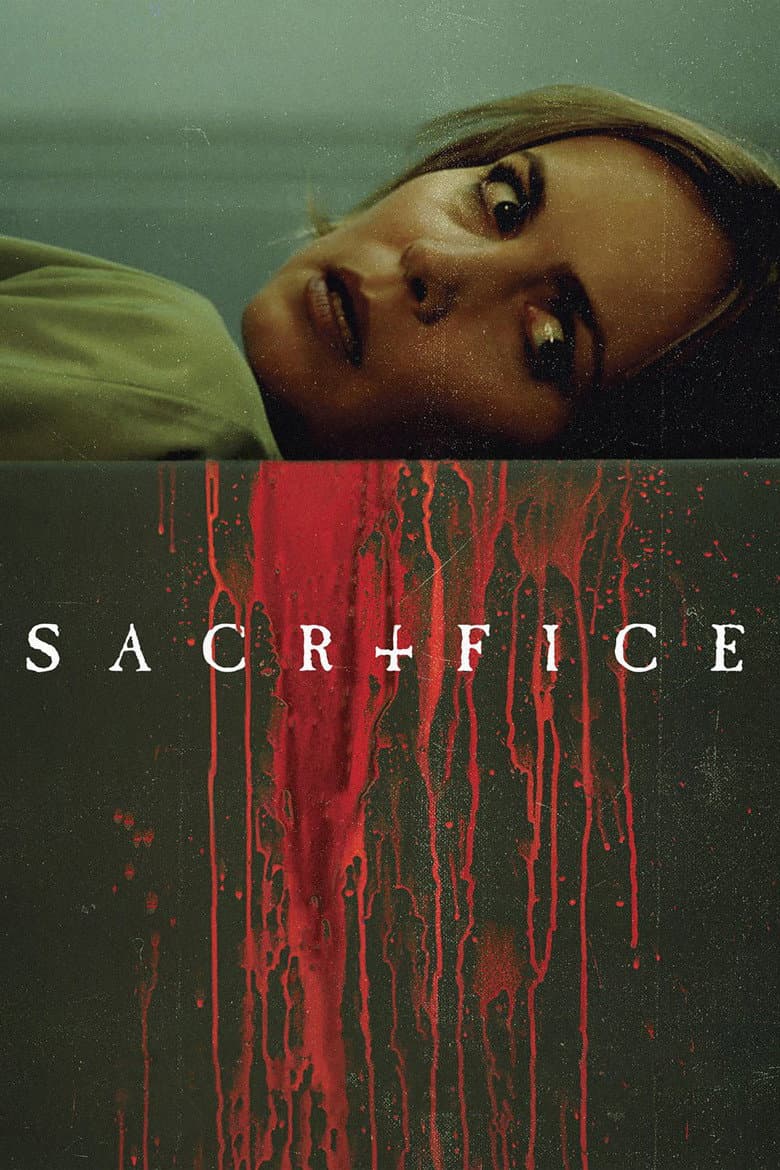
Tora Hamilton is an American consultant surgeon who moves with her husband, Duncan, to his family home on the remote Shetland Islands after repeated miscarriages. She hopes to adopt a child and begin again, but she finds the body of a young woman buried near the house. The body has runes cut into its skin and its heart has been removed. Tora uses her medical knowledge to question the island’s story and enters a tense mystery about missing women, secret family power, and a hidden ritual. The film has a cold, grim thriller tone with old legends and scary rituals.
The film puts women’s fertility and safety at the center of the story. Tora is a skilled doctor who becomes the main investigator, and pregnant police officer Dana Tulloch becomes her ally. The island’s powerful men treat women as breeders and kill them after childbirth, so the plot presents male rule over women’s bodies as evil. The film gives Tora a strong voice and makes her friendship with Dana important to the ending. These ideas drive the mystery, but the movie presents them through a secret cult and a chase thriller instead of modern political speeches.
Community feedback
Was our 49% Woke rating accurate?
Breakdown
These are the editorial factors and ratings behind our score for Sacrifice.
Woke representation / casting
The film gives its lead role to Tora, a female consultant surgeon who becomes the main solver of the crime. The film also gives a pregnant female police officer an important ally role. The story places these women against male leaders who hide the killings and dismiss concerns. Radha Mitchell’s interviews frame the movie as female-centered, female-skewed, and aimed at expanding thriller audiences for women.
38%
Woke political dialogue
Not present. The film does not show a clear modern speech about DEI, identity politics, or activist ideas. Its dialogue mainly explains the murder, the island legend, and the danger facing Tora.
0%
Identity-driven story themes
The story makes women’s fertility and bodily safety central to the mystery. The island’s male cult takes women as breeders and kills them after childbirth. Tora and Dana fight that system, and the film presents their courage and friendship as important parts of the ending. The film presents this conflict through a fictional cult and a thriller plot rather than a current political campaign.
58%
Western institutional / cultural critique
The island’s powerful men hide murders through family ties, the adoption system, and local authority. The story shows older male leaders as entitled rulers who silence women and control childbirth. The film makes Tora’s hospital and police contacts slow to trust her. The criticism stays focused on a secret island group and does not attack Christianity, capitalism, or Western society as a whole.
36%
Woke character or canon changes
Not relevant. The film adapts Bolton’s novel and keeps Tora Hamilton as a female surgeon. No identity-based change to an established character or real historical figure is reported.
0%
Anti-woke backlash and complaints
Not present. The separate X pass found no anti-woke reaction, and broader searches found no complaints that this film pushes DEI or identity politics. Public reviews mainly discuss the slow plot, weak suspense, and routine filmmaking.
0%
Creator track record context
Peter A. Dowling’s earlier Black and Blue deals with race relations, police violence, and systemic corruption, although his public political profile is limited. S.J. Bolton mainly writes crime stories about women facing danger, abuse, and social judgment. Bolton has no strong public record of partisan politics, organized DEI advocacy, or identity-politics activism. This context supports a modest score because the film’s gender focus fits parts of their work, but it does not show a broad activist campaign.
27%
Production

Movie · 2020
Hired to steal a rare painting from one of the most enigmatic painters of all time, an ambitious art dealer becomes consumed by his own greed and insecurity as the operation spins…
Movie · 2023
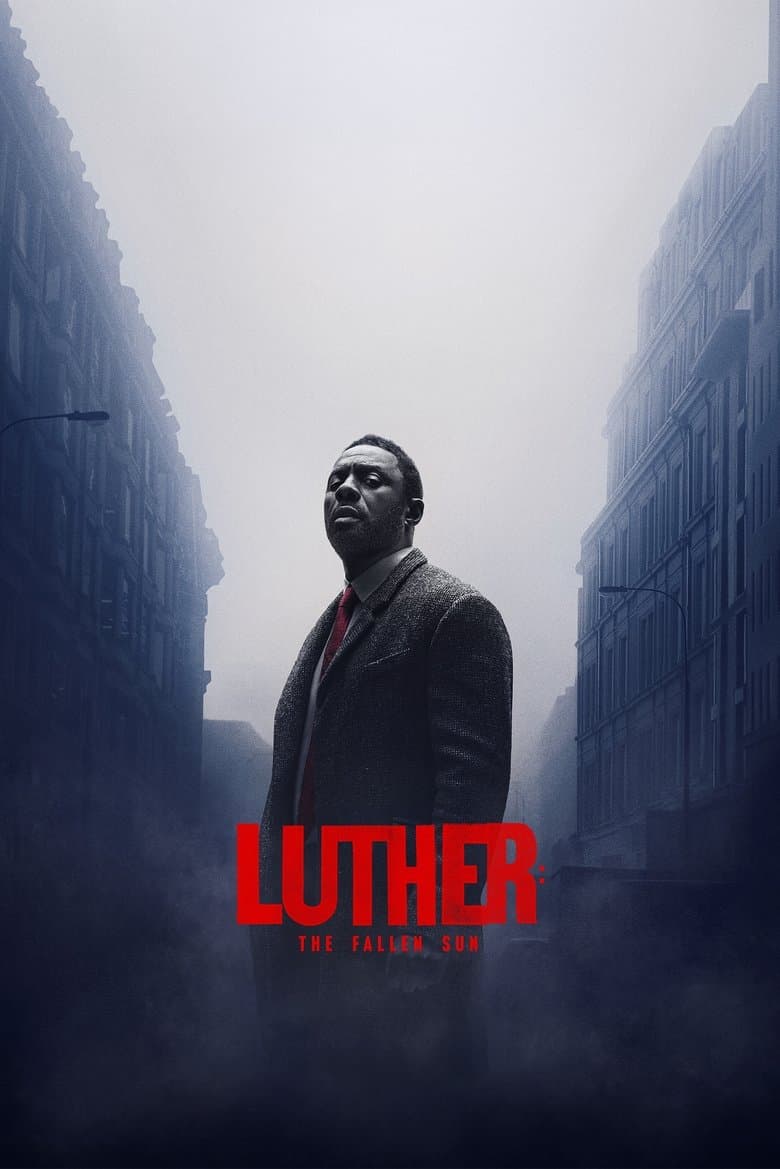
A gruesome serial killer is terrorizing London while brilliant but disgraced detective John Luther sits behind bars.
Movie · 2017
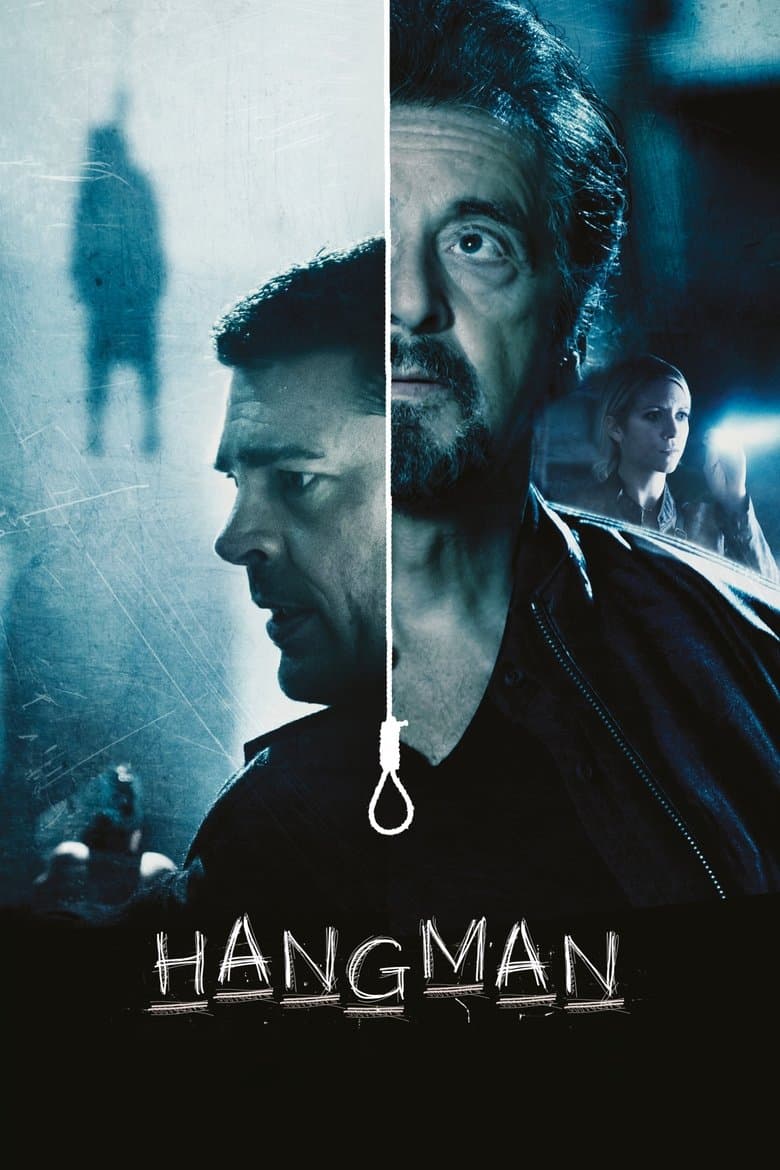
A homicide detective teams up with a criminal profiler to catch a serial killer whose crimes are inspired by the children's game, Hangman.

Movie · 2023
Helena, a woman living a seemingly ordinary life, hides a dark secret—her father is the infamous 'Marsh King', the man who kept her and her mother captive in the wilderness for…

Movie · 2018
A series of mysterious events changes the life of a blind pianist who now must report a crime that was actually never witnessed by him.

Movie · 2017
Jin-seok, 21-year-old, moves into a new house with his family. He suffers from a slight schizophrenia but he carries an ordinary life under the warm care of the family.
Movie · 2024
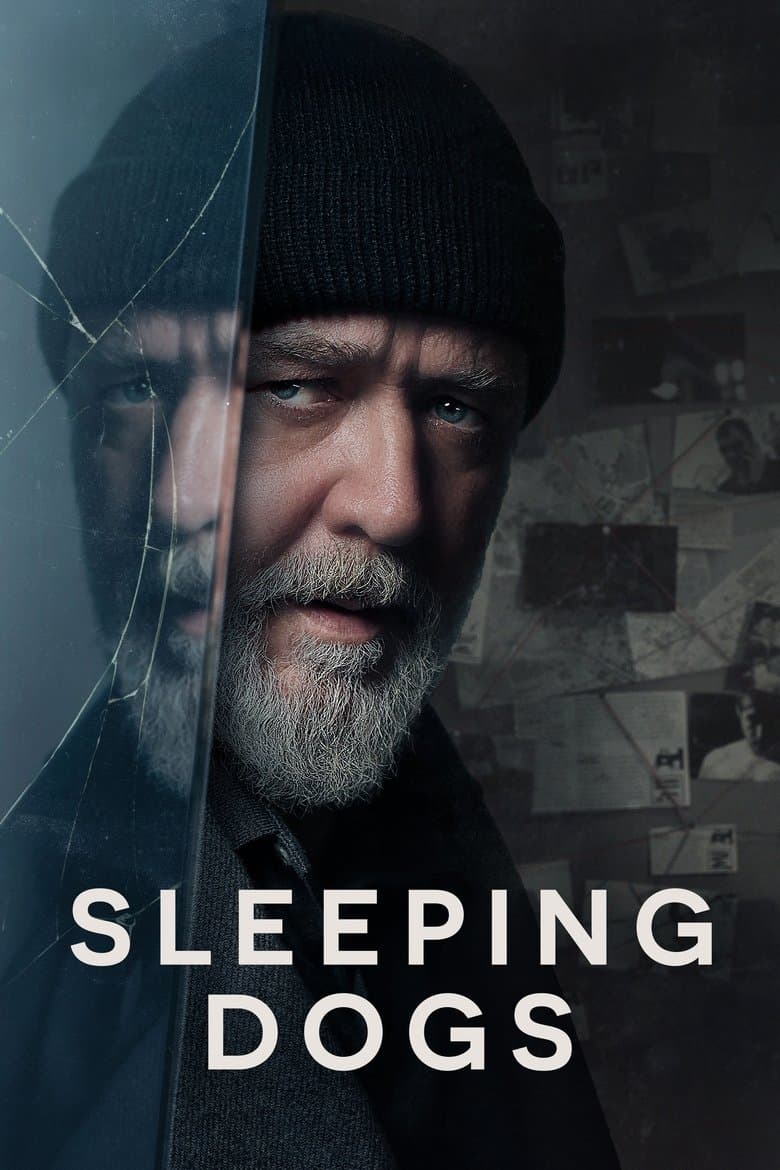
Roy Freeman, an ex-homicide detective with a fractured memory, is forced to revisit a case he can't remember.
Movie · 2018
A serial killer is murdering school girls, and a newbie cop has to track him down before the victim count increases.
