Movie review
November 19, 2022 · 86 min · PG · Sci-Fi · Animation · Comedy · Action
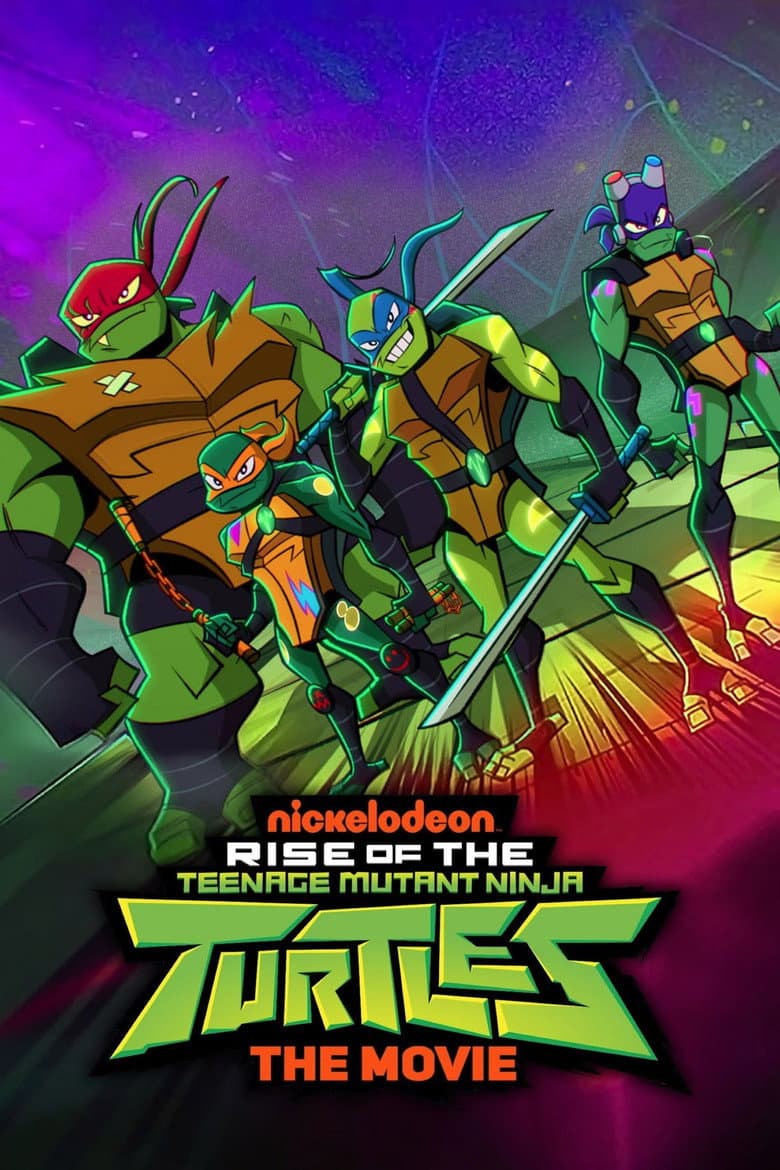
Leonardo is a gifted but careless young fighter who treats danger like a game. A warrior named Casey Jones comes from a ruined future to warn the Turtles that the Krang will invade Earth. Leo must learn to listen to Raphael and the rest of his family before New York falls. The movie mixes fast comedy with heavy fights, scary alien images, and a warm story about brothers.
April O'Neil appears as a black teenage hero in this version, and she is smart, brave, and able to handle risky work. She helps destroy the alien key and later joins the rescue, but her race and sex do not drive the plot. The main story follows four male brothers, their male teacher Splinter, and the male future fighter Casey. The movie treats Leo's pride and poor listening as personal flaws, while its key lessons are teamwork, trust, hope, and sacrifice.
Community feedback
Was our 31% Woke rating accurate?
Breakdown
These are the editorial factors and ratings behind our score for Rise of the Teenage Mutant Ninja Turtles: The Movie.
Woke representation / casting
April O'Neil is shown as a black teenage girl in a well-known supporting role. The movie makes her clever, brave, and able to help defeat a powerful Krang. Her redesign is a clear audience-visible representation choice. The four Turtles, Splinter, Leo's student Casey, and the main story remain male-led.
38%
Woke political dialogue
Not present. The characters do not discuss party politics, identity politics, or social causes. April briefly investigates toxic chemicals, but the movie does not turn this into a political message.
0%
Identity-driven story themes
Not present. April's race and sex never become story issues. The main themes are brotherhood, teamwork, hope, pride, and sacrifice.
0%
Western institutional / cultural critique
Not present. The story does not attack Western culture, Christianity, family, or traditional social roles. The Krang are simple alien invaders.
0%
Woke character or canon changes
The movie keeps the Rise version of April O'Neil as a black teenager rather than the white version seen in most earlier TMNT shows and films. April remains an active hero through several parts of the movie. The change is visible, even though the dialogue never discusses her identity.
38%
Anti-woke backlash and complaints
Not present. Searches found no clear anti-woke campaign aimed at this movie. Scattered complaints about Black April mainly targeted the Rise series or Mutant Mayhem.
0%
Creator track record context
Directors Andy Suriano and Ant Ward have a mild record of public support for representation. They helped create the Black version of April and said representation across the board mattered. Most other writers have little or no known activist history. Casting director Andrea Hennen has one clear record of identity-based casting outside this film.
24%
Production
Movie · 2018
All the major DC superheroes are starring in their own films, all but the Teen Titans, so Robin is determined to remedy this situation by getting over his role as a sidekick and…
Movie · 2018
Earth is peaceful following the Tournament of Power. Realizing that the universes still hold many more strong people yet to see, Goku spends all his days training to reach even…
Movie · 2016
Tripp is a high school senior with a knack for building trucks who makes an incredible discovery - a gas-guzzling creature named Creech.
Movie · 2024
Gru and Lucy and their girls—Margo, Edith and Agnes—welcome a new member to the Gru family, Gru Jr., who is intent on tormenting his dad.
Movie · 2016
After supervillain Shredder escapes custody, he joins forces with mad scientist Baxter Stockman and two dimwitted henchmen, Bebop and Rocksteady, to unleash a diabolical plan to…
Movie · 2020
Powered with incredible speed, Sonic The Hedgehog embraces his new home on Earth. That is, until Sonic sparks the attention of super-uncool evil genius Dr. Robotnik.
Movie · 2018
A friendship with a top-secret robot turns a lonely girl's life into a thrilling adventure as they take on bullies, evil bots and a scheming madman.

Movie · 2021
In a world where walking, talking, digitally connected bots have become children's best friends, an 11-year-old finds that his robot buddy doesn't quite work the same as the…
