Movie review
May 30, 2016 · 112 min · PG-13 · Sci-Fi · Comedy · Action · Adventure · Family
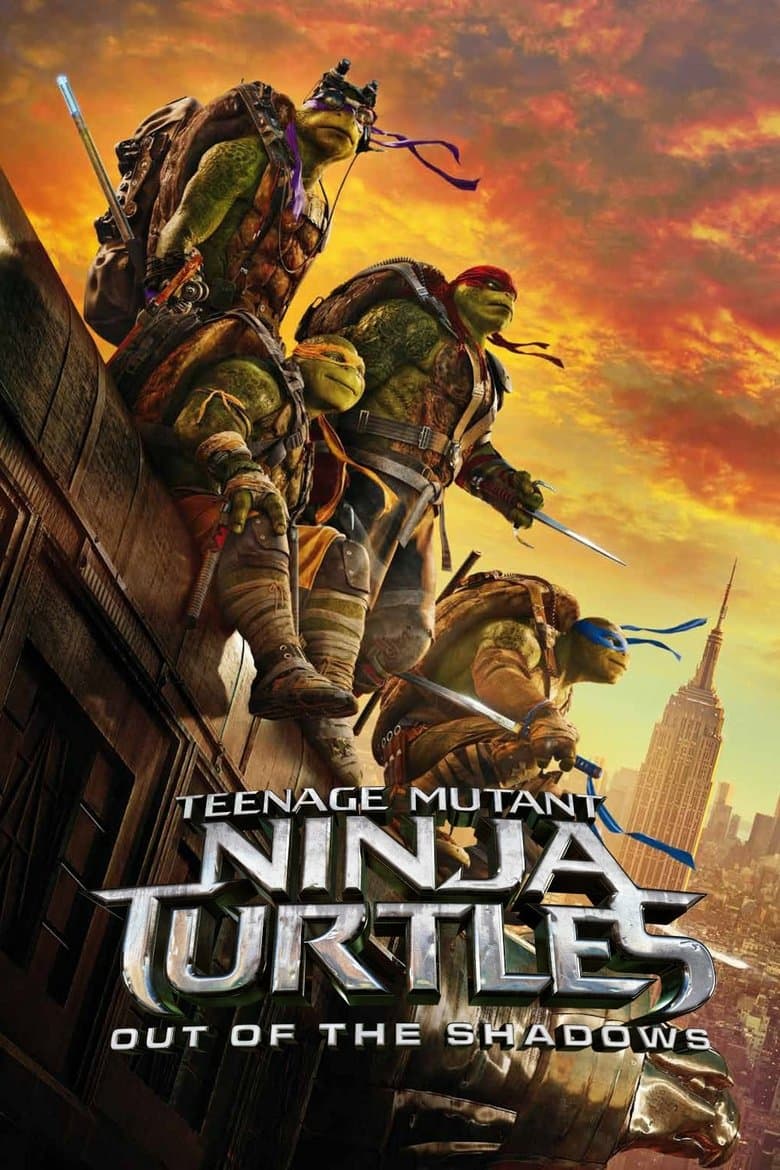
Leonardo, Raphael, Donatello, and Michelangelo are four mutant turtle brothers who live in a New York sewer with their father and teacher, Splinter. They secretly protect the city while Shredder escapes prison and joins Baxter Stockman, Bebop, and Rocksteady. The villains work with Krang, an alien enemy who plans to open a gateway for an invasion. The film uses loud fights, cartoon jokes, strange creatures, and family teamwork.
The film gives most attention to the brothers and their wish to be accepted as heroes. The turtles argue over whether a chemical could turn them into humans, but their main choice is to stay together and save the city. April O'Neil works as a reporter and joins the rescue, while Casey Jones helps the turtles after starting as a corrections officer. The story returns to secrecy, friendship, brotherhood, and self-acceptance through simple adventure conflicts.
Community feedback
Was our 6% Woke rating accurate?
Breakdown
These are the editorial factors and ratings behind our score for Teenage Mutant Ninja Turtles: Out of the Shadows.
Woke representation / casting
April O'Neil is a visible female reporter who investigates the villains and helps the turtles. Megan Fox’s title interview linked playing a strong-willed woman with Hollywood’s diversity discussion. The film gives April useful scenes, but it does not make diversity the main point of its cast or story.
8%
Woke political dialogue
Not present. The dialogue covers prison escapes, mutant science, the alien invasion, jokes, and teamwork. The film has no activist speech or political lecture.
0%
Identity-driven story themes
Not present. The turtles want human acceptance because they fear people will call them monsters. The film treats this as a family and self-acceptance problem tied to the fantasy plot.
0%
Western institutional / cultural critique
Not present. Police chase the turtles after seeing them as dangerous, then learn the brothers are helping the city. The story does not attack masculinity, family, religion, government, or Western culture.
0%
Woke character or canon changes
Not relevant. Casey Jones starts as a corrections officer and becomes a hockey-mask helper. That change from earlier versions serves the plot and is not linked to identity or DEI messaging.
0%
Anti-woke backlash and complaints
Not present. Online and news complaints focus on CGI, tone, jokes, story, and fan service. No clear anti-woke or right-leaning complaint says the film pushes DEI or identity politics.
0%
Creator track record context
The cached scores range from 3 to 15, which is a weak background signal. The notes describe mainstream action, family, and entertainment careers. They show no strong activist or identity-driven pattern connected to this movie.
10%
Production
Movie · 2016
After a mysterious chest opens a gateway through time, teen gamer Jack is transported to an ancient empire terrorized by a cruel barbarian king.
Movie · 2020
Powered with incredible speed, Sonic The Hedgehog embraces his new home on Earth. That is, until Sonic sparks the attention of super-uncool evil genius Dr. Robotnik.
Movie · 2017
Gru and his wife Lucy must stop former '80s child star Balthazar Bratt from achieving world domination.

Movie · 2016
Set after the events of Continental Drift, Scrat's epic pursuit of his elusive acorn catapults him outside of Earth, where he accidentally sets off a series of cosmic events that…
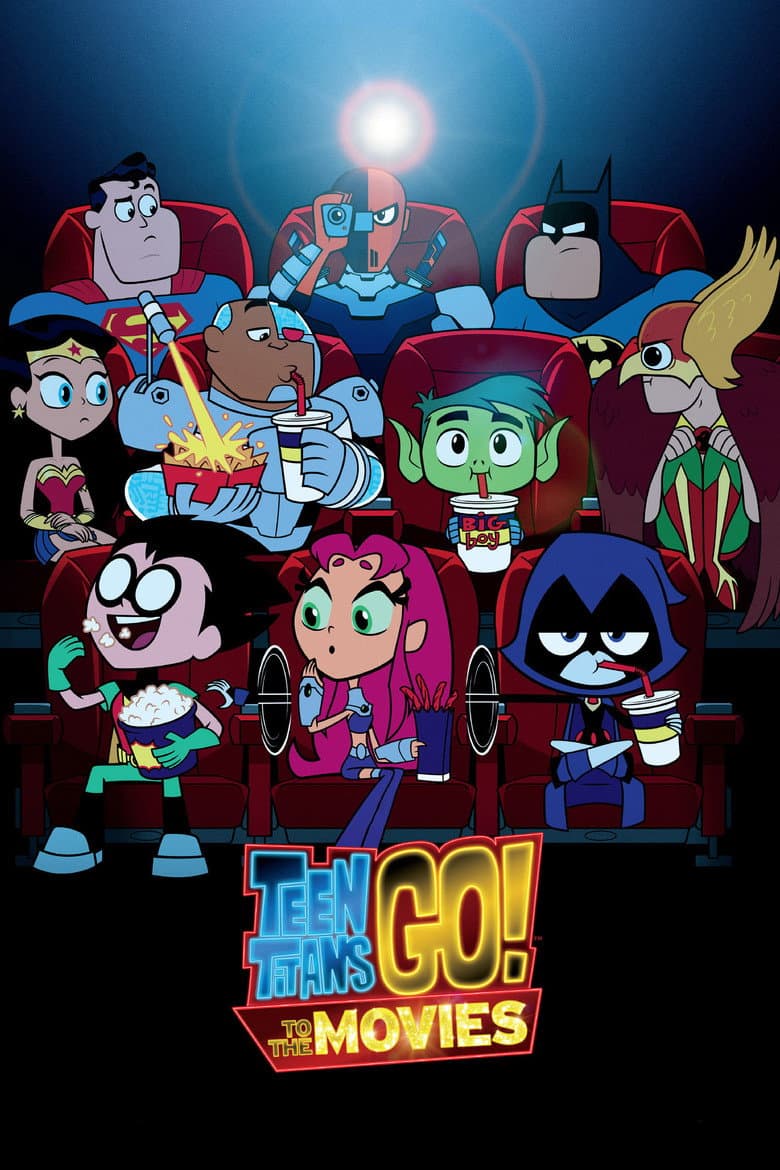
Movie · 2018
All the major DC superheroes are starring in their own films, all but the Teen Titans, so Robin is determined to remedy this situation by getting over his role as a sidekick and…
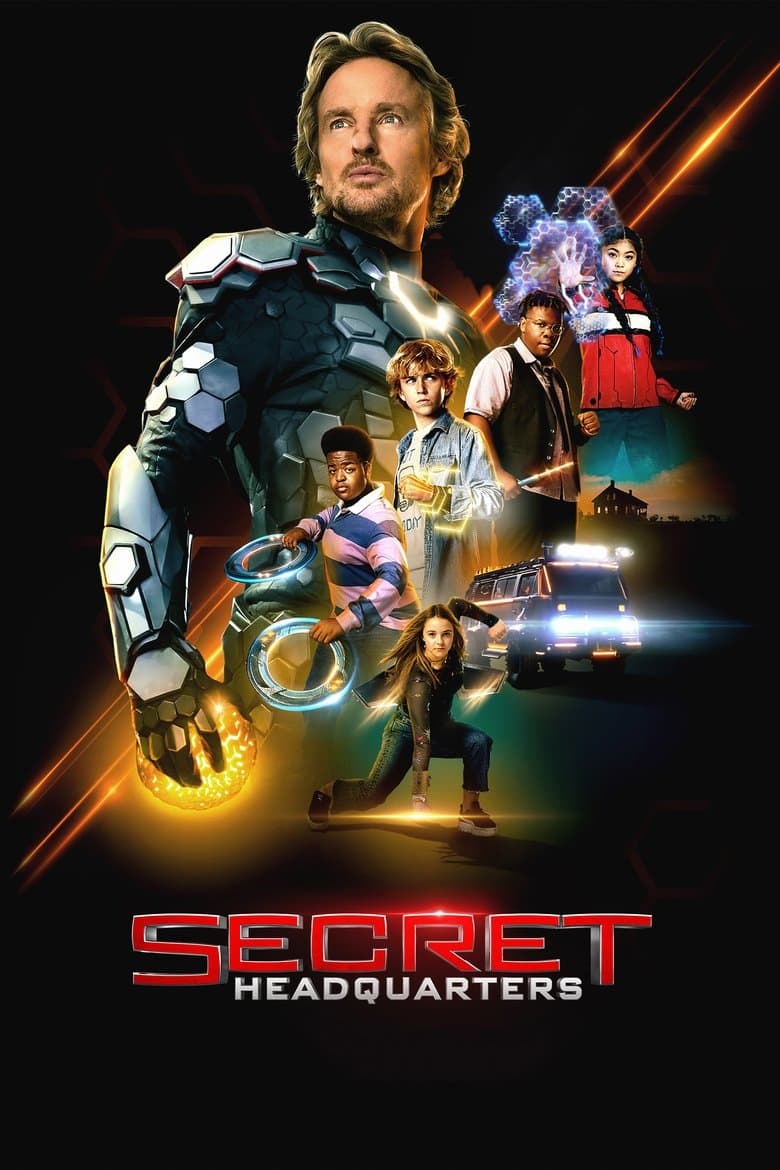
Movie · 2022
While hanging out after school, Charlie and his friends discover the headquarters of the world’s most powerful superhero hidden beneath his home.
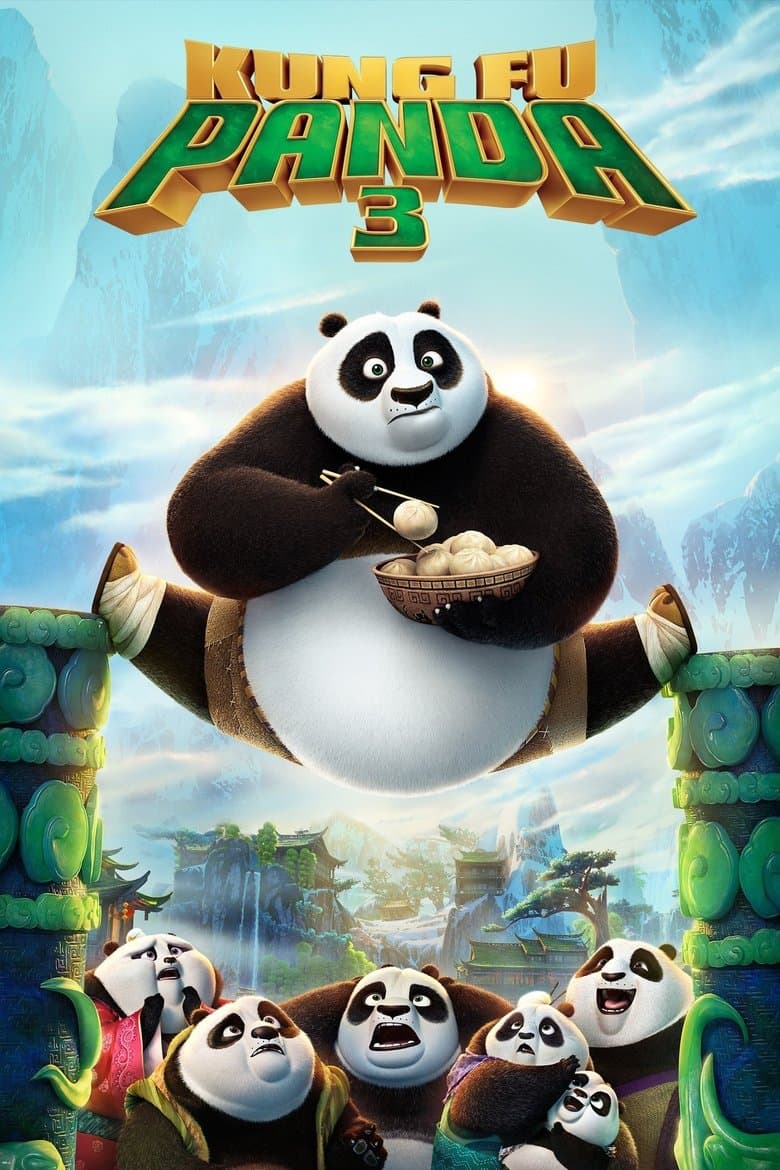
Movie · 2016
While Po and his father are visiting a secret panda village, an evil spirit threatens all of China, forcing Po to form a ragtag army to fight back.
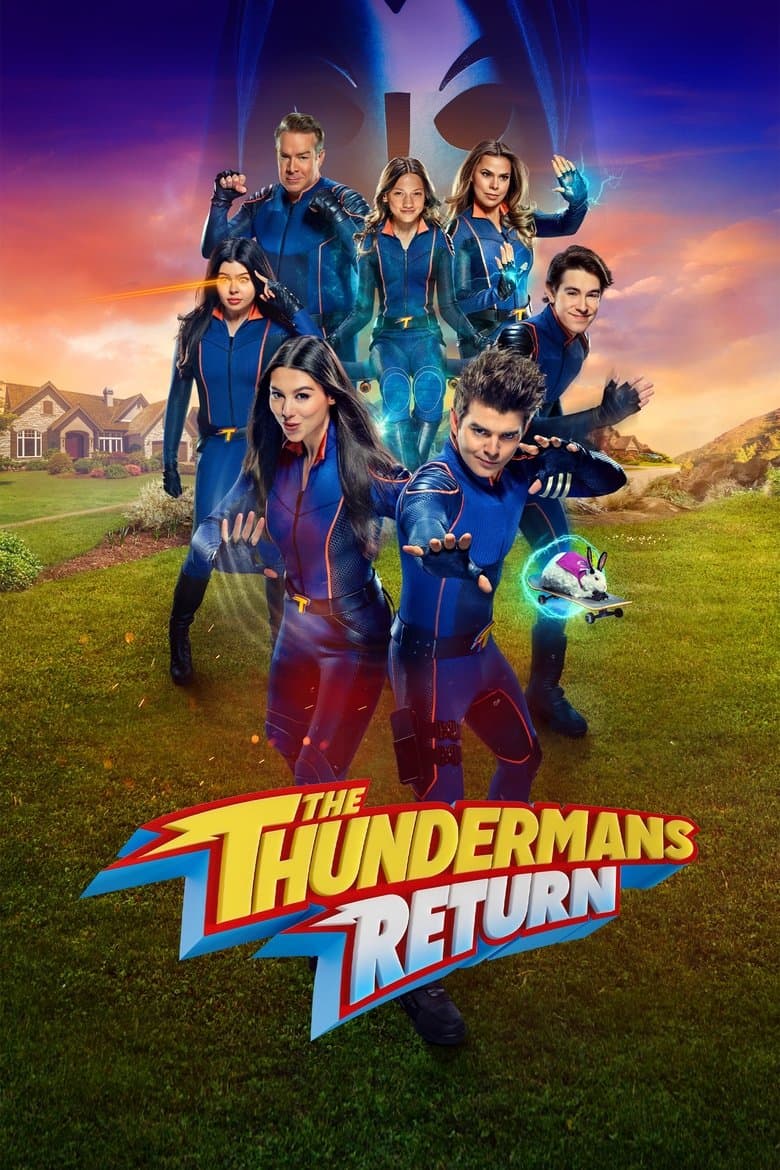
Movie · 2024
Twins Phoebe and Max are enjoying their superhero lifestyle, but when one 'save' goes awry, the Thundermans are sent back to Hiddenville.
