
Paradise Highway follows Sally, a tough truck driver hauling goods across the American South. She smuggles illegal packages because a prison gang has threatened her brother Dennis. Her last package is Leila, a young girl being sold by traffickers, and a failed handoff puts Sally, Leila, and the FBI on the same dangerous road. The film has a grim and slow thriller tone, but its main bond becomes close and caring.
The story puts capable women at the center of a trucking world shown as unsafe and ruled by predatory men. Sally's women trucker friends guide her by radio and later join the rescue, so female solidarity shapes both the setup and the ending. The FBI story says abused children are failed by police, social services, and prisons, though these claims stay in a few scenes. Two very brief gay youths appear in the background, while the main story remains a rescue drama about abuse, loyalty, and chosen family.
Community feedback
Was our 38% Woke rating accurate?
Breakdown
These are the editorial factors and ratings behind our score for Paradise Highway.
Woke representation / casting
Sally is a highly capable woman in a male-heavy job, and women truckers form her main support group. Those women give road advice and arrive with their trucks for the final rescue. Gerick is a respected black former FBI expert who guides a younger white agent. The film also includes a black mother and son in a brief background moment and two credited gay youths.
34%
Woke political dialogue
Gerick says trafficked children have been failed by the system since birth and do not trust police. He argues that officials refuse to make their rescue a priority. He later calls prisons a place that creates more crime. These lines recur in the FBI subplot, but they do not control most scenes.
28%
Identity-driven story themes
The main story links a woman who survived childhood abuse with a trafficked girl. Sally rejects her corrupt brother and chooses the girl as her new family. Her women trucker friends form a caring group that helps defeat a network run mainly by men. The story makes female safety and solidarity central, while the gay background roles have no real plot weight.
38%
Western institutional / cultural critique
The film says police, social services, and neighbors have failed trafficked children. Gerick struggles to get enough FBI resources for the case. He also blames prisons for helping crime grow. The film balances this criticism with two caring FBI agents who work hard to save the children.
32%
Woke character or canon changes
Not relevant. The film tells an original story with no established characters or real historical figures.
0%
Anti-woke backlash and complaints
Not present. Available reviews and audience posts criticize the acting, pace, plot, and handling of trafficking instead of woke or DEI messaging.
0%
Creator track record context
Anna Gutto has a mild cached record tied to consent, sexual violence, and gender roles. Kerry Barden has no strong activist record. Most credited producers also have low cached scores and little identity-driven work. One producer has a climate activist record, but that does not connect to this story.
17%
Production

Movie · 2021
An ambitious carnival man with a talent for manipulating people with a few well-chosen words hooks up with a female psychologist who is even more dangerous than he is.

Movie · 2021
A cold and mysterious new security guard for a Los Angeles cash truck company surprises his co-workers when he unleashes precision skills during a heist.
Movie · 2021
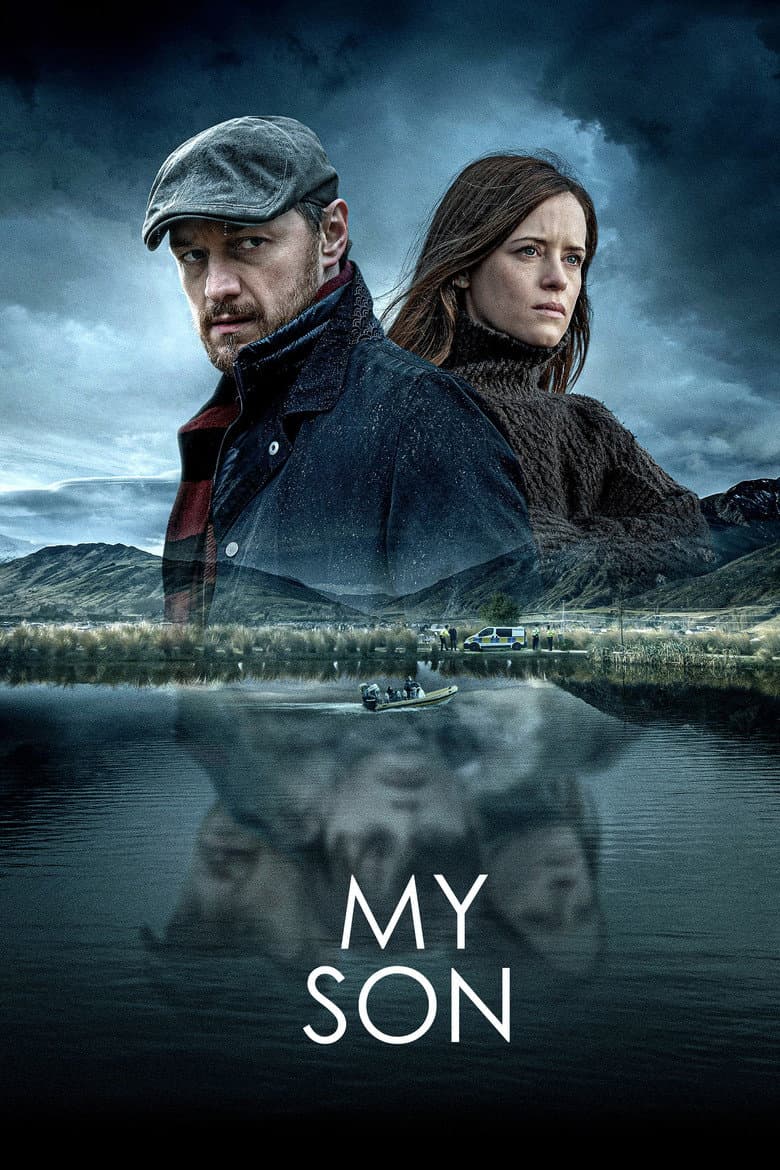
When a man's only son goes missing, he travels to the town where his ex-wife lives in search of answers. [To play a man whose life is clouded by mystery, McAvoy will not be given…

Movie · 2021
William Tell just wants to play cards. His spartan existence on the casino trail is shattered when he is approached by Cirk, a vulnerable and angry young man seeking help to…

Movie · 2019
In New York, former convict Pete Koslow, related to the Polish mafia, must deal with both Klimek the General, his ruthless boss, and the twisted ambitions of two federal agents…

Movie · 2019
In the wake of his dramatic escape from captivity, Jesse Pinkman must come to terms with his past in order to forge some kind of future.

Movie · 2018
A thief makes a disturbing discovery in the house where he breaks in. Later, when he returns to the same house with his partner in crime, things are no longer how he expected.

Movie · 2024
When an army commando finds out his true love is engaged against her will, he boards a New Dehli-bound train in a daring quest to derail the arranged marriage.
