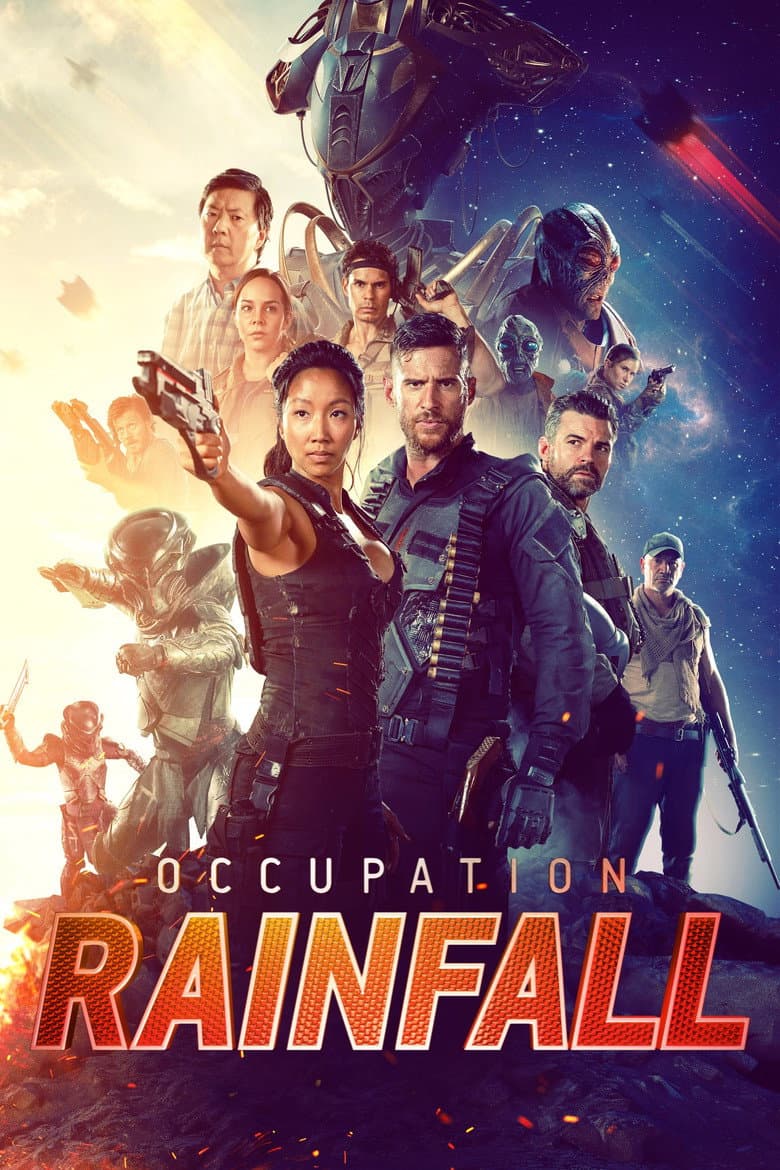
Two years after an alien army invades Earth, Sydney has become a ruined war zone. Matt Simmons, a hardened human resistance fighter, travels with Gary, an alien defector, to find Rainfall, a secret weapon linked to Pine Gap. At the same time, Amelia Chambers and other survivors defend a hidden base in the Blue Mountains while Wing Commander Hayes demands a harsher war. The film uses loud battles, monster attacks, military drama, and brief comedy in a grim but rough science fiction adventure.
The clearest woke element is the film’s repeated argument that peaceful aliens should be treated as allies instead of as one enemy group. Amelia leads that argument, and Matt is pushed to question his hatred of Gary as the resistance faces torture, revenge, and calls to kill every Grey. The story treats mercy, shared work, and a mixed human-alien future as better than Hayes’s total-war approach. The message is important to one major subplot, but it is framed as a war story about alien refugees and loyalty rather than as a direct debate about modern human race, gender, or queer politics.
Community feedback
Was our 40% Woke rating accurate?
Breakdown
These are the editorial factors and ratings behind our score for Occupation: Rainfall.
Woke representation / casting
Amelia is a prominent fighter and organizer, and she speaks for friendly alien allies. Sparke described her as a strong female role model and said she faces male egos that may look down on women. The cast also includes Māori, Indigenous Australian, and Asian actors in visible roles, but that mix fits a modern Australian setting. The marketing sells an Australian action cast and does not make diversity its main message.
30%
Woke political dialogue
The dialogue repeatedly asks whether peaceful Greys should be treated as allies. Amelia says the military should not abandon its allies, and other characters praise giving people a chance. Matt says he cares about humans and not the alien kind, which makes the tolerance debate clear. The lines concern alien war allies, not modern human race, gender, or DEI policy.
18%
Identity-driven story themes
Amelia works to include peaceful Greys in the human resistance. Gary serves as an alien ally, and Matt is pushed to question his hatred of him. The story presents torture, revenge, and killing all Greys as wrong, while peace and shared work are treated as the better path. This message drives one major part of the story, but it uses aliens in a war story instead of directly discussing current human race, gender, or queer politics.
38%
Western institutional / cultural critique
The film places Amelia against a harsh male military command led by Hayes. Hayes is called a fascist and is shown using torture, secrecy, and all-out war thinking. Sparke also described Amelia’s conflict as a clash with male egos that may look down on women. The story does not attack Christianity, family life, capitalism, or Western culture, so this critique stays limited.
18%
Woke character or canon changes
Not relevant. The film continues its own original characters and setting. No race, gender, or sexuality change drives the sequel.
0%
Anti-woke backlash and complaints
A few Reddit commenters called the treatment of Amelia a “girl boss” idea and objected to the film showing sympathy for alien allies. One review also complained that the tolerance message adds “identity politics.” The comments were scattered, and the separate X search found no anti-woke reaction. The backlash is small and mixed with many complaints about the film’s quality.
16%
Creator track record context
Luke Sparke has a cached Woke score of 0/100 and is known mainly for action and science fiction films. Cinzia Coassin has a cached Woke score of 55/100 because her work includes cultural identity, diverse talent, disability representation, and access programs. Neither cached summary shows strong partisan or culture-war activism. The title uses some inclusion language, but the creators’ wider history does not make that message dominant.
28%
Production
Movie · 2025
During the Vietnam War, a recon unit ventures to an isolated jungle valley to uncover the fate of a missing platoon.
Movie · 2018
A brutal mugging leaves Grey Trace paralyzed in the hospital and his beloved wife dead. A billionaire inventor soon offers Trace a cure — an artificial intelligence implant called…

Movie · 2016
CIA Agent Bill Pope is on a mission to track down a shadowy hacker named 'The Dutchman'. When he gets mysteriously killed, an experimental procedure transfers his memories into a…
Movie · 2025
Special Forces commandos on a mission are abducted mid-operation by a mysterious spacecraft. Upon waking aboard, they find themselves prey to a relentless alien race in a fight…

Movie · 2017
In the near future, Major is the first of her kind: a human saved from a terrible crash, then cyber-enhanced to be a perfect soldier devoted to stopping the world's most dangerous…

Movie · 2021
A former special forces agent is trapped in a time loop and relives his death over and over again. To escape the terrible situation, he must track down those responsible and stop…
Movie · 2017
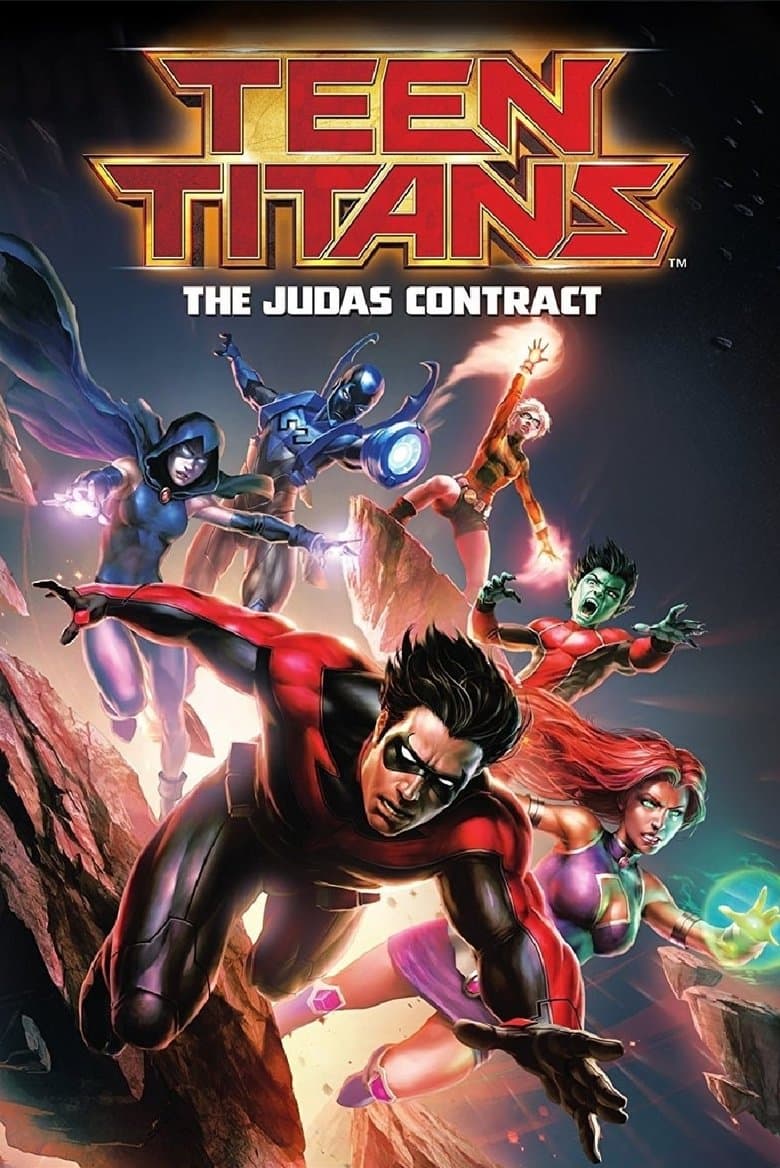
Tara Markov is a girl who has power over earth and stone; she is also more than she seems. Is the newest Teen Titan an ally or a threat?
Movie · 2024
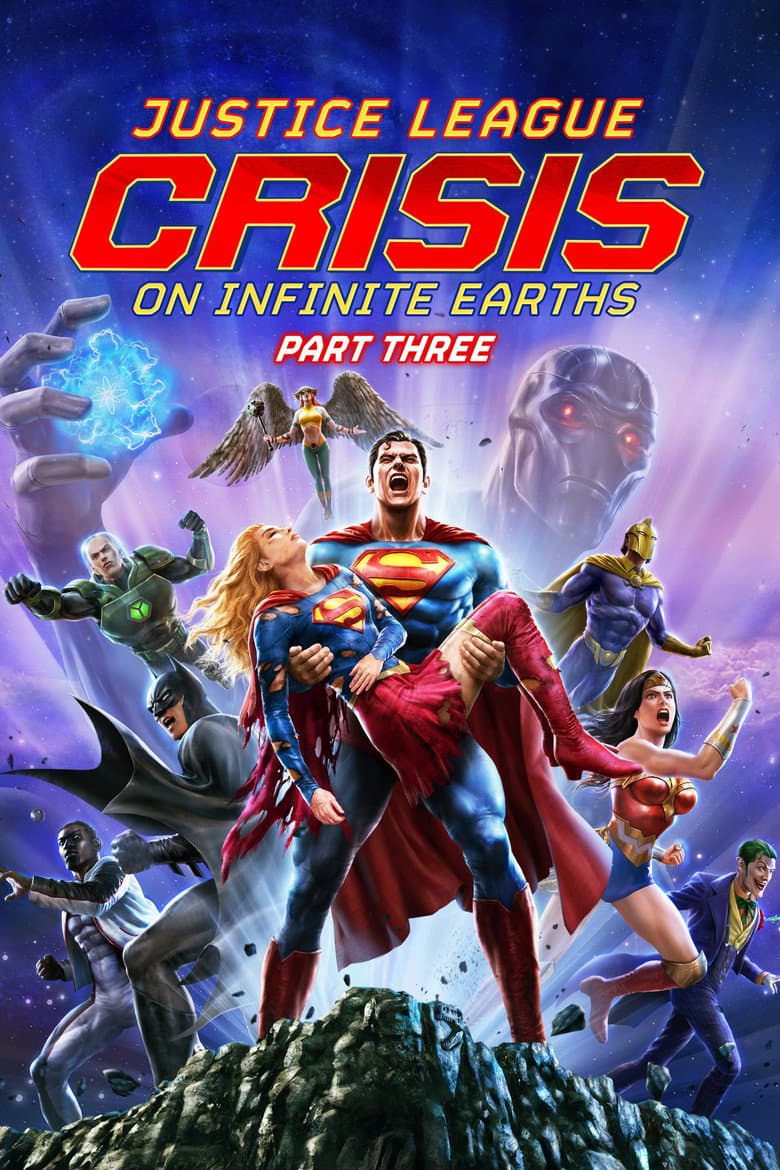
Now fully revealed as the ultimate threat to existence, the Anti-Monitor wages an unrelenting attack on the surviving Earths that struggle for survival in a pocket universe.
