Movie review
March 15, 2019 · 101 min · R
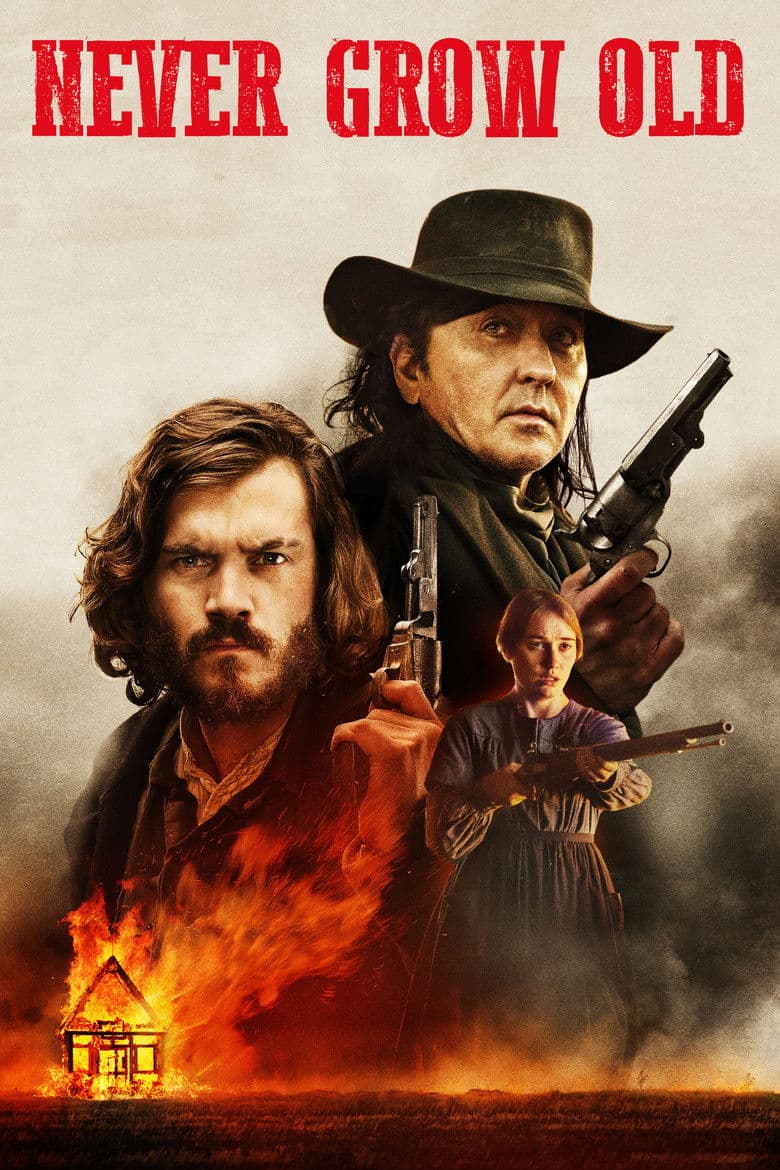
Patrick Tate is an Irish carpenter and undertaker who lives with his French wife, Audrey, and their two children in the frontier town of Garlow in 1849. The family hopes to reach California, but Patrick stays because money is tight and the town gives him work. When outlaw Dutch Albert arrives, he brings back drinking, gambling, prostitution, and deadly violence. Patrick earns more from the bodies, yet his choice puts his family in danger and forces him to face his own greed. The film has a slow, bleak, muddy, and violent tone.
The film makes a clear point that America was built through violence against native Americans and that Irish immigrants could be pushed down, then take part in harming others. The preacher calls the town Christian while praising the removal of native people, and Dutch points out that the town still treats Patrick as an outsider after he converts. Audrey speaks against the trade in vulnerable women, while the story shows a girl facing a harsh law after defending herself from a rapist. These ideas shape the moral conflict, but the movie remains mainly a grim story about greed, religion, violence, and one man's late attempt to do the right thing.
Community feedback
Was our 46% Woke rating accurate?
Breakdown
These are the editorial factors and ratings behind our score for Never Grow Old.
Woke representation / casting
Not present. The main characters are white European settlers and immigrants who fit the period and place. The film does not make cast identity a story point.
0%
Woke political dialogue
The preacher speaks about clearing native people from the land and calls the town a Christian model. Dutch tells Patrick that the town treats Irish immigrants as outsiders and compares them with native people. Audrey asks whether Patrick is proud to profit from the exploitation of vulnerable women. These lines are clear but appear in a few scenes rather than driving every conversation.
32%
Identity-driven story themes
The story treats Irish immigrant Patrick's wish to belong as part of its main moral conflict. The town's leaders exclude him for being Catholic, force him to convert, and still keep him outside the group. The film links the town's founding to the killing and removal of native people and shows women harmed by prostitution and a harsh legal system. These themes affect Patrick's family and his choice to profit from violence, but the main plot remains a crime and family western.
48%
Western institutional / cultural critique
The town's preacher and sheriff fail to protect people while claiming to defend Christian order and the law. The film shows the church's rule as harsh, hypocritical, and unable to stop violence. Dutch's gang turns profit and power into another form of control, while Patrick earns money from the deaths. The critique appears throughout the town's collapse, though the film remains a period western rather than a modern political speech.
52%
Woke character or canon changes
Not relevant. The film is an original western and does not change an established character, canon, or named real historical figure.
0%
Anti-woke backlash and complaints
Not present. No notable anti-woke campaign, boycott, review-bombing, or complaint about DEI or identity politics was found. Audience complaints mainly concerned pace, darkness, violence, and predictability.
0%
Creator track record context
Ivan Kavanagh has a mostly horror and genre career, without a sustained identity-activist profile. The director has spoken about xenophobia, native American dispossession, immigrant history, and current U.S. politics when discussing this film. The producers and casting director have no clear public record of sustained activist or DEI work.
15%
Production
