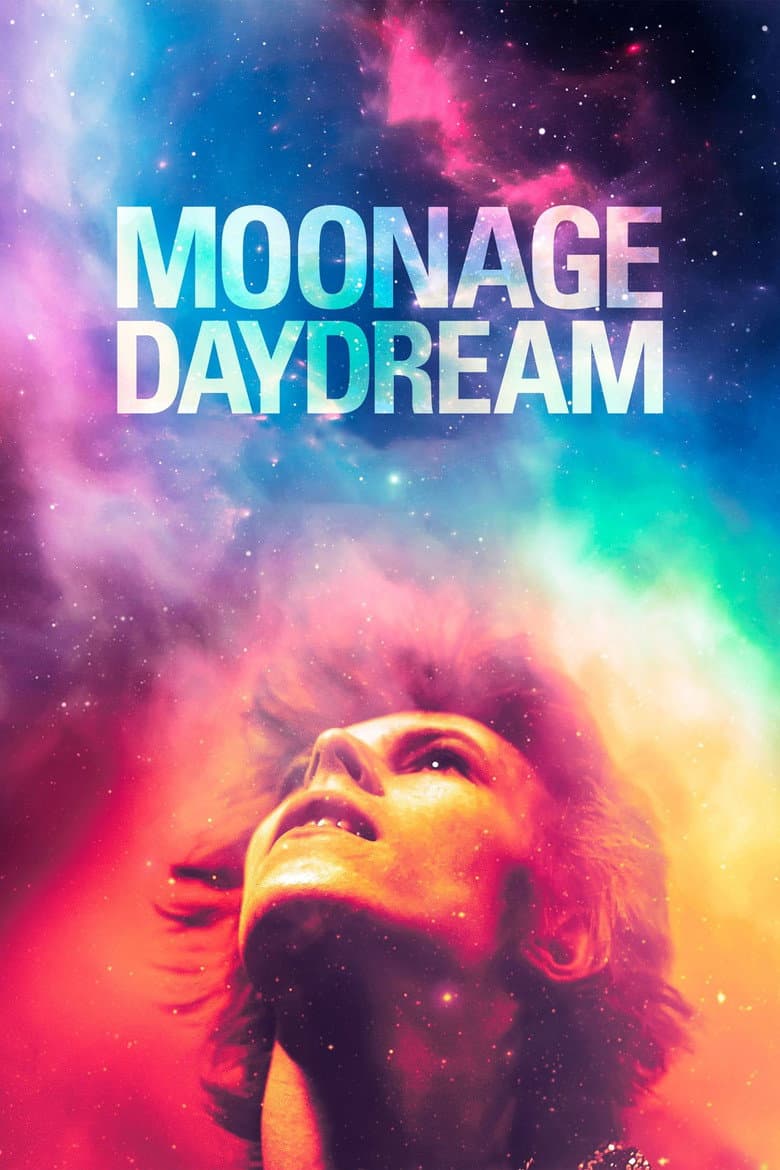
Moonage Daydream follows David Bowie through decades of music, stage personas, films, paintings, and private thoughts. The film moves from his early life and the rise of Ziggy Stardust to Berlin, world travel, marriage to Iman, and his final years. Bowie faces the problem of how to keep changing without losing himself, while he also thinks about family, mental illness, love, aging, and death. The story unfolds through old interviews, concerts, home material, animation, and fast moving images instead of a normal timeline. Its tone is loud, dreamy, intimate, and sometimes unsettling.
The strongest audience-visible woke elements come from Bowie's gender and sexuality. The film shows his makeup, dresses, and androgynous stage figures, and it includes his words about bisexuality, being genderless, and making a self that others cannot define. The film treats this freedom from fixed male and female roles as a good part of his art and personal journey. These ideas return across the film, but the larger focus stays on music, creative change, spiritual questions, family, and mortality.
Community feedback
Was our 50% Woke rating accurate?
Breakdown
These are the editorial factors and ratings behind our score for Moonage Daydream.
Woke representation / casting
Not present. The film centers on archival footage of one white British male. It does not build a diverse cast or use casting as a message.
0%
Woke political dialogue
Bowie says he felt genderless in an archival interview. He discusses bisexuality, gender bending, and the freedom to make a self outside fixed social roles in several clips. These comments support the film's view of identity, but the film does not contain a current political speech, DEI program, or organized activist campaign.
34%
Identity-driven story themes
The film repeatedly shows Bowie changing his public self through androgynous clothes, makeup, and stage figures that mix male and female signs. The film includes his bisexuality and his statement that he was genderless. Bowie links this freedom from fixed roles to his art and to the right to make a self. The film also spends major time on music, mortality, family, mental illness, and spiritual questions, so identity is a strong thread rather than the only subject.
70%
Western institutional / cultural critique
The film includes TV footage where a host mocks Bowie's clothing and gender presentation. The editing puts the host on the side of social judgment and Bowie on the side of personal freedom. Bowie tells viewers not to let society define who they are. The film does not keep attacking modern institutions, religion, family, capitalism, or traditional life across its full length.
24%
Woke character or canon changes
Not relevant. The documentary uses David Bowie's real archival interviews and performances. It does not change his race, gender, sexuality, or role in an established story.
0%
Anti-woke backlash and complaints
Not present. The supplied X pass found no anti-woke reaction. Web and audience discussion focused on the film's style, length, and missing biography, not on woke or DEI messaging.
0%
Creator track record context
Brett Morgen's stored score is 10/100, and his career is mainly artistic music and culture documentaries. The producers' stored scores are mostly low, although some have links to LGBTQ media, diversity plans, or identity-focused documentaries. The team provides a low supporting signal rather than a strong activist pattern.
16%
Production
Movie · 2020
This documentary examines unidentified aerial phenomenon. With testimony from high-ranking government officials and NASA Astronauts, Senator Harry Reid says it "makes the…
Movie · 2025
The individual journeys of the four members of the band, as they move through the music scene of the 1960s, playing small clubs throughout Britain and performing some of the…
Movie · 2017
The life and career of an actor, artist, and icon. His own journey through his own camera.

Movie · 2018
New York, 1980. Three complete strangers accidentally discover that they're identical triplets, separated at birth.
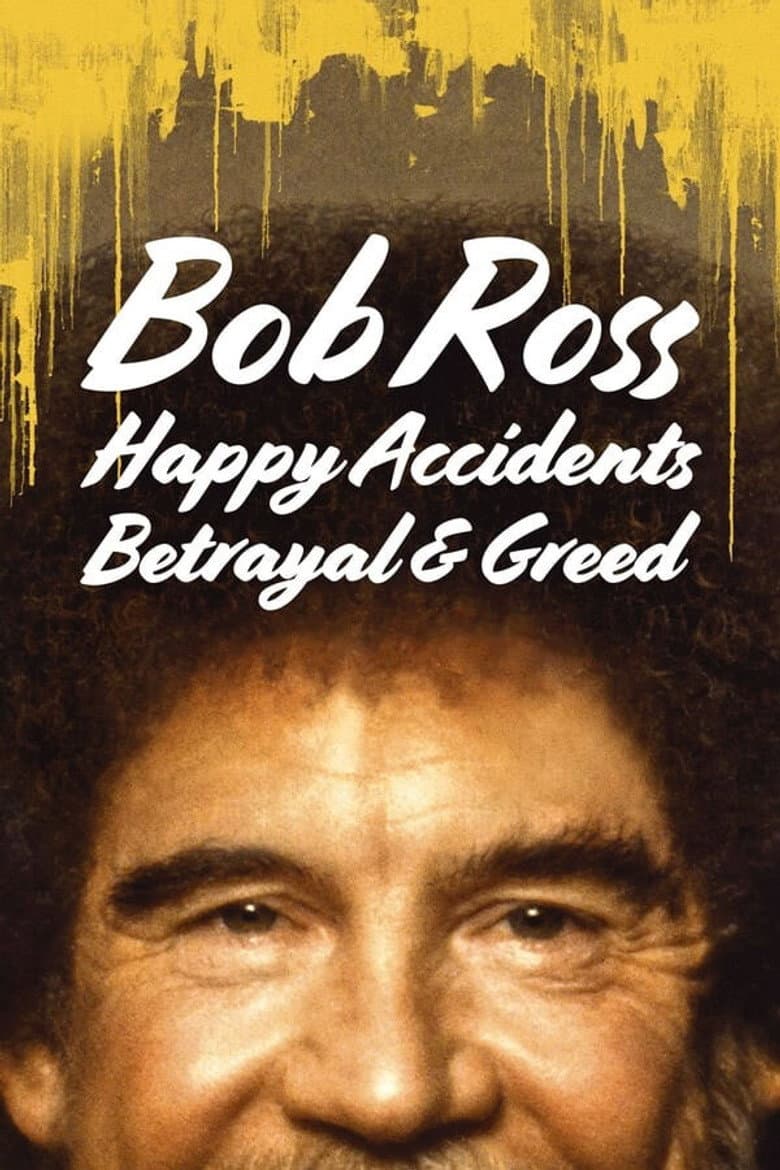
Movie · 2021
Bob Ross brought joy to millions as the world's most famous art instructor. But a battle for his business empire cast a shadow over his happy trees.

Movie · 2017
While investigating the furtive world of illegal doping in sports, director Bryan Fogel connects with renegade Russian scientist Dr.
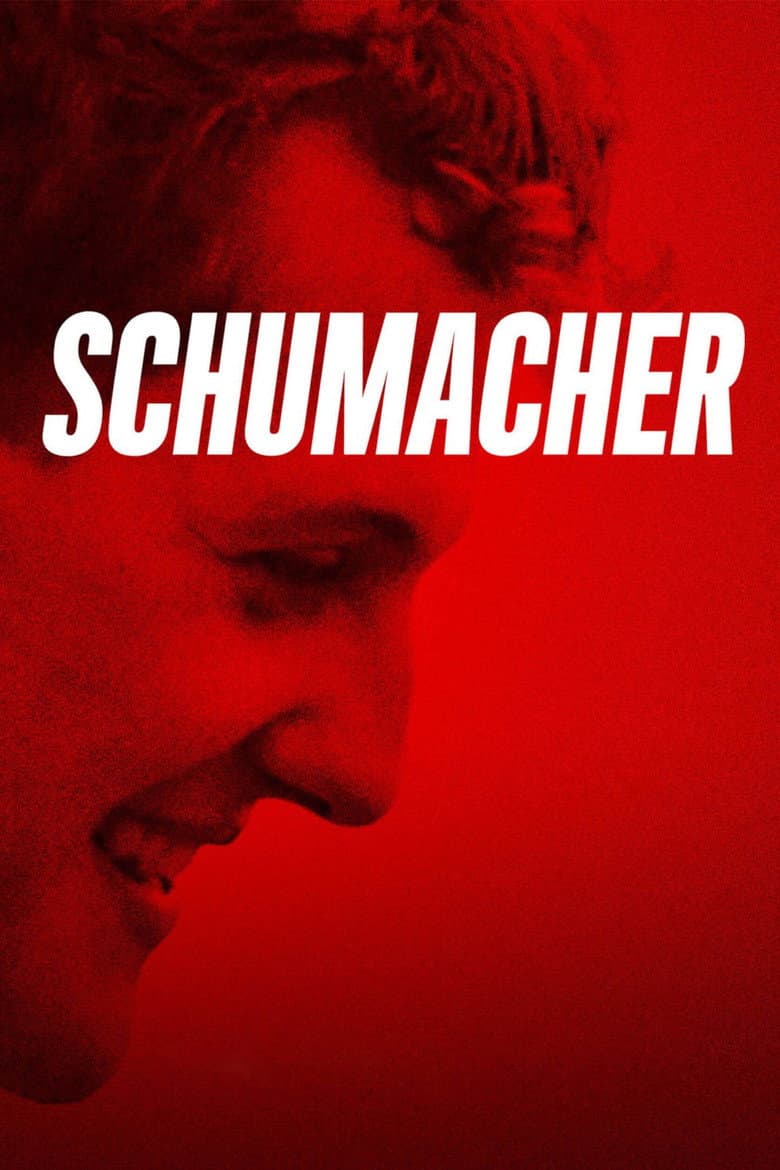
Movie · 2021
Through exclusive interviews and archival footage, this documentary traces an intimate portrait of seven-time Formula 1 champion Michael Schumacher.

Movie · 2023
The remarkable coming-of-age story of Stephen Curry—one of the most influential, dynamic, and unexpected players in basketball history—and his rise from an undersized college…
