
Frankie is a young artist who works at a comedy club in West Hollywood while trying to make videos that matter. She films Link, a strange man who rants against phones, fame, and consumerism, and the clip brings them sudden attention. Frankie, Link, and her friend Jake build a show called No One Special, but Link soon becomes the loud star he once mocked. The movie mixes romance, broad comedy, bright phone graphics, and a dark warning about fame, shame, and online crowds.
Mainstream gives its strongest message to the damage caused by social media, not to race, gender, or sexuality. Link attacks consumer culture and the hunger for views, then humiliates Isabelle on camera when the audience wants harsher content. Isabelle later dies by suicide, but Link turns the memorial into another angry speech and wins more attention. Frankie’s story gives the film a woman’s point of view, yet her main struggle is losing her creative purpose while chasing a man and an audience.
Community feedback
Was our 28% Woke rating accurate?
Breakdown
These are the editorial factors and ratings behind our score for Mainstream.
Woke representation / casting
The film puts a young woman at the center, and Coppola described it as using a female point of view. The influencer scenes briefly include Desmond Is Amazing and Patrick Starrr as real online personalities. The cast is not built as a diversity lineup, and no identity group carries the central story. The visible identity framing is brief and does not turn the movie into a diversity campaign.
15%
Woke political dialogue
Link opens with a rant against consumerism and later calls online fame a trap. The story repeatedly attacks the pressure to chase views, money, and instant praise. The final livestream becomes an angry speech about social media controlling its users. The film makes a broad anti-consumer and anti-platform point, but it does not argue for an identity-based political cause.
30%
Identity-driven story themes
Not present. The story is about online fame, self-image, and the loss of a real self. Race, gender, sexuality, or group identity do not drive the plot or character arcs.
0%
Western institutional / cultural critique
The film repeatedly shows social platforms, sponsors, and fame turning people into products. The team sells an anti-phone message while making money from ads and humiliating contestants for views. The critique targets internet and fame culture, not family life, Christianity, or male characters as part of a wider social message.
24%
Woke character or canon changes
Not relevant. The film tells an original story about fictional online creators. It does not alter a known character, established canon, or historical event.
0%
Anti-woke backlash and complaints
Not present. Public discussion mainly calls the movie dated, messy, or too loud. No clear anti-woke complaints about DEI, identity politics, or representation were reported.
0%
Creator track record context
Gia Coppola has a cached score of 6, and her interviews about this film focus on online fame and authenticity. Tom Stuart has a cached score of 45 from a past script about gay identity and queer history. Andrew Garfield has a cached score of 30 for supporting marriage equality, and Siena Oberman has a cached score of 50 for backing female-driven stories. These mixed signals support a mild creator-context score, while the film itself does not use those subjects as its main story.
24%
Production

Movie · 2023
Single mom Flora is at a loss about what to do with her rebellious teenage son, Max. Her efforts to keep him out of trouble lead to a beat-up acoustic guitar, a washed-up LA…

Movie · 2017
An aspiring actor in Hollywood meets an enigmatic stranger by the name of Tommy Wiseau, the meeting leads the actor down a path nobody could have predicted; creating the worst…
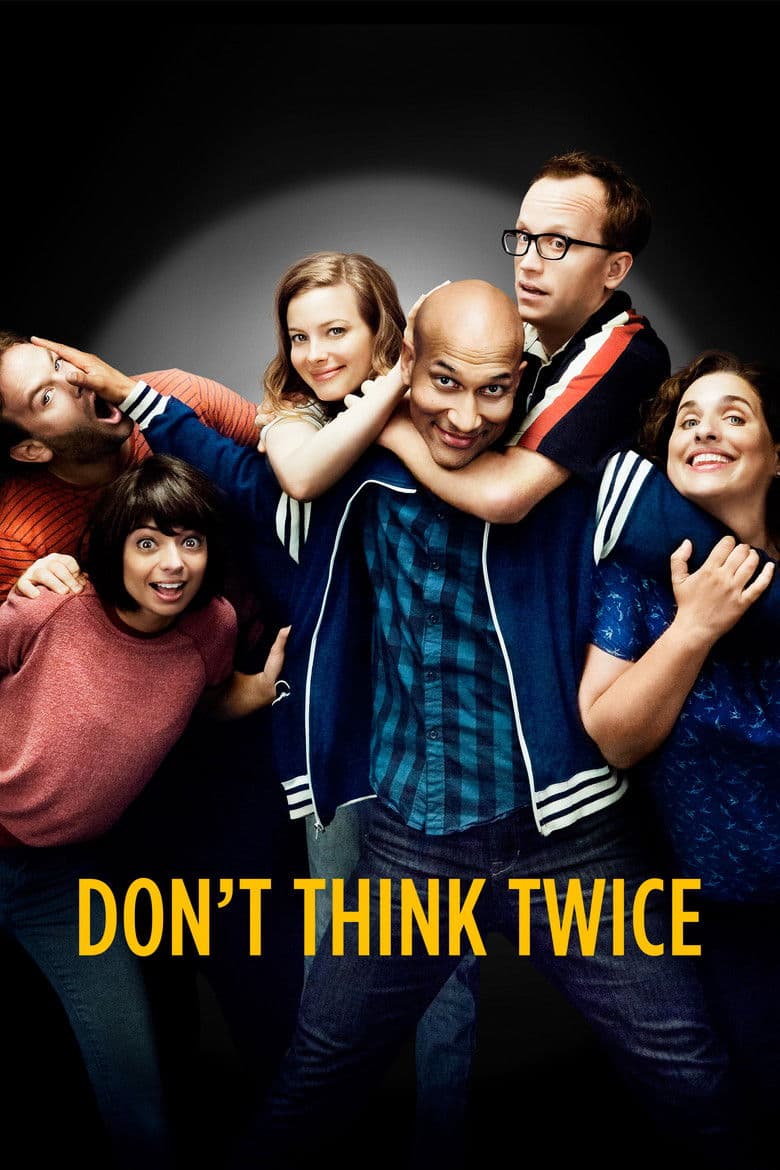
Movie · 2016
An improv group deals with several crises, including the loss of their lease and one member hitting the big time.
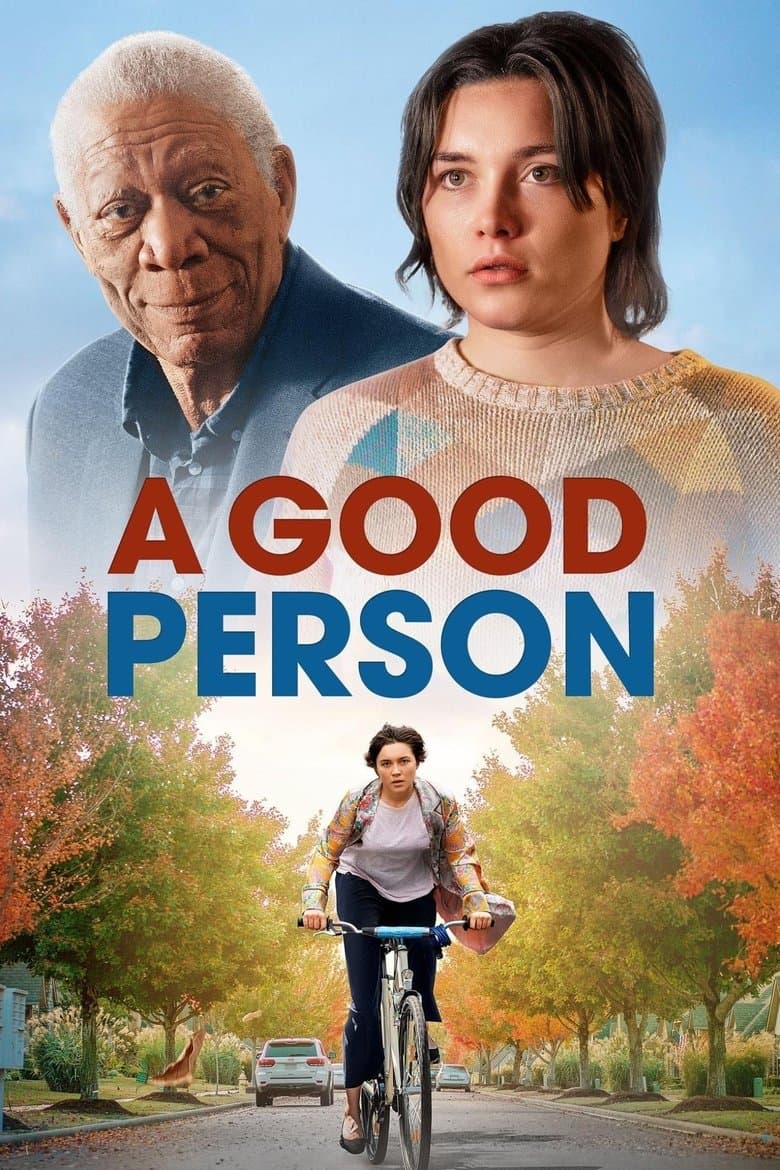
Movie · 2023
Allison's life falls apart following her involvement in a fatal accident. The unlikely relationship she forms with her would-be father-in-law helps her live a life worth living.

Movie · 2022
Two lifelong friends find themselves at an impasse when one abruptly ends their relationship, with alarming consequences for both of them.
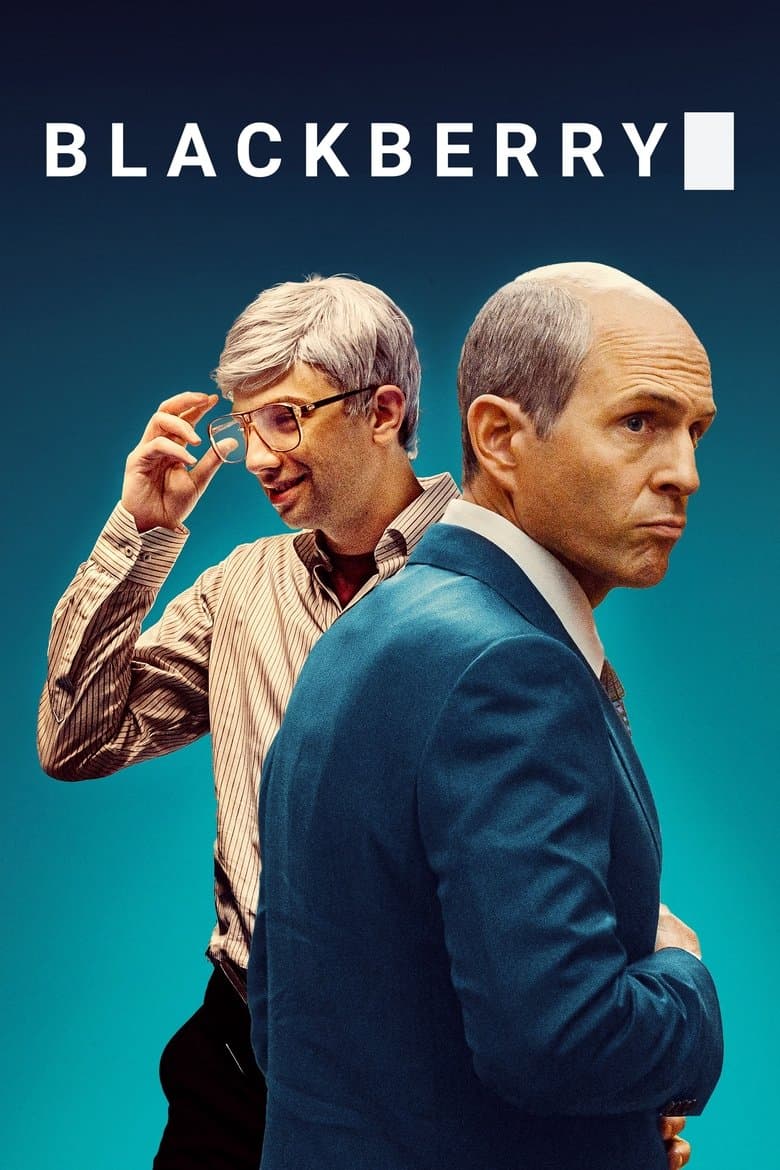
Movie · 2023
Two mismatched entrepreneurs – egghead innovator Mike Lazaridis and cut-throat businessman Jim Balsillie – joined forces in an endeavour that was to become a worldwide hit in…
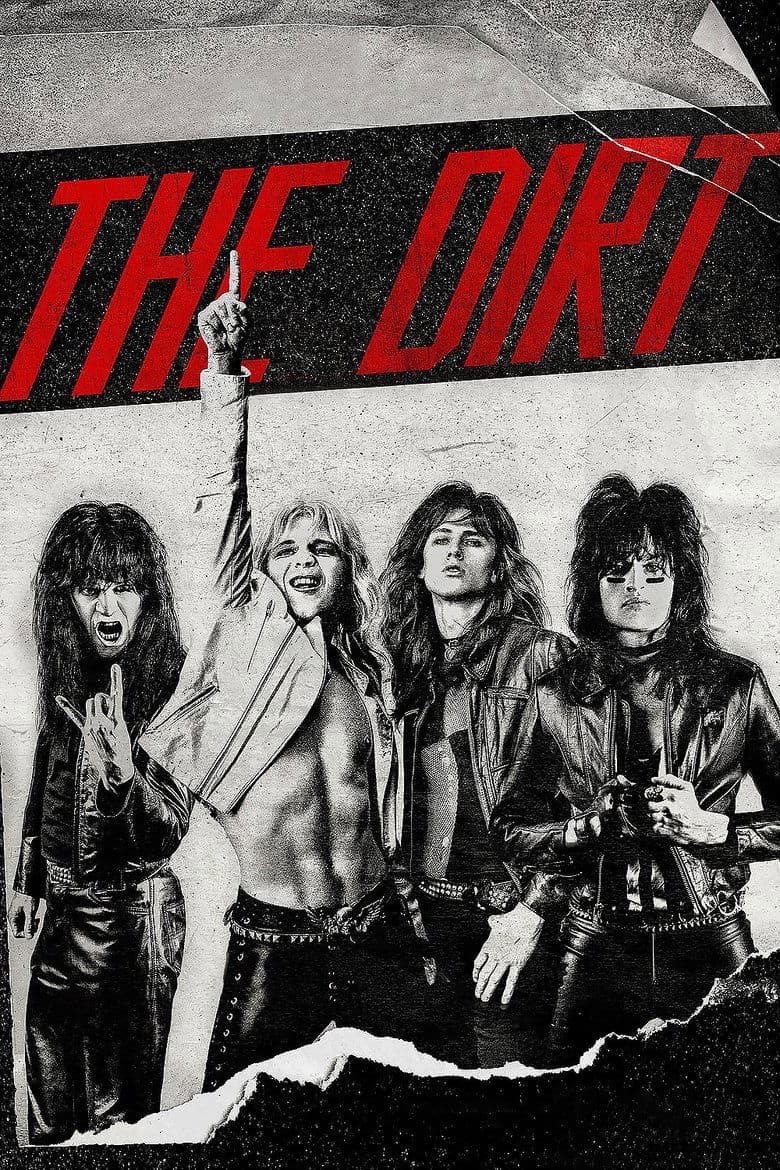
Movie · 2019
The story of Mötley Crüe and their rise from the Sunset Strip club scene of the early 1980s to superstardom.

Movie · 2019
An unlikely friendship between two neighbors becomes an unexpectedly emotional journey when the younger man is diagnosed with terminal cancer.
