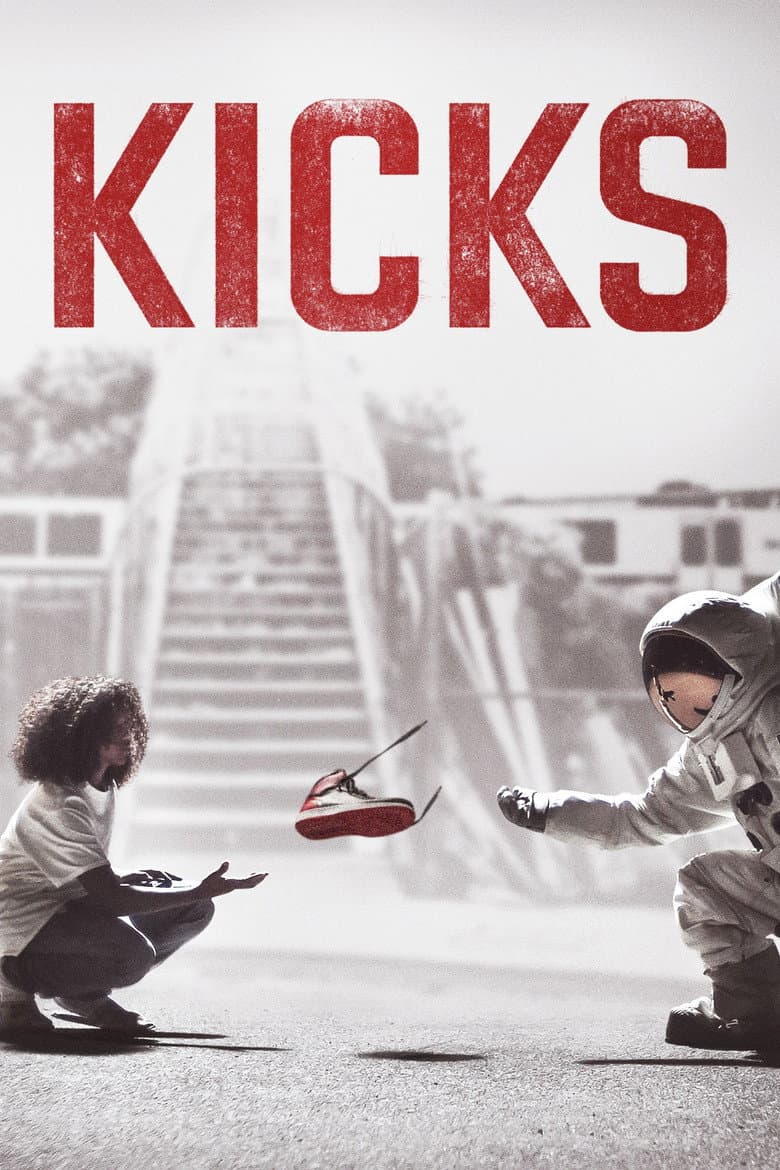
Kicks follows Brandon, a small and shy 15-year-old in Richmond and Oakland. He saves for a prized pair of Air Jordans, but Flaco steals them at gunpoint. Brandon and his friends Rico and Albert cross the Bay Area to get the shoes back, and the trip turns deadly. The film mixes rough street drama, dark humor, hip-hop, and dreamlike images.
The film makes Brandon’s struggle with manhood a main part of the story. Boys treat toughness, sex, status, and violence as proof that someone is a man. Brandon’s choices show how those rules can spread fear and harm through poor neighborhoods. The movie also puts Black teenagers and local actors at the center while questioning macho ideas, poverty, and the power of expensive brands.
Community feedback
Was our 66% Woke rating accurate?
Breakdown
These are the editorial factors and ratings behind our score for Kicks.
Woke representation / casting
The film puts Black teenagers at the center of nearly every major role, and it uses many local actors and extras. The East Bay setting makes that casting believable, so the casting fits the place and story. Tipping still described the cast as all people of color and spoke about underrepresentation and reaching local youth. Representation is visible as a production goal, but it does not replace the main story.
40%
Woke political dialogue
The film repeats talk about becoming a man, being told to man up, and proving yourself through violence. Brandon and his friends also link status, sex, and toughness. The story questions those rules, but it does not stop for long speeches about politics, race, or DEI. The gender message appears through short lines and repeated talk.
30%
Identity-driven story themes
The story makes Brandon’s need to prove he is a man the main reason he chases the shoes. Brandon learns that toughness, sex, status, and violence are treated as proof of manhood. Flaco, Marlon, and the boys show how older men pass those rules to younger boys. The film questions this model and links it to poverty, fear, and loss.
63%
Western institutional / cultural critique
The film treats macho rules as harmful and links them to violence, poverty, and pressure on boys. The story also shows money and sneaker status as traps that shape how people see themselves. The story shows family and neighborhood role models as flawed, but it does not attack Christianity or Western institutions. The critique stays close to male behavior and local life instead of becoming a broad political argument.
48%
Woke character or canon changes
Not relevant. The film is an original story about fictional characters. It is inspired by the director’s childhood experience, but it does not change an established character, canon, or historical figure.
0%
Anti-woke backlash and complaints
Not present. The separate X research found no anti-woke reaction and no specific complaints. Other coverage showed praise, mixed reviews, or complaints that the film did not discuss social systems enough, not claims that it pushed woke or DEI ideas.
0%
Creator track record context
Justin Tipping has a stored score of 75 and a record of work about masculinity, inequality, and less often seen groups. His interviews frame Kicks around changing ideas of manhood, ending violence, and giving people of color more room on screen. Joshua Beirne-Golden has a stored score of 55, and Adele Romanski has 53, both tied to culturally specific or identity-focused films. The other listed producers have stored scores from 6 to 18 and do not add a strong activist signal.
63%
Production

Movie · 2017
A doctor desperately tries to save his wife and their 5 year old son after their vacation in the Bahamas takes an unexpected turn.
Movie · 2022
Tormented by a past life, garbage man Clean attempts a life of quiet redemption. But when his good intentions mark him a target of a local crime boss, Clean is forced to reconcile…

Movie · 2023
The ultimate wish-fulfillment tale of a teenage Gran Turismo player whose gaming skills won him a series of Nissan competitions to become an actual professional racecar driver.
Movie · 2022
A noir thriller set in Miami, the film follows an enforcer who discovers his femme fatale boss has branched out into cyber sex trafficking, putting a young runaway he’s befriended…
Movie · 2016
Los Reyes County, Arizona. Leland, a retired lawman, works with Wallace, the new sheriff who replaces him, when a vicious hit man, sent by a Mexican drug cartel, threatens their…
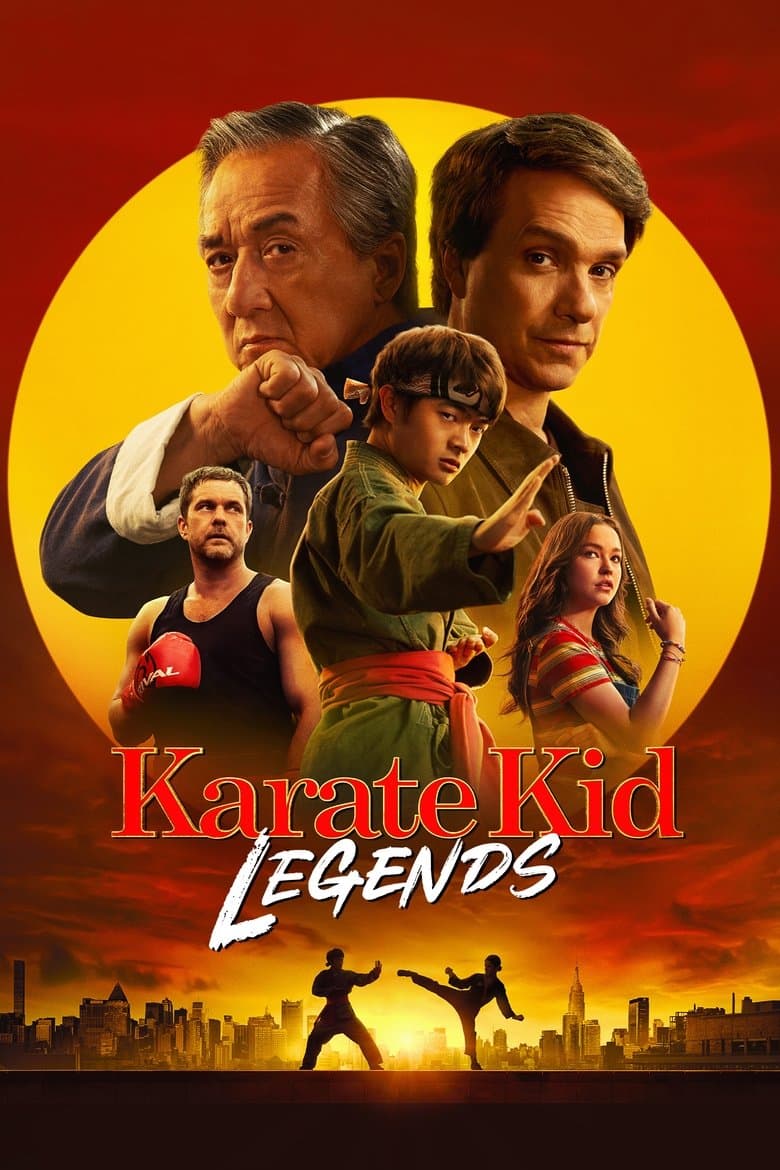
Movie · 2025
After a family tragedy, kung fu prodigy Li Fong is uprooted from his home in Beijing and forced to move to New York City with his mother.
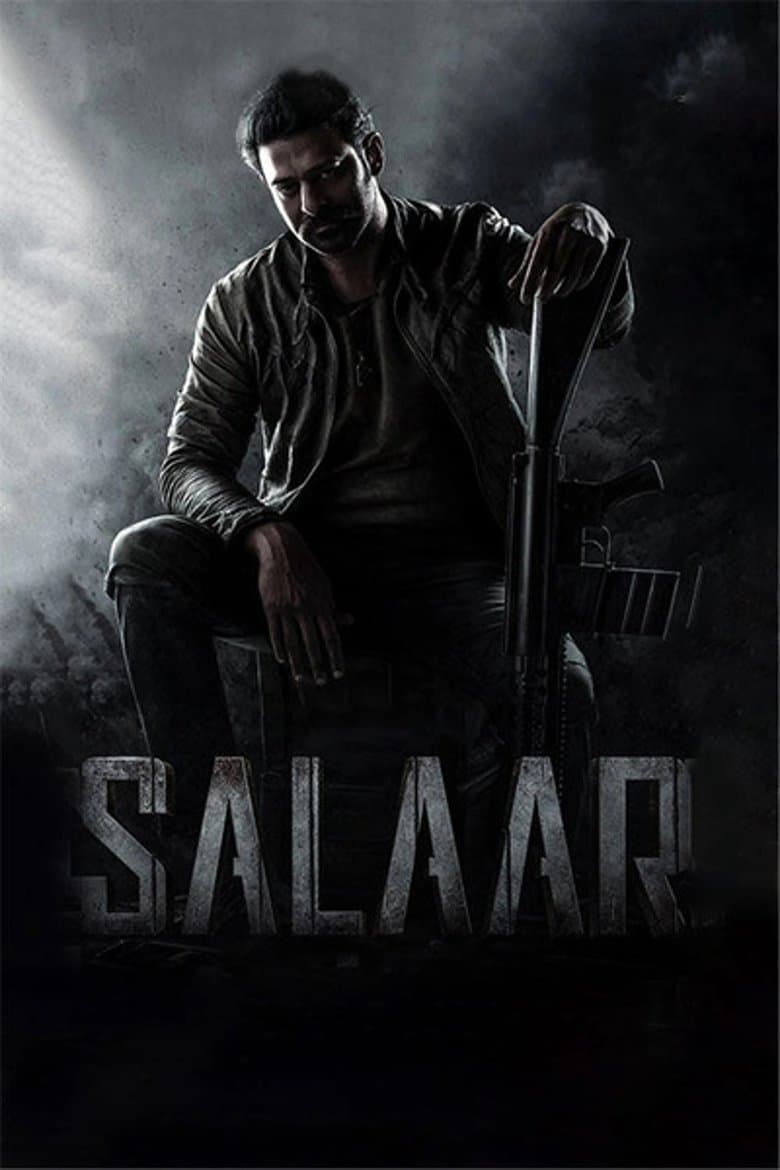
Movie · 2023
Set in the fictional dystopian city-state of Khansaar, the film follows the friendship between Deva, a tribesman, and Varadha, the prince of Khansaar.
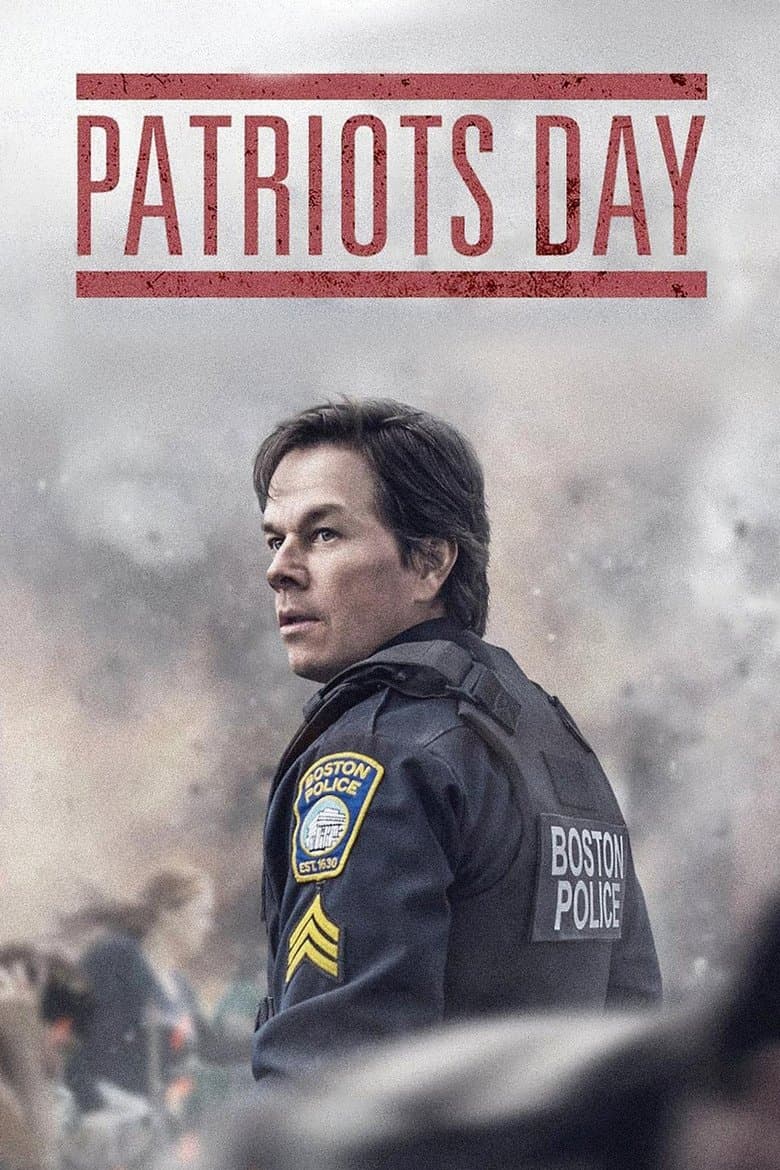
Movie · 2016
In the aftermath of an unspeakable act of terror, Police Sergeant Tommy Saunders joins courageous survivors, first responders and investigators in a race against the clock to hunt…
