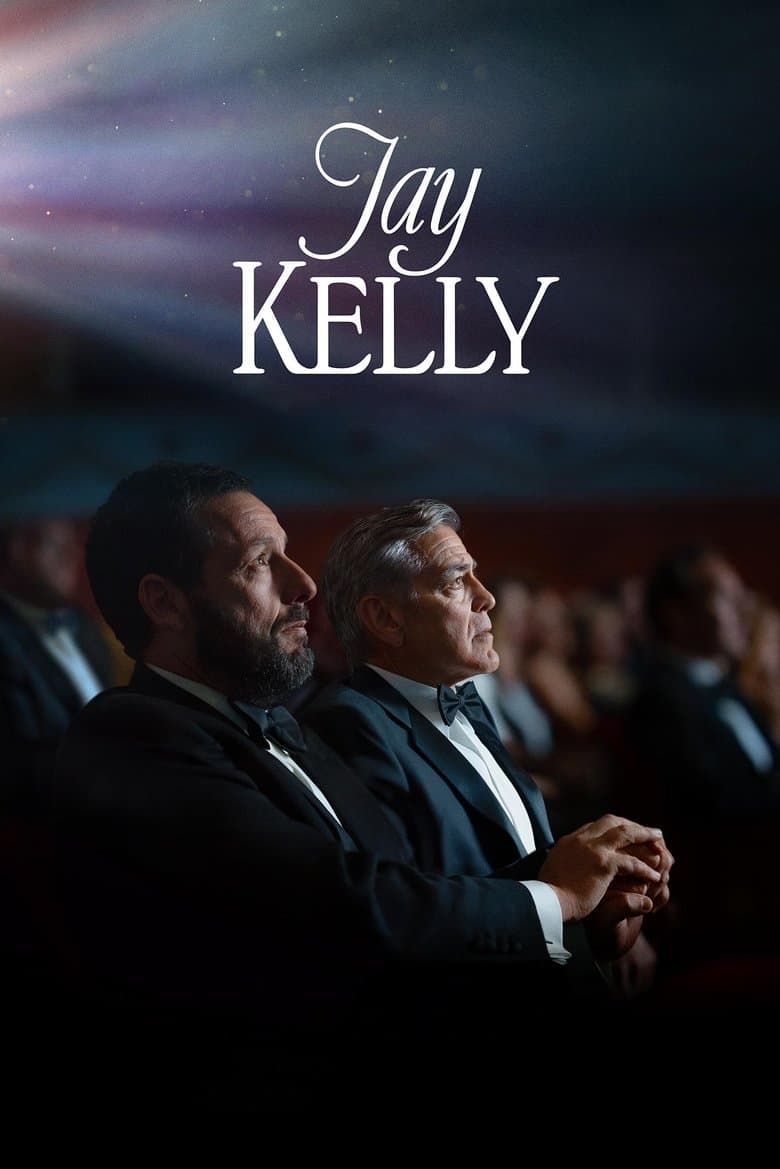
Jay Kelly is a famous movie star who has spent most of his life working. After an old mentor dies and his younger daughter leaves for Europe, Jay follows her from Los Angeles to France and Italy. He travels with his manager Ron while his publicist and old friends deal with his sudden choices. The film mixes dry comedy with sadness as Jay faces his age, broken family ties, and fear that his career did not make him happy.
Jay’s most visible identity-related moment comes when the ceremony jokes about two middle-aged white men getting the award. The film also places black actress Grace Edwards in the major role of Daisy, whose wish for independence drives much of Jay’s trip. The central lesson is that Jay has put work, fame, and his own image above his daughters, his manager, and old friends. The film asks whether a person can change after years of selfish choices, and it answers with regret, honesty, and a small chance to repair a family bond.
Community feedback
Was our 24% Woke rating accurate?
Breakdown
These are the editorial factors and ratings behind our score for Jay Kelly.
Woke representation / casting
Grace Edwards, a black actress, plays Jay’s prominent younger daughter beside white actor George Clooney. The story does not give Daisy a race-based backstory or make the casting part of her character. A late joke also points out that two middle-aged white men receive the festival award. The film does not market the cast as a wider diversity campaign, so this remains a mild, isolated representation signal.
24%
Woke political dialogue
The award scene jokes that Italy is honoring “two middle-aged white men.” The line links race and sex to who receives public honors and uses a current diversity concern. The joke appears once and does not become a debate or political speech. The rest of the dialogue deals with work, fame, family, and aging.
14%
Identity-driven story themes
Not present. The film uses identity as a personal question about acting and self-image, not as a race, gender, queer, or activist theme. Its main conflict is Jay’s damage to family and friends.
0%
Western institutional / cultural critique
Jay repeatedly treats his daughters and female staff as parts of his work life, and they push back against his demands. The film also makes a brief joke about two middle-aged white men receiving a public award. These moments give a mild critique of male entitlement and award representation. The larger story stays focused on one selfish celebrity, not a broad attack on Western institutions or traditional family life.
14%
Woke character or canon changes
Not relevant. Jay Kelly tells an original story about a fictional actor and does not change an established character, canon, or real historical event.
0%
Anti-woke backlash and complaints
Not present. No anti-woke backlash was found. Available discussion centers on the cast, the film’s quality, rich-star problems, and family regret rather than DEI or activist messaging.
0%
Creator track record context
Emily Mortimer’s past work includes feminism and same-sex relationships, while Noah Baumbach is mainly linked to personal family dramas. Nina Gold and David Heyman have some diversity-focused context, while the other listed creators have little activist record. Jay Kelly itself centers on fame, aging, fatherhood, and family regret, so this background is a mild supporting signal rather than a strong part of the film.
30%
Production

Movie · 2023
Two mismatched entrepreneurs – egghead innovator Mike Lazaridis and cut-throat businessman Jim Balsillie – joined forces in an endeavour that was to become a worldwide hit in…

Movie · 2016
Having suffered a tragedy, Ben becomes a caregiver to earn money. His first client, Trevor, is a hilarious 18-year-old with muscular dystrophy.

Movie · 2024
Emotions run high when three estranged sisters reunite in a cramped New York City apartment to watch over their ailing father during his final days.
Movie · 2022
After discovering a once-in-a-lifetime player with a rocky past abroad, a down on his luck basketball scout takes it upon himself to bring the phenom to the States without his…

Movie · 2020
Four stagnant high school teachers decide to test out a theory that maintaining a constant level of intoxication will improve their overall lives.
Movie · 2019
The story of Mötley Crüe and their rise from the Sunset Strip club scene of the early 1980s to superstardom.

Movie · 2023
Single mom Flora is at a loss about what to do with her rebellious teenage son, Max. Her efforts to keep him out of trouble lead to a beat-up acoustic guitar, a washed-up LA…
Movie · 2023
Leo and Angela Russo live a simple life in Queens, surrounded by their overbearing Italian-American family. When their son finds success on his high school basketball team, Leo…
