
Interceptor follows Captain JJ Collins, a U.S. Army officer sent back to a remote missile defense platform in the Pacific. Terrorists take control of the base while sixteen nuclear missiles aim at American cities. Collins must fight through the crew, protect the controls, and stop the missiles before help arrives. The film uses fast fights, loud threats, and a serious danger that often feels like an old action movie.
The main woke elements come from Collins' story about sexual harassment by a senior general, Army retaliation, and the hate she receives after reporting him. The film also gives speeches about American failure, old race laws, immigration, Hindu discrimination, inherited wealth, and women's rights. A Spanish-raised female captain leads the action beside a black female officer, a Hindu American soldier, a woman president, and a female attacker. These ideas affect the hero's past, but the missile siege remains the main story.
Community feedback
Was our 54% Woke rating accurate?
Breakdown
These are the editorial factors and ratings behind our score for Interceptor.
Woke representation / casting
JJ Collins is a Spanish-raised woman who leads the action as a U.S. Army captain. The film also puts a black female ensign, a Hindu American corporal, a female president, and a female mercenary in visible roles. Netflix markets JJ as a woman taking the lead in a male-dominated space, and Elsa Pataky said she wanted her daughter to see that women can kick ass. This creates a clear female-action and diversity pattern, although the movie remains mainly an action thriller.
38%
Woke political dialogue
Kessel gives a long speech that calls America a lie and questions the idea that America is special. He points to the Civil War, Jim Crow race laws, and extra airport screening faced by Hindu Americans. Beaver blames immigrants for his job loss and says the government took away his rights, while Collins rejects his excuse for mass murder. The film returns to these ideas in several major confrontations, but they remain inside a missile thriller.
40%
Identity-driven story themes
Collins' personal story centers on reporting sexual harassment by a powerful general. The Army punishes her, soldiers send hate mail and death threats, and the film links her survival to women facing the same treatment. The plot also makes Shah's Hindu identity part of a public confrontation with the attackers. These themes shape Collins' reason for fighting, but the missile attack still takes most of the screen time.
45%
Western institutional / cultural critique
The film presents Army leadership as protecting a general who harassed Collins and then punishing her for speaking up. The villain attacks inherited wealth, political donations, and a rich family's power. The film also questions American greatness and uses racism, anti-immigrant talk, and airport screening as signs of a broken country. The military and the president still help Collins save the country, so the critique is strong but not the film's only message.
48%
Woke character or canon changes
Not relevant. The film is an original story, so it does not change an established character, canon, or real event.
0%
Anti-woke backlash and complaints
Some reviewers called the film woke or virtue signaling because of the harassment backstory, diverse supporting cast, female president, and social criticism. A Reddit discussion also recorded claims that the movie was anti-white and made white men villains or fools. The larger reaction focused on weak writing and bad action, so the anti-woke backlash was real but limited.
34%
Creator track record context
The cached profiles give Matthew Reilly and Stuart Beattie no strong record of political or identity-driven work. Chris Hemsworth has made occasional comments about conservative climate policy, and two producers have credits on the Indigenous film Bran Nue Dae. Another producer worked on The Danish Girl, but this is a limited link rather than a broad activist pattern. Creator context therefore adds only a small signal.
10%
Production

Movie · 2023
After a heroic job of successfully landing his storm-damaged aircraft in a war zone, a fearless pilot finds himself between the agendas of multiple militias planning to take the…
Movie · 2019
Struggling to make ends meet, former special ops soldiers reunite for a high-stakes heist: stealing $75 million from a South American drug lord.

Movie · 2024
Kraven Kravinoff's complex relationship with his ruthless gangster father, Nikolai, starts him down a path of vengeance with brutal consequences, motivating him to become not only…
Movie · 2017
Following the murder of his fiancée, Mitch Rapp trains under the instruction of Cold War veteran Stan Hurley.
Movie · 2016
A young civil war veteran is forced on a desperate journey to save his kidnapped wife.
Movie · 2023
When a mysterious caller plants a bomb under his car seat, a bank executive begins a high-speed chase across the city to complete a specific series of tasks — all with his kids…
Movie · 2023
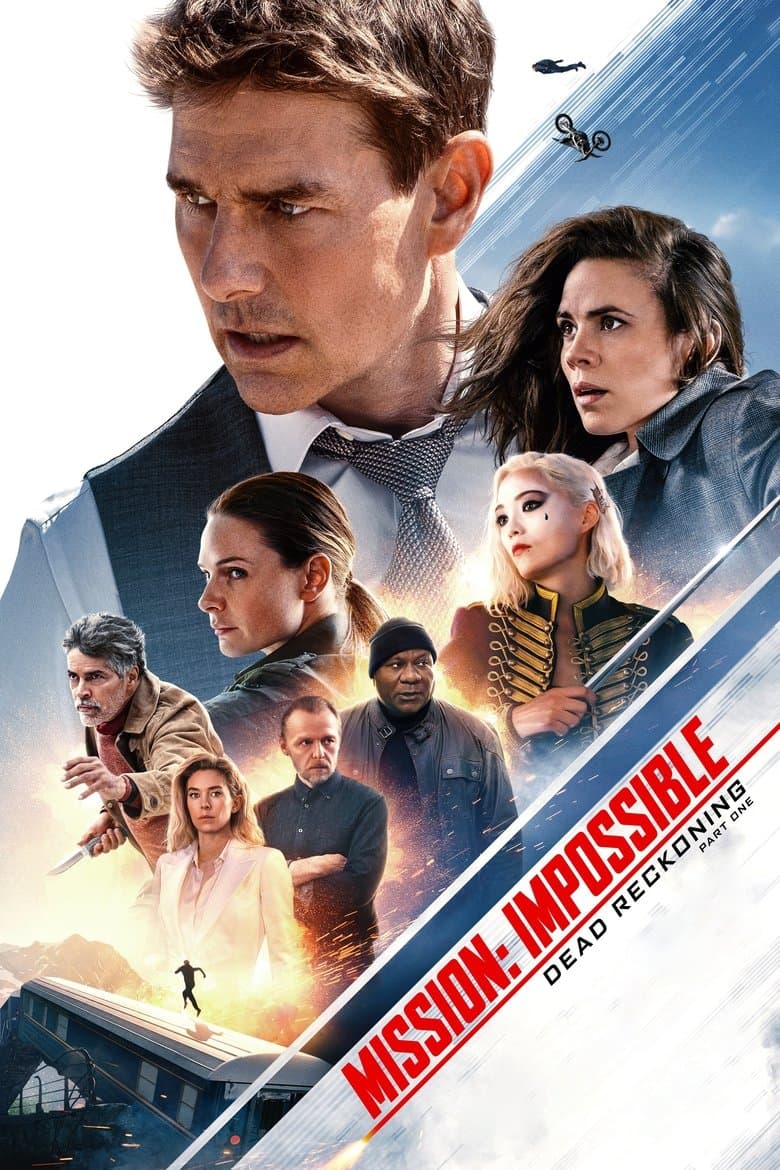
Ethan Hunt and his IMF team embark on their most dangerous mission yet: To track down a terrifying new weapon that threatens all of humanity before it falls into the wrong hands.

Movie · 2016
A man who bears a striking resemblance to a renowned movie star becomes an obsessive fan, but when his fierce love is spurned by the star, he decides to destroy the star's life…
