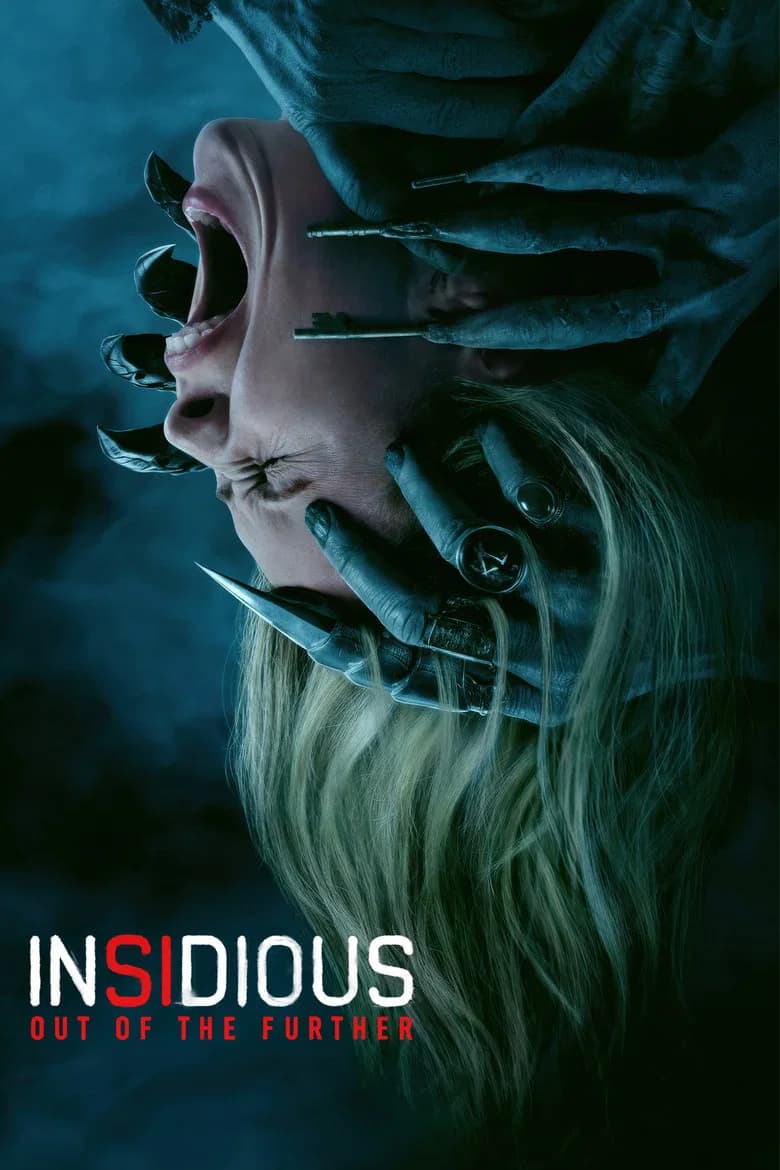
Gemma is a young mother and dental hygienist who lives with her daughter, Maya, in the house where she grew up. Gemma can enter the Further, a dark realm filled with dead and dangerous spirits, and she can bring some of them into the real world. A cult leader named Cyrus wants to use her power to escape and unleash the dead. Gemma must protect Maya while she faces the truth about her own mother and the strange events of her childhood. The film mixes jump scares, dreamlike spaces, body horror, and dark humor. The clearest identity-driven element is the story's focus on three generations of women. Gemma, Ingrid, and Maya share the supernatural gift, while Elise and Clare help Gemma fight the threat. Gemma holds the key power and creates the final solution, while her boyfriend Nick handles a supporting task in the real world. This makes female strength and the mother-daughter bond important parts of the story, but the film does not turn them into speeches about politics, diversity, or social change. The main themes are inherited pain, family duty, forgiveness, and protecting a child.
Community feedback
Was our 22% Woke rating accurate?
Breakdown
These are the editorial factors and ratings behind our score for Insidious: Out of the Further.
Woke representation / casting
The film places women in the main hero and guide roles, and it gives Clare and Nick prominent supporting parts. The modern American setting makes the ethnic mix believable, and neither the story nor the marketing presents it as a diversity campaign. This is a mild audience-visible representation signal, not a dominant casting message.
18%
Woke political dialogue
Not present. The dialogue explains the Further, death, family history, and fear. No recurring lines push identity, gender, DEI, or activist ideas.
0%
Identity-driven story themes
The film makes a line of three women and their inherited gift central to the plot. Gemma, Ingrid, and Maya carry the supernatural power, while Elise and Clare help solve the crisis. Nick is useful in the real world but stays secondary to the women’s supernatural work. The story also leaves fathers outside the main family drama, but it presents this as a mother-daughter horror story rather than a political lesson.
28%
Western institutional / cultural critique
Not present. The story shows the family mistaking supernatural harm for mental illness, but it does not attack medicine, religion, law, or another Western institution. It does not mock men, Christianity, or family life.
0%
Woke character or canon changes
Not relevant. The movie introduces a new family and keeps Elise's return within the series' spirit world. It does not change the race, gender, or sexuality of an established character or historical figure.
0%
Anti-woke backlash and complaints
Not present. Audience and news coverage focus on horror, story problems, and franchise lore. No sustained public complaint says the film pushes woke, DEI, identity politics, or left-wing messaging. The X praise for being “not woke” is not backlash.
0%
Creator track record context
Jacob Chase, Leigh Whannell, David Leslie Johnson-McGoldrick, and James Wan have low stored scores and mainly make horror. Jason Blum has the highest stored score because of past political comments and themes in some other projects. The other listed producers have low stored scores and no known activist pattern. No interview frames this film as an activist or diversity project.
15%
Production
Movie · 2021
Paranormal investigators Ed and Lorraine Warren encounter what would become one of the most sensational cases from their files.
Movie · 2025
One year since the supernatural nightmare at Freddy Fazbear's Pizza, the stories about what transpired there have been twisted into a campy local legend, inspiring the town's…
Movie · 2017
Two sisters on Mexican vacation are trapped in a shark observation cage at the bottom of the ocean, with oxygen running low and great whites circling nearby, they have less than…
Movie · 2018
After waking up to find himself all alone in an apartment where a massive party was being held the night before, Sam is immediately forced to face a terrifying reality: the living…
Movie · 2025
When Polly receives a mysterious box, it comes with one rule: place inside something she needs, something she hates, and something she loves.
Movie · 2016
A young American woman takes a job as a nanny in a remote English village, soon discovering that the family's eight-year-old son is a life-sized doll that comes with a list of…
Movie · 2016
While surfing on a secluded beach, Nancy finds herself in the feeding grounds of a great white shark. Though stranded only 200 yards from shore, survival proves to be the ultimate…
Movie · 2021
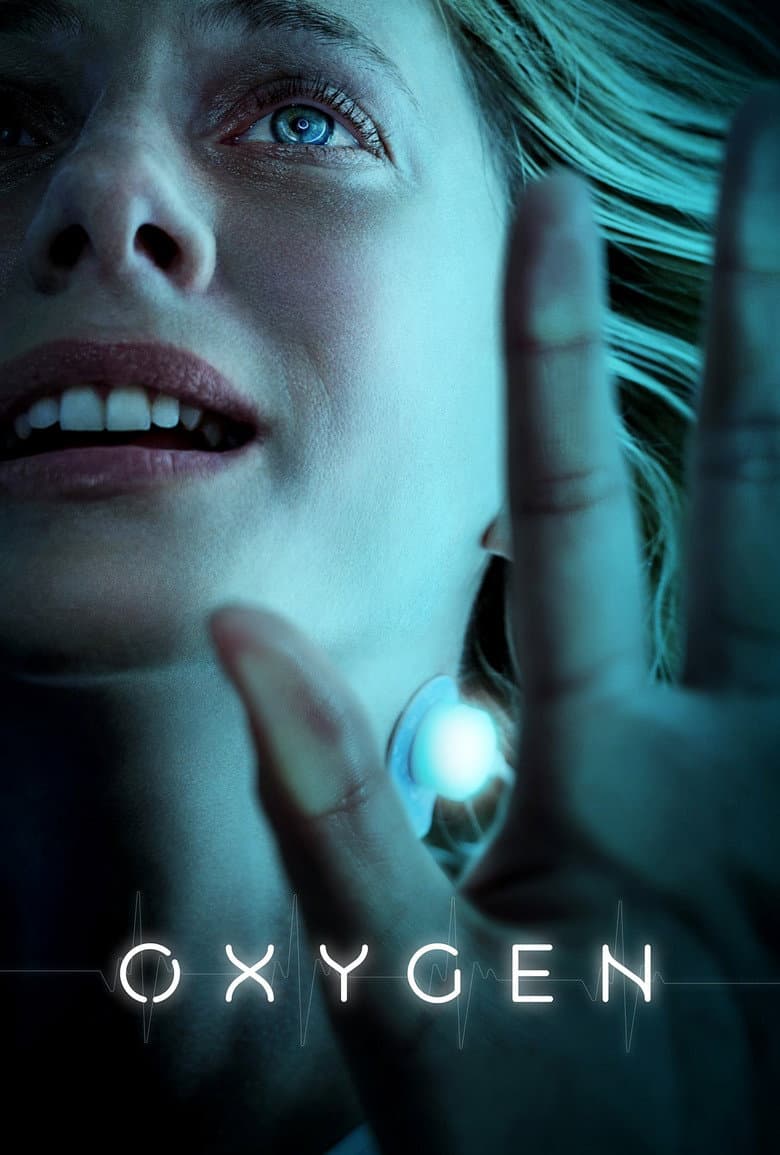
A woman wakes in a cryogenic chamber with no recollection of how she got there, and must find a way out before running out of air.
