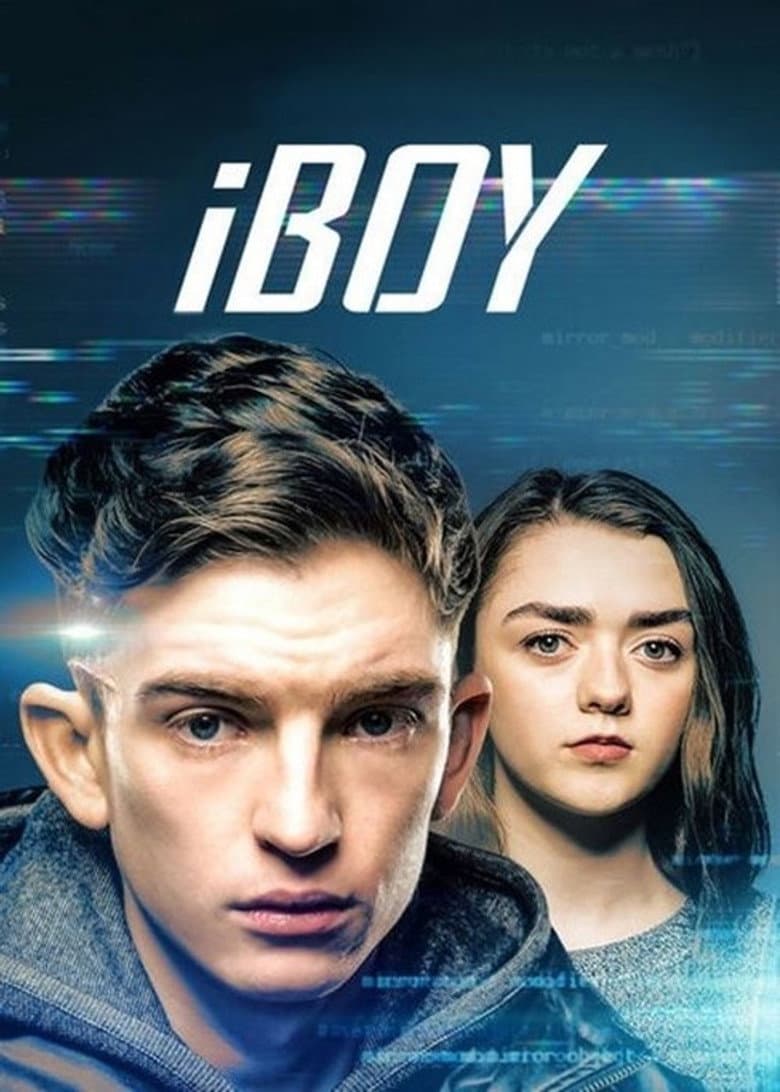
Tom Harvey is a shy schoolboy who lives with his grandmother on a poor London estate ruled by local gangs. After he is shot while trying to help Lucy, pieces of his phone remain inside his head. Tom wakes from a coma with the power to search the internet, read messages, control devices, and break into accounts. He becomes the masked iBoy and uses those powers to hunt the men who hurt Lucy, in a dark and violent teen thriller.
The film makes Lucy’s sexual assault a central part of the conflict, and it shows her speaking about the harm and facing the attackers. Tom’s revenge is driven by male violence against a girl, while Lucy and Tom’s grandmother give the story its main moral weight. The film also links gang crime to poverty, weak chances, and the pressure to earn easy money. These ideas are visible and serious, but the movie mainly tells a revenge and technology story instead of a broad political story.
Community feedback
Was our 33% Woke rating accurate?
Breakdown
These are the editorial factors and ratings behind our score for iBoy.
Woke representation / casting
Not present. The film uses a white lead, a white girl, and a mixed group of London teens. The casting fits the modern East London setting, and the film does not frame it as a diversity message.
0%
Woke political dialogue
Not present. The film has no clear speeches, slogans, or repeated lines about modern identity, DEI, or activist politics. Its spoken conflict stays focused on gangs, revenge, technology, and personal harm.
0%
Identity-driven story themes
The story begins with Lucy being sexually assaulted by local gang members, and that event drives Tom’s revenge. Lucy later speaks about what happened and faces the attackers herself with a gun. The film shows male violence against a girl as a central danger in the estate. Tom’s grandmother and Lucy also give the women in the story a clear moral voice.
48%
Western institutional / cultural critique
The film contrasts the gang-controlled estate with nearby wealth and safer business areas. The story links crime to poverty, drug money, and the lack of a clear way out. Tom’s school work is shown as one of the few paths beyond the estate. The film does not directly attack Christianity, capitalism, or Western institutions, so this class message stays mild.
24%
Woke character or canon changes
Not relevant. The film adapts Kevin Brooks’s novel, but no clear race, gender, sexuality, or hero-role change is reported. Its changes concern the phone technology and the movie format.
0%
Anti-woke backlash and complaints
Not present. The separate X research pass found no anti-woke reaction, boycott talk, or review-bombing. Other web discussion mainly criticized the plot, tone, effects, and Lucy’s treatment.
0%
Creator track record context
The director and writers have no known activist record. Some producers have backed films about race, sexuality, or gender, but their stored records do not show strong personal activism. The wider creator history adds only a small signal.
15%
Production
Movie · 2016
CIA Agent Bill Pope is on a mission to track down a shadowy hacker named 'The Dutchman'. When he gets mysteriously killed, an experimental procedure transfers his memories into a…
Movie · 2025
Set against the backdrop of a postapocalyptic Earth whose Eastern Hemisphere was destroyed by a massive solar flare, leaving what life remains mutated from radiation and fallout.

Movie · 2024
Post-apocalyptic survivors find refuge in the Rocky Mountains to hide from giant, insect-like creatures that can't live above 8,000 feet.
Movie · 2021
A former special forces agent is trapped in a time loop and relives his death over and over again. To escape the terrible situation, he must track down those responsible and stop…
Movie · 2016
A special-ops team is dispatched to fight supernatural beings that have taken over a European city.
Movie · 2020
As a grisly virus rampages a city, a lone man stays locked inside his apartment, digitally cut off from seeking help and desperate to find a way out.
Movie · 2025
During the Vietnam War, a recon unit ventures to an isolated jungle valley to uncover the fate of a missing platoon.
Movie · 2024
An endless army of shadow demons bent on the destruction of all reality swarms over our world and all parallel Earths!
