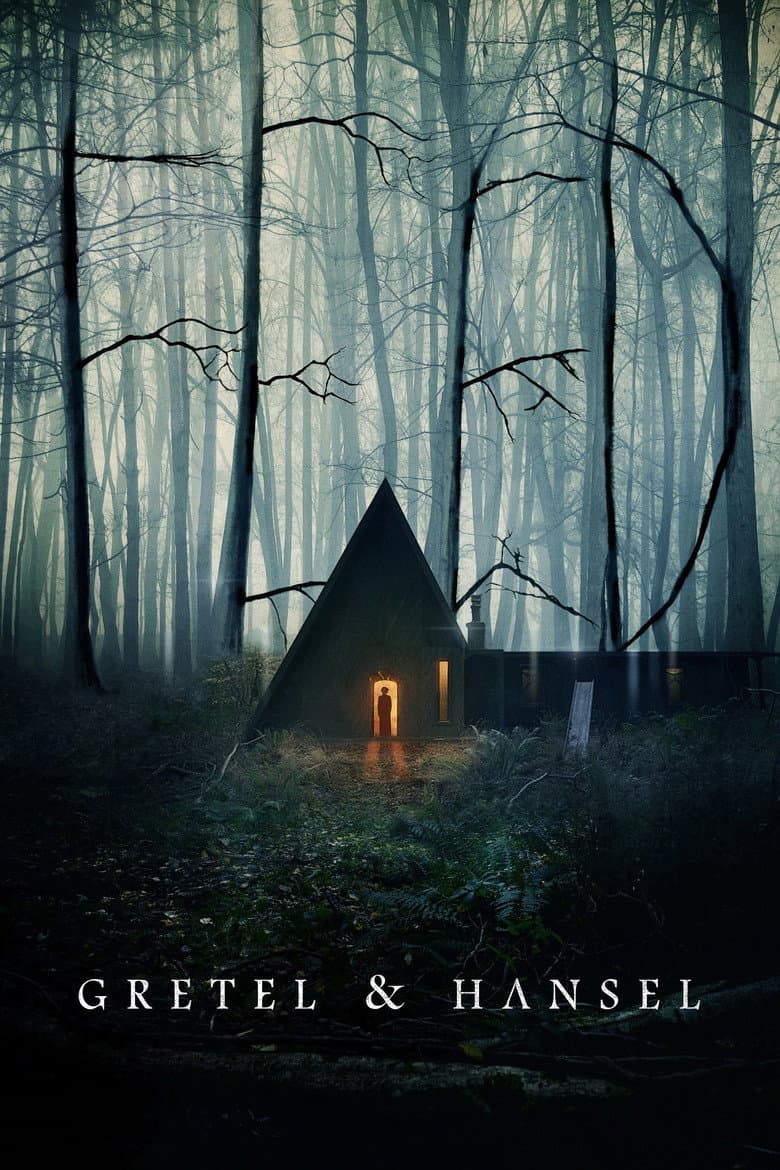
In a famine-struck fairy-tale countryside, sixteen-year-old Gretel leads her eight-year-old brother Hansel into a dark forest after their mother sends them away. They search for food, work, and a safe place to stay. A helpful hunter points them toward a convent, but the children instead find a strange house filled with food. The house belongs to Holda, an old witch who plans to eat children and control Gretel's growing powers.
The film makes Gretel the clear hero and changes the old tale into a story about a young woman's power and choice. Holda teaches Gretel magic and says that Hansel is poison and will block her future. Gretel rejects the witch, saves her brother with magic, and then chooses to live apart from him while she studies her own powers. The story also shows men as cruel, weak, or controlling, including a landowner who asks about Gretel's virginity before offering her work. This theme is central to the movie, but the film remains a slow, dark horror tale rather than a broad political drama.
Community feedback
Was our 73% Woke rating accurate?
Breakdown
These are the editorial factors and ratings behind our score for Gretel & Hansel.
Woke representation / casting
Most of the main cast is white, which fits the old European fairy-tale setting. Charles Babalola plays the helpful hunter as a black actor in a notable supporting role. The film does not make his identity a subject or present the casting as a diversity goal. That creates a small audience-visible mismatch, but there is no repeated pattern.
15%
Woke political dialogue
Gretel calls men incompetent and says the whole system is absurd when a landowner explains that crops go to a bishop. The landowner also orders her to limit her words after she challenges him. Later, Holda says smart men should fear Gretel. These lines give the film a clear but brief anti-male and anti-authority edge, while most dialogue stays inside the fairy-tale plot.
27%
Identity-driven story themes
The film makes Gretel, not Hansel, the main hero and gives her a coming-of-age story about female power. Holda teaches her magic and says Hansel is poison who will block her future. Gretel saves him, rejects the witch's plan, and then chooses her own path apart from her brother. The main conflict asks whether a young woman can claim power without being controlled by others. This identity-driven theme is central from the title to the ending.
68%
Western institutional / cultural critique
A landowner asks about Gretel's virginity before offering her work, and he silences her when she questions the social order. The hunter warns that men may use her, while Holda says men should fear her power. Gretel is encouraged to leave Hansel behind so she can grow on her own. The story often presents male authority and family duty as dangers to her freedom. The convent and the hunter are not attacked, so the critique stays focused on men, gender roles, and family duty.
43%
Woke character or canon changes
The film changes the known fairy tale by putting Gretel's name first and making her a 16-year-old leader with an eight-year-old brother. The witch teaches Gretel magic and tries to make her see Hansel as a block to her future. Gretel defeats the witch with her own new power and stays in the woods instead of returning home with Hansel. These changes build the story around female selfhood rather than making small plot cuts.
65%
Anti-woke backlash and complaints
A Christian movie review called this a woke version and objected to the feminist message and Hansel's smaller role. Another right-leaning comics site attacked the story as female-empowerment propaganda. Some Reddit viewers also complained about a forced “girl power” message or called it a feminist remake. The backlash was limited and mixed because most audience complaints centered on slow pacing, unclear plot, or weak scares.
30%
Creator track record context
Osgood Perkins has a very low cached score and no recorded activist pattern. Rob Hayes also has a low cached score, although his earlier work explored race, class, sex, and sexuality. Aaron L. Gilbert has a higher cached score because he has spoken about diversity and inclusion in film projects. The main director and writer context remains low, so this factor adds only modest support.
22%
Production
Movie · 2024
A young artist gets stranded in an extensive, immaculate forest in western Ireland, where, after finding shelter, she becomes trapped alongside three strangers, stalked by…
Movie · 2017
Two young women at a prestigious prep school are assailed by an evil, invisible power when they're stranded over winter break.
Movie · 2016
A determined young woman and a damaged occultist risk their lives and souls to perform a dangerous ritual that will grant them what they want.
Movie · 2024
FBI Agent Lee Harker is a gifted new recruit assigned to the unsolved case of an elusive serial killer. As the case takes complex turns, unearthing evidence of the occult, Harker…
Movie · 2024
A gothic tale of obsession between a haunted young woman and the terrifying vampire infatuated with her, causing untold horror in its wake.
Movie · 2023
A group of cold case investigators stay at the Carmichael Manor, site of the grisly and unsolved murders of the Carmichael family back in the eighties.
Movie · 2019
On the outskirts of a kingdom, a quiet but fierce medieval warrior protects the realm from monsters and the occult.
Movie · 2018
Ten years after an apocalyptic event left the world haunted by ghosts, Veronica 'Ronnie' Calder receives a threatening message from beyond the grave.
