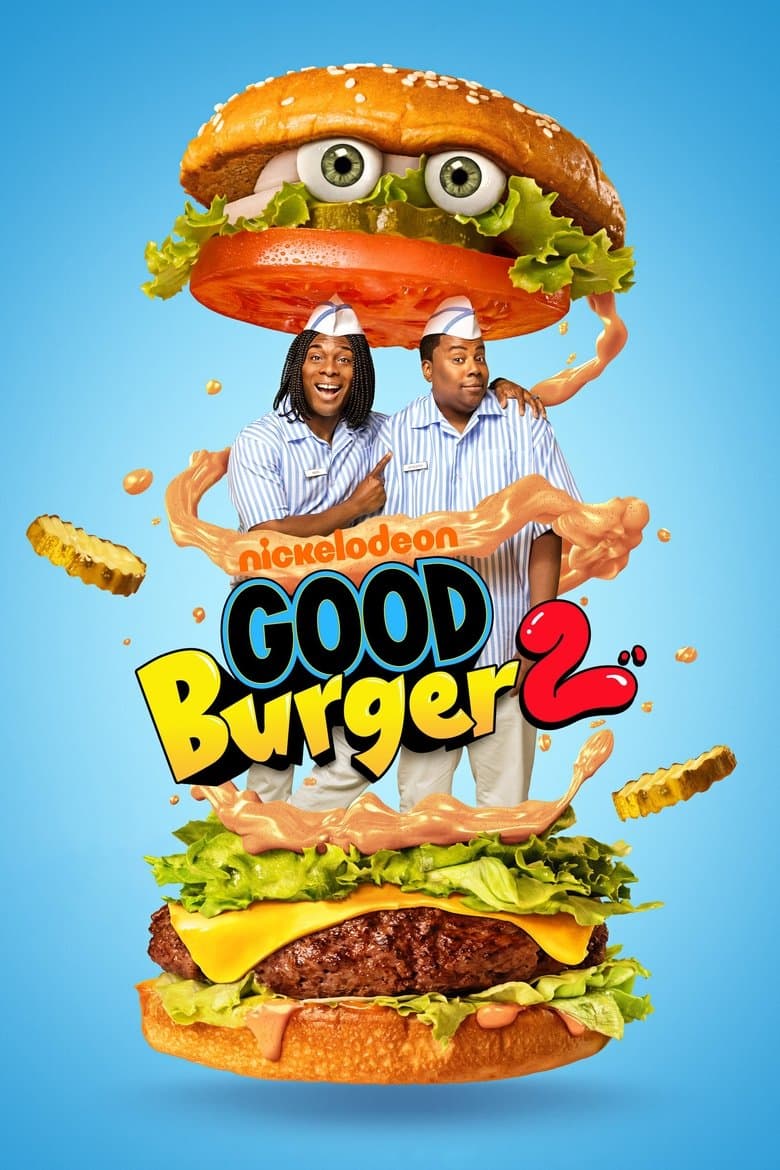
Dexter Reed returns to Good Burger after a failed invention burns down his home and leaves him broke. His old friend Ed owns the small restaurant and gives him a job with the new crew. Dexter's plan to make money goes wrong when he and Ed sign Good Burger over to MegaCorp. The company wants to build a worldwide chain with robots, so the friends and their workers fight to save the store. The movie uses silly jokes, wild stunts, old catchphrases, and many guest appearances in a light family comedy.
The main modern message attacks a large company for replacing workers with machines and chasing maximum profit. Dexter says the fight concerns millions of fast-food workers, while the villain talks about raises, bathroom breaks, and employee problems. A young Black girl named Mia is called a computer genius and becomes vital to the plan to shut down the robots, which adds a visible representation choice without making race or sex the story's subject. The rest of the story centers on friendship, family, forgiveness, human work, and the value of a small local business.
Community feedback
Was our 37% Woke rating accurate?
Breakdown
These are the editorial factors and ratings behind our score for Good Burger 2.
Woke representation / casting
The cast keeps Kenan Thompson and Kel Mitchell as the two black leads from the first film. The new crew adds Mia, a young black computer genius who is vital to the final plan, and Katt, a woman who runs MegaCorp. The movie presents these roles as part of the comedy and rescue plot, not as a speech about representation. The mixed staff fits a present-day American fast-food shop, so the pattern is noticeable but not dominant.
31%
Woke political dialogue
Dexter says the fight is about millions of fast-food workers around the world. Katt praises a system with zero employees and maximum profits. The movie also jokes about raises, sickness, bathroom breaks, and employee complaints. The lines support the main conflict, but they stay brief and comic instead of becoming a long political speech.
30%
Identity-driven story themes
Not present. The film does not make race, sex, sexuality, or group identity the main problem or message. Mia's computer skills support the rescue plan, while the main themes concern friendship, family, work, and local business.
0%
Western institutional / cultural critique
MegaCorp is shown as a giant company that buys a local restaurant, fires its staff, and replaces them with Ed robots. Katt celebrates zero employees and maximum profits while the workers lose their jobs. The ending says people cannot be replaced by technology and restores the small business. The critique is clear and recurring, but it stays inside a goofy fight with a cartoon villain and does not attack family, religion, or traditional social rules.
38%
Woke character or canon changes
Not relevant. The film keeps Dex and Ed's established identities and roles from the original. It adds new characters and a new robot plot, but it does not change a known character's race, sex, sexuality, or hero role.
0%
Anti-woke backlash and complaints
A small review site asks whether making the main villain a woman was a woke choice and complains about the film's diverse cast. A GameFAQs thread says it hopes the sequel will not turn woke before release, mainly because of Kenan Thompson's SNL image. The supplied X research finds no anti-woke posts, boycott talk, or review-bombing. The backlash evidence is sparse, fringe, and mostly speculative.
8%
Creator track record context
Phil Traill has a cached 0/100 score and a mainstream comedy record. Kevin Kopelow and Heath Seifert have cached 3/100 scores and mainly make youth and family comedies. James III has a cached 58/100 score for repeated black-representation work, and Kenan Thompson has a cached 55/100 score for similar work. Kel Mitchell and the other producers have low cached scores, so the team gives some supporting representation context but not a strong activist profile.
22%
Production
Movie · 2021
Buster and his new cast now have their sights set on debuting a new show at the Crystal Tower Theater in glamorous Redshore City.
Movie · 2019
John Mulaney and his kid pals tackle existential topics for all ages with catchy songs, comedy sketches and special guests in a nostalgic variety special.
Movie · 2016
The Minions need to raise $20 to purchase an as seen on TV banana blender. So they take up lawn mowing at an old folks home, with hilarious antics!

Movie · 2017
The film follows a man with an unwanted gift for healing who meets a teenager with cancer who helps him to find himself.
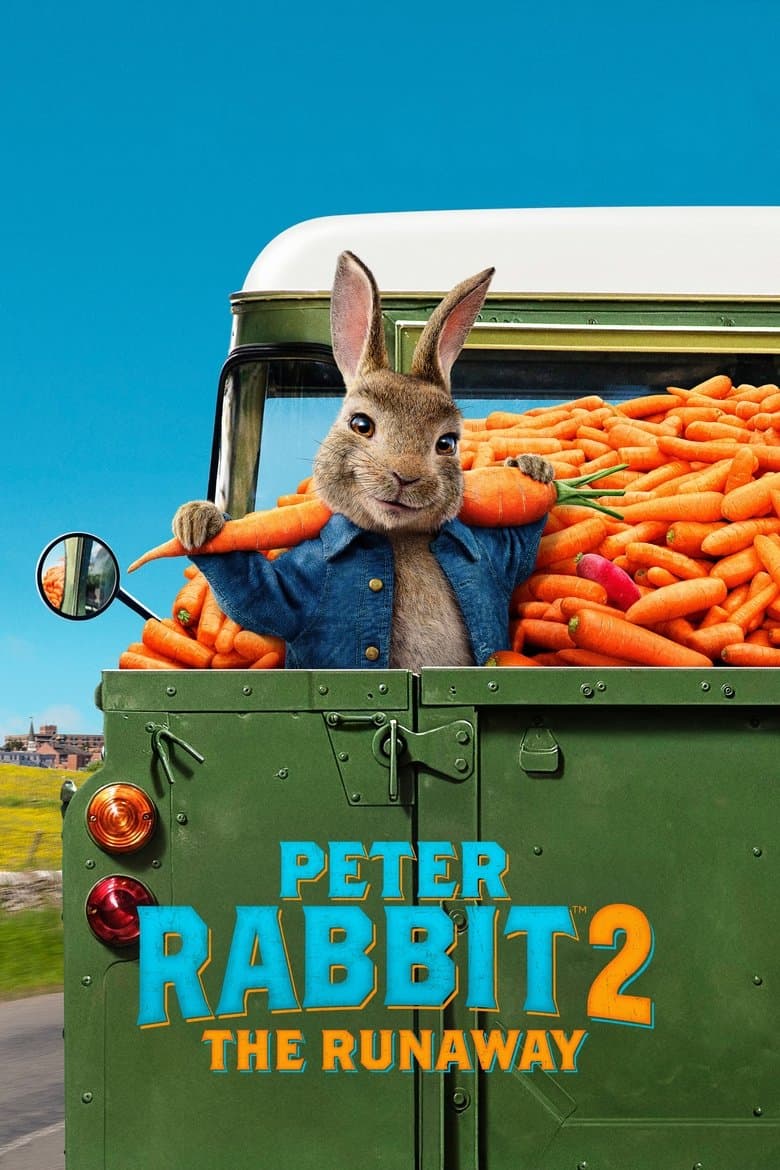
Movie · 2021
Peter Rabbit runs away from his human family when he learns they are going to portray him in a bad light in their book.
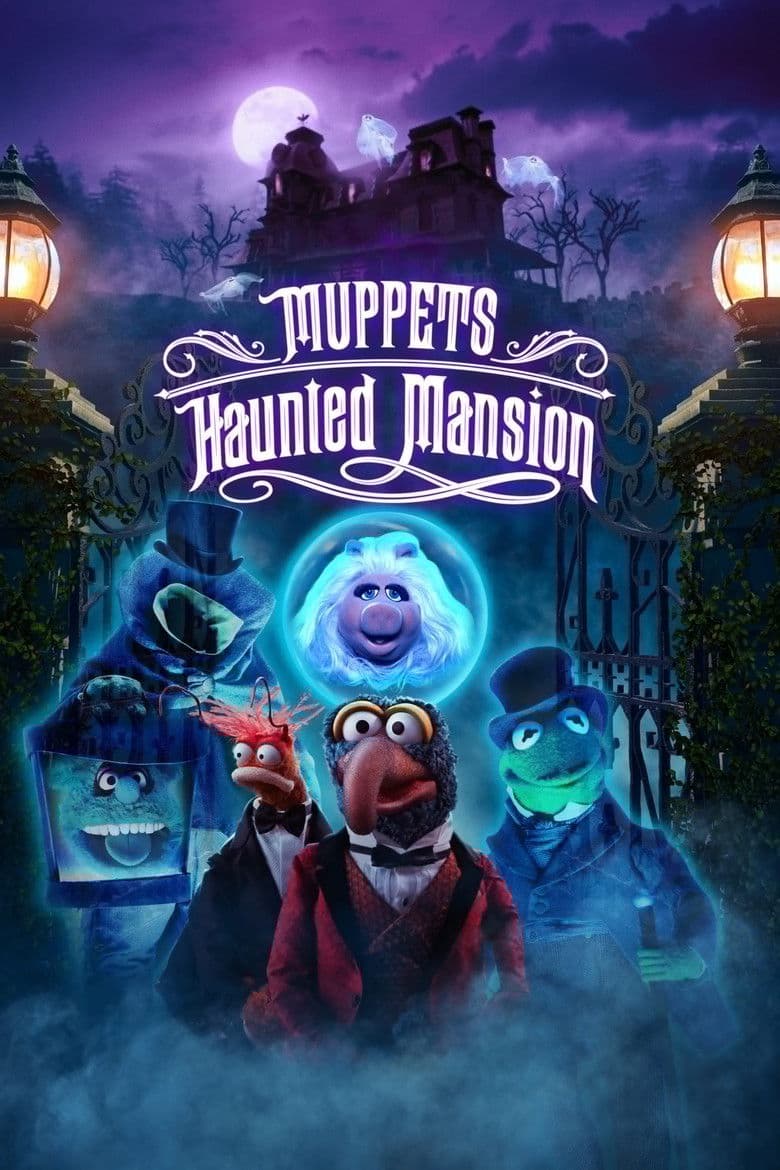
Movie · 2021
On Halloween night, Gonzo and Pepe are challenged to face their fears and stay in the Haunted Mansion until sunrise, encountering many frightening, funny, and perhaps a little…
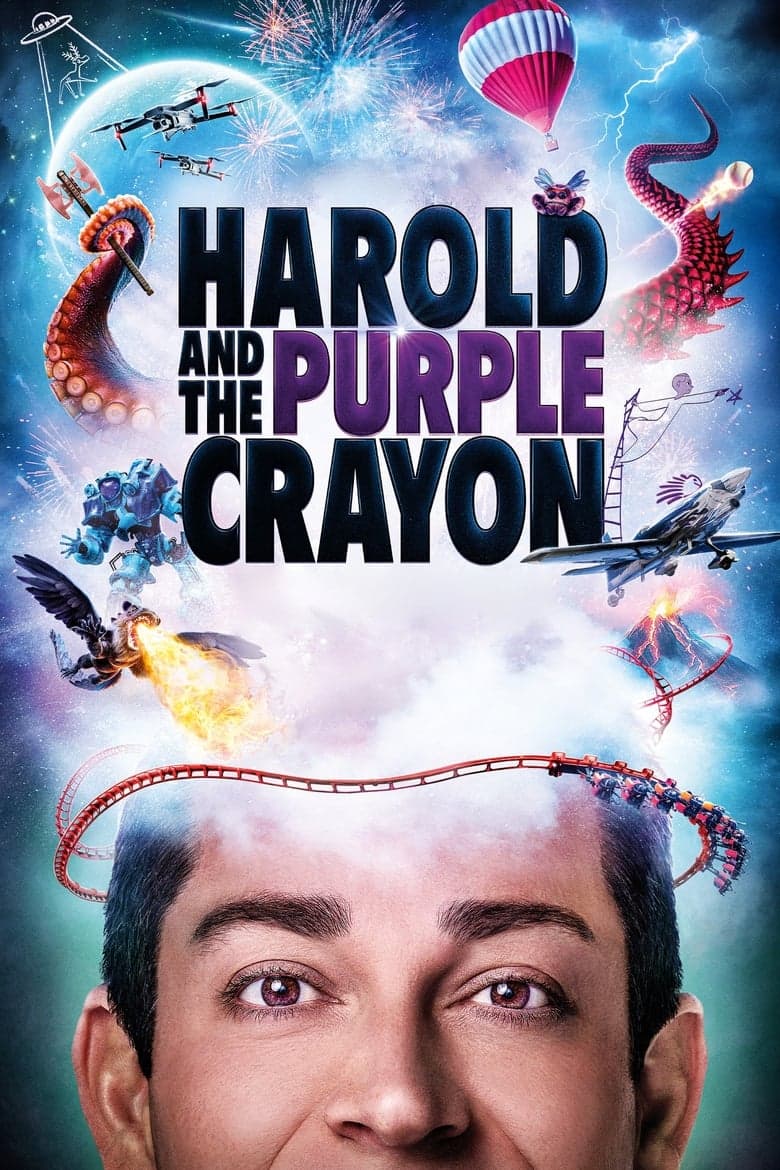
Movie · 2024
Inside of his book, adventurous Harold can make anything come to life simply by drawing it. After he grows up and draws himself off the book's pages and into the physical world…

Movie · 2016
A harried prehistoric bird mother entrusts her precious, soon-to-hatch egg to Sid. When she recommends him to her neighbours, business booms at his new egg-sitting service.
