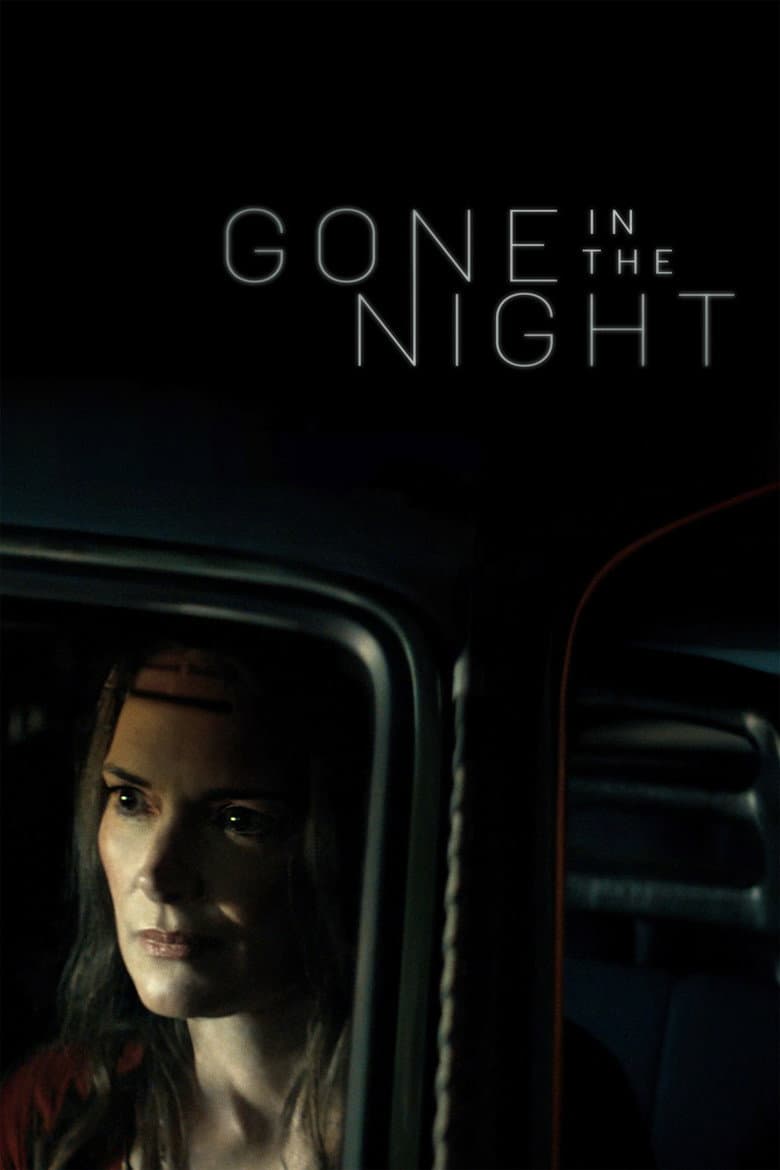
Kath is a middle-aged plant expert who takes her younger boyfriend, Max, to a cabin in the redwoods. The rental is double-booked, so the pair spend the night with Al and Greta, a strange young couple. Max disappears with Greta by morning, and Kath follows clues with help from the cabin owner, Nicholas. The quiet mystery turns into a dark thriller about betrayal, secret experiments, and the fear of death.
The film puts age and the pressure to stay young at the center of its story. Kath faces jokes about being older, while Max acts like a child and wants a louder, riskier life. The plot connects their age gap to a plan that uses young blood to fight aging. Greta also mocks marriage and calls normal couple life capitalist, consumerist, and cis-normative, but that idea appears in one short exchange. The film mostly returns to loneliness, love, time, and the cost of trying to escape death.
Community feedback
Was our 35% Woke rating accurate?
Breakdown
These are the editorial factors and ratings behind our score for Gone in the Night.
Woke representation / casting
Not present. The main cast is mostly white, with one Asian woman in the younger couple. That mix fits a modern Northern California setting, and no major role is sold as a diversity statement.
0%
Woke political dialogue
Greta rejects ordinary couple life as capitalist, consumerist, and cis-normative in one early cabin exchange. Greta uses the words to dismiss a standard relationship model. The film does not repeat the argument as a major debate. Most other dialogue covers age, sex, betrayal, and death.
29%
Identity-driven story themes
The film makes age and fear of getting old central to the mystery. Kath faces jokes and doubts because she is older than Max, and she admits that his youth helped her forget time passing. Nicholas uses young blood to fight aging, which turns the same fear into the film’s horror. The story treats pressure to stay young as a social problem, but it does not turn the theme into a broad race or gender campaign.
39%
Western institutional / cultural critique
Greta briefly attacks capitalist and cis-normative relationship ideas. The film portrays the pressure to treat youth, parties, and constant adventure as better than middle age. The story does not attack Christianity, family life as a whole, or a Western institution. The critique stays inside a few character exchanges and the age theme.
27%
Woke character or canon changes
Not relevant. The movie is an original thriller with no established character, source story, or real historical event being changed.
0%
Anti-woke backlash and complaints
Not present. No reliable anti-woke, DEI, activist, or left-wing complaint was found in the reviewed reaction. Audience comments mostly criticized the confusing plot, weak ending, or age theme, and the supplied X pass found no anti-woke reaction.
0%
Creator track record context
Horowitz has a mild progressive background from McSweeney’s publishing and a political anthology. Derby has no clear public record of DEI or identity-politics activism. Some producers have backed films about LGBTQ stories, native American viewpoints, or women-led stories, but the group has no strong shared activist profile. This supports a low-to-mild creator track record context.
22%
Production

Movie · 2022
When the CIA discovers one of its agents leaked information that cost more than 100 people their lives, veteran operative Henry Pelham is assigned to root out the mole with his…
Movie · 2019
Three lighthouse keepers on an uninhabited island off the coast of Scotland discover something that isn't theirs to keep.

Movie · 2021
A truffle hunter who lives alone in the Oregon wilderness must visit Portland to find the mysterious person who stole his beloved foraging pig.

Movie · 2016
Porter Wren is a Manhattan tabloid writer with an appetite for scandal. On the beat he sells murder, tragedy, and anything that passes for the truth.

Movie · 2025
When intelligence agent Kathryn Woodhouse is suspected of betraying the nation, her husband – also a legendary agent – faces the ultimate test of whether to be loyal to his…

Movie · 2018
Looking to investigate recruitment techniques of ISIS to lure women into Syria, a journalist creates a Facebook profile of a Muslim convert.

Movie · 2020
Hired to steal a rare painting from one of the most enigmatic painters of all time, an ambitious art dealer becomes consumed by his own greed and insecurity as the operation spins…

Movie · 2021
A psychiatrist, whose client commits suicide, finds his family life disrupted after introducing her surviving brother to his wife and daughter.
