Movie review
November 25, 2020 · 106 min · PG-13 · Documentary
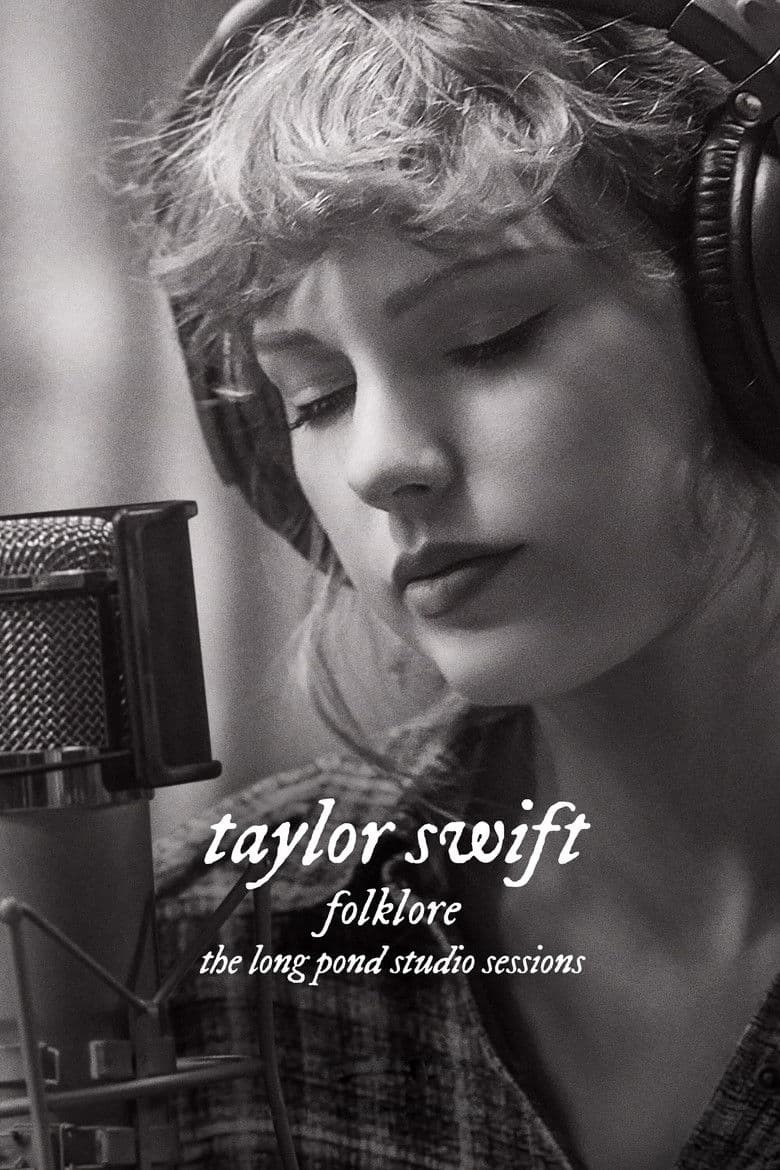
Taylor Swift is the main performer and speaker in this quiet music documentary. She faces the pressure of creating and explaining an album during the COVID-19 lockdown. She meets Aaron Dessner and Jack Antonoff at Long Pond Studio in upstate New York after the three recorded Folklore separately. They play all 17 songs in album order and explain how the songs grew from private recordings, imagined characters, old stories, love, grief, and fear. The warm room, firelight, and soft music create a calm and thoughtful tone.
The clearest woke element appears in the discussion and performance of “mad woman.” Swift describes female rage, being made to doubt your own feelings, and a long history of women being expected to accept bad male behavior in silence. Several songs also defend women who are judged as dangerous or shameless, including Rebekah Harkness and the girl in “august.” These ideas are clear but limited to a few songs inside a larger record about relationships, mental strain, fame, memory, and the strange pressure of the pandemic.
Community feedback
Was our 50% Woke rating accurate?
Breakdown
These are the editorial factors and ratings behind our score for Folklore: The Long Pond Studio Sessions.
Woke representation / casting
Not present. The film follows the real musicians who made the album. It does not build a cast around diversity, identity swaps, or representation claims.
0%
Woke political dialogue
Swift gives one long, direct discussion before “mad woman.” Swift says women have faced gaslighting and have been expected for centuries to accept male behavior in silence. The performance repeats the idea that a woman is called crazy or angry after she answers bad treatment. This is a clear modern gender message, but it occupies only one section of a 17-song film.
44%
Identity-driven story themes
The songs return several times to women being judged, blamed, or treated as villains. “The last great american dynasty” presents Rebekah Harkness as a bold woman blamed for breaking social rules. “august” asks viewers to see the other girl as a hurt person instead of a villain. These themes are visible, but relationships, grief, anxiety, memory, and the creative process take up more of the film.
42%
Western institutional / cultural critique
Swift links female anger to a long history in which women must silently accept bad male behavior. Several songs question social rules that label women as crazy, shameless, or dangerous when they resist. The film also shows women being judged more harshly than men in love and public life. The main focus remains songwriting, relationships, grief, and the pandemic.
34%
Woke character or canon changes
Not relevant. The film is a concert documentary about real musicians and their album. It does not change a known character, source story, or historical person’s identity.
0%
Anti-woke backlash and complaints
Not present. No anti-woke or right-leaning complaints were found in the reviewed news, fan, or web coverage. The separate X research also found no anti-woke reaction, boycotts, or review-bombing.
0%
Creator track record context
Swift has a strong public record of LGBTQ rights, reproductive rights, and gender equality support. Antonoff has a strong LGBTQ advocacy record through The Ally Coalition and related public work. Andrea Swift has long worked on LGBTQ-focused documentary projects, while Dessner’s public politics are milder and the other producers show little such pattern. This context raises the score, but the film is not an LGBTQ project.
58%
Production
Movie · 2020
This documentary examines unidentified aerial phenomenon. With testimony from high-ranking government officials and NASA Astronauts, Senator Harry Reid says it "makes the…
Movie · 2020
When Washington Post journalist Jamal Khashoggi disappears after entering Saudi Arabia’s consulate in Istanbul, his fiancée and dissidents around the world are left to piece…
Movie · 2020
Record-shattering Korean girl band BLACKPINK tell their story — and detail the hard fought journey of the dreams and trials behind their meteoric rise.
Movie · 2025
The individual journeys of the four members of the band, as they move through the music scene of the 1960s, playing small clubs throughout Britain and performing some of the…
Movie · 2019
Constructed from over 500 hours of never-before-seen footage, this documentary centers on the personal life and career of the controversial football player Diego Maradona who…

Movie · 2023
The remarkable coming-of-age story of Stephen Curry—one of the most influential, dynamic, and unexpected players in basketball history—and his rise from an undersized college…
Movie · 2021
Bob Ross brought joy to millions as the world's most famous art instructor. But a battle for his business empire cast a shadow over his happy trees.
Movie · 2022
In candid conversations with actor Jonah Hill, leading psychiatrist Phil Stutz explores his early life experiences and unique, visual model of therapy.
