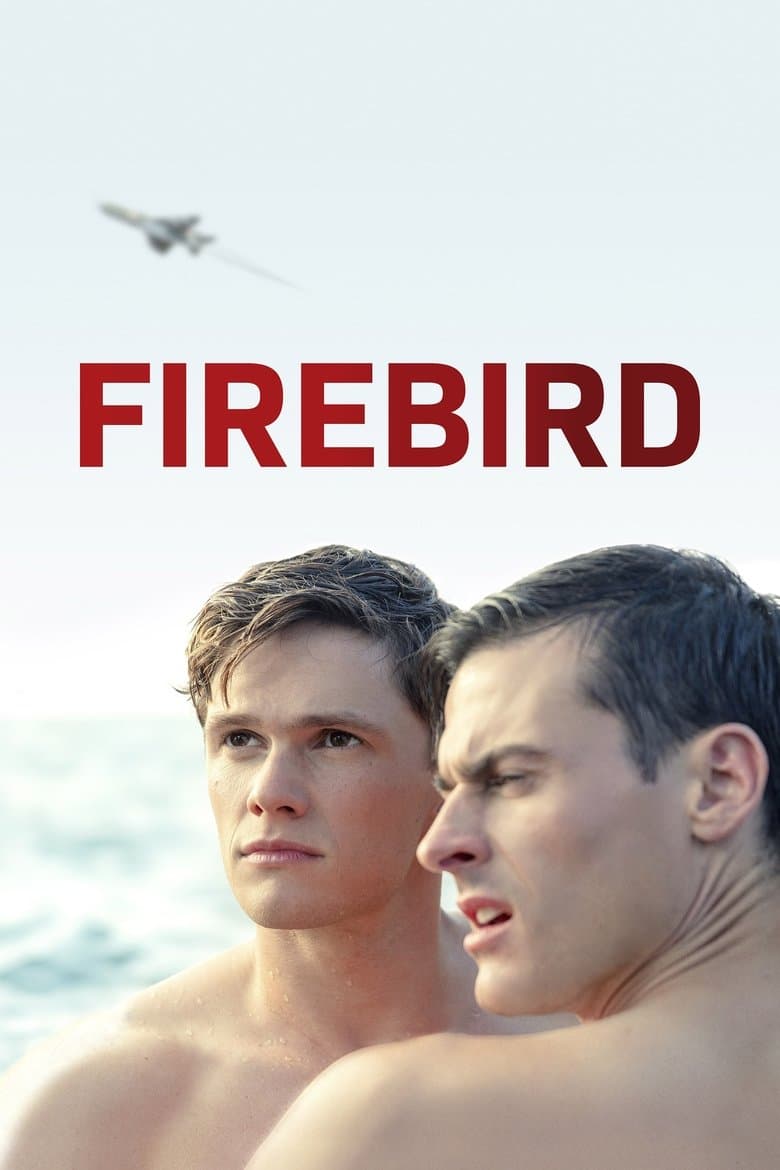
Sergey is a young soldier near the end of his service on a Soviet air base in the 1970s. He meets Roman, a bold fighter pilot, and the two fall into a secret love that could ruin them if anyone finds out. A third person, Luisa, is pulled into their lives and forms a painful love triangle. The film is a tense period romance about danger, desire, and hard choices under strict rules.
The main thing a viewer will notice is that this is a full gay love story from start to finish. The plot is about two men in love while the state treats that love as a crime. Scenes show fear of the KGB, punishment for sex between men, hiding the affair, and the cost of living a double life. Marketing and festival runs frame it as an LGBTQ true story about “love is love” and courage. The queer theme is not a side note. It is the whole movie. Race-swap casting and modern Western politics are not the focus. The strongest “woke” signal for this catalog is the clear, central queer identity plot and rights framing, not diversity quotas or lectures about the West.
Community feedback
Was our 84% Woke rating accurate?
Breakdown
These are the editorial factors and ratings behind our score for Firebird.
Woke representation / casting
Cast fits a Soviet military period story (mainly European leads in story-true roles). There is no clear race-swap or quota-style diversity casting in big parts. The gay leads match the true-story romance rather than looking like modern multi-identity casting goals. Identity weight here is low compared with the story themes.
22%
Woke political dialogue
Characters face threats of prison, KGB attention, and insults like “perverts.” Talk about hiding love and state punishment is clear and easy to notice. It is mostly period danger, not long modern activist speeches, but the politics of outlawed gay love are spoken and shown often enough that many viewers will hear them.
48%
Identity-driven story themes
The whole film is a queer love story: secret male romance, a love triangle, shame, hiding, and the price of living as a gay or bi man under harsh rules. Festival branding and “love is love” framing keep queer identity front and center. Per scoring rules, a queer-centered title sits high in this range.
92%
Western institutional / cultural critique
The main villain is Soviet military power and state control, not modern Western churches, schools, or “the West.” Some harsh military manhood and control themes appear. End and promo framing also nod to later anti-gay rules in Russia. That is rights-focused, but it is still mostly anti-tyranny history, not a full attack on Western institutions.
28%
Woke character or canon changes
Not relevant. It adapts a real memoir about real people. Changes look like normal film shaping of a true story, not identity-driven swaps of known fictional heroes or rewritten history for DEI goals.
0%
Anti-woke backlash and complaints
Russian coverage and pushback treated the film as gay “propaganda” that shamed the country and insulted the Russian soldier, and screenings were emptied after complaints. That counts as anti-identity / anti-LGBT content backlash. Clear large-scale Western “too woke” campaigns were not found.
52%
Creator track record context
Cached team mixes near-zero craft profiles with Fetisov’s queer-memoir source (25) and Racster’s strong LGBTQ-advocacy producer record (82). Overall creative context leans clearly toward LGBTQ storytelling, but not every listed name is an activist brand.
58%
Production

Movie · 2025
18-year-old Noah moves from America to London, with her mother who's recently fallen in love with William, a wealthy British businessman.
Movie · 2025
Based on a true story, two down-on-their-luck musicians form a joyous Neil Diamond tribute band, proving it's never too late to find love and follow your dreams.
Movie · 2020
It was a chance meeting started by one of Sol’s friends trying to chat up Jennifer. However, in the end, it was those two who hit it off.
Movie · 2023
After decades apart, childhood friends Nora and Hae Sung are reunited in New York for one fateful weekend as they confront notions of destiny, love, and the choices that make a…
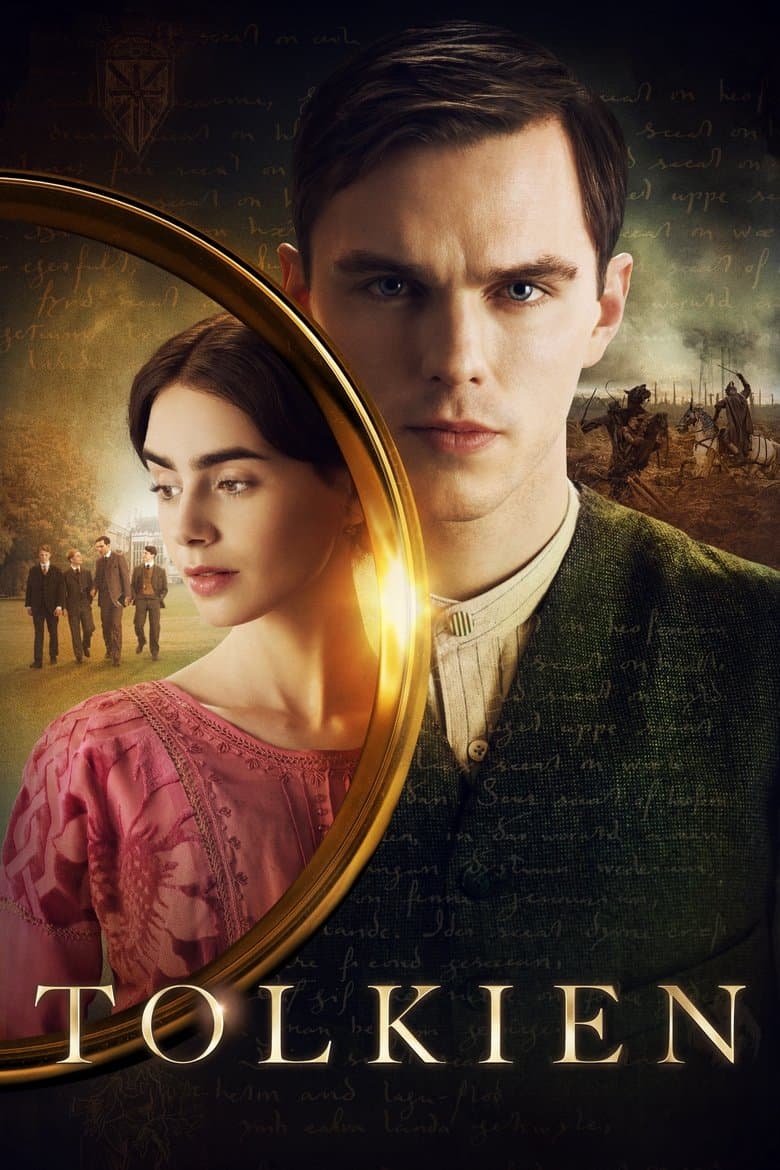
Movie · 2019
England, early 20th century. The future writer and philologist John Ronald Reuel Tolkien (1892-1973) and three of his schoolmates create a strong bond between them as they share…
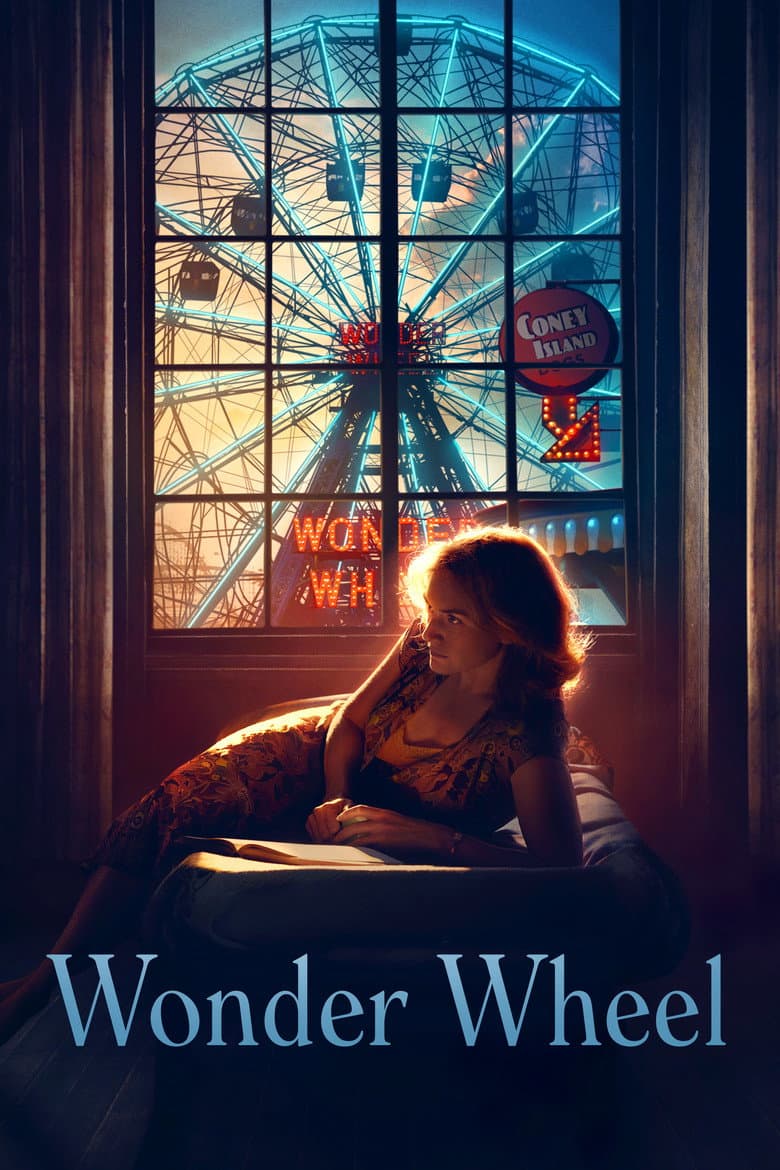
Movie · 2017
The story of four characters whose lives intertwine amid the hustle and bustle of the Coney Island amusement park in the 1950s: Ginny, an emotionally volatile former actress now…

Movie · 2020
When illness strikes two people who are polar opposites, life and death bring them together in surprising ways.
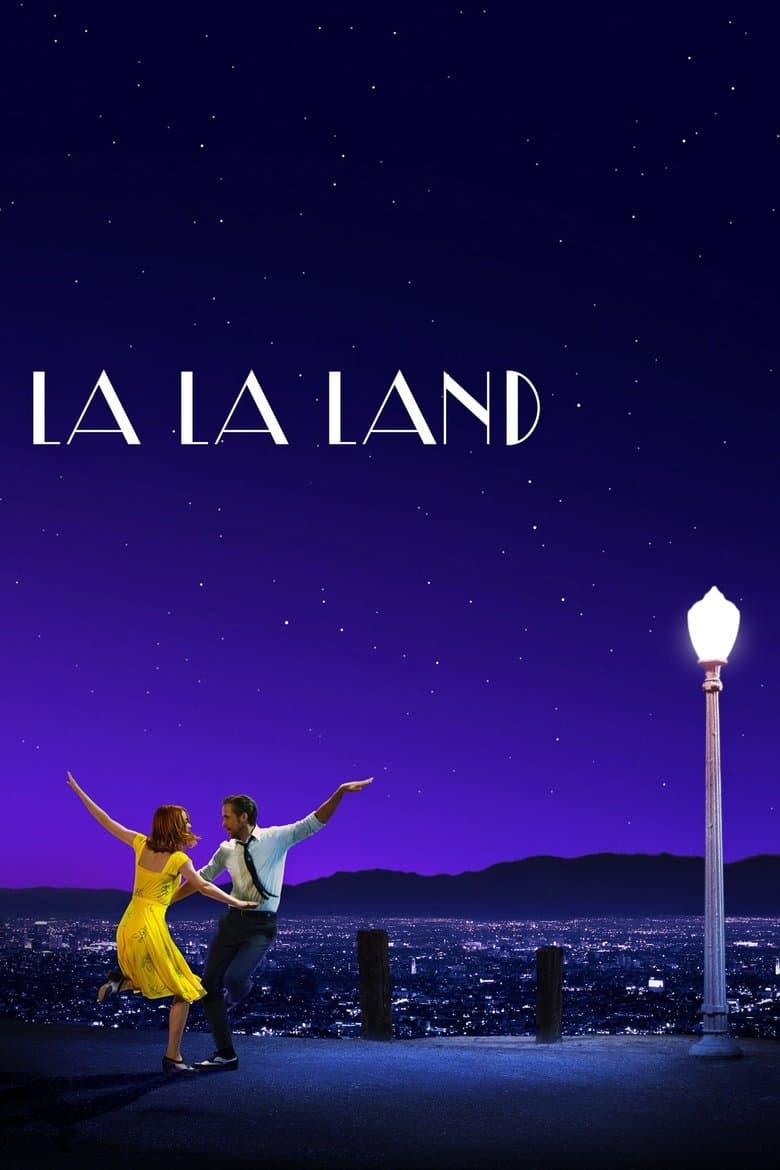
Movie · 2016
Mia, an aspiring actress, serves lattes to movie stars in between auditions and Sebastian, a jazz musician, scrapes by playing cocktail party gigs in dingy bars, but as success…
