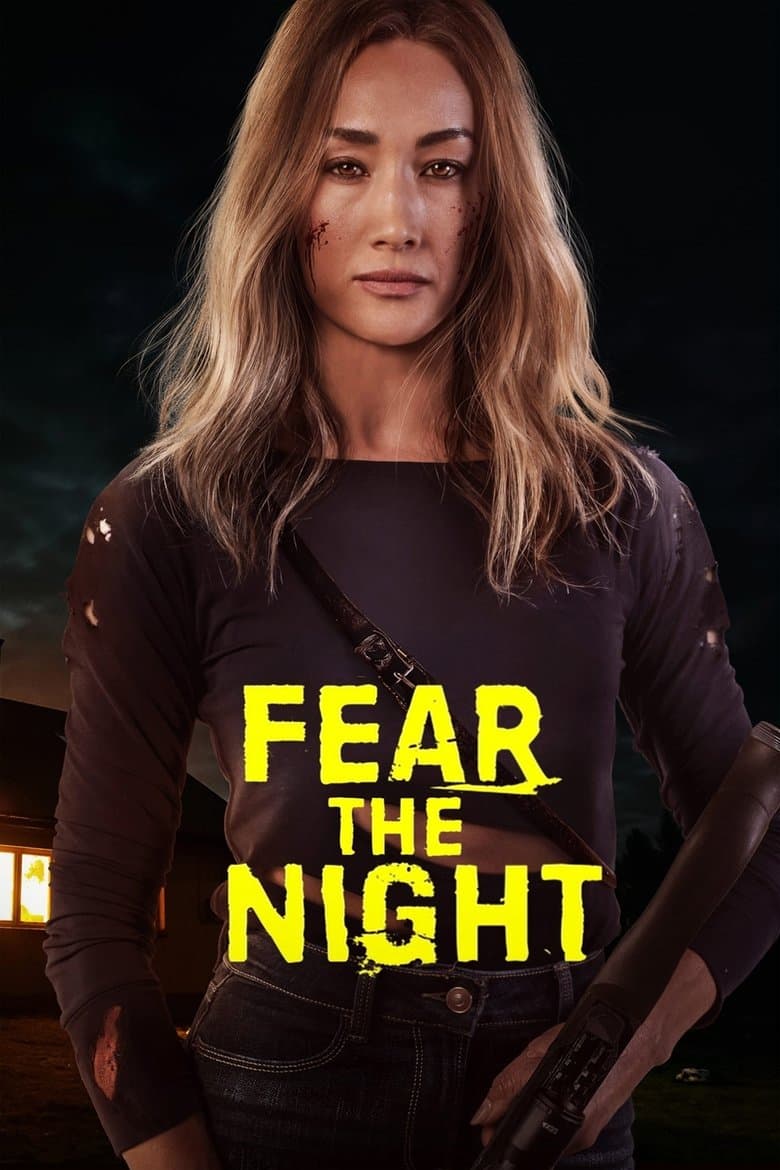
Tess is an Iraq War veteran and recovering alcoholic who returns to her family's remote California farmhouse for her younger sister's bachelorette party. She clashes with her sister Beth and most of the guests, but her combat skills become vital when masked men attack with crossbows. The group learns that the killers want drug money hidden on the land, and the men plan to leave no witnesses. The movie plays as a short, bloody siege thriller with hard fights, cruel threats, and family strain.
The story builds an open battle between women and cruel men. Tess becomes the skilled leader, while the attackers make racist comments, treat women as targets, and threaten rape more than once. Mia and Esther attend as a lesbian couple, and Mia later says that she has a crush on Tess. The women fight back together, but the attack starts because of hidden drug cash rather than a wider political plot.
Community feedback
Was our 69% Woke rating accurate?
Breakdown
These are the editorial factors and ratings behind our score for Fear the Night.
Woke representation / casting
The eight-woman party includes Asian, Black, and white characters, along with a lesbian couple. Tess is an Asian female Iraq War veteran and the group's only skilled fighter, while Noelle is a black survivor and Tess has a black female lawyer. The broad mix and the strong female leader stay visible through most of the movie.
46%
Woke political dialogue
The script does not discuss parties, laws, elections, or activism. The attackers repeatedly use racist and sexist lines, including mocking Asian women, calling Noelle a black chick, and saying women are difficult. Those identity-based lines make a mild political signal, but they serve as villain taunts rather than a policy debate.
18%
Identity-driven story themes
The whole siege is shaped as women uniting against men who treat them as weak targets. The male attackers are racist and openly plan rape, while Tess trains the women to fight and kills their leader after saying that he chose the wrong girls. Mia and Esther are a lesbian couple, and Mia later shows interest in Tess. The drug money causes the attack, but female power and cruel male behavior stay central.
68%
Western institutional / cultural critique
Most important male figures outside the party have a harmful role. The attackers show violent male pride and sexual control, and the final sheriff speaks down to the survivors and rejects their story. The women have a female lawyer beside them, so the gender conflict continues after the siege. The women hide parts of the truth, which gives the sheriff a fair reason for doubt.
61%
Woke character or canon changes
Not relevant. Fear the Night is an original story. It does not change an older character or real person for identity reasons.
0%
Anti-woke backlash and complaints
A few audience posts and comments called the movie woke or said that it pushed a feminist agenda because women are the heroes and men are weak villains. One right-leaning review called the film pandering in the current woke age. Most visible criticism instead focused on flat writing and weak suspense. No wide anti-woke campaign or major identity controversy appeared.
24%
Creator track record context
Neil LaBute often explores dark gender conflict and has made gender-swapped choices in earlier work. Maggie Q has spoken about Asian representation, and Christine Kromer has discussed chances for diverse actors. Most other listed producers have little or no public activist record. The group's history gives moderate support to the movie's choices.
29%
Production

Movie · 2024
In a world where no one speaks, a devout female hunts down a young woman who has escaped her imprisonment. Recaptured by its ruthless leaders, Azrael is due to be sacrificed to…
Movie · 2020
Rachel is a divorced single mother whose bad day gets even worse. She's running late to drop her son off at school when she honks her horn impatiently at a fellow driver during…
Movie · 2024
Characters from different backgrounds are thrown together when the plane they're travelling on crashes into the Pacific Ocean.

Movie · 2021
When his car breaks down, a quiet loner agrees to clean an abandoned family fun center in exchange for repairs.
Movie · 2023
Vice detective Bob Hightower finds his ex-wife murdered and daughter kidnapped by a cult. Frustrated by the botched official investigations, he quits the force and infiltrates the…

Movie · 2018
After an unprecedented global pandemic has turned the majority of humankind into violent infected beings, Morgan, a man gifted with the ability to speak the infected's new…
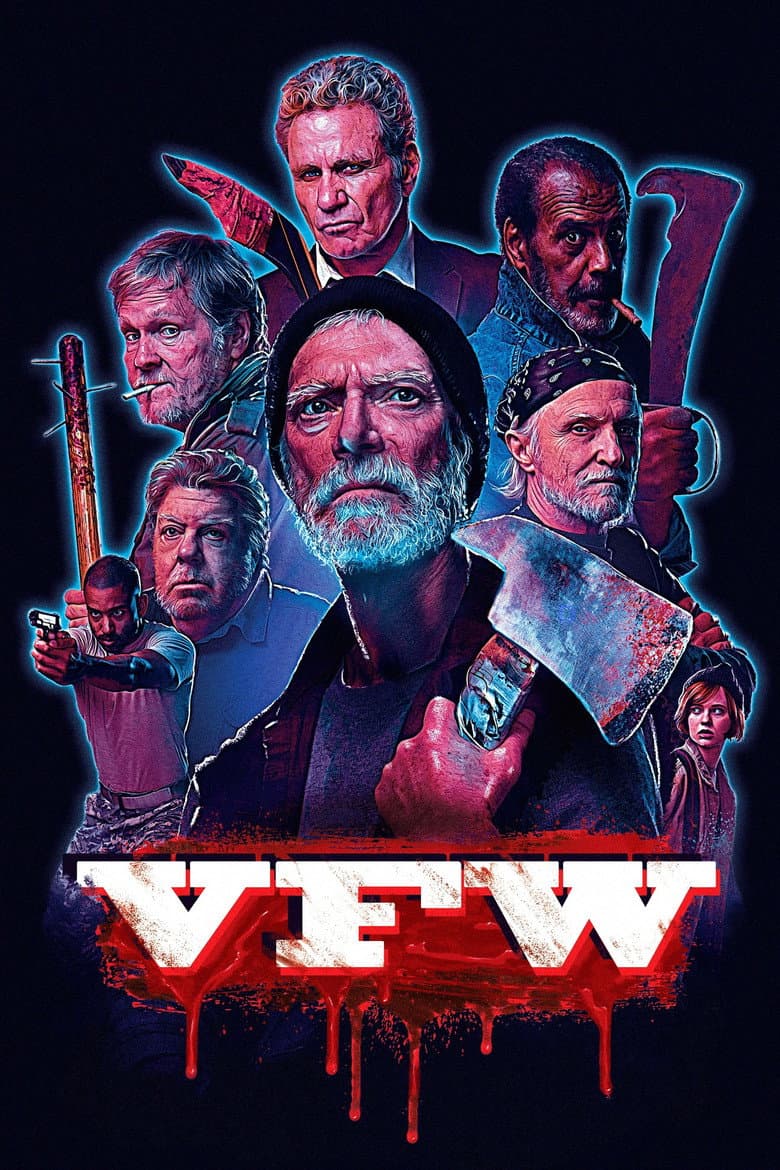
Movie · 2019
A typical night for veterans at a VFW turns into an all-out battle for survival when a desperate teen runs into the bar with a bag of stolen drugs.
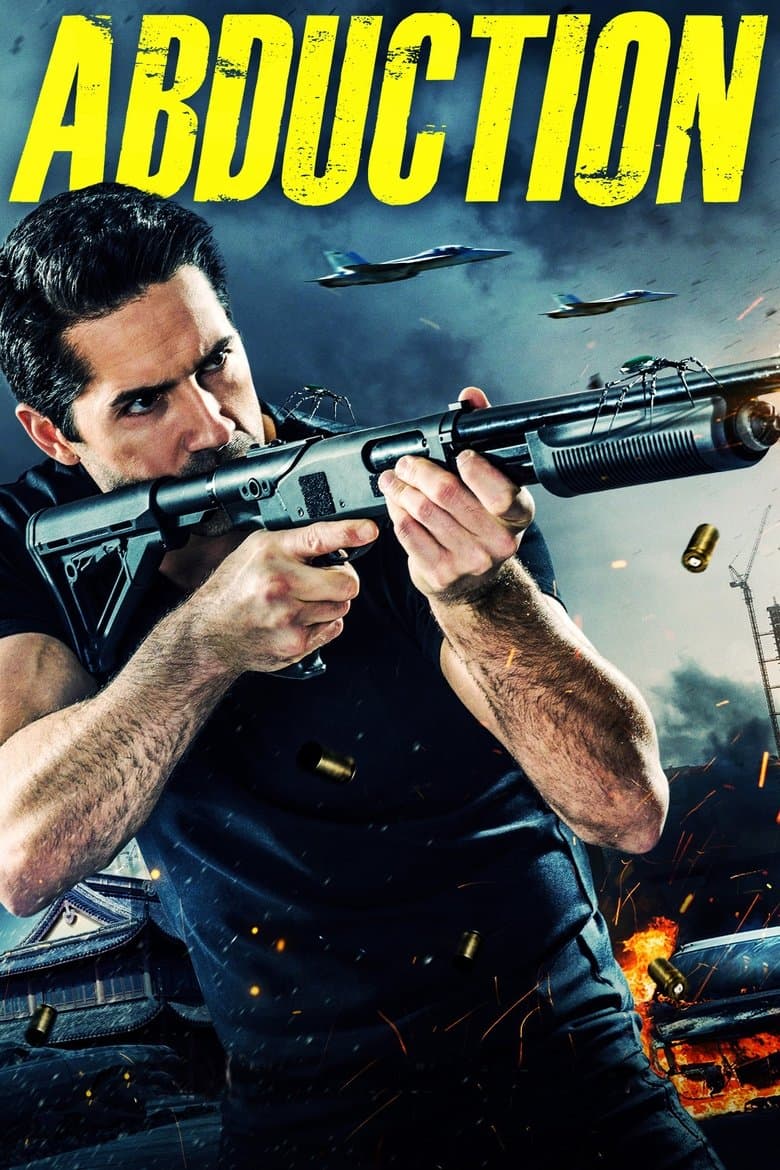
Movie · 2019
A man steps out of a park fountain in Ho Chi Minh City with no recollection of who he is or where he came from.
