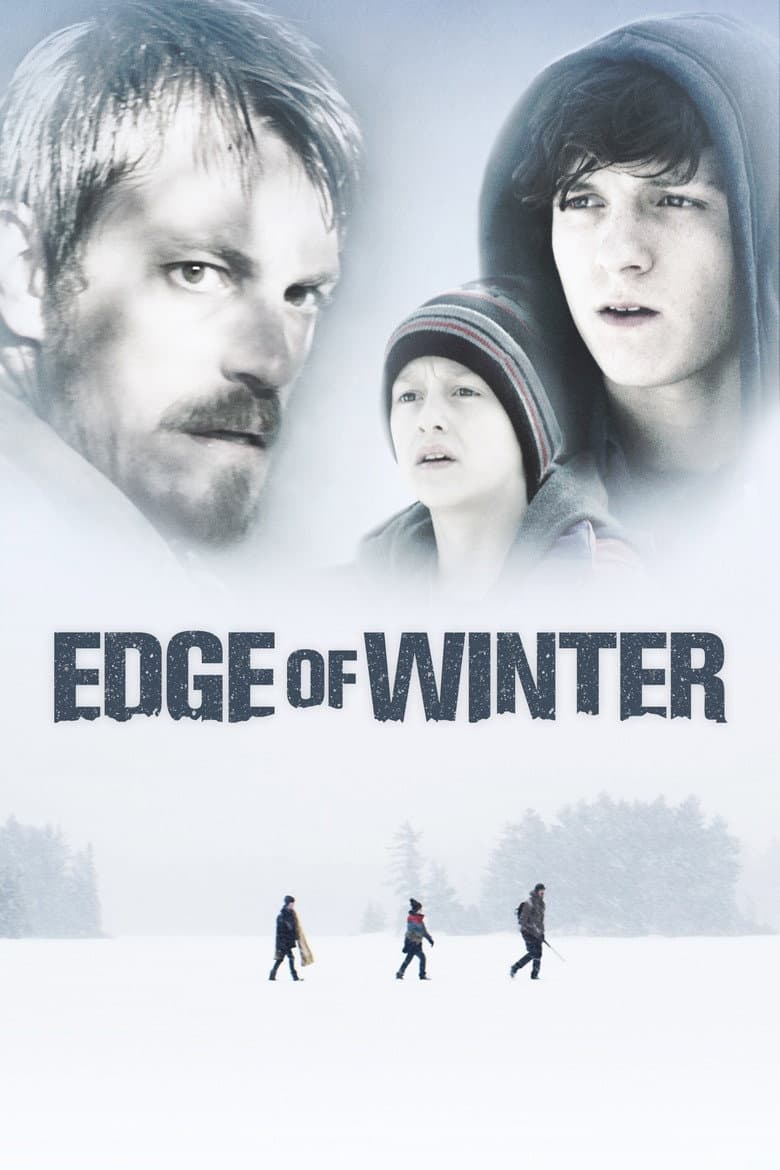
Edge of Winter follows Elliot Baker, a divorced father who has lost his job and much of his place in his sons’ lives. He takes Bradley and Caleb into the snowy Ontario wilderness for a hunting trip meant to bring them closer. A crash strands the family, and the boys learn that their mother and stepfather plan to move to London. Elliot’s fear of losing them turns the cold survival trip into a tense fight for survival against their own father.
The film has a small but clear gender-role thread because Elliot says every man should know how to use a gun and promises to make men out of the boys. He calls them soft and treats guns, hunting, driving, and toughness as proof of fatherhood. The story then shows these ideas feeding control and violence as Elliot tries to prove he is a good father. A brief talk about job loss, machines replacing workers, logging, and harm to the forest adds a mild political note, but the thriller stays focused on family fear, mental collapse, and survival.
Community feedback
Was our 30% Woke rating accurate?
Breakdown
These are the editorial factors and ratings behind our score for Edge of Winter.
Woke representation / casting
Not present. The prominent characters are a father, two sons, their mother, and male hunters. The film does not make identity or diversity a story point.
0%
Woke political dialogue
The film has a short talk about Elliot’s boss replacing workers with robots and logging hurting the forest. Elliot tells the boys that people must stand up for what is right. The exchange is tied to his job and lasts briefly, so it adds a mild political note without becoming a main message.
12%
Identity-driven story themes
The film repeatedly connects fatherhood with old ideas about manhood. Elliot says every man should know how to use a gun, promises to make men out of the boys, and calls them soft. The story shows these beliefs feeding control and violence as he tries to prove he is a good father. The theme matters to the family conflict, but it stays tied to one unstable man rather than a broad identity campaign.
28%
Western institutional / cultural critique
The film presents Elliot’s job loss, divorce, and fear of losing his sons as pressures on a failed provider. It also links factory automation with job loss and logging with damage to the forest in one short exchange. The story treats Elliot’s traditional father role and need for control as harmful. It does not attack Christianity or Western institutions as a whole.
24%
Woke character or canon changes
Not relevant. The film is an original family thriller and does not adapt an established character, canon, or real historical event. No identity-based role change occurs.
0%
Anti-woke backlash and complaints
One fringe 2016 review said the film first looked like a father-rights story that would make the boys tougher. The reviewer objected when the film turned toward the sons being better off without their father and criticized its negative gun message. No broad controversy appeared, and the supplied X research found no anti-woke reaction.
8%
Creator track record context
Rob Connolly’s recorded creator score is 55/100 because his wider work often deals with political and social issues and Indigenous filmmaking support. Kyle Mann is recorded at 0/100, and the other listed creators are recorded between 0 and 11/100. Interviews for this film focus on fatherhood, male role ideas, mental breakdown, and survival, not identity politics. The director’s background adds context, but the film does not carry a clear activist brand.
30%
Production
Movie · 2019
In New York, former convict Pete Koslow, related to the Polish mafia, must deal with both Klimek the General, his ruthless boss, and the twisted ambitions of two federal agents…
Movie · 2017
A former rodeo star, now a motel manager, meets a young man who is responsible for the violence that suddenly has seized his small town.
Movie · 2018
Two lifelong friends head up to an isolated Scottish Highlands village for a weekend hunting trip that descends into a never-ending nightmare as they attempt to cover up a…
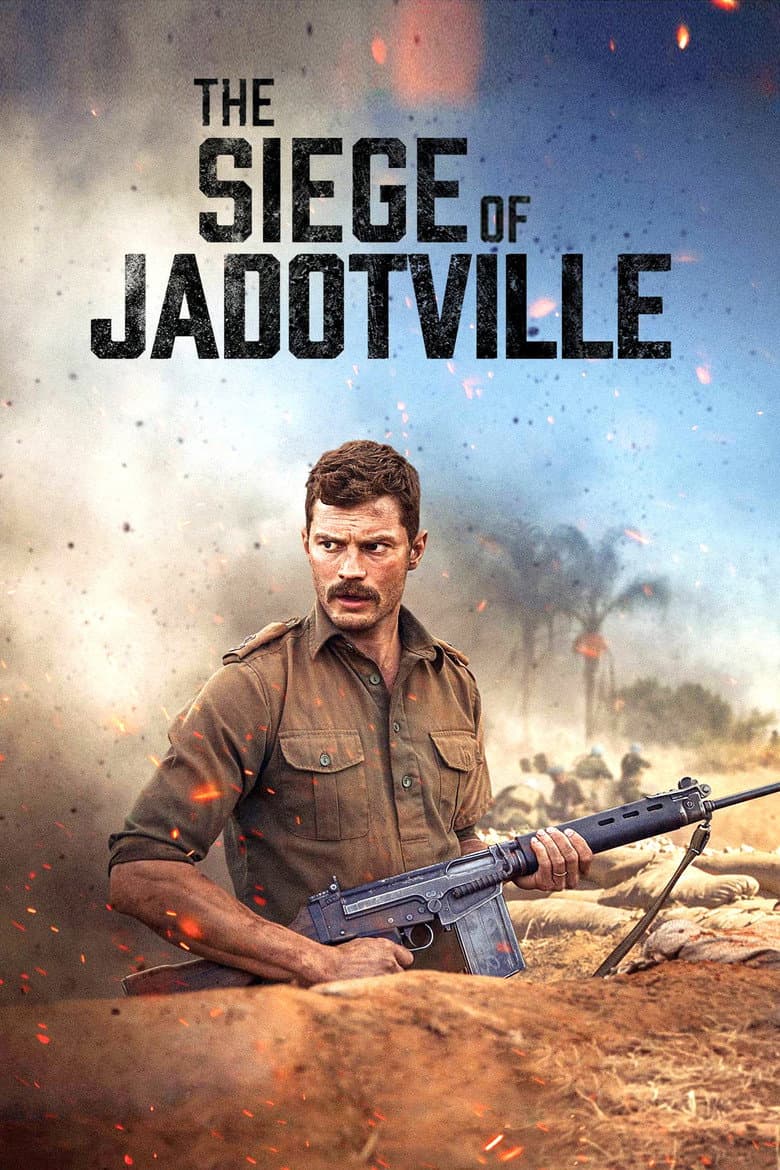
Movie · 2016
Irish Commandant Pat Quinlan leads a stand off with troops against French and Belgian Mercenaries in the Congo during the early 1960s.
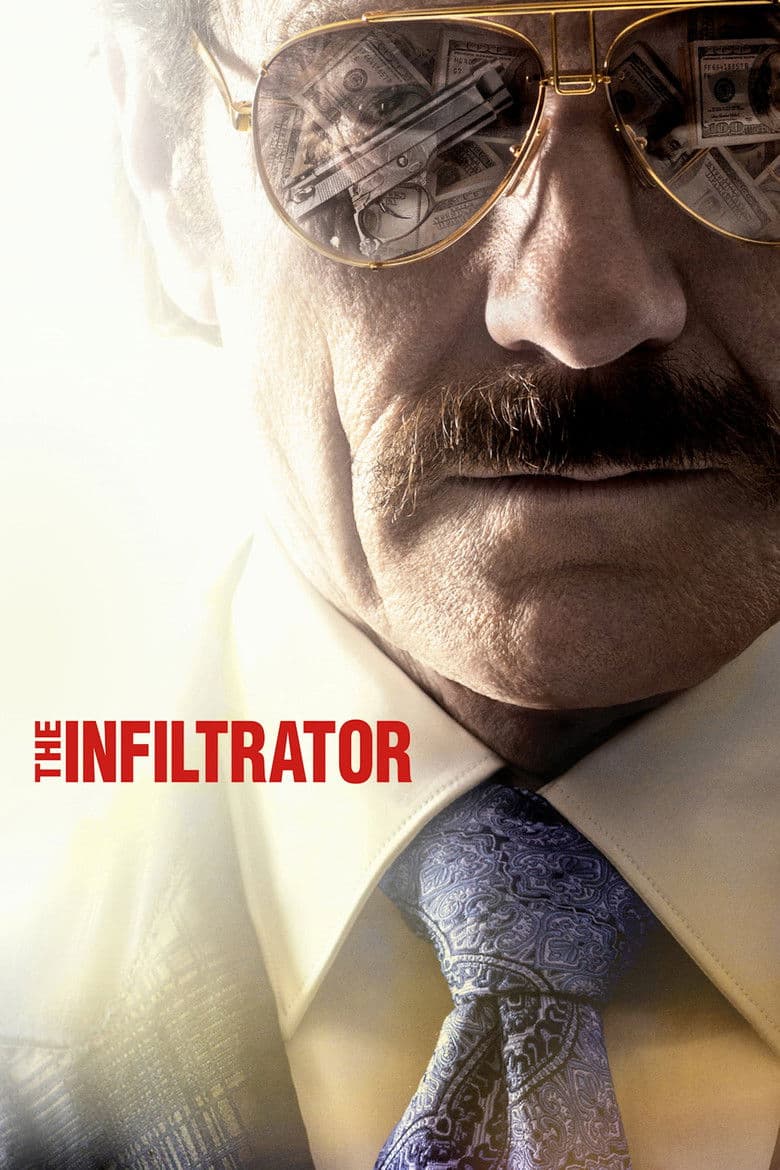
Movie · 2016
A U.S Customs official uncovers a massive money laundering scheme involving Pablo Escobar.

Movie · 2016
When Krisha returns to her estranged family for Thanksgiving dinner, past demons threaten to ruin the festivities.
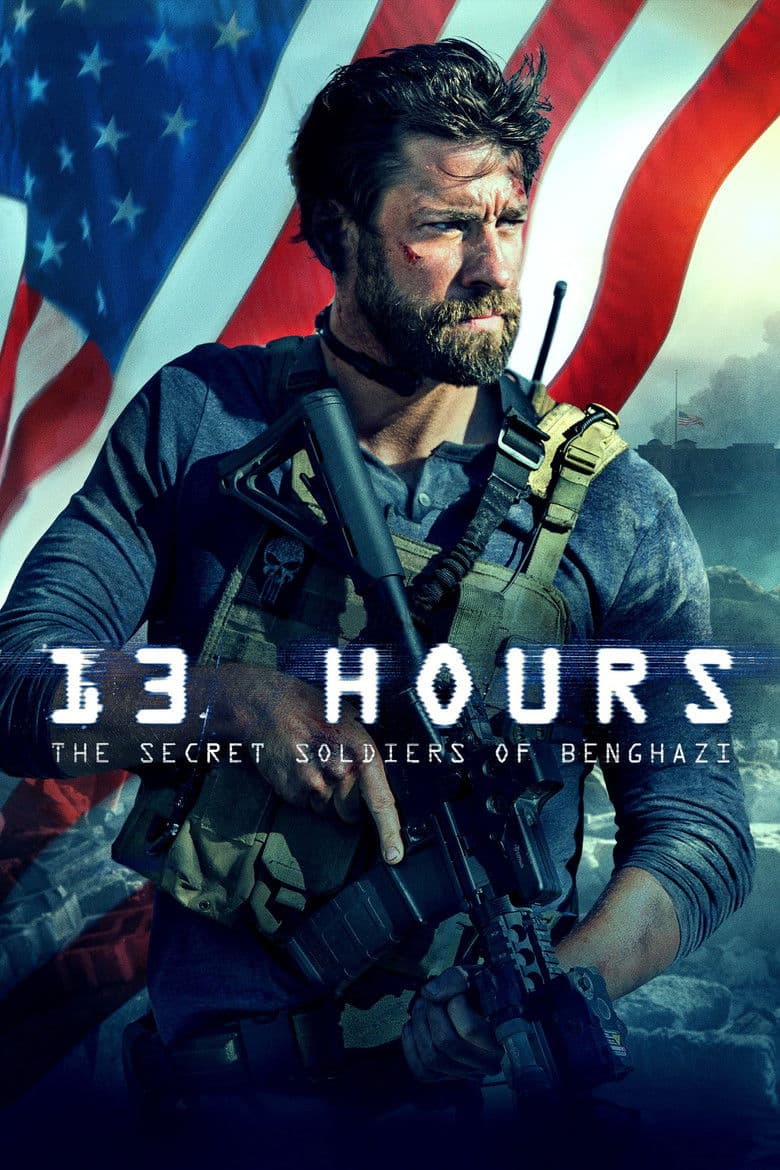
Movie · 2016
An American Ambassador is killed during an attack at a U.S. compound in Libya as a security team struggles to make sense out of the chaos.
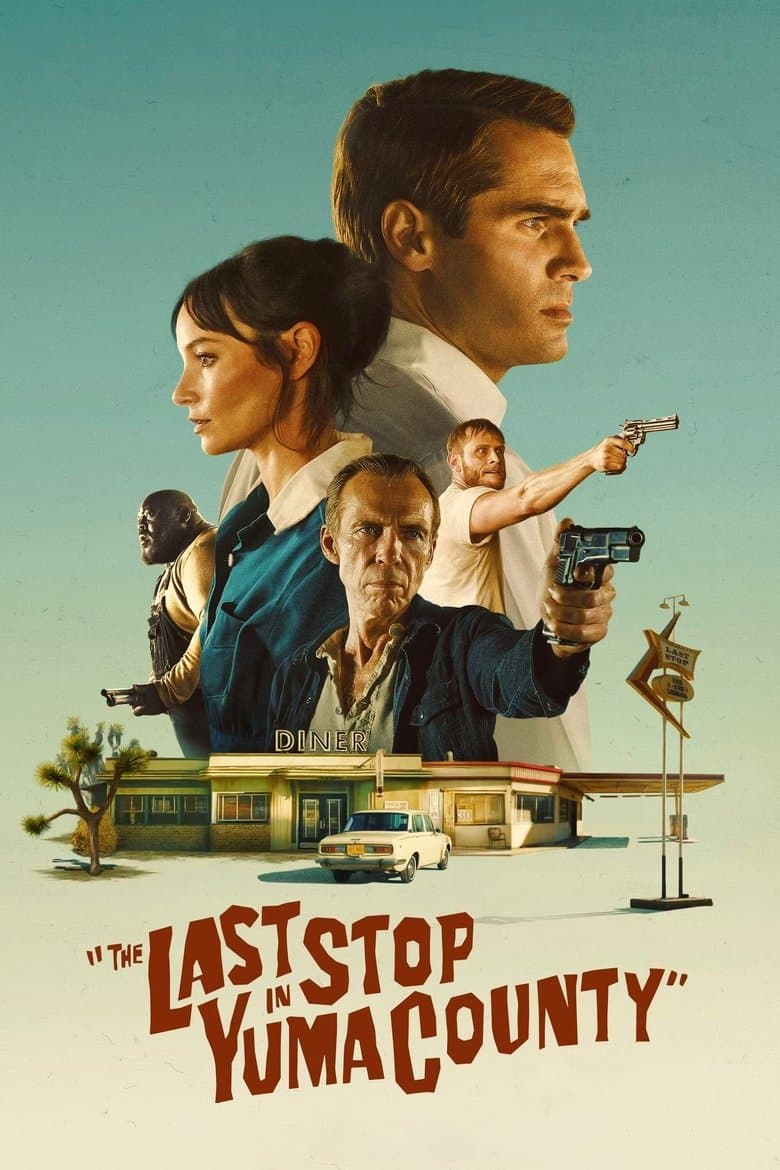
Movie · 2024
While awaiting the next fuel truck at a middle-of-nowhere Arizona rest stop, a traveling young knife salesman is thrust into a high-stakes hostage situation by the arrival of two…
