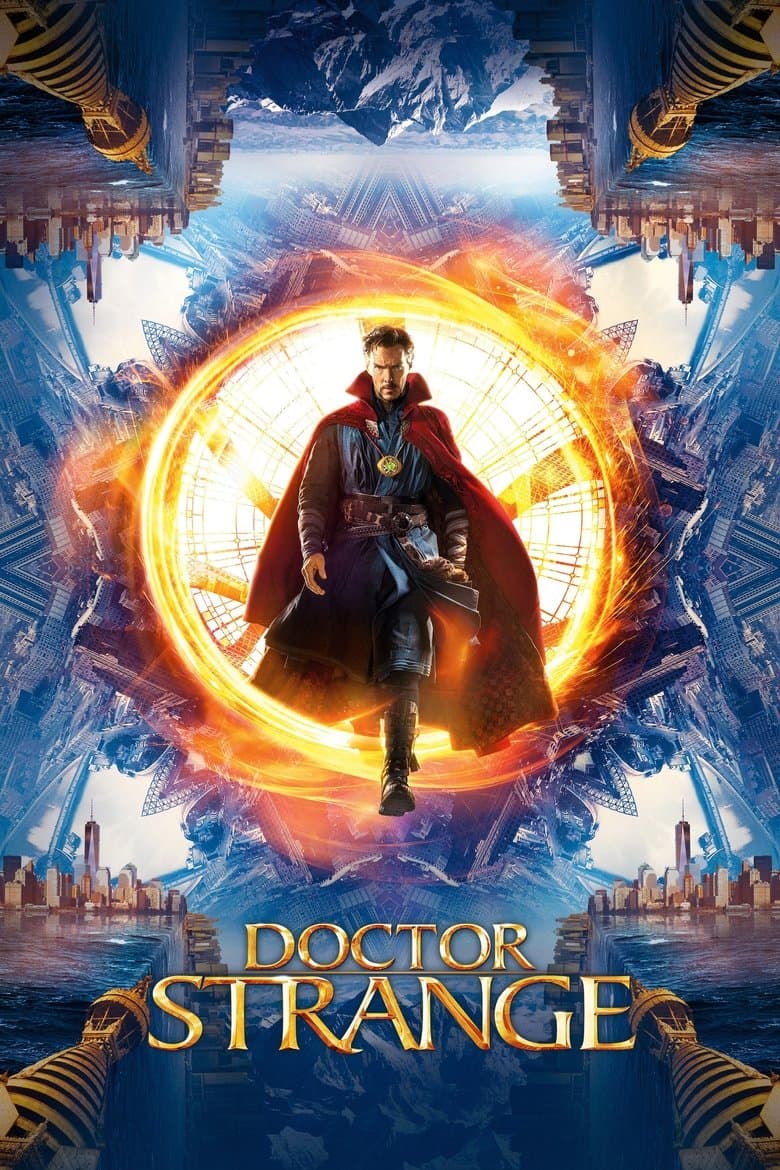
Doctor Strange is a superhero origin film about a wealthy, arrogant neurosurgeon who loses the use of his hands in a car accident. Desperate for a cure, he travels to Nepal and learns magic from an ancient order of sorcerers to defend Earth from cosmic threats. The movie features a prominent gender-swapped character, turning a traditionally male Tibetan mentor into a Celtic woman. It also updates other comic-book characters with modern, diverse casting.
Community feedback
Was our 31% Woke rating accurate?
Breakdown
These are the editorial factors and ratings behind our score for Doctor Strange.
Woke representation / casting
In the original comics, the Ancient One is an elderly Tibetan man, but the film changes the character into an androgynous Celtic woman played by Tilda Swinton. Producers stated they genderswapped the role to avoid stereotypes and give a woman a powerful, wise mentor role. Additionally, Karl Mordo, originally a white character, is cast with black actor Chiwetel Ejiofor. Wong is also updated from a comic-book servant into a tough, highly competent librarian. While the movie has a strong focus on updating old characters, these changes serve the fantasy narrative and do not lecture the audience about real-world race or gender politics.
30%
Woke political dialogue
The movie does not contain any woke political dialogue or real-world social-justice lectures. The characters focus entirely on magic, the multiverse, surgical science, and the fight against cosmic threats. There are no political speeches about current social issues, identity politics, or activist themes.
0%
Identity-driven story themes
The story focuses on a classic hero's journey about overcoming arrogance, accepting personal limits, and making sacrifices for the greater good. There are no identity-driven themes, and the narrative does not focus on gender struggles, racial identity, or systemic oppression. The female mentor trains Strange without any feminist framing or lecturing.
0%
Western institutional / cultural critique
The film critiques modern scientific materialism and personal ego, urging the main character to look beyond physical reality. This spiritual journey is a traditional moral lesson rather than an activist critique of Western institutions, capitalism, or patriotism. There is no framing of traditional gender roles or family structures as toxic, and the film does not mock Christianity or Western culture.
0%
Woke character or canon changes
The film makes several major changes to established comic book canon. The Ancient One is changed from an elderly Tibetan man to a Celtic woman. Marvel executives openly stated they genderswapped the role to put a woman in a wise, high-status mentor role. Additionally, Karl Mordo is changed from a white Transylvanian noble to a black sorcerer, and Wong is changed from a stereotypical subservient manservant to a highly competent master of the mystic arts.
40%
Anti-woke backlash and complaints
Most of the controversy surrounding the film came from left-wing critics who accused Marvel of whitewashing because they cast a white woman instead of an Asian actor for the Ancient One. Right-leaning and anti-woke viewers had very few complaints about the film. Aside from minor grumbling from comic book purists about the gender and race changes to the Ancient One and Karl Mordo, there was no major anti-woke backlash against the movie.
5%
Creator track record context
The creative team represents a mix of neutral, traditional, and diversity-focused figures. While writer-director Scott Derrickson and writer C. Robert Cargill have very low woke scores and focus on traditional storytelling, key Marvel executives like Kevin Feige, Victoria Alonso, Stephen Broussard, and casting director Sarah Halley Finn have moderate-to-high woke scores due to their long-term, public commitment to expanding identity-based representation in the Marvel franchise.
35%
Production
Movie · 2022
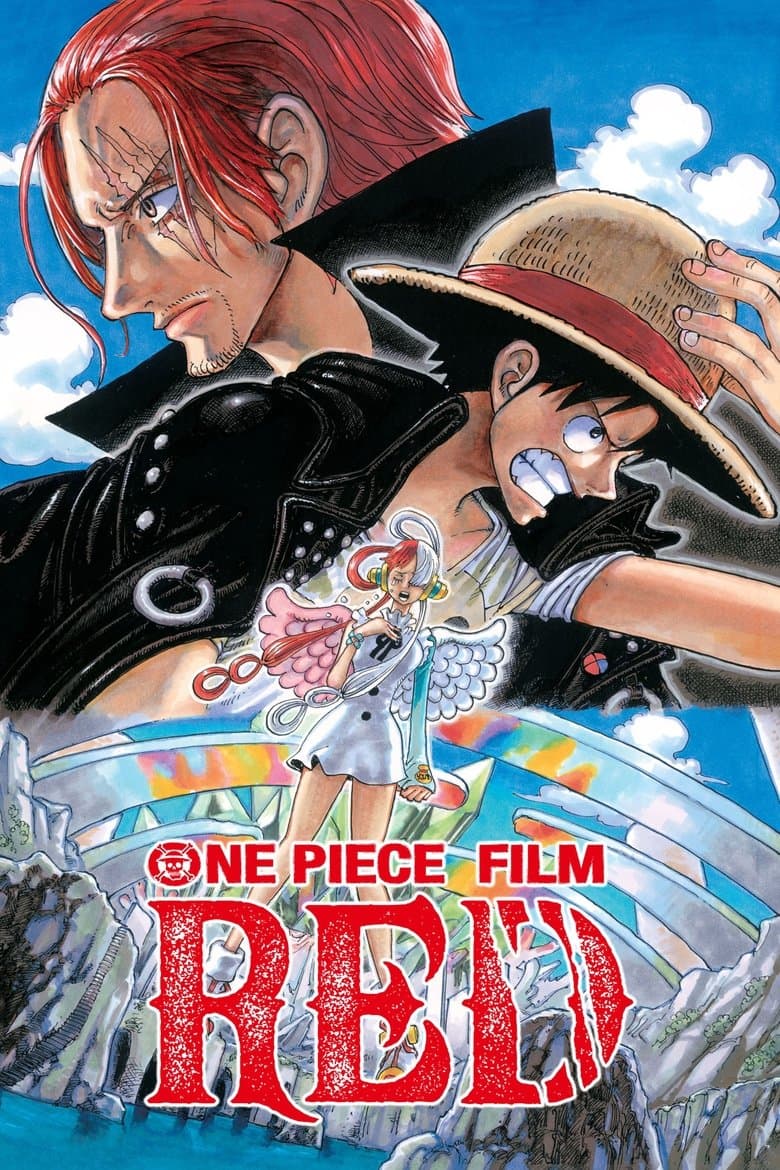
A new adventure begins for Luffy and his crew when mysterious pop superstar Uta unveils her identity — and launches a misguided plan for world peace.
Movie · 2020
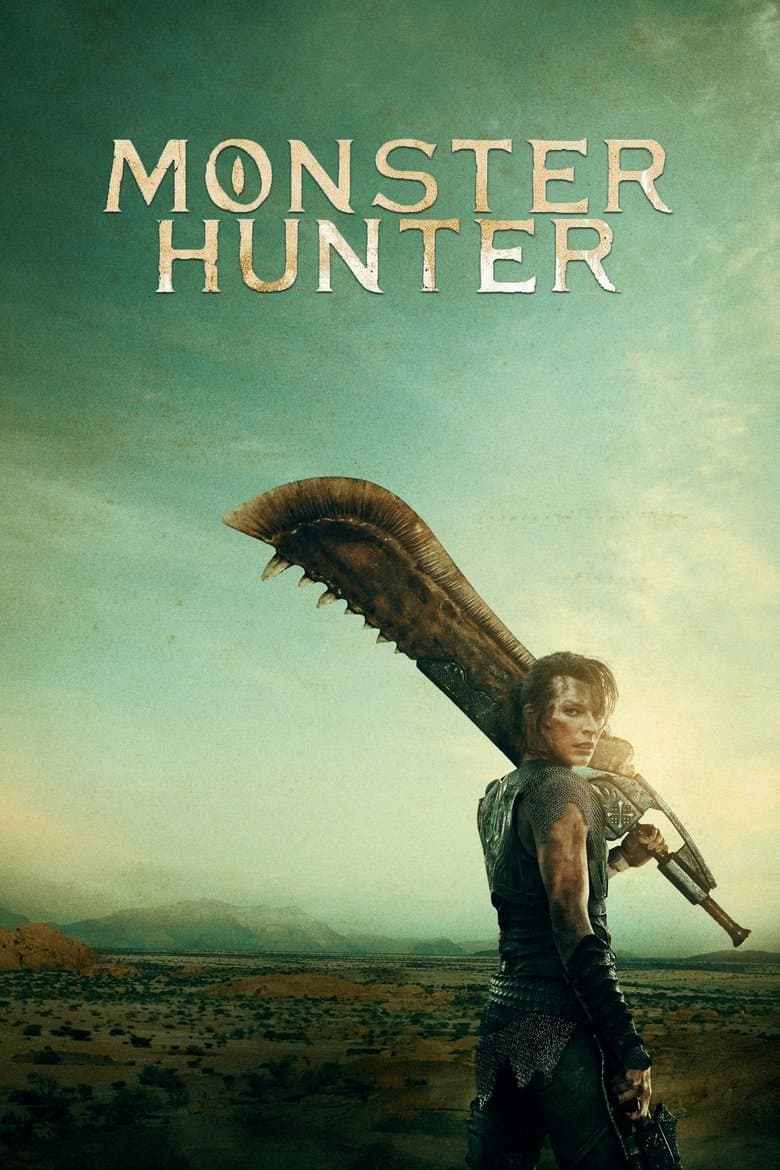
A portal transports Cpt. Artemis and an elite unit of soldiers to a strange world where powerful monsters rule with deadly ferocity.
Movie · 2001
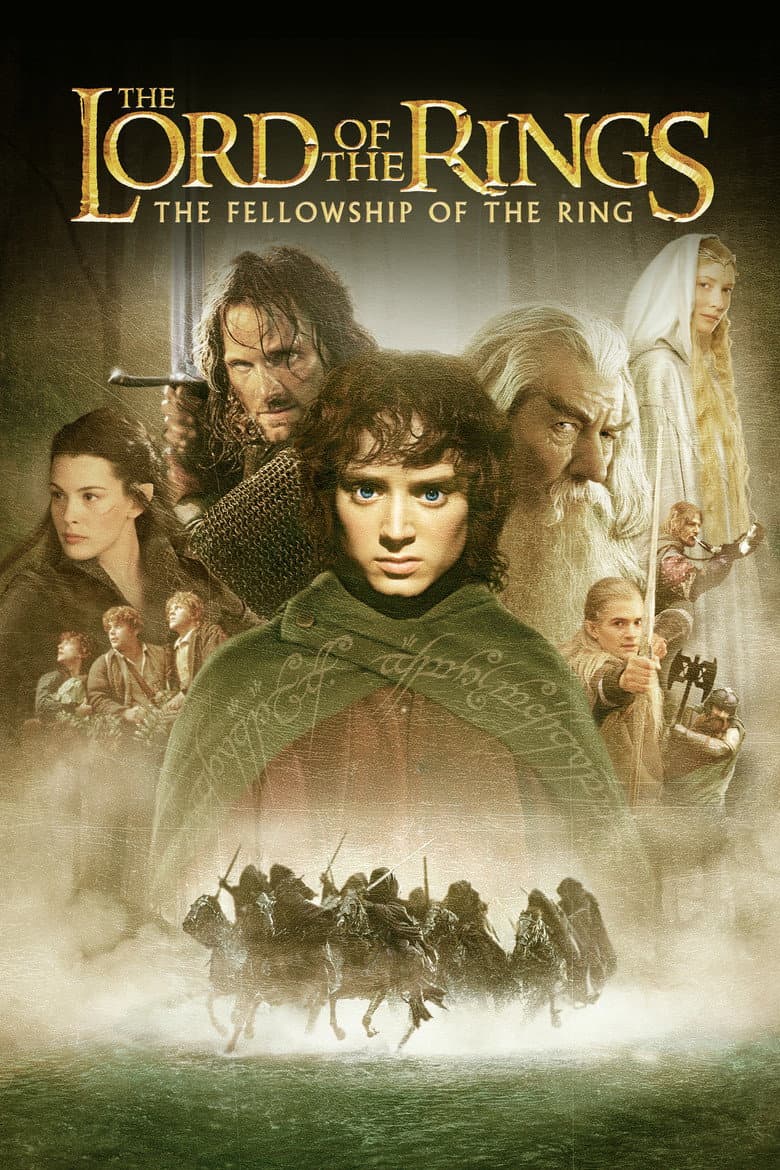
Young hobbit Frodo Baggins, after inheriting a mysterious ring from his uncle Bilbo, must leave his home in order to keep it from falling into the hands of its evil creator.
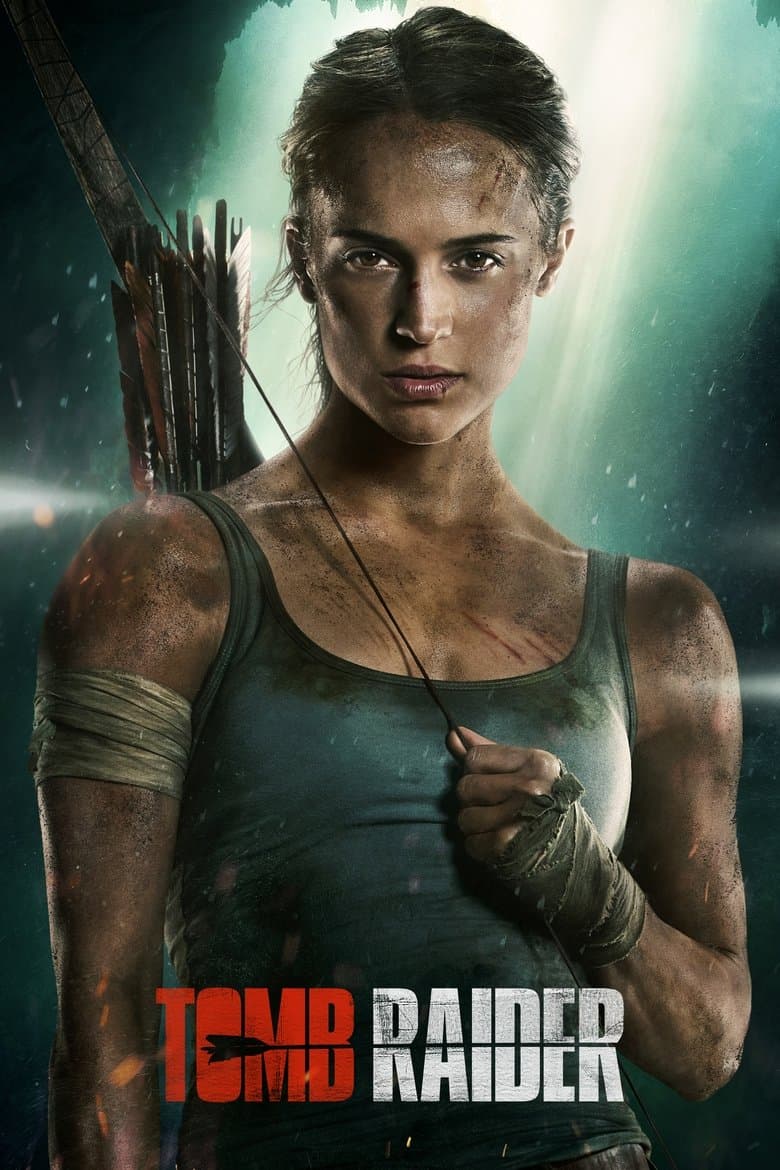
Movie · 2018
Lara Croft, the fiercely independent daughter of a missing adventurer, must push herself beyond her limits when she finds herself on the island where her father disappeared.
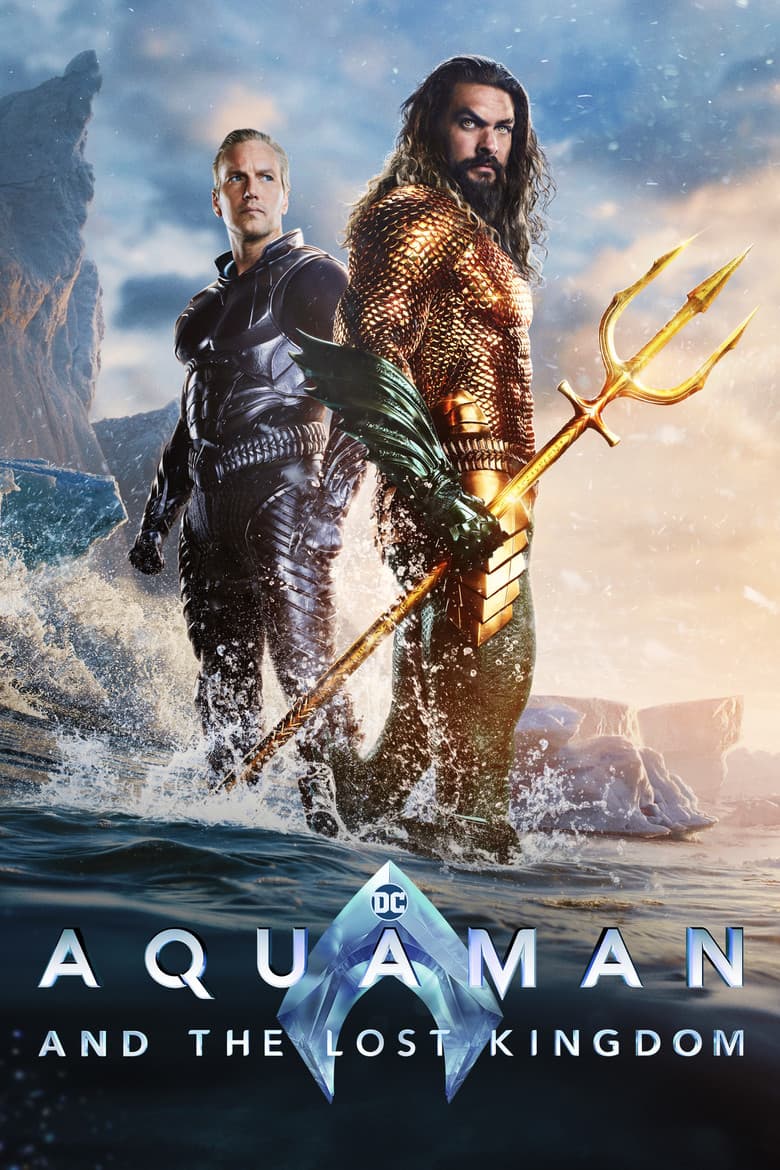
Movie · 2023
Black Manta seeks revenge on Aquaman for his father's death. Wielding the Black Trident's power, he becomes a formidable foe.
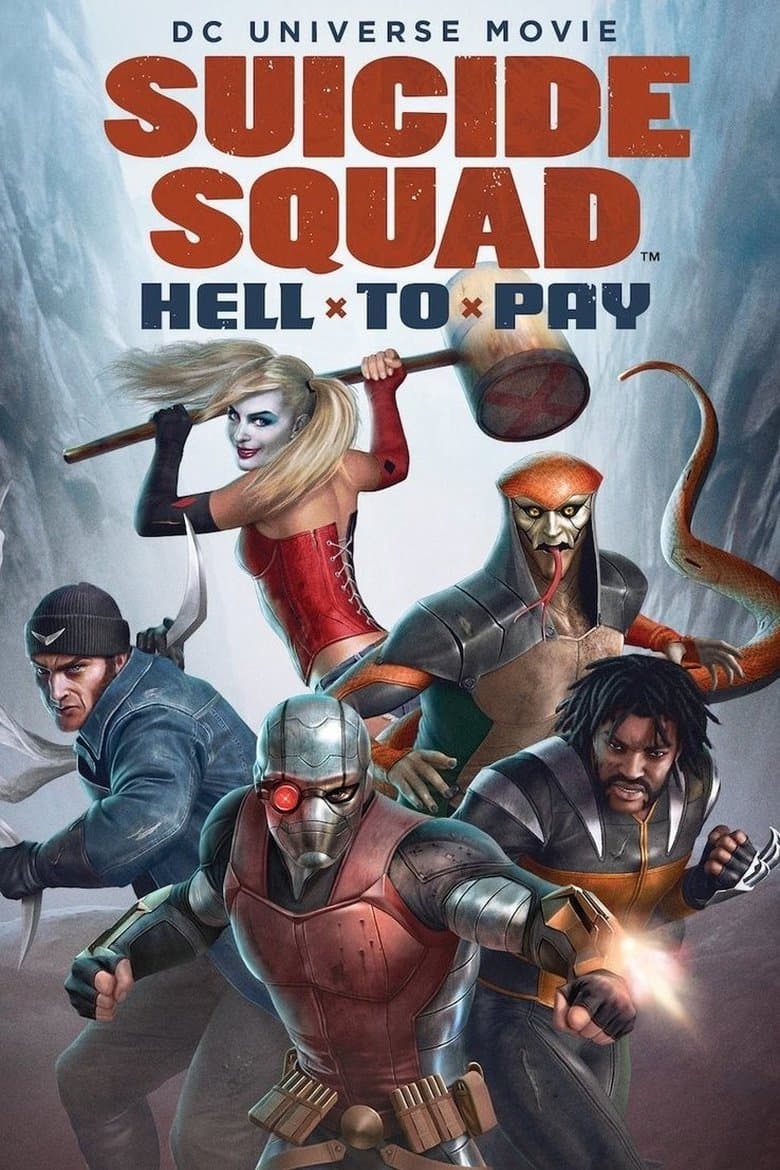
Movie · 2018
Amanda Waller's top-secret "Task Force X" — consisting of Deadshot, Bronze Tiger, Killer Frost, Captain Boomerang, Harley Quinn, and Copperhead — is on a mission to retrieve a…
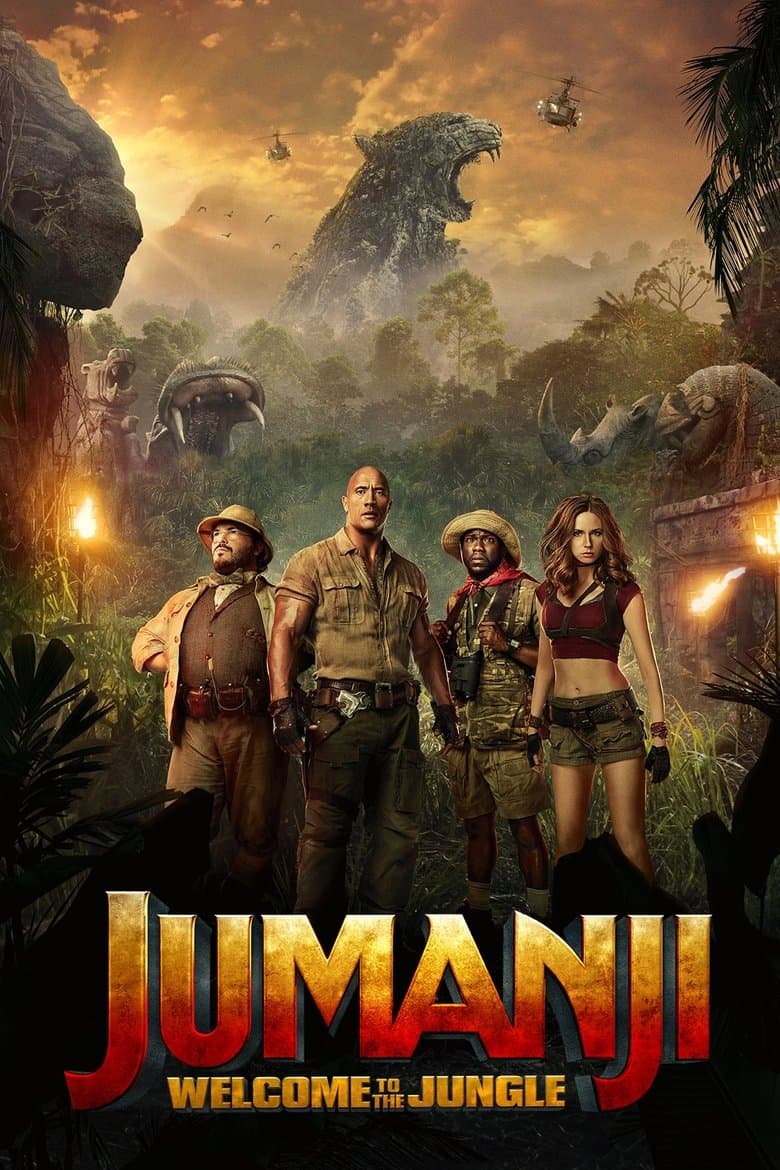
Movie · 2017
Four teenagers in detention discover an old video game console with a game they’ve never heard of. When they decide to play, they are immediately sucked into the jungle world of…
Movie · 2016
From DC Comics comes the Suicide Squad, an antihero team of incarcerated supervillains who act as deniable assets for the United States government, undertaking high-risk black ops…
