Movie review
December 8, 2023 · 101 min · PG · Kids · Animation · Comedy · Adventure · Family
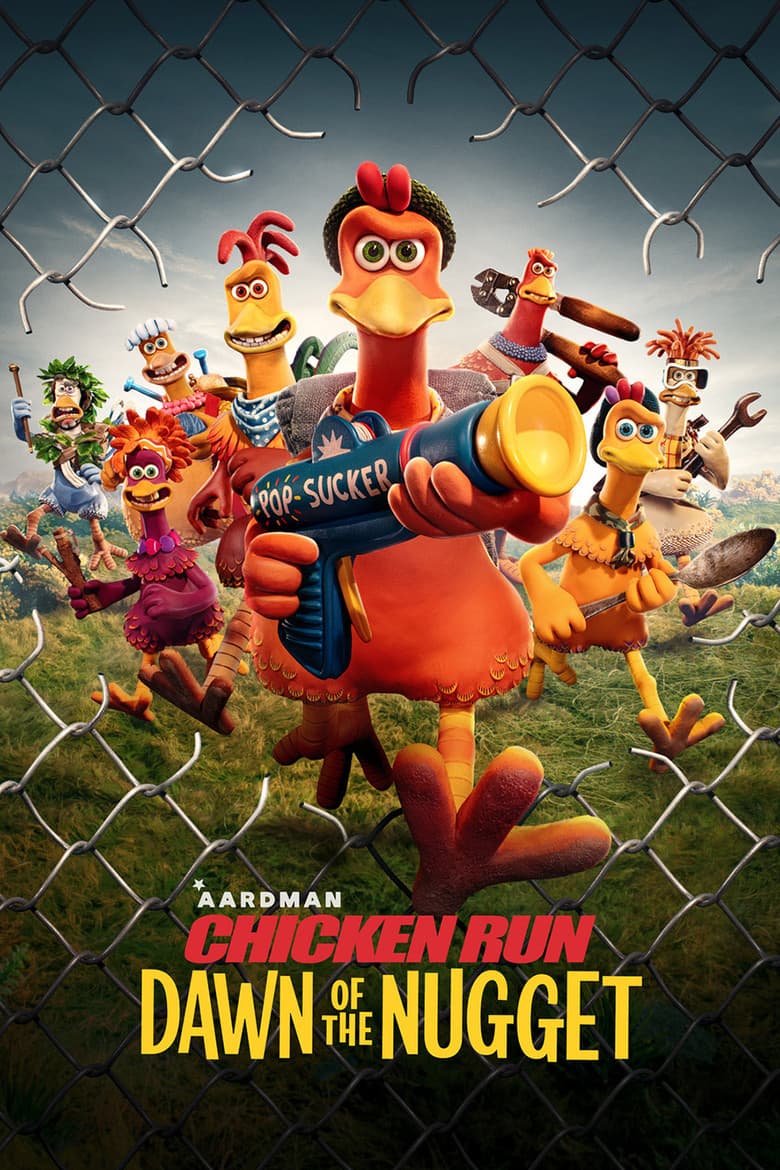
Ginger and Rocky live with their flock on a quiet island after escaping a farm that wanted to turn them into food. They are raising their adventurous daughter, Molly, but Ginger tries to keep her away from the dangerous mainland. Molly leaves the island with a new friend named Frizzle and is taken to a bright chicken resort that hides a deadly nugget factory. Ginger, Rocky, and the other chickens must break into the farm, free the prisoners, and face Mrs. Tweedy again in a funny stop-motion rescue adventure.
The film puts Ginger and Molly at the center, and the hens lead most of the planning, fighting, and rescue work. Rocky acts more like a silly father and helper, while the women and girls usually make the important choices. The factory plot treats mass chicken farming, fast food, control collars, and fake happiness as a system that harms animals. These ideas are easy to notice, but the movie presents them through family conflict, jokes, danger, and teamwork instead of long political speeches.
Community feedback
Was our 52% Woke rating accurate?
Breakdown
These are the editorial factors and ratings behind our score for Chicken Run: Dawn of the Nugget.
Woke representation / casting
Thandiwe Newton, a black British actor, voices Ginger after Julia Sawalha voiced her in the first film. Romesh Ranganathan, a British Sri Lankan performer, voices Nick. The film keeps most active and heroic chicken roles with Ginger, Molly, Mac, and Bunty. This creates a noticeable identity and gender pattern, but it is not presented as a diversity campaign.
29%
Woke political dialogue
Not present. The characters talk about escape, family, danger, and chicken food. Factory lines about fast food and control collars explain the villain’s plan, not modern identity or activist politics.
0%
Identity-driven story themes
Ginger leads the rescue and makes the key plans. Molly takes bold action and helps free the chickens, while Mac and Bunty supply the group’s brains and strength. Rocky is mainly a goofy father and helper, so the women and girls hold most of the skilled and heroic roles. The mother-daughter bond drives the story, and the makers described the earlier film as a feminist anthem.
56%
Western institutional / cultural critique
Fun-Land Farms hides a factory that turns living chickens into nuggets. The film mocks fast food, mass production, and fake happiness that keeps animals calm while they are being used. The control collars and cheerful songs show a system built to remove fear and resistance. This critique drives the rescue, but the film does not turn it into a message about race, religion, or modern Western society as a whole.
32%
Woke character or canon changes
Ginger, an established lead, is voiced by black British actor Thandiwe Newton instead of white British actor Julia Sawalha. The change is noticeable, but interviews explain it as a reboot and voice-fit choice rather than a representation goal. Rocky and several supporting voices were also recast. Molly’s mother-daughter story replaces an early father-son idea, but it does not rewrite a queer or racial identity.
18%
Anti-woke backlash and complaints
One small X account later called the sequel “mid-witted and woke” and said it was badly directed. The post had almost no engagement, and other small accounts either called the film free of woke content or praised it as an alternative to a DEI lecture. News coverage focused on the Sawalha recast, age concerns, and mixed sequel reviews. No boycott, review-bombing drive, or large right-leaning campaign was found.
10%
Creator track record context
Cached context gives Jeff Newitt, David Bowers, Kartika Mediani, Kirstie Deane, and Zoe Verrier-Stunt a low activist score. Cached context gives Sam Fell a mildly higher score because ParaNorman had an openly gay supporting character and he later made a Gaza-related short. The wider crew record is mostly craft-focused rather than identity-first. This context adds some background weight, but it does not show that this film is built around those causes.
31%
Production
Movie · 2024
Gromit’s concern that Wallace is becoming too dependent on his inventions proves justified, when Wallace invents a “smart” gnome that seems to develop a mind of its own.

Movie · 2018
Dug, along with his sidekick Hognob, unite a cavemen tribe to save their hidden valley from being spoiled and, all together as a team, to face the menace of a mysterious and…
Movie · 2017
A small but brave donkey and his animal friends become the unsung heroes of the greatest story ever told: the first Christmas.
Movie · 2019
Max the terrier must cope with some major life changes when his owner gets married and has a baby. When the family takes a trip to the countryside, nervous Max has numerous…
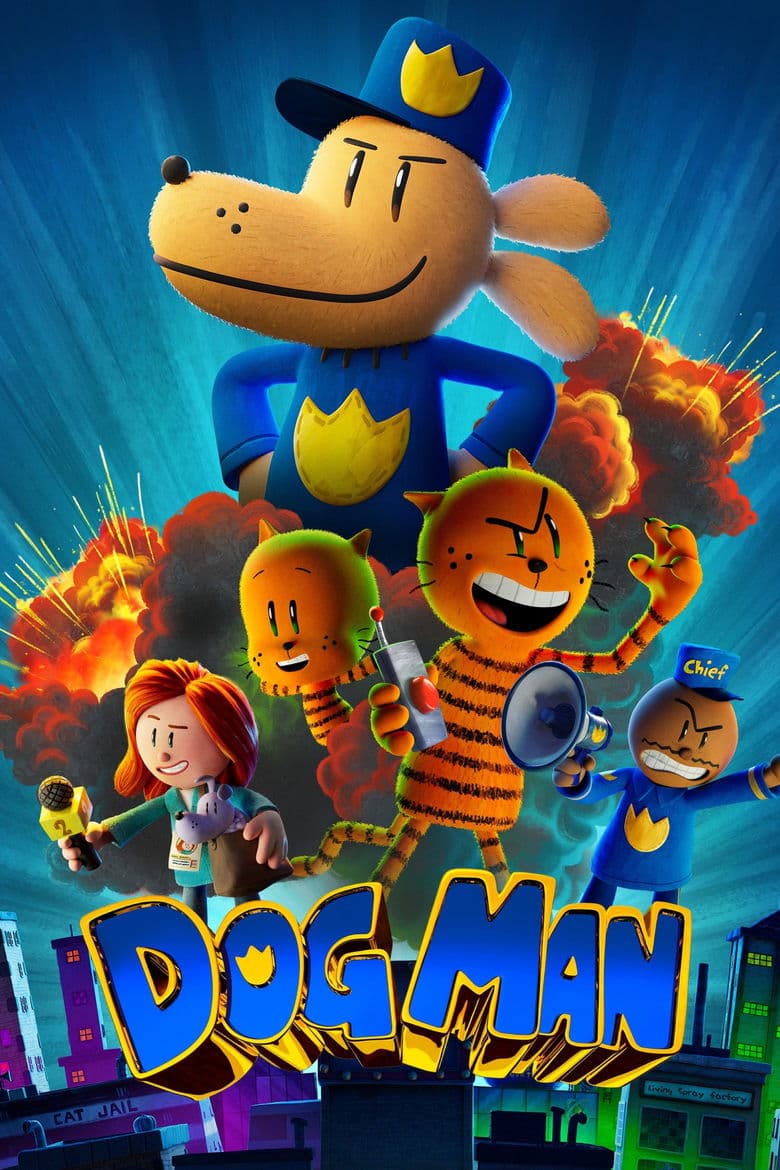
Movie · 2025
When a faithful police dog and his human police officer owner are injured together on the job, a harebrained but life-saving surgery fuses the two of them together and Dog Man is…
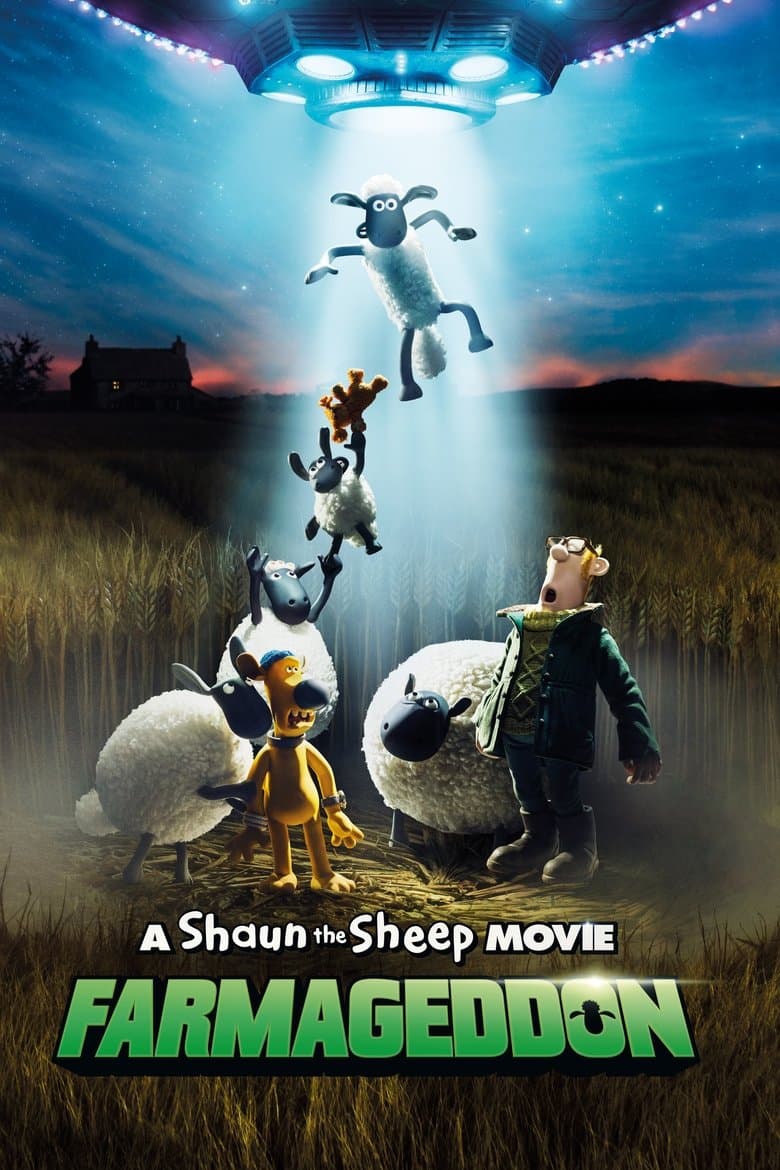
Movie · 2019
When an alien with amazing powers crash-lands near Mossy Bottom Farm, Shaun the Sheep goes on a mission to shepherd the intergalactic visitor home before a sinister organization…
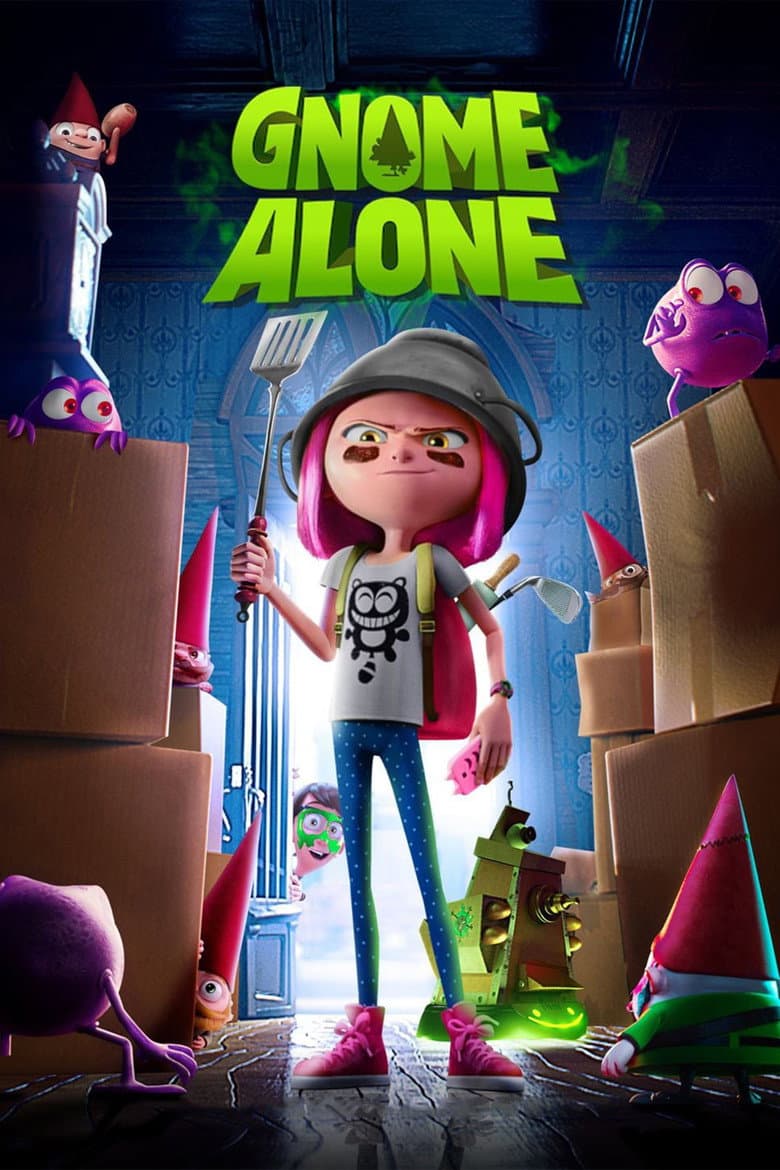
Movie · 2017
When Chloe discovers that her new home's garden gnomes are not what they seem, she must decide between the pursuit of a desired high school life and taking up the fight against…
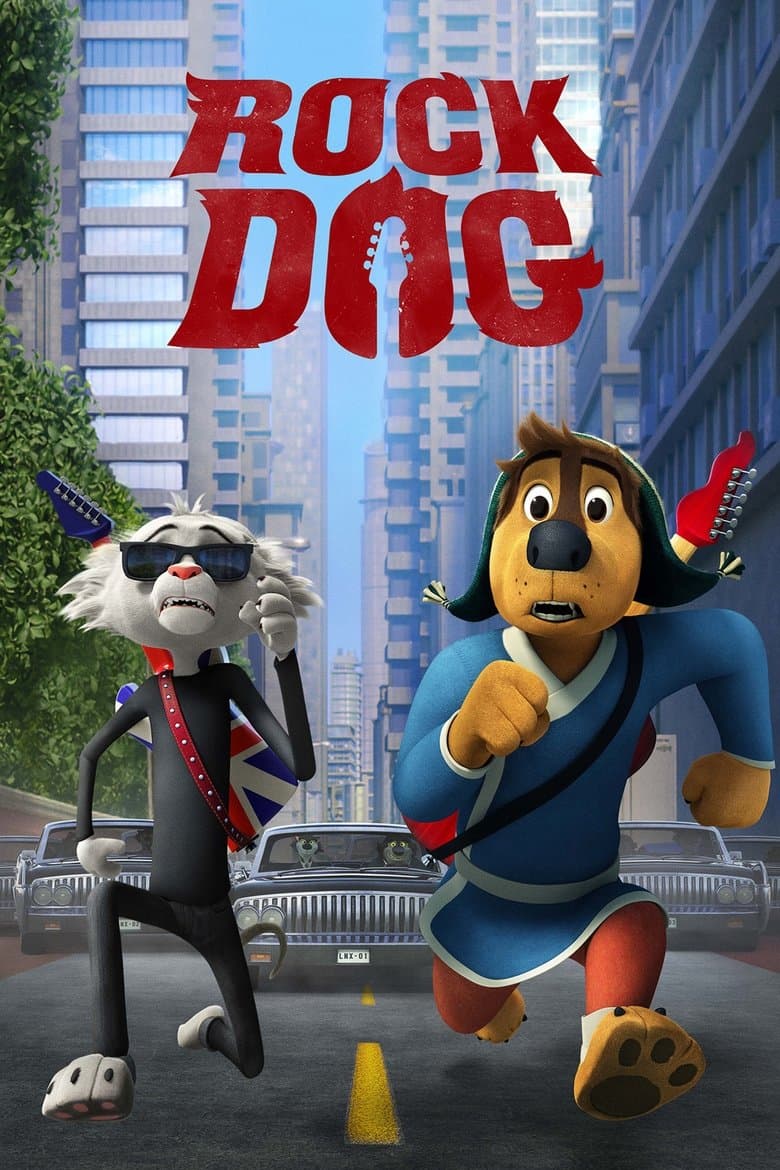
Movie · 2016
When a radio falls from the sky into the hands of a wide-eyed Tibetan Mastiff, he leaves home to fulfill his dream of becoming a musician, setting into motion a series of…
