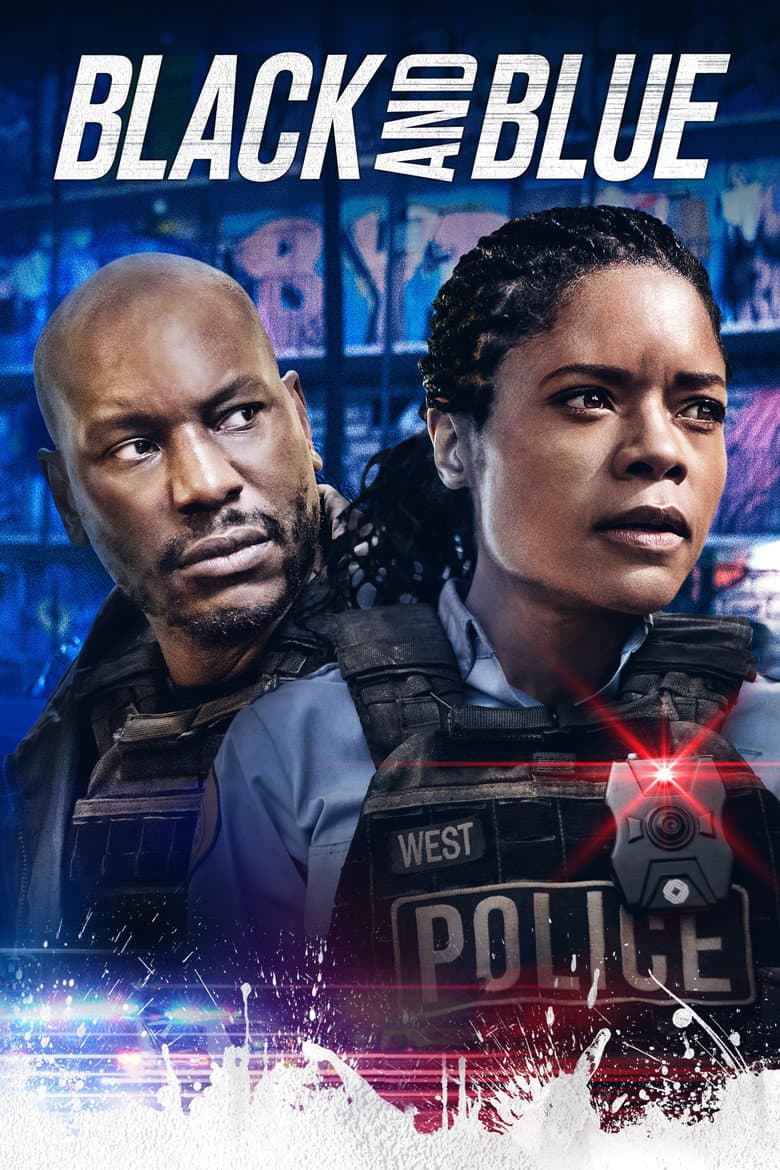
Black and Blue follows Alicia West, a rookie police officer and Army veteran who returns to her old New Orleans neighborhood. During a night shift, her body camera records corrupt officers killing a young drug dealer. Alicia must reach safety while police and criminals hunt her for the footage. The movie uses tense chases, gun fights, and a dark, urgent tone.
Alicia is a black woman caught between her police badge and the black community where she grew up. The movie repeatedly shows racial profiling, police brutality, and the fear that police can treat Black civilians as criminals. Its main message says that a broken police department must face its own abuse and rebuild trust with the people. Alicia chooses to expose the truth even when the police and her neighborhood turn against her.
Community feedback
Was our 74% Woke rating accurate?
Breakdown
These are the editorial factors and ratings behind our score for Black and Blue.
Woke representation / casting
Naomie Harris plays a black woman as the main hero, and the movie keeps her race and sex central to her conflict with the police. A black woman also leads the department as captain, while a black man becomes Alicia's key ally. Interviews and marketing call Alicia the first big-screen lead who is an African-American female police officer and stress positive black representation. The New Orleans setting makes the casting believable, but the repeated identity message makes it more than ordinary casting.
58%
Woke political dialogue
Alicia and other characters repeatedly talk about the split between being black and being a police officer. The police side treats her badge as a reason to leave her old identity behind. The neighborhood side talks about police fear, racial profiling, and choosing sides. The movie makes these ideas part of spoken conflict throughout the chase, not just a background detail.
48%
Identity-driven story themes
Alicia's central conflict comes from being a black police officer caught between her neighborhood and corrupt officers. The opening shows white officers stopping her while she is jogging in a hoodie. The body camera footage turns police brutality, racial distrust, and community identity into the main story problem. Alicia's decision to expose the truth drives the entire movie, although the film remains an action thriller.
68%
Western institutional / cultural critique
The police department is shown as a violent group that protects its own criminals. The film links police abuse with racial profiling and deep distrust in a black neighborhood. The story also points to poverty, Hurricane Katrina's aftermath, and government neglect. A few honest officers remain, but the main message treats the department as deeply broken. The criticism of police power affects the whole plot.
60%
Woke character or canon changes
Not relevant. The film is an original fictional crime story. It does not change a known character, source, or real historical event.
0%
Anti-woke backlash and complaints
A Visual Parables review reports that conservatives attacked the film as a liberal propaganda rant against police. The complaint targets the movie's social-justice view of police corruption and racial conflict. The separate X research found no anti-woke reaction or specific complaints. The available evidence shows a small and unclear backlash.
15%
Creator track record context
The cached context gives the writer and director moderate scores because of work and public activity tied to race, police brutality, and social justice. The casting director has a record of supporting diverse casting, and producer Roxanne Avent Taylor has backed black creators and voter participation. Other cached producers show little activist record. These patterns fit the film's themes but remain supporting context.
39%
Production
Movie · 2021
On the run from a lethal assassin, a wily con artist devises a scheme to hide out inside a small-town police station.
Movie · 2019
Super-assassin John Wick returns with a $14 million price tag on his head and an army of bounty-hunting killers on his trail.
Movie · 2021
Danger, deception and murder descend upon a sleepy town when a professional assassin accepts a new assignment from his enigmatic boss.
Movie · 2018
When his fiancee is kidnapped by human traffickers, Roman and his ex-military brothers set out to track her down and save her before it is too late.
Movie · 2025
Levon Cade left behind a decorated military career in the black ops to live a simple life working construction.
Movie · 2026
Trust frays when a team of Miami cops discovers millions in cash inside a run-down stash house, calling everyone — and everything — into question.
Movie · 2020
Kyle and Swin live by the orders of an Arkansas-based drug kingpin named Frog, whom they've never met. But when a deal goes horribly wrong, the consequences are deadly.
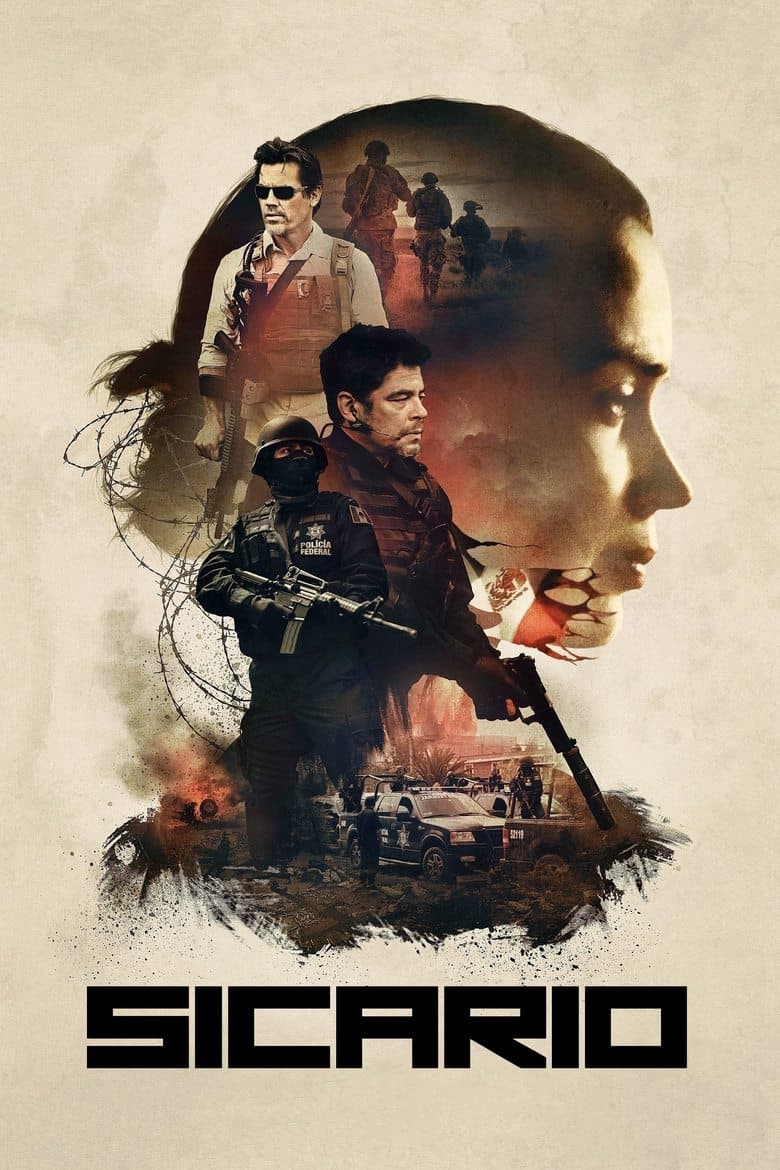
Movie · 2015
An idealistic FBI agent is enlisted by a government task force to aid in the escalating war against drugs at the border area between the U.S. and Mexico.
