
After Ever Happy follows Tessa Young and Hardin Scott after a family secret breaks Hardin’s sense of himself. The couple moves between London, Seattle, and New York while Hardin drinks, uses drugs, and lashes out. Tessa loses her father and learns that she cannot safely carry a baby, while Hardin tries to support her. Their hot-and-cold romance has a dark, sad tone, and it asks whether love can survive the harm they cause each other.
Tessa decides to leave Hardin and build a life in New York when his behavior keeps hurting her. Hardin starts Alcoholics Anonymous, finishes university, and puts his past into a book without Tessa’s permission. Tessa rejects the book because it tells her private story. The film ends with the pair still apart. The story treats grief and recovery as part of a troubled straight relationship.
Community feedback
Was our 13% Woke rating accurate?
Breakdown
These are the editorial factors and ratings behind our score for After Ever Happy.
Woke representation / casting
Not present. The modern-city supporting cast is not presented as a diversity message. The main story stays focused on Tessa and Hardin’s relationship.
0%
Woke political dialogue
Not present. The characters speak about family, grief, alcohol, sex, and their relationship. The dialogue does not turn those scenes into political or activist arguments.
0%
Identity-driven story themes
Tessa leaves a boyfriend who hurts her and makes choices about work, school, and sex. Tessa takes more control of her life after Hardin keeps hurting her. Langford said the third and fourth films use a female gaze and show Tessa growing into herself as a woman. The film keeps this message inside one straight romance.
15%
Western institutional / cultural critique
The film treats Hardin’s anger and choice to publish Tessa’s private story as harmful to her. Tessa leaves him when he keeps choosing destructive behavior. The story links his behavior to family trauma and addiction. The film gives Hardin a recovery path instead of turning him into a general attack on men.
15%
Woke character or canon changes
Not relevant. The movie moves the novel’s full ending to the next film. The recast supporting characters do not show an identity-driven change.
0%
Anti-woke backlash and complaints
Not present. The supplied X check reported no anti-woke reaction tied to the film. Other online criticism focused on the toxic romance and plot, not a DEI or left-wing message.
0%
Creator track record context
Anna Todd’s cached score is 6, and her work focuses on commercial romance. Sharon Soboil’s cached score is 15 because of limited links to projects about gender stereotypes. Castille Landon’s cached score is 14 and includes comments about the low number of women directors. The listed producers are mostly scored from 0 to 11, while Hero Fiennes Tiffin has a cached score of 27. This group gives mild support to the gender framing but not a strong activist pattern.
12%
Production

Movie · 2023
Hadley and Oliver begin falling in love on a flight from New York to London, but when they lose each other at customs, can they defy all odds to reunite?

Movie · 2025
Two artistic souls find harmony through music despite their contrasting worlds. As feelings deepen, age and circumstances challenge their undeniable bond.

Movie · 2020
When illness strikes two people who are polar opposites, life and death bring them together in surprising ways.
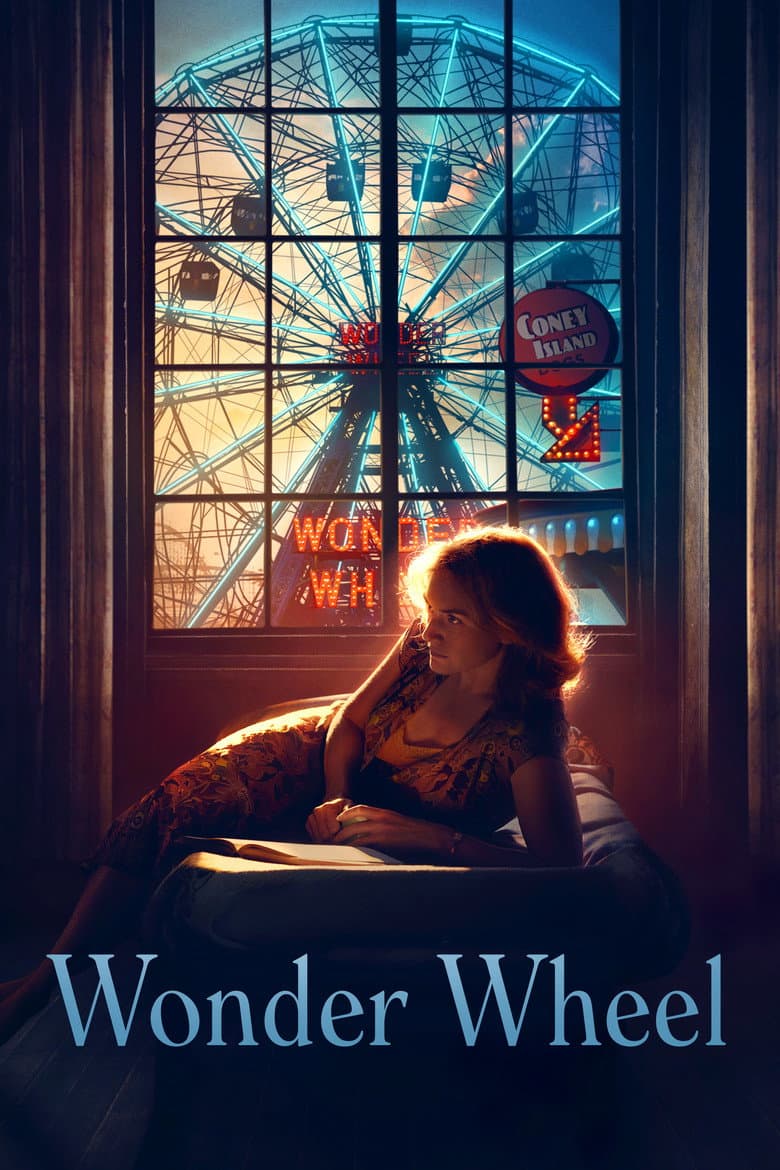
Movie · 2017
The story of four characters whose lives intertwine amid the hustle and bustle of the Coney Island amusement park in the 1950s: Ginny, an emotionally volatile former actress now…

Movie · 2025
Based on a true story, two down-on-their-luck musicians form a joyous Neil Diamond tribute band, proving it's never too late to find love and follow your dreams.

Movie · 2019
England, early 20th century. The future writer and philologist John Ronald Reuel Tolkien (1892-1973) and three of his schoolmates create a strong bond between them as they share…

Movie · 2016
Lou Clark, a directionless 26-year-old from the English countryside, takes a job at the local castle as a caregiver and companion to a wealthy young banker, Will Traynor.

Movie · 2016
Set during the last days of the Ottoman Empire, a love triangle develops between Mikael, a brilliant medical student, the beautiful and sophisticated artist Ana, and Chris, a…
