
Started April 25, 2022 · Ended · Based on 1 season, 6 episodes through May 30, 2022 · TV-MA
The series follows Sergeant Wayne Jenkins, a Baltimore police officer who leads the Gun Trace Task Force. The unit is meant to take guns and violent criminals off the streets, but its officers steal money, plant evidence, and protect drug dealers. Federal agents, a Justice Department lawyer, and fellow detectives uncover how the unit grew inside a department shaped by the drug war and mass arrests. The tone is grim, angry, and strongly focused on police corruption.
The series repeatedly argues that arrest numbers, police loyalty, and weak oversight harm Black residents and destroy trust in law enforcement. Nicole Steele's civil rights investigation gives the story a clear reform view, while Freddie Gray's death and the protests shape the case. The show treats the drug war and mass arrest as causes of wider institutional failure, not just as background. These ideas drive nearly every episode, but the series also gives some officers and investigators mixed motives and human flaws.
Community feedback
Was our 73% Woke rating accurate?
Breakdown
These are the editorial factors and ratings behind our score for We Own This City.
Woke representation / casting
Not present. The series uses a racially mixed Baltimore cast and a black female civil rights lawyer, but those choices fit the city and the real people around the case. The interviews and marketing do not present the cast as a diversity-first statement.
0%
Woke political dialogue
Nicole Steele and other characters repeatedly discuss police reform, the war on drugs, mass arrests, arrest numbers, and the loss of public trust. Brian Grabler links the department's decline to the war on drugs, and the story returns to that idea across the season. Tariq Toure and other speakers connect Freddie Gray's death to racism and police violence. The dialogue makes a clear left-leaning case against drug-war policing, although it stays tied to the true events.
55%
Identity-driven story themes
Black residents face repeated searches, beatings, planted evidence, and mass arrests, and the show treats these harms as part of a wider pattern. Nicole Steele's civil rights case, Freddie Gray's death, the protests, and Tariq Toure's activism keep race and police violence in the main plot. The story presents trust between Black neighborhoods and police as a major public issue. The theme is strong and repeated, but the series also centers greed, crime, drug policy, and personal choice.
55%
Western institutional / cultural critique
The series attacks the police department's quota system, code of silence, weak oversight, and political protection of bad officers. The story presents the drug war, mass arrest, and pressure for crime numbers as forces that damage both police work and poor Black neighborhoods. The Justice Department reform plan and the final budget debate extend the critique into government and public institutions. The show also portrays macho police culture as a source of bullying, entitlement, and abuse.
72%
Woke character or canon changes
Not relevant. The series adapts a nonfiction book and uses real officers and cases. Nicole Steele is a fictional composite, but no identity-based rewrite of a known character or historical event is clear.
0%
Anti-woke backlash and complaints
Small X accounts called the miniseries a woke version of The Wire, an anti-America show that blames racism, or a series with DEI content. A few audience posts also called its police criticism anti-cop or too left-leaning. Other viewers defended it as fact-based, and the complaints had little engagement. No boycott, review-bombing, or large right-leaning campaign appeared.
15%
Creator track record context
David Simon's stored score is 65/100 and reflects repeated criticism of the drug war, capitalism, and racial problems inside institutions. George Pelecanos's stored score is 42/100 and reflects stories about race, inequality, and working-class Baltimore. D. Watkins's stored score is 85/100 because his work openly addresses police brutality, black representation, and mass incarceration. Reinaldo Marcus Green's stored score is 53/100 and his interviews frame the series as a deeper look at problems facing his community. Other cached writers and producers have lower or neutral scores.
62%
Production
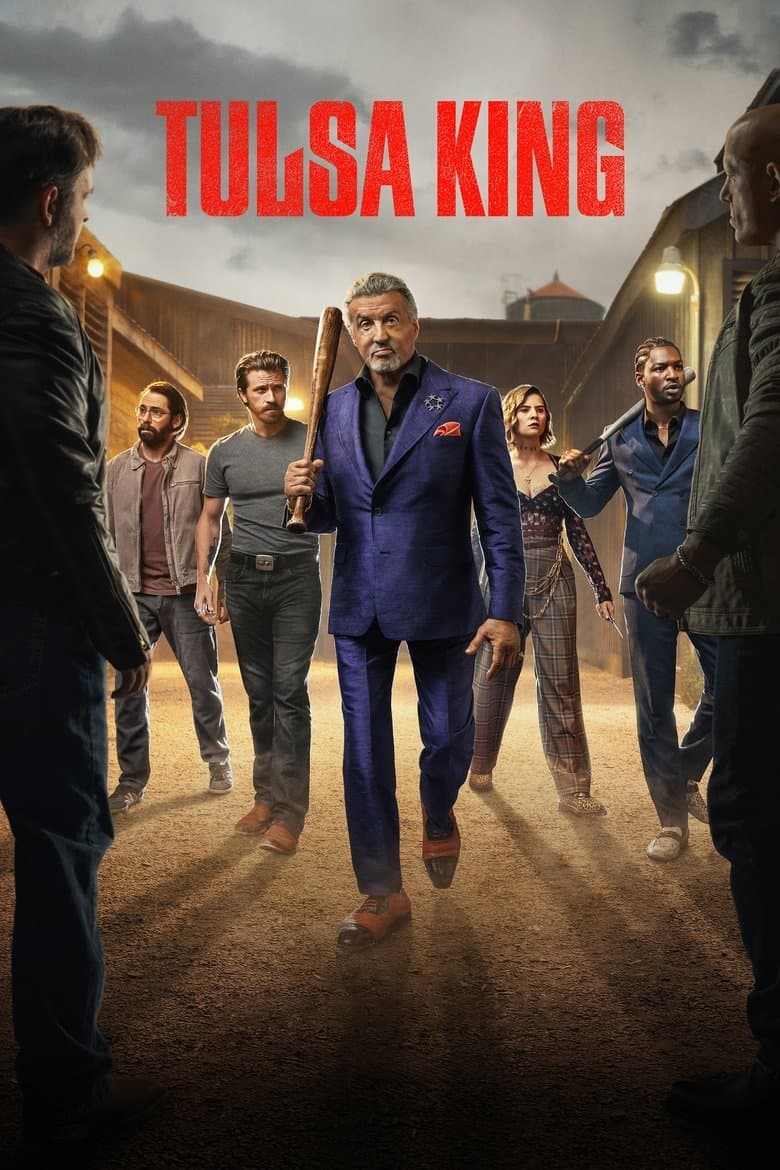
TV Show · 2022
New York mafia capo Dwight "The General" Manfredi is released from prison after 25 years and exiled by his boss to set up shop in Tulsa, Oklahoma.
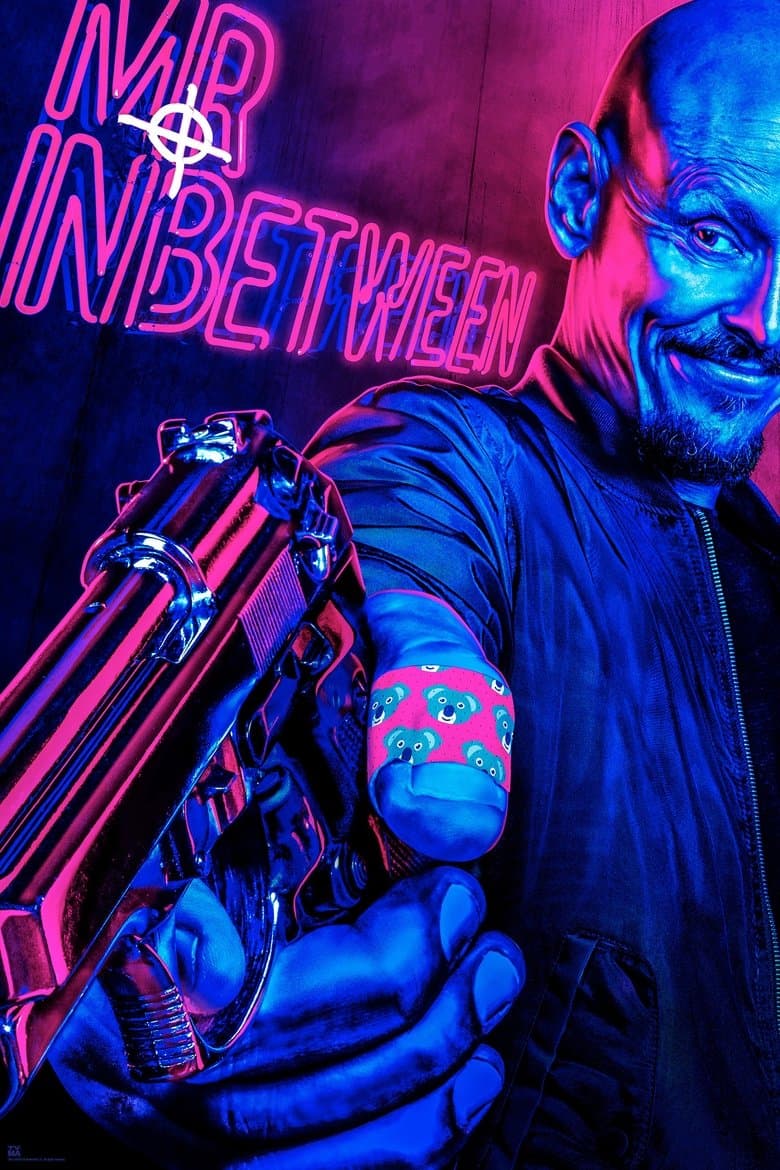
TV Show · 2018
Ray Shoesmith is a father, ex-husband, boyfriend and best friend: tough roles to juggle in the modern age. Even harder when you’re a criminal for hire.
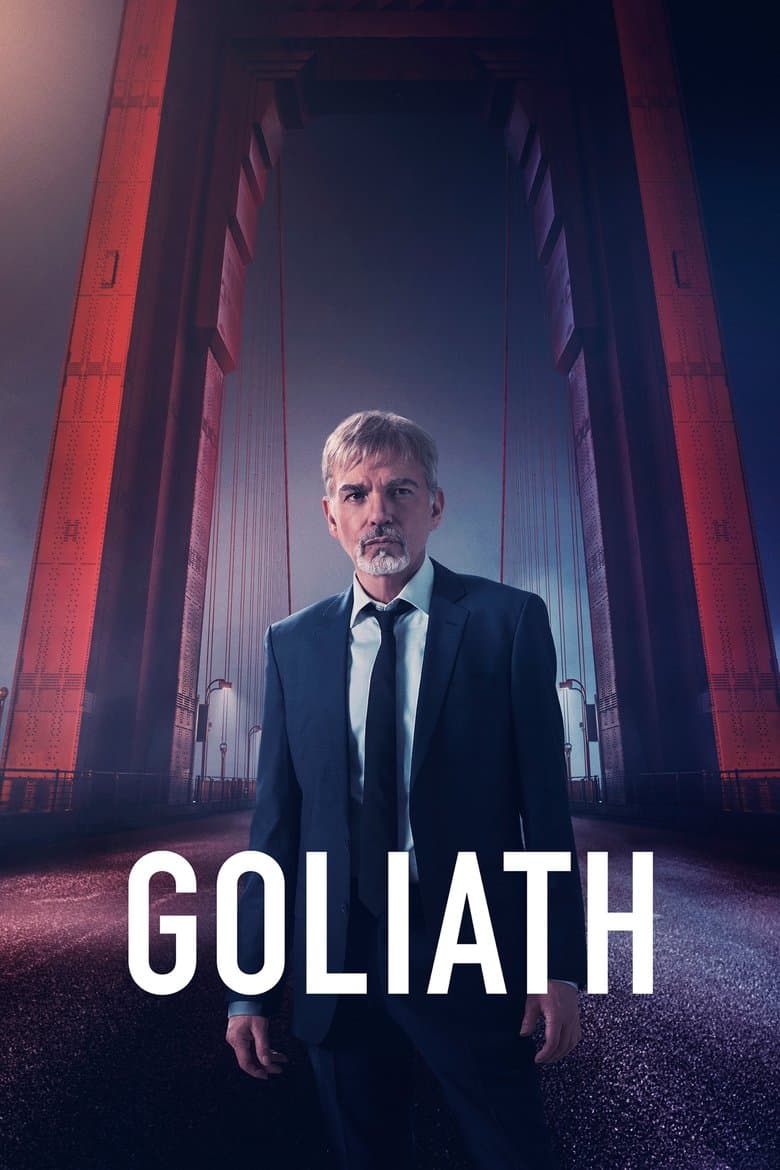
TV Show · 2016
Once a powerful lawyer, Billy McBride is now burned out and washed up, spending more time in a bar than a courtroom.
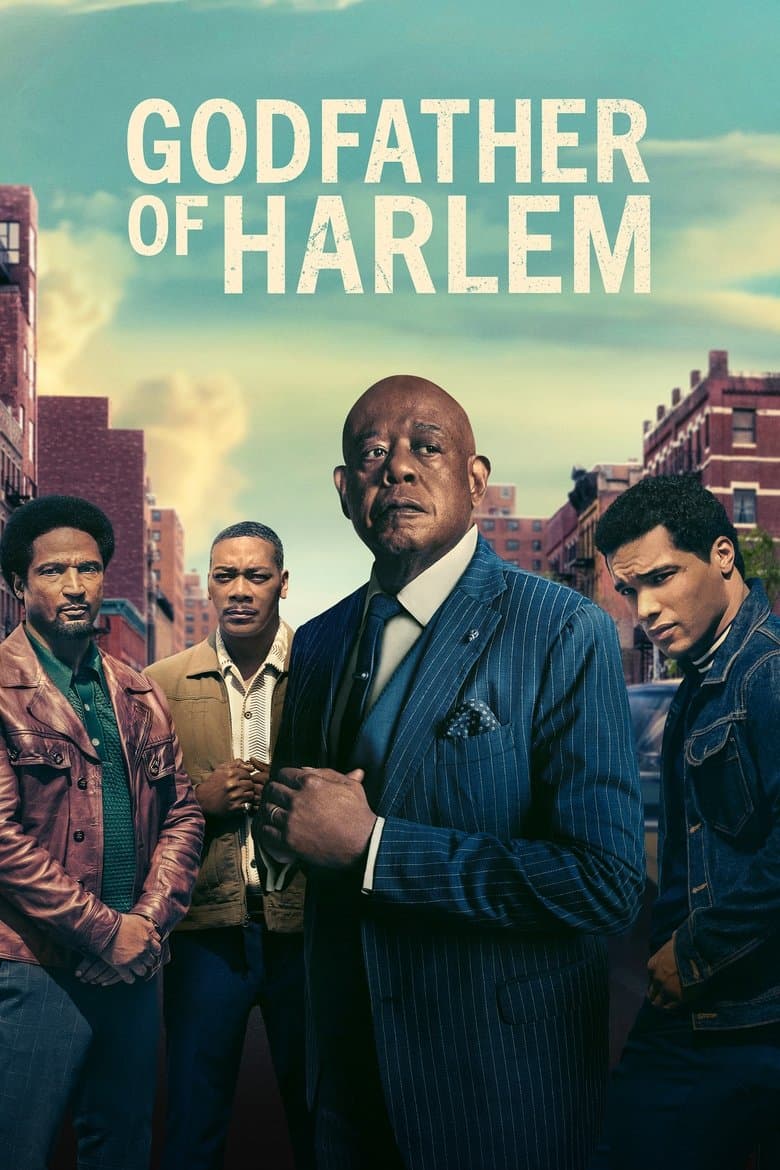
TV Show · 2019
Loosely based on infamous crime boss Bumpy Johnson, who in the early 1960s returned from ten years in prison to find the neighborhood he once ruled in shambles.
TV Show · 2017
A financial adviser drags his family from Chicago to the Missouri Ozarks, where he must launder $500 million in five years to appease a drug boss.
TV Show · 2021
A world-famous comedian desperately searches for a way out after a night in Philadelphia with his brother threatens to sabotage more than his success.
TV Show · 2019
A group of working-class friends finding unconventional ways to win at life in suburban northern England. These lads have dealt, scammed, bribed and conned their way through…

TV Show · 2018
The stranger-than-fiction account of a prison break in upstate New York in the summer of 2015, which spawned a massive manhunt for two convicted murderers who were aided in their…
