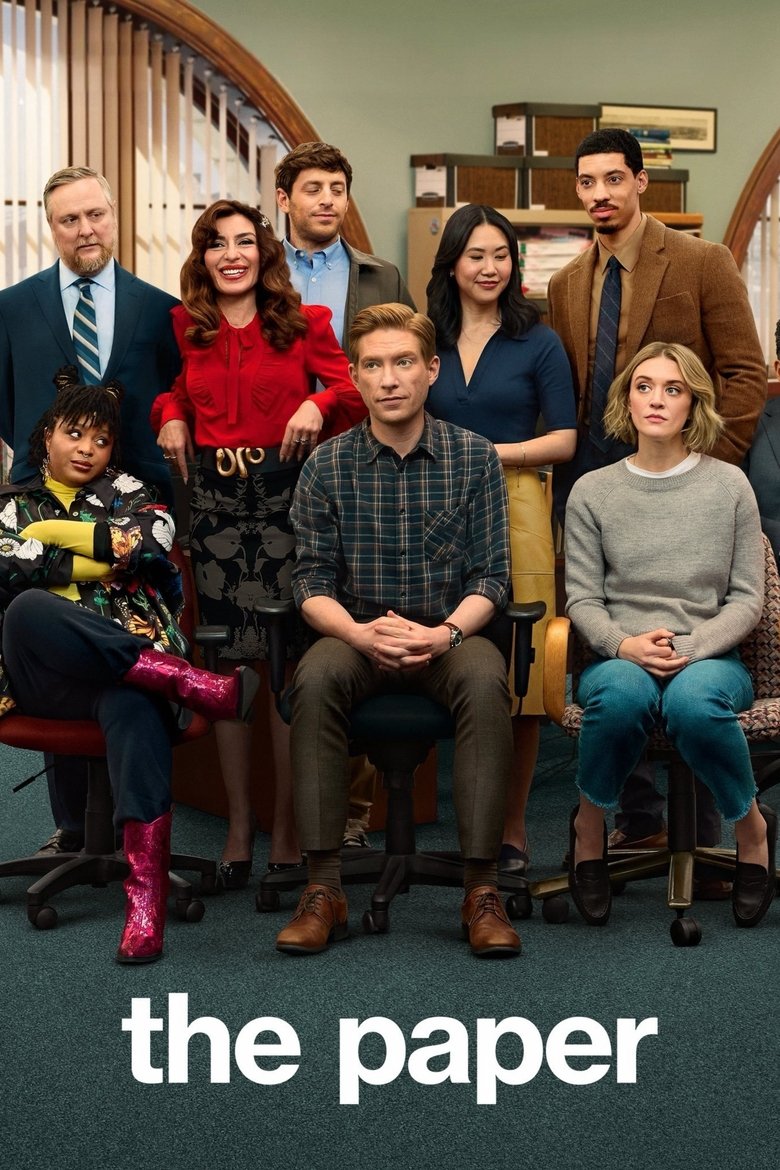
Started September 4, 2025 · Returning Series · Based on 2 seasons, 20 episodes through September 9, 2026 · TV-14
The Paper follows Ned Sampson as he takes charge of the struggling Toledo Truth Teller. He trains a small group of inexperienced workers to report local stories and rebuild the newspaper. Esmeralda Grand resists his plan because she prefers fast online articles and clickbait. The show uses mockumentary jokes, awkward workers, office romance, and warm workplace humor. Season 2 follows the staff after they win Ohio Journalism Awards and investigate a private club, prejudice, rumors, and workplace power. The show has a visibly mixed cast that fits a modern Ohio workplace without becoming a diversity campaign. The story includes brief identity related jokes, such as a false claim that Mare is asexual, a joke about menstrual cramps, and a few sexual or gender jokes. These moments do not become a major political message. The main story supports local journalism and criticizes corporate control over a newspaper. The show also criticizes business pressure, bad management, corporate apologies, workplace rules, and media decline. Its themes matter to the workplace comedy, but they do not strongly shape the series as an activist story.
Community feedback
Was our 27% Woke rating accurate?
Breakdown
These are the editorial factors and ratings behind our score for The Paper.
Woke representation / casting
The Paper uses a visibly mixed cast in a present-day Toledo newspaper. The group does not appear to follow an obvious “one of each” design. The interviews found no clear marketing that focused first on diversity or identity. The casting gives the show a mild representation signal, but it does not strongly shape the series.
18%
Woke political dialogue
The show includes brief jokes and lines about identity. Esmeralda falsely tells Ned that Mare is asexual. Another scene compares exercise pain with menstrual cramps. The dialogue does not repeatedly teach modern activist ideas or make identity politics a central subject.
12%
Identity-driven story themes
The show gives women important jobs and lets Mare and Esmeralda drive major workplace conflicts. Season 2 continues stories about prejudice, rumors, and workplace power. These themes support character comedy and newsroom plots. The themes do not become a strong message about identity.
24%
Western institutional / cultural critique
The series criticizes a large company for weakening a local newspaper and supports independent reporting. The show also jokes about corporate apologies, workplace rules, and the decline of media. The criticism focuses on business pressure and poor management. The criticism does not mainly target family, religion, masculinity, or traditional Western culture.
18%
Woke character or canon changes
Not relevant. The series uses new characters in a new newspaper setting. Oscar Martinez returns from The Office, but no change involving race, gender, sexuality, or leadership was found for an established character.
0%
Anti-woke backlash and complaints
A handful of small X accounts and a few Rotten Tomatoes comments called the show woke or complained that political correctness made it less edgy. The complaints had little reach and did not lead to a boycott, review-bombing campaign, or major news cycle. The Fox opinion piece mainly praised the show for making fun of excesses linked to #MeToo.
8%
Creator track record context
Stephen Merchant, Ricky Gervais, Greg Daniels, and Michael Koman have low stored scores and are mainly known for comedy and satire. Some writers and producers have stronger links to race, identity, labor, or social-impact work. The mixed team provides supporting context. The main creators do not have a strong record on these issues.
29%
Production
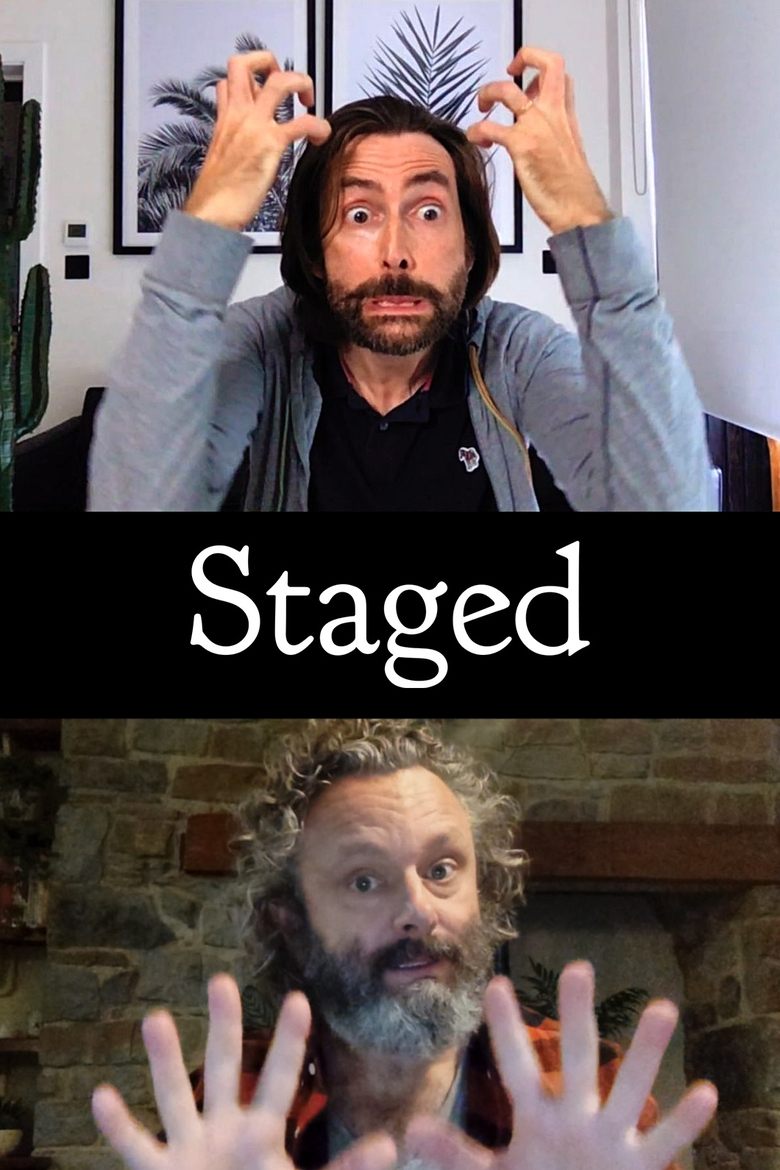
TV Show · 2020
David Tennant and Michael Sheen (playing themselves) were due to star in a production of 'Six Characters in Search of an Author' in the West End.
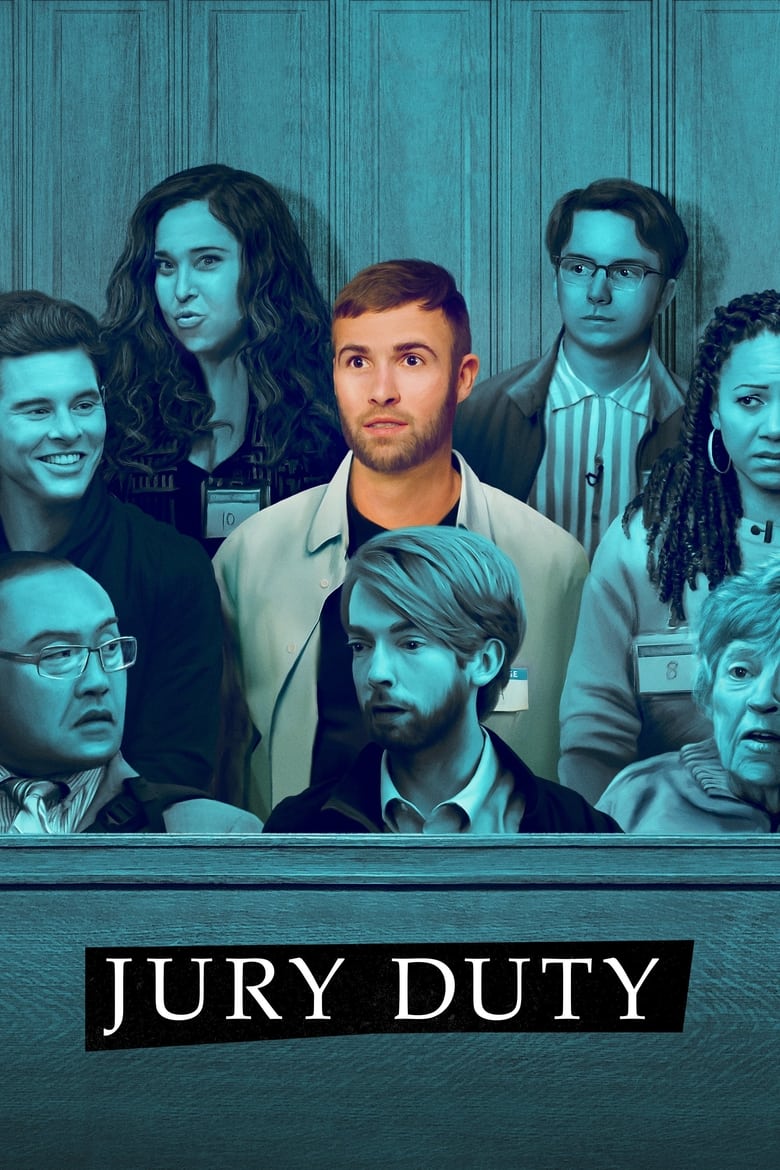
TV Show · 2023
The inner workings of an American jury trial through the eyes of one particular juror, Ronald Gladden. Gladden is unaware the entire case is fake, everyone except him is an actor…

TV Show · 2020
All Nikki and Jason want is a baby—the one thing they can't have. So they decide to adopt. With their dysfunctional friends, screwball families, and chaotic lives, will the…
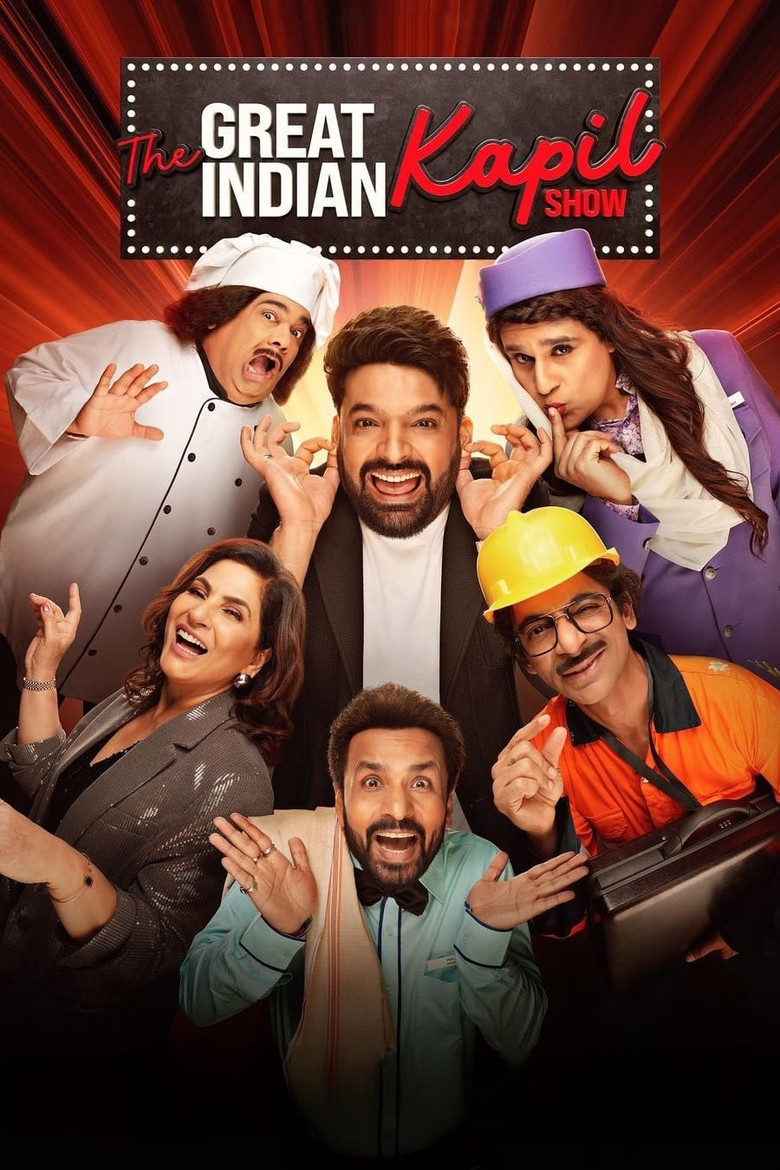
TV Show · 2024
Comedian Kapil Sharma hosts this laugh-out-loud variety talk show with celebrity guests, hilarious antics and his signature supporting cast.
TV Show · 2020
A ghost-hunting duo team up to uncover and film paranormal sightings across the U.K. and share their adventures on an online channel.

TV Show · 2016
Jeremy Clarkson, Richard Hammond and James May are back with a show about adventure, excitement and friendship...

TV Show · 2022
In disguise as her friend, Ha-ri shows up to a blind date to scare him away. But plans go awry when he turns out to be her CEO — and makes a proposal.
TV Show · 2017
In the wake of their first documentary's success, Peter and Sam seek a new case and settle on a stomach-churning mystery at a Washington high school.
