Started December 26, 2017 · Ended · Based on 1 season, 2 episodes through December 27, 2017 · TV-PG
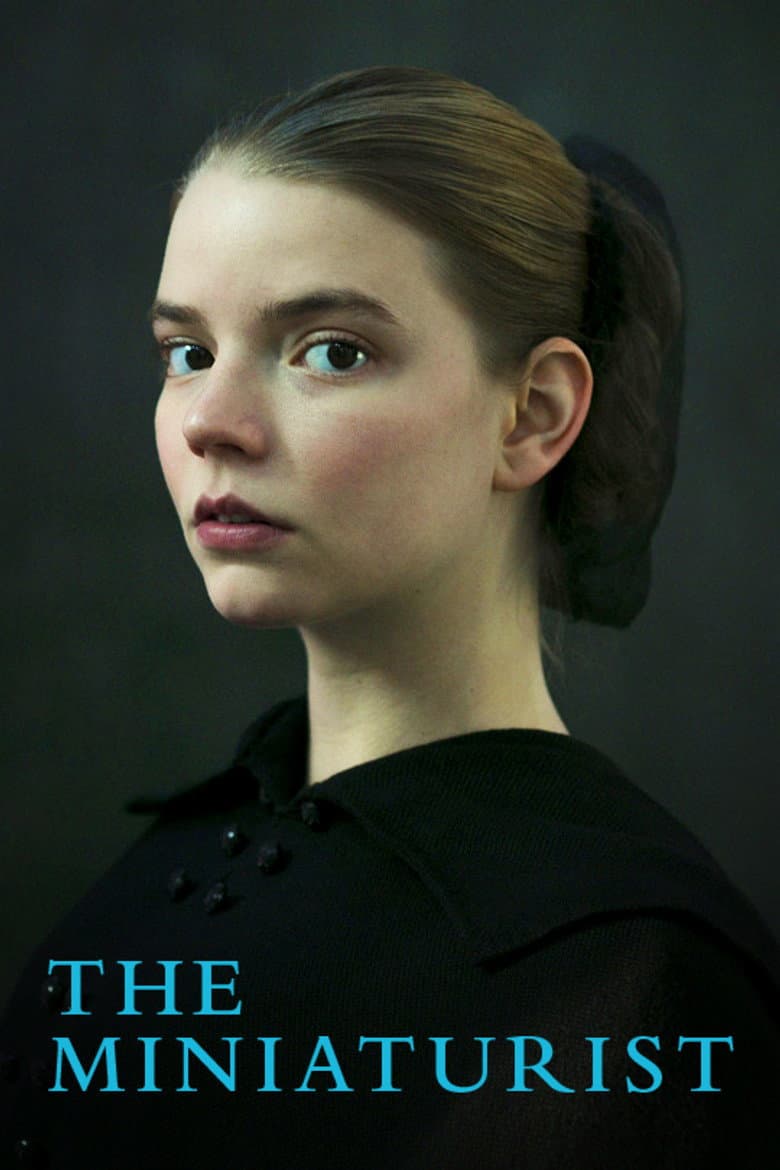
The Miniaturist follows 18-year-old Nella Oortman after she marries wealthy merchant Johannes Brandt and moves from the country to Amsterdam in 1686. Johannes gives her a dollhouse that copies their home, but tiny objects sent by a hidden maker seem to reveal private secrets and future events. Nella finds a cold household ruled by Johannes’s sister Marin, while servants Cornelia and Otto help keep the family together. The two-part show has a dark, strange tone, with mystery, religious fear, business danger, and sudden violence.
The main woke elements come through a marriage used as public cover for a gay man, a same-sex relationship that can bring a death sentence, and Nella’s growing belief that she can choose her own life. Marin rejects marriage because she values freedom, hides a pregnancy outside marriage, and refuses to surrender her child. Otto is a black former slave who is treated as a trusted equal in the home, and his child with Marin becomes a major final reveal. The show treats rigid religious law, racial prejudice, and old gender rules as harms, but it presents these ideas through its period story rather than modern political speeches.
Community feedback
Was our 54% Woke rating accurate?
Breakdown
These are the editorial factors and ratings behind our score for The Miniaturist.
Woke representation / casting
Otto is a black former slave who holds a trusted place in the Brandt household. The show makes his race and past visible when other characters warn that a court may treat him as a savage. Nella and Marin also hold unusual power in the home for their time. The cast has no broad diversity pattern or stated representation campaign, and Otto’s identity has a clear story backstory.
18%
Woke political dialogue
Johannes is called a sinner, and the court says sex between men deserves punishment. The officials charge him under a law that can end in drowning. Nella argues for his life and treats his love for Jack as a truth rather than a reason for death. The conflict fills much of the second episode, but the dialogue stays inside the 1686 setting instead of becoming modern party politics.
26%
Identity-driven story themes
The story centers on a marriage that hides Johannes’s same-sex love and puts his life at risk. Nella grows from a sheltered bride into a woman who chooses truth, protects Marin’s child, and takes over the business. Marin rejects marriage to keep her freedom and gives birth to a child with Otto, a black former slave. These identity and independence themes drive the family mystery and shape the ending.
67%
Western institutional / cultural critique
The household treats marriage as a public shield and expects women to obey husbands and family rules. Marin says she refused marriage because she would not give up her freedom for a man. The court punishes Johannes for same-sex love, and the church refuses Marin a proper burial. The show presents these rules and institutions as cruel, but it uses the 1686 setting instead of direct modern activist language.
44%
Woke character or canon changes
Not relevant. The show uses a fictionalized version of Petronella Oortman and adapts Jessie Burton’s novel, but no identity-driven change to a known character or real event is shown.
0%
Anti-woke backlash and complaints
Not present. Available reviews and viewer posts focus on the mystery, acting, visuals, and unclear ending. No major anti-woke or right-leaning complaint about DEI or identity politics is reported.
0%
Creator track record context
Jessie Burton has a 32/100 creator-context score because her books often give women more control and challenge old power roles. John Brownlow and Guillem Morales have 0/100 scores, while the other listed creators have low scores. The writer’s interests fit the show’s female agency themes, but the team does not show a strong activist record.
18%
Production
