Started September 20, 2019 · Returning Series · Based on 3 seasons, 26 episodes through November 21, 2025 · TV-PG · Hindi
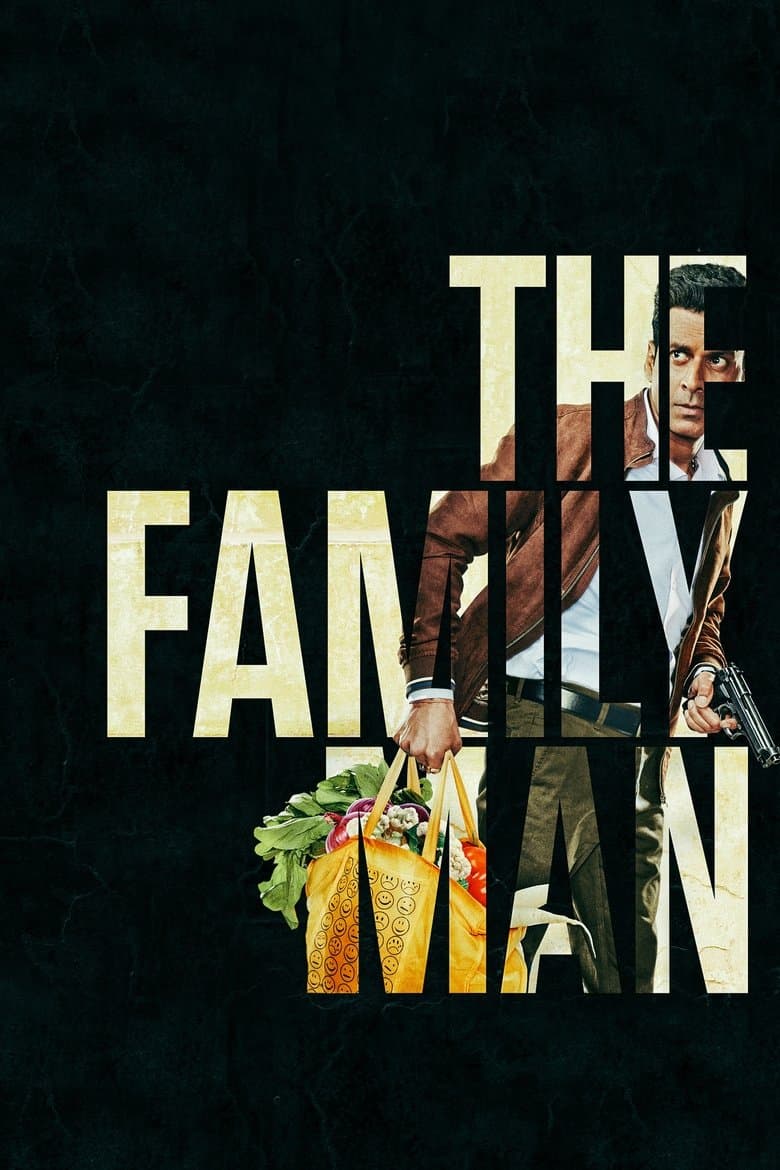
The Family Man follows Srikant Tiwari, a middle-class husband and father who secretly works for India’s counter-terror team. He travels between Mumbai, Delhi, Kashmir, Chennai, and the Northeast while chasing plots tied to terrorism, separatist violence, foreign pressure, and arms deals. His hardest fight is keeping his family together while he lies about his job and misses important parts of their lives. The show mixes tense raids and gun battles with dry jokes, marriage trouble, and the daily problems of an ordinary home.
The show gives clear space to identity and social causes, especially in the later seasons. Season 1 questions state treatment of Muslim students and Kashmiris, while season 2 makes a Tamil woman who is a rebel a major fighter whose story includes war, oppression, and self-determination. Season 3 adds Dhriti’s support for LGBTQ rights, climate action, they/them pronouns, and anxiety treatment, along with Atharv’s ballet and bullying over what boys should be like. Women also hold major roles as a prime minister, a spy analyst, a career wife, a soldier, and a mastermind, but the main story stays a spy thriller about Srikant and his family.
Community feedback
Was our 63% Woke rating accurate?
Breakdown
These are the editorial factors and ratings behind our score for The Family Man.
Woke representation / casting
The show repeatedly places women and people from different Indian regions in visible, skilled roles. Season 1 includes a woman NIA officer and a Tamil wife, while season 2 makes Tamil-speaking Raji a major fighter and gives women important work in the spy team. Season 3 adds a woman prime minister, a female mastermind, and a capable analyst while keeping the Hindi male lead at the center. Raj and DK also said diversity and regional participation were key goals for the show, including several Indian languages.
45%
Woke political dialogue
The first season has spoken debates about Kashmir, phone and internet shutdowns, AFSPA, mob violence, and the label “anti-national.” The third season directly names Dhriti as a climate champion, an LGBTQ activist, and a social warrior, then explains their use of they/them pronouns to support non-binary people. Srikant jokes that Hindi is safe, while other characters argue about responsibility, family roles, and public action. These lines recur around the family and political plots, but they do not control most of the show’s spy dialogue.
42%
Identity-driven story themes
Season 2 makes Raji’s Tamil identity, wartime suffering, and fight for Tamil Eelam central to the main threat. Her story presents oppression, hate, greed, and the wish for self-rule beside her planned attack on Indian leaders. Season 3 gives a continuing side story to Dhriti’s they/them identity, LGBTQ activism, climate concerns, and anxiety treatment. Atharv’s ballet and bullying challenge narrow ideas about boys, while women repeatedly appear as fighters, spies, leaders, or the smartest person in the room. Srikant and the national-security plot still take most of the screen time.
58%
Western institutional / cultural critique
The show questions state power when Muslim students are watched, detained, or humiliated, and when characters discuss Kashmir and government force. The family story also treats Srikant’s lies and emotional absence as serious failures that hurt Suchitra and the children. Season 3 challenges old ideas about manhood through Atharv’s ballet and a line that says a real hero is responsible rather than an “alpha.” The arms dealers, China plot, and terrorism story are mainly thriller material, so the modern cultural critique is important but not the whole show.
43%
Woke character or canon changes
Not relevant. The show is an original spy story, not an adaptation of a known book, film, or historical life. Its Tamil rebel, female prime minister, and other identity-related roles were created for this series.
0%
Anti-woke backlash and complaints
An RSS-linked magazine called the first season anti-national and anti-Hindu because it showed state actions in Kashmir being questioned and gave terrorists personal motives. The major season 2 protests focused on alleged insults to Tamils and Eelam history, not on woke ideas. Release-day social reaction to season 3 was mixed about its quality, but there was no broad anti-woke campaign. The documented anti-woke reaction is real but narrow.
12%
Creator track record context
Raj Nidimoru and Krishna D.K. have cached scores of 50 each and a repeated pattern of women who resist old roles. Their title-related interview said diversity and regional participation were key goals, and the show uses many Indian languages. Suman Kumar has a cached score of 42 and a growing focus on women and language identity. Mukesh Chhabra has a cached score of 38 because his casting work often opens doors for outsiders. Other cached producer notes are mixed, and the main creators have no strong record of party activism.
47%
Production
