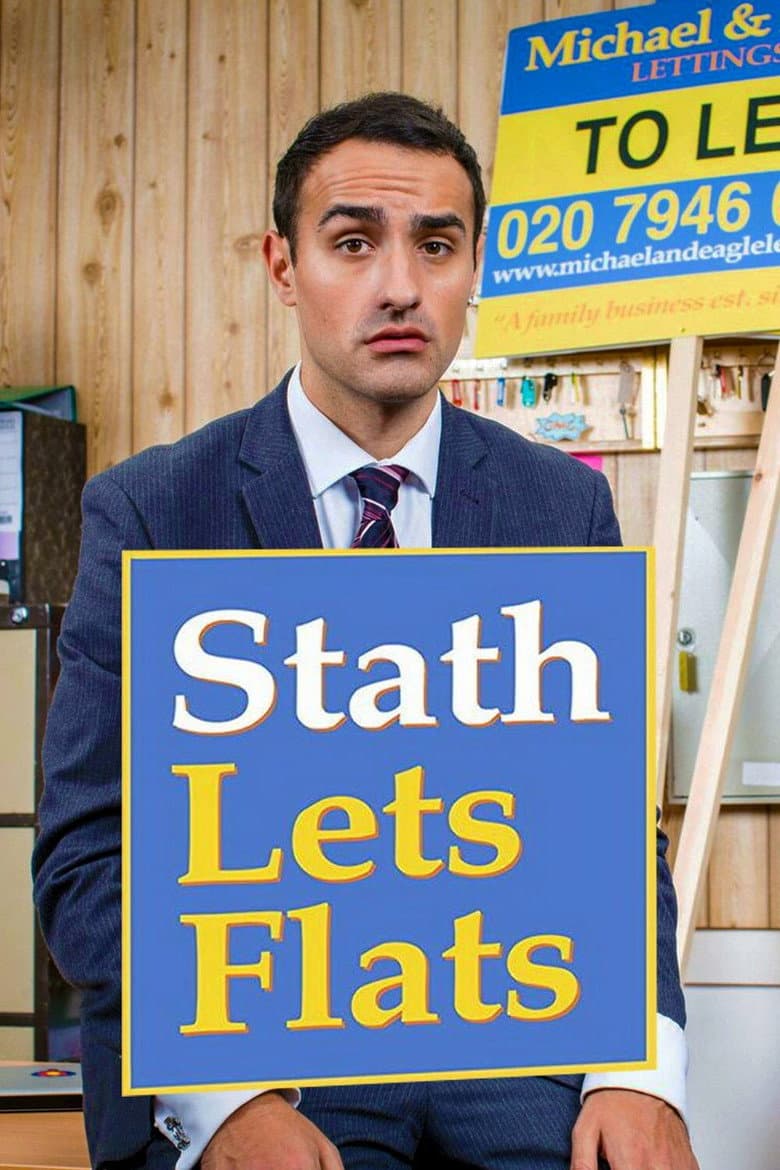
Started June 27, 2018 · Ended · Based on 3 seasons, 18 episodes through November 30, 2021 · TV-MA · 30 min
Stath is a Greek-Cypriot letting agent in North London who works for his father, Vasos, at Michael and Eagle. Stath wants to inherit the family business, but he is careless, childish, and very bad at showing flats. He competes with Carole, the office's best agent, while the family business fights a richer rival next door. The show uses fast jokes, bad word choices, slapstick, and warm family scenes.
Across three seasons, the show gives real space to Greek-Cypriot family life and to Vasos's love for his male partner, Steven, whose wedding becomes a season-three story. Sophie and Al's slow romance, Carole's pregnancy and work skill, and jokes about feminism add more identity and gender ideas. A few lines mention Brexit, gay love, and the housing crisis, but they are usually part of silly jokes rather than speeches. The main story stays focused on foolish people, family loyalty, rent, work, and failed romance.
Community feedback
Was our 35% Woke rating accurate?
Breakdown
These are the editorial factors and ratings behind our score for Stath Lets Flats.
Woke representation / casting
Not present. The main Greek-Cypriot family fits the North London setting. The mixed office cast does not show a clear identity-first casting pattern.
0%
Woke political dialogue
The show uses a few clear political or identity references in jokes. Stath insults Brexit in one season-two scene. A season-three scene mentions feminism, and other scenes use gay love as a comic line. These moments are brief and do not drive the main plot.
25%
Identity-driven story themes
The show repeatedly follows identity and relationship stories alongside its main comedy. Vasos is openly gay, has a male partner named Steven, and reaches a wedding in season three. The Greek-Cypriot family and its life in North London stay important across the series. Carole is the office's best agent, while Stath and other men are often the joke, but men such as Vasos, Julian, and Dean also hold power or skill. These themes recur, but the letting business and foolish behavior remain the main focus.
40%
Western institutional / cultural critique
The show repeatedly makes fun of high rents, bad flats, gentrification, and the tricks used by letting agents. The business sends people into overpriced homes and treats the housing market as a place for lies and status games. Season two brings up gentrification and young renters. The story does not turn this into a broad attack on capitalism or Western institutions.
24%
Woke character or canon changes
Not relevant. The show is an original sitcom about a made-up family and agency. It does not adapt known characters or retell a real historical story with identity changes.
0%
Anti-woke backlash and complaints
Not present. The reviewed public discussion centers on comedy, characters, and the housing setting. No clear anti-woke or anti-DEI complaint about the show was found.
0%
Creator track record context
Jamie Demetriou's interviews present the show as lowbrow character comedy, and his stored context is very low. Tom Kingsley, Andrew Gaynord, Ash Atalla, and John Petrie also have low stored context. Fiona McDermott, Seb Barwell, and Nicky Bligh have moderate context because their wider work supports new voices or diversity. Jane Ripley has low stored context. The mixed record gives mild background weight, not a strong activist signal.
24%
Production

TV Show · 2016
Jeremy Clarkson, Richard Hammond and James May are back with a show about adventure, excitement and friendship...
TV Show · 2025
Eight years after an unforgivable mistake nukes his promising college football career, hotshot quarterback Russ Holliday tries to resurrect his dreams by disguising himself as…
TV Show · 2020
David Tennant and Michael Sheen (playing themselves) were due to star in a production of 'Six Characters in Search of an Author' in the West End.
TV Show · 2016
After North Jackson High's long-time principal steps down to tend to his ailing wife, Neal Gamby and Lee Russell, the school's vice principals, are forced to put their mutual…
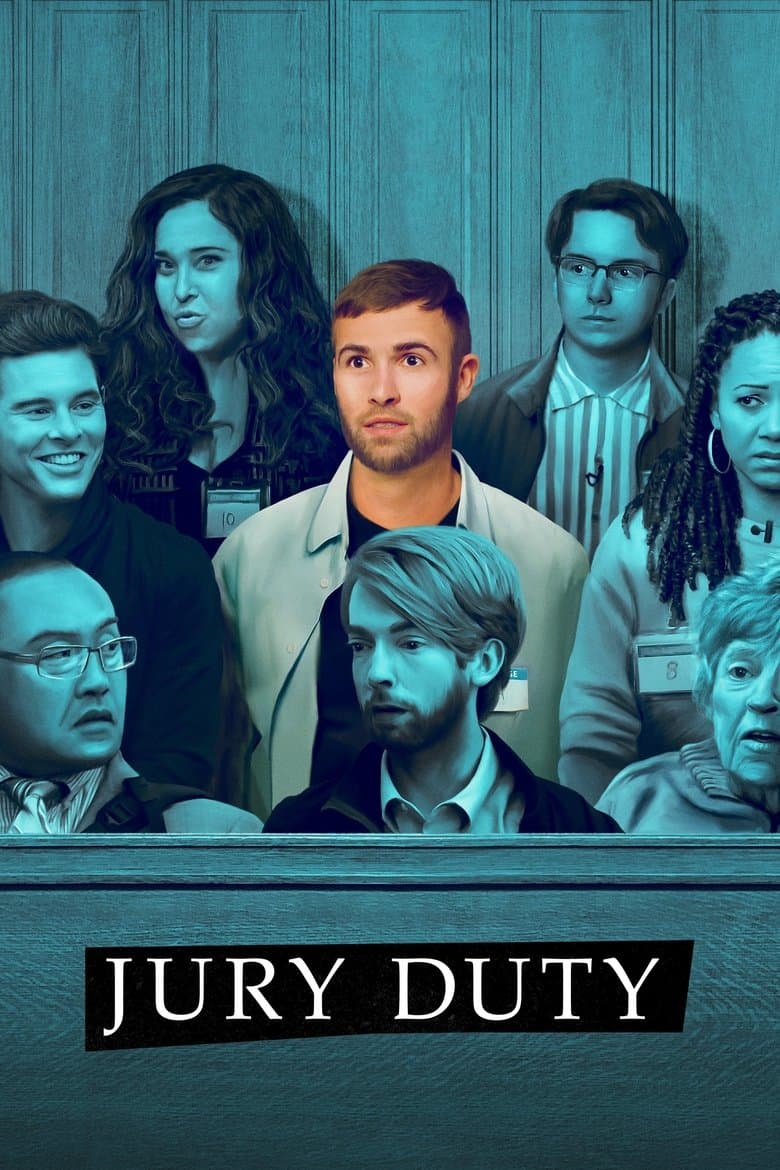
TV Show · 2023
The inner workings of an American jury trial through the eyes of one particular juror, Ronald Gladden. Gladden is unaware the entire case is fake, everyone except him is an actor…
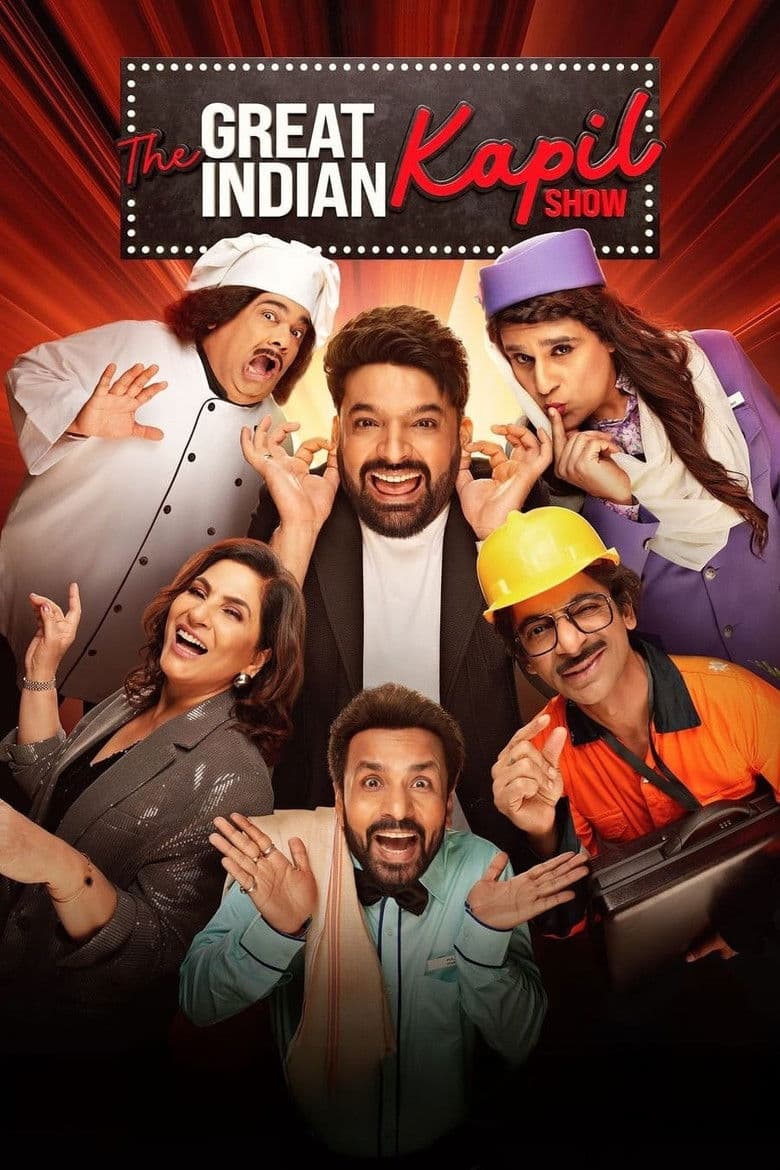
TV Show · 2024
Comedian Kapil Sharma hosts this laugh-out-loud variety talk show with celebrity guests, hilarious antics and his signature supporting cast.

TV Show · 2024
Conan O'Brien visits new friends he met through his podcast, "Conan O'Brien Needs a Fan," where he dives deep with listeners from across the country and the world.

TV Show · 2019
Burned out on life, Miles undergoes a strange procedure at a strip mall spa -- and wakes to find he's been replaced by a better version of himself.
