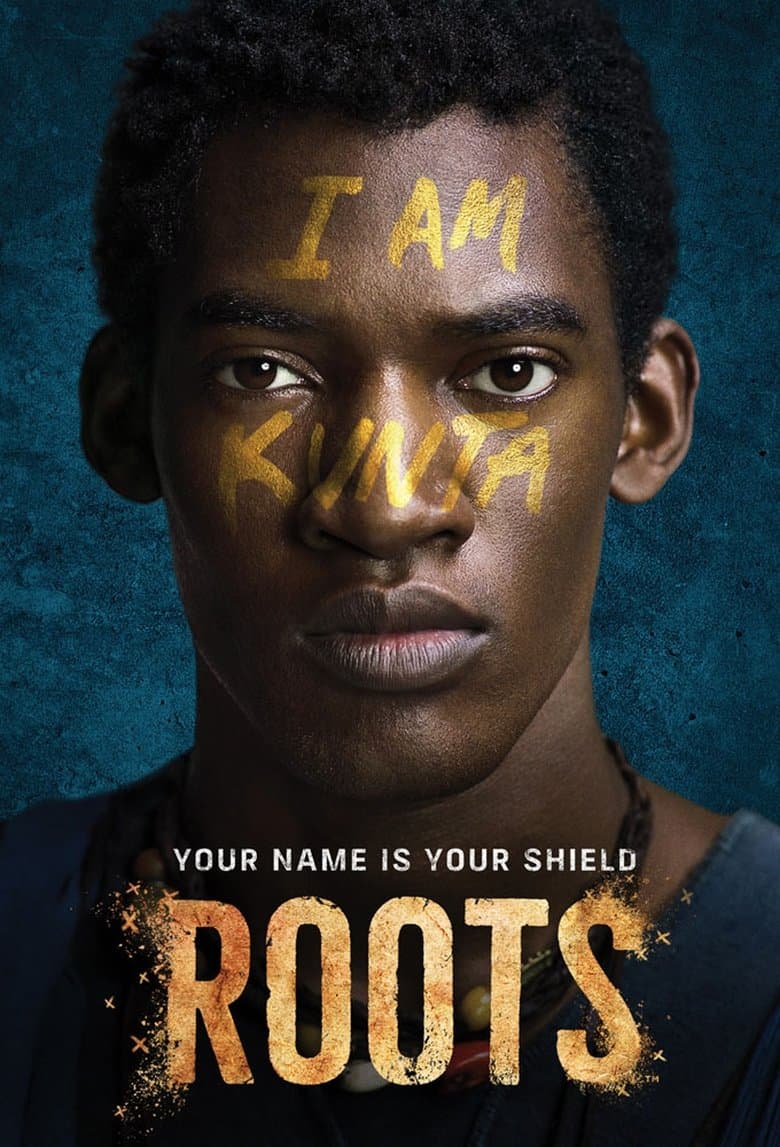
Started May 30, 2016 · Ended · Based on 1 season, 4 episodes through June 2, 2016 · TV-MA
Roots follows Kunta Kinte, a young Mandinka man taken from The Gambia and sold into slavery in early America. The four-part story follows him, his daughter Kizzy, his grandson Chicken George, and later family members through the Civil War and freedom. The family faces forced labor, rape, violence, stolen names, broken marriages, and separation from loved ones. The tone is grim and violent, but the story also stresses courage, family memory, faith, and the hope of freedom.
Black identity is central because Kunta fights to keep his Mandinka name and teaches Kizzy about their home and customs. The series repeatedly shows white slave owners using race, law, money, and violence to control black families. It also links racism with sexist ideas in a short scene where children copy the power rules around them. These themes matter in every chapter, but the show presents them as part of a historical slavery story rather than as a direct argument about current politics.
Community feedback
Was our 48% Woke rating accurate?
Breakdown
These are the editorial factors and ratings behind our score for Roots.
Woke representation / casting
Not present. The black leads, white owners, and mixed-race family members fit the time, place, and source story. The casting comments focus on finding the right actors and realistic faces, not on diversity as a goal.
0%
Woke political dialogue
The show uses direct lines about freedom, the loss of a person’s name, and race-based control. Kunta and other enslaved characters speak about resistance in several episodes. Part 2 compares a slave’s forced obedience with a wife’s expected obedience. The lines stay in the historical setting and do not become a current political campaign.
22%
Identity-driven story themes
The show makes black identity, family roots, and African memory central across all four episodes. Kunta fights to keep his Mandinka name and passes his language, stories, and warrior spirit to Kizzy. Later family members repeat the story and protect the family line through war, sale, and separation. Part 2 also joins racism and sexism in a clear identity-focused scene, but the series stays inside its historical slavery story.
52%
Western institutional / cultural critique
The show condemns the slaveholding order, racial law, and the idea that white owners can control black families. Part 2 also mocks the belief that women should obey men and connects that rule to slavery. A white child uses Bible language to defend racial status, but the story does not attack Christianity itself. The criticism is visible but mainly historical, not a broad modern attack on Western life.
18%
Woke character or canon changes
The remake adds a child-doll scene that directly connects racism and sexism. The new version also puts more attention on female characters and gives Kizzy a strong warrior role. The remake keeps the main identities, family line, and slavery plot from Haley’s story. The changes are a small identity-focused update, not a full rewrite.
22%
Anti-woke backlash and complaints
A small right-leaning X account called the series victimist propaganda that fuels anger against white people. Other posts mostly used Roots as a race-swap joke about making Kunta white, rather than attacking this remake. No large boycott, review-bombing, or campaign against the show was found. The evidence is fringe and does not show broad backlash.
13%
Creator track record context
The cached creator summaries show a mixed team. Mario Van Peebles has a record of race and social commentary, and Phillip Noyce has made films about colonial and racial history. Charles Murray and Korin Williams have stronger representation-focused work, while Will Packer has publicly stressed that representation matters. Other cached writers, directors, and producers show limited or mixed activist signals. These patterns support the title’s racial focus, but they do not prove a modern agenda by themselves.
34%
Production
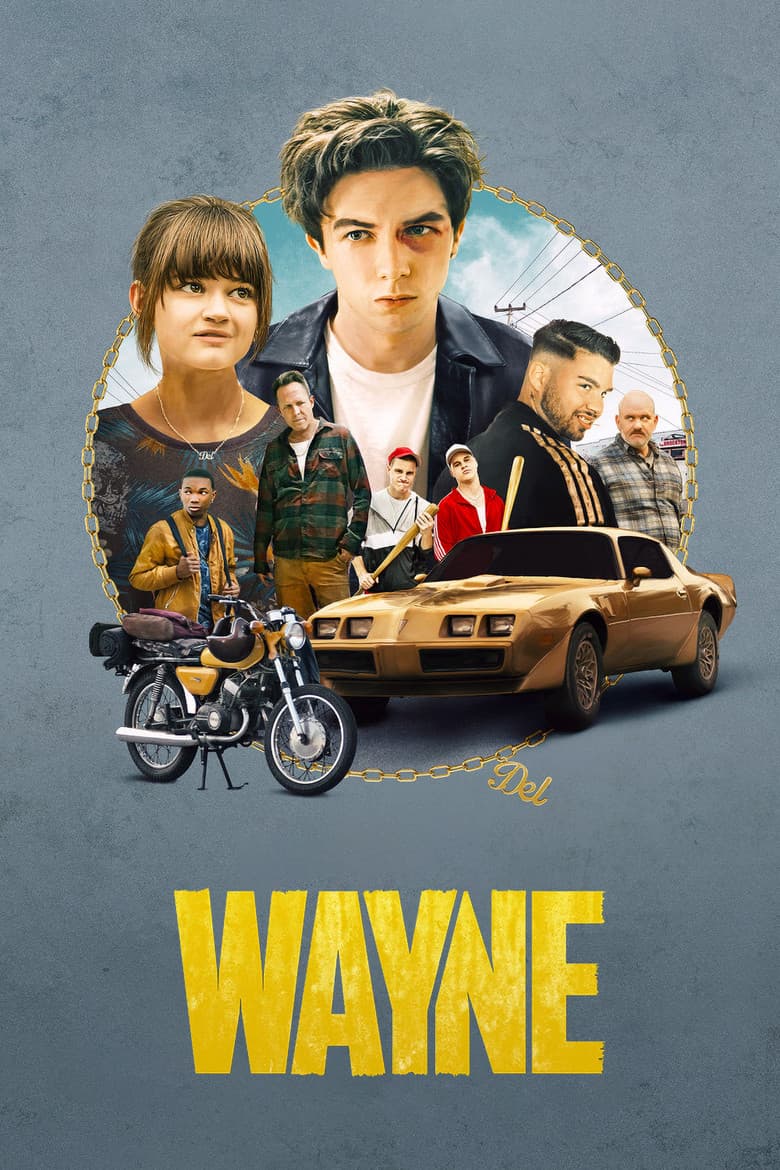
TV Show · 2019
In this gritty and sometimes bloody tale, sixteen year-old Wayne sets out on a dirt bike with his new crush Del to take back the 1978 Pontiac Trans Am that was stolen from his…
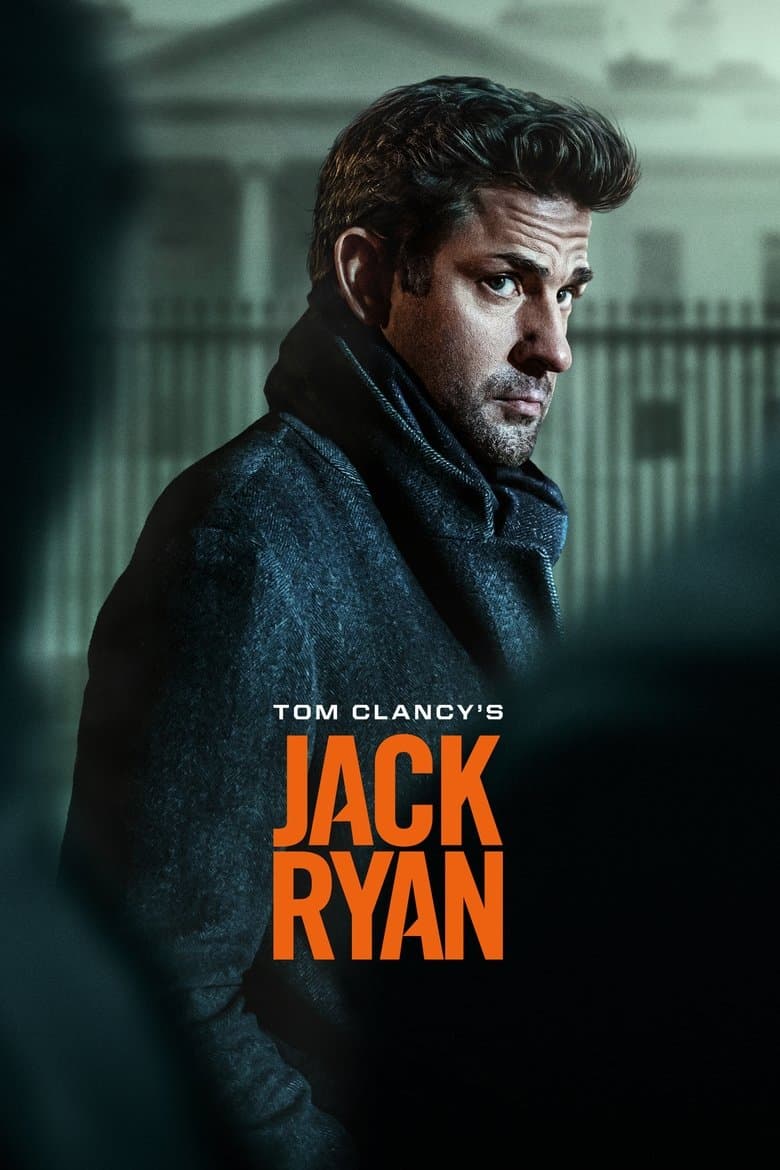
TV Show · 2018
When CIA analyst Jack Ryan stumbles upon a suspicious series of bank transfers his search for answers pulls him from the safety of his desk job and catapults him into a deadly…
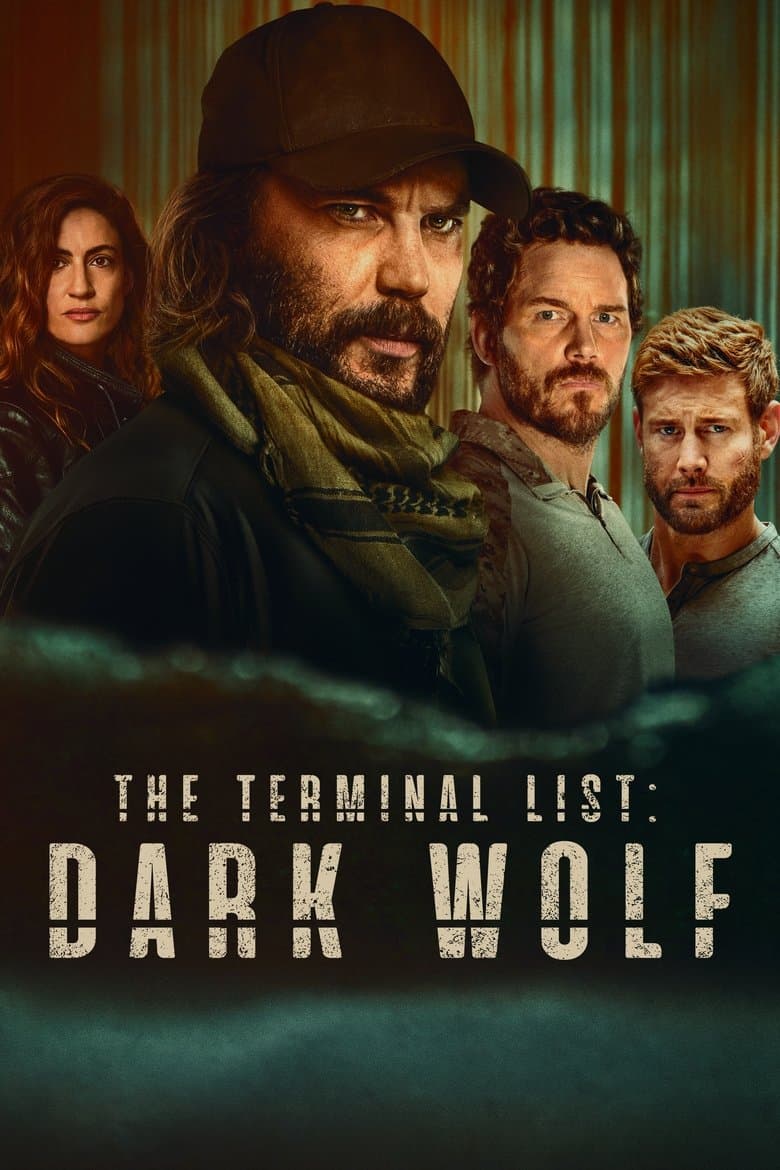
TV Show · 2025
Before The Terminal List, Navy SEAL Ben Edwards finds himself entangled in the black operations side of the CIA.
TV Show · 2022
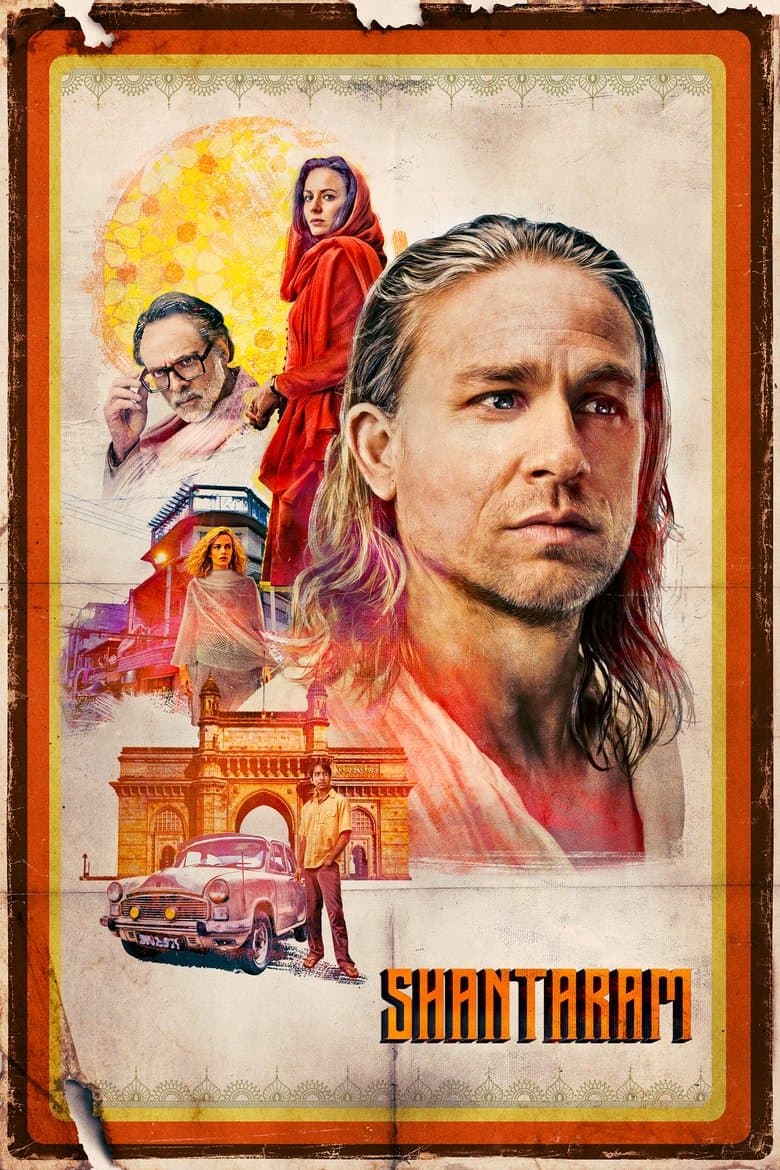
Escaped convict Lin Ford flees to the teeming streets of 1980s Bombay, looking to disappear. Working as a medic for the city's poor and neglected, Lin finds unexpected love…

TV Show · 2016
The story of Mac Conway, a Marine who returns home to Memphis from Vietnam in 1972 and finds himself shunned by those he loves and demonized by the public.

TV Show · 2022
When a small plane crashes in the middle of the Canadian wilderness, a lone survivor must battle the elements — and her personal demons — to stay alive.
TV Show · 2019
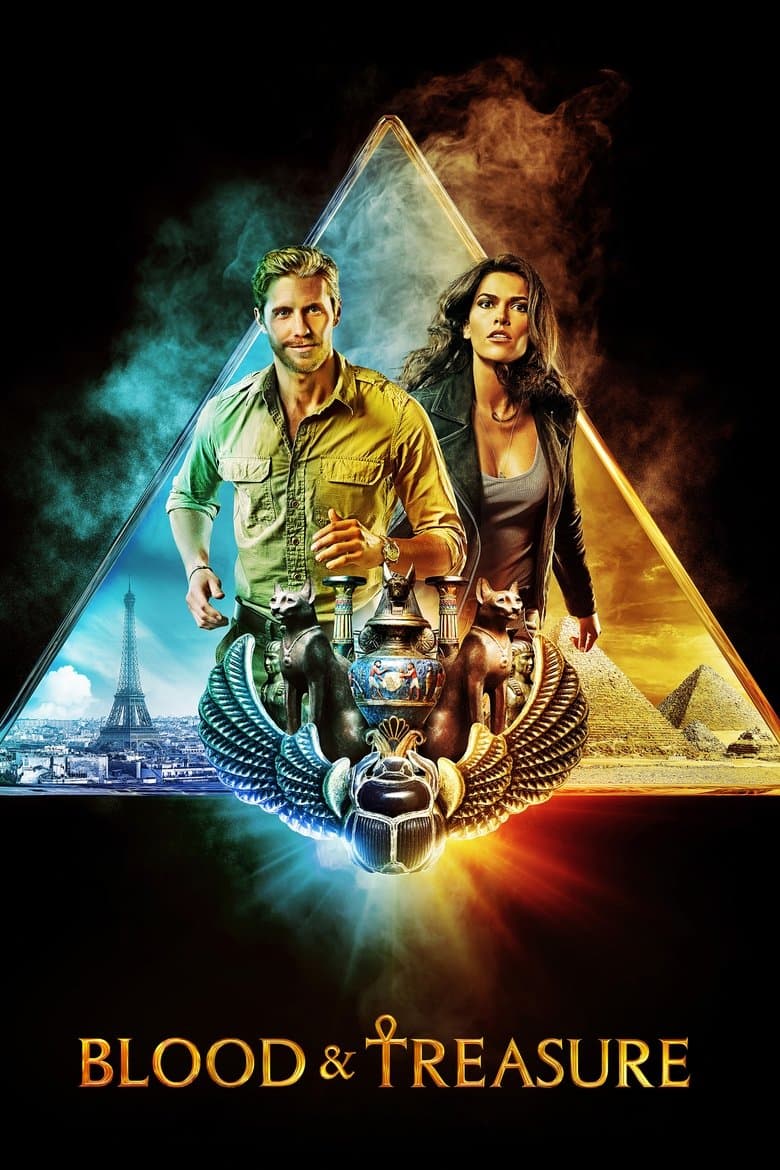
An antiquities expert teams up with an art thief to catch a terrorist who funds his attacks using stolen artifacts.

TV Show · 2016
Bob Lee Swagger is an expert marksman living in exile who is coaxed back into action after learning of a plot to kill the president.
