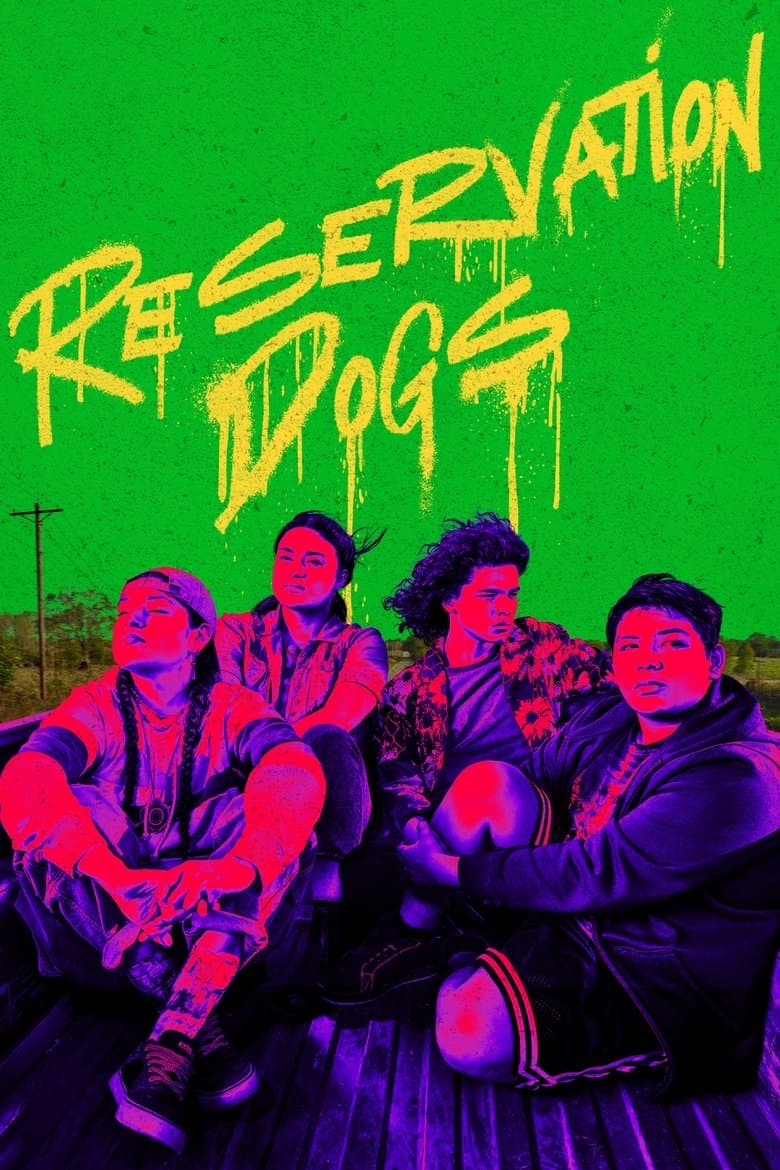
Started August 9, 2021 · Ended · Based on 3 seasons, 28 episodes through September 27, 2023 · TV-MA
Four Indigenous teens live on a Muscogee Nation reservation in rural Oklahoma. They hustle, grieve a friend’s suicide, and dream of going to California. Family, spirits, elders, and community keep pulling them back home. Later seasons shift from the escape plan to family history. That history includes elders in the 1970s, AIM-era youth, and boarding-school trauma.
Viewers clearly see Indigenous identity, heritage, community survival, and historical trauma in the story. Willie Jack is a main character presented as Two-Spirit, and that is open on screen. Season 3 treats boarding-school abuse as living harm, not only old history. The show also mocks outsider myths, weak clinic care, and other systems that hit Native life hard. Friendship and growing up stay central, but native identity and colonial aftereffects stay in the front of the plot.
Community feedback
Was our 84% Woke rating accurate?
Breakdown
These are the editorial factors and ratings behind our score for Reservation Dogs.
Woke representation / casting
The leads and almost the whole cast and crew are Indigenous, which fits a real Oklahoma reservation setting. The score goes up because the show was sold as a big representation first for native writers, directors, cast, and crew. Willie Jack was changed from male to female in casting and is shown as Two-Spirit. Queer and trans creatives were also framed in public as part of the show’s identity.
56%
Woke political dialogue
Most talk is comedy and local banter, not constant lectures. Recurring jokes cover clinic culture, white fetishizing of native identity, fake native identity, and digs about outsiders, poverty, and state care. Some right-leaning coverage treated those jokes as heavy identity politics humor. The politics show up enough to notice, but not in every scene.
44%
Identity-driven story themes
The series is built on Indigenous identity, heritage, community survival, and historical trauma. Grief, spirit guides, elder medicine, ancestry, AIM-era youth, and boarding-school pain stay in the front of the story. Friendship and coming of age remain primary, but Native life under colonial aftereffects is never background only. Two-Spirit Willie Jack and queer Indigenous creative framing raise the LGBTQ weight without making the show a pure queer romance.
74%
Western institutional / cultural critique
Viewers get a clear critique of U.S. systems as they hit Native life. Season 3 stages boarding-school abuse as horror and present-day harm. The show also covers weak clinic care, foster trauma, and tension between white law enforcement and tribal police. Past tyranny is framed as living family trauma and institutional failure now, not only as old history.
70%
Woke character or canon changes
Not relevant. This is an original series with no prior source-canon characters or historical figures rewritten for DEI.
0%
Anti-woke backlash and complaints
Right-leaning critique exists, including Washington Examiner complaints about identity scorekeeping and all-Native production as a political prize. That coverage classed the show with woke programming critics are not allowed to dislike. A large boycott or culture-war wave is thin next to the show’s acclaim. The score reflects real complaints, not mass backlash.
30%
Creator track record context
Taika Waititi is linked to satire of fascism and racism, decolonize the screen talk, and diverse hiring. Sterlin Harjo is linked to native-led storytelling and colonization and boarding schools as history. The writers room and public brand stress Indigenous and often queer control of the story. That is supporting context for the brand, not a rescoring of the episodes alone.
62%
Production
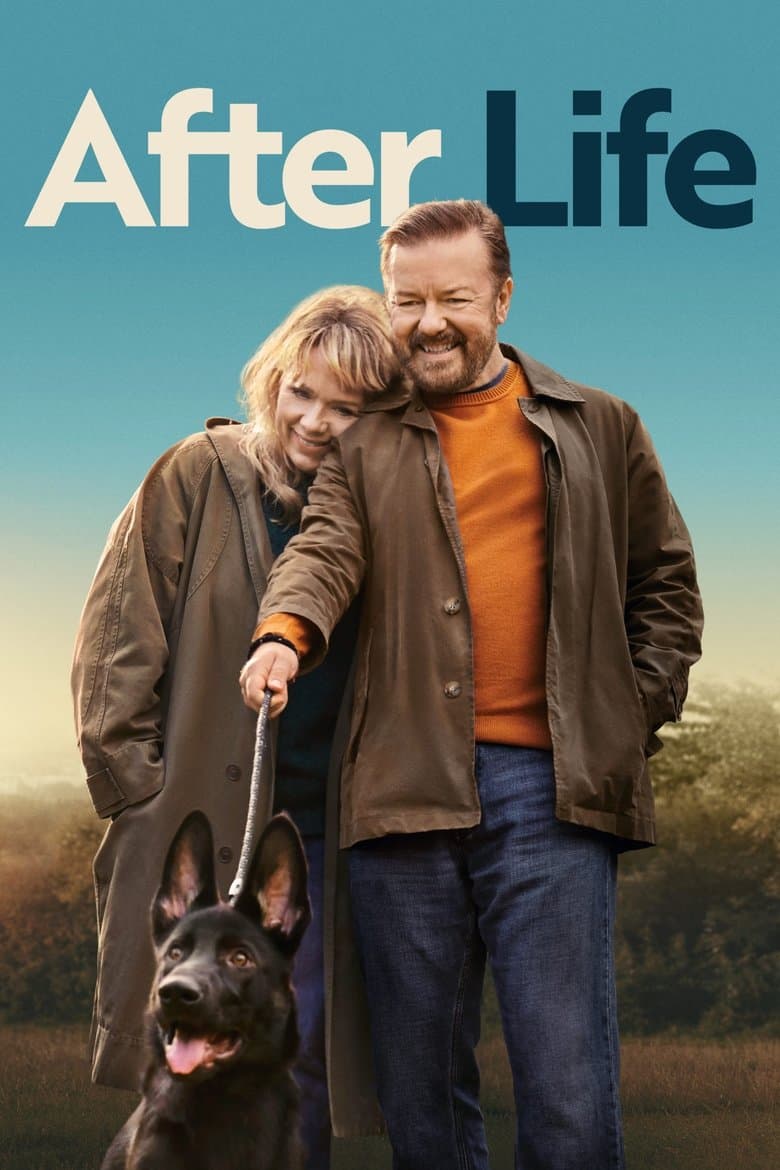
TV Show · 2019
Tony had a perfect life. But after his wife Lisa suddenly dies, Tony changes. After contemplating taking his own life, he decides instead to live long enough to punish the world…

TV Show · 2019
A paragliding mishap drops a South Korean heiress in North Korea -- and into the life of an army officer, who decides he will help her hide.
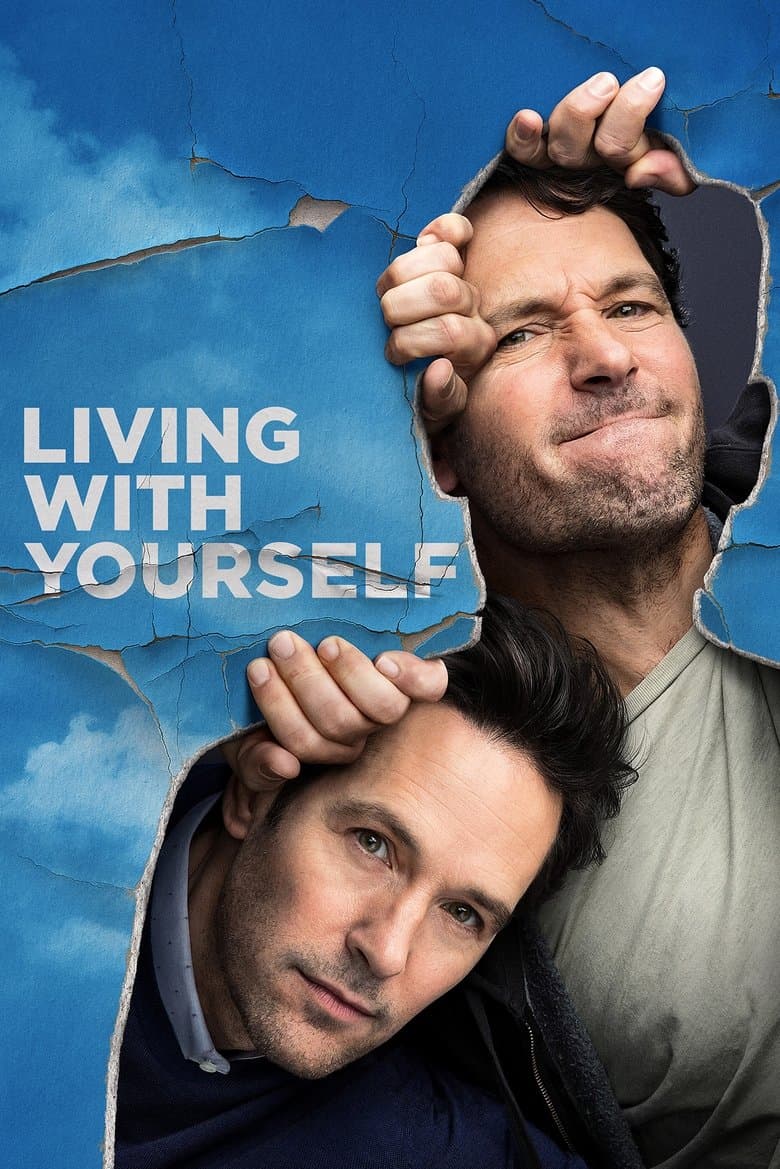
TV Show · 2019
Burned out on life, Miles undergoes a strange procedure at a strip mall spa -- and wakes to find he's been replaced by a better version of himself.

TV Show · 2020
New passions. New fashions. New Emily? A plucky American marketing whiz spreads her wings in life and love after landing her dream job in Paris.
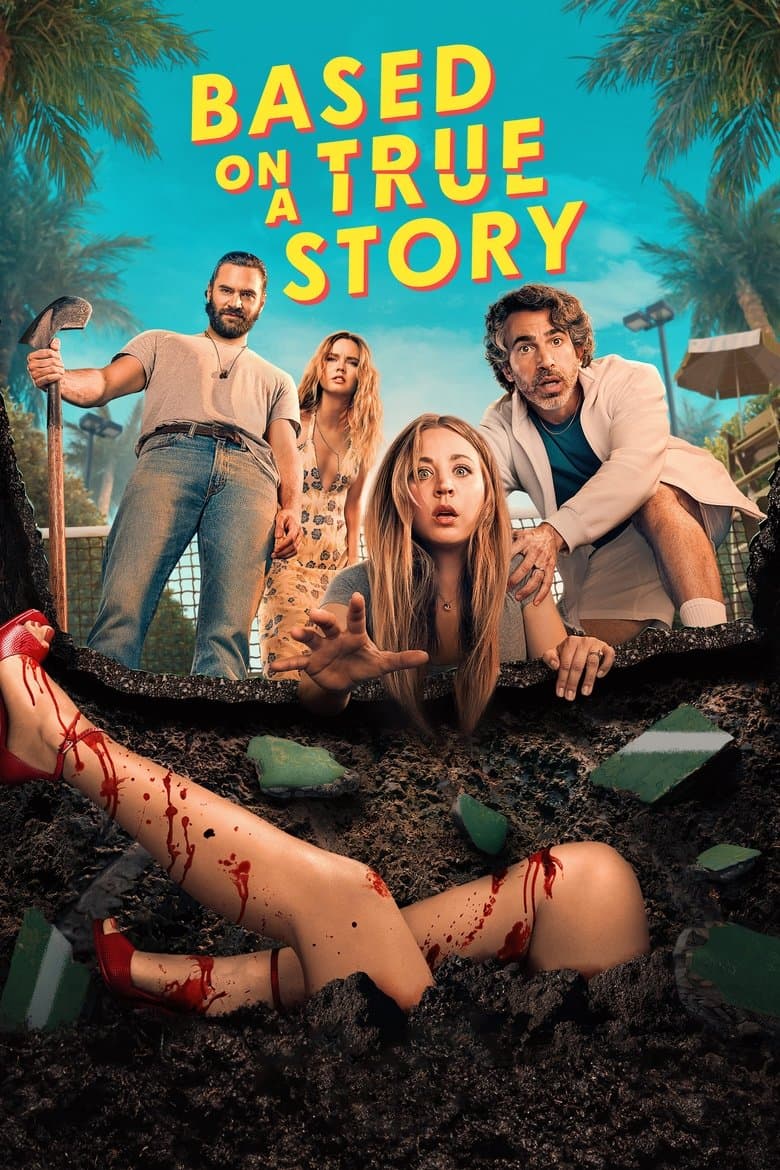
TV Show · 2023
The lives of a realtor, a plumber and a former tennis star unexpectedly collide, exposing America’s obsession with true crime, murder and the slow-close toilet seat.

TV Show · 2022
In disguise as her friend, Ha-ri shows up to a blind date to scare him away. But plans go awry when he turns out to be her CEO — and makes a proposal.

TV Show · 2016
Rebellious Mickey and good-natured Gus navigate the thrills and agonies of modern relationships.
TV Show · 2016
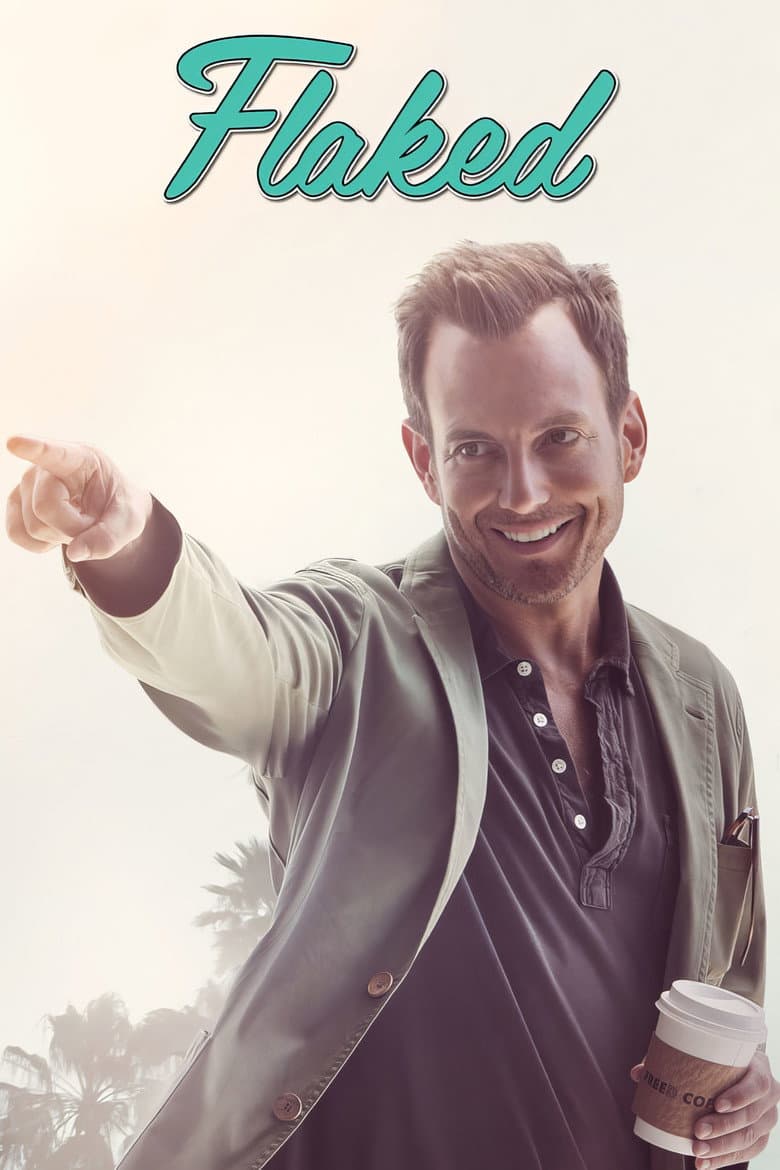
In his funky California beach enclave, Chip's the go-to guy for personal insights. But he isn't quite as enlightened when it comes to his own baggage.
