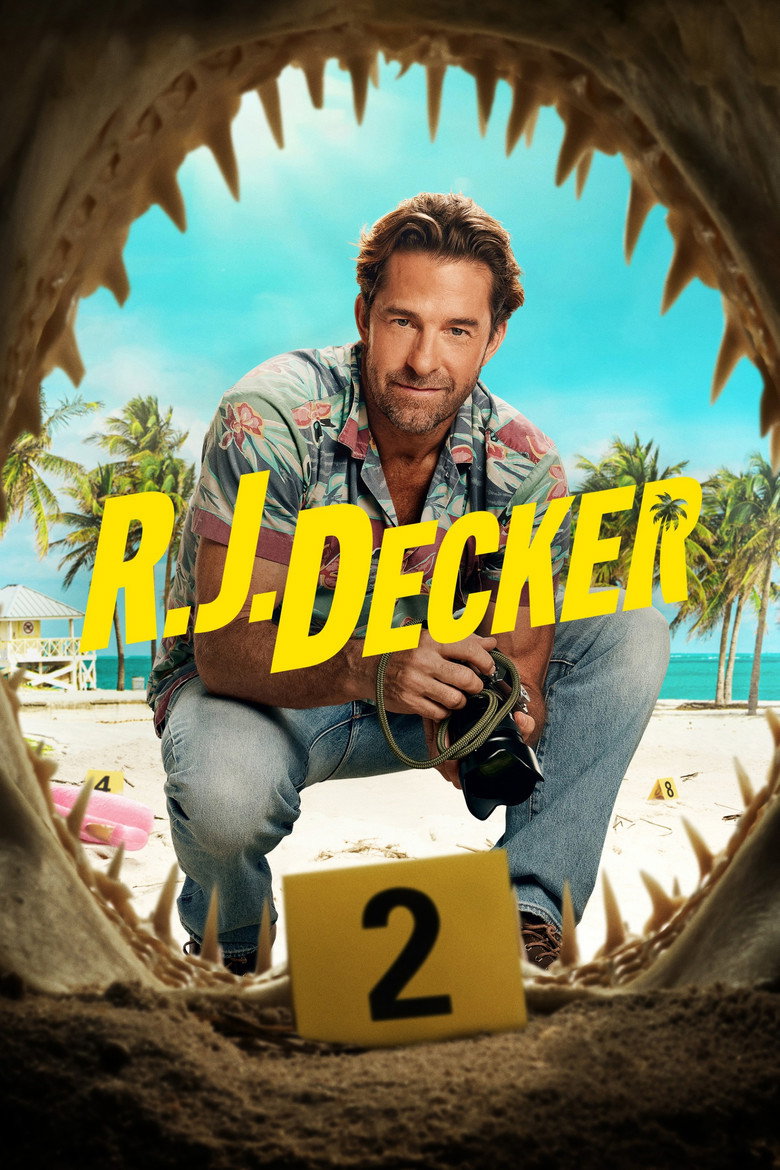
Started March 3, 2026 · Returning Series · Based on 1 season, 9 episodes through April 28, 2026 · TV-14
R.J. Decker follows a former newspaper photographer who leaves prison and becomes a private investigator in South Florida. He takes unusual cases while trying to repair his damaged life. His work connects him to his journalist ex-wife, her police detective wife, his former cellmate, and Emi Ochoa. The show combines crime, romance, family secrets, corrupt political power, wrongful accusations, and dry Florida humor. The show gives major roles to a bisexual woman, her lesbian wife, and several capable women who help R.J. with his cases. The queer marriage appears as a normal part of daily life, while the women act as important partners rather than background characters. The television version adds these relationships and a Latino political family to the book's character group. These changes make identity and representation visible, but the story still focuses mainly on crime, romance, corruption, family secrets, and R.J.'s effort to expose Victor Ochoa.
Community feedback
Was our 58% Woke rating accurate?
Breakdown
These are the editorial factors and ratings behind our score for R.J. Decker.
Woke representation / casting
The show gives prominent roles to a bisexual journalist, her lesbian detective wife, and several women with strong jobs and control over the story. South Florida supports a mixed cast, so the ethnic casting does not clearly look out of place. The main group repeatedly focuses on queer and female characters. The actor playing Mel described the queer family as normal life rather than as a diversity campaign.
34%
Woke political dialogue
Not present. No clear recurring lines about modern identity politics, DEI, or activist ideas were confirmed in the reviewed season. Political conflict centers on a corrupt senator and family crime.
0%
Identity-driven story themes
Catherine and Mel's queer marriage appears throughout the season and affects home life, parenting, money, and R.J.'s cases. The series also builds its support group around strong women who receive equal value beside R.J. The showrunner said the group did not need to consist of men. The identity material returns often, but it remains part of a larger crime story.
47%
Western institutional / cultural critique
The season attacks corruption by a state senator and wealthy business figures. The show also includes family and police conflicts. It does not clearly turn those conflicts into modern attacks on masculinity, Christianity, capitalism, or traditional Western culture. The criticism mainly follows an ordinary crime drama.
8%
Woke character or canon changes
The television version adds Catherine's bisexual identity and her marriage to Mel, a lesbian police detective. It also builds a new Latino political family around Emi. The show changes the supporting group from the source novel. These identity-related changes shape the show's relationships and season story.
55%
Anti-woke backlash and complaints
A right-leaning critic called the show misandrist and objected to the added Latino perjury plot and lesbian couple. The post reached about 71,000 views and 1,700 likes. Several smaller accounts repeated the warning to skip the show. Other complaints had little reach, and no organized boycott or review-bombing campaign was found. The reaction shows recurring but limited backlash.
37%
Creator track record context
Carl Hiaasen has a history of environmental advocacy and political satire. Rob Doherty has made inclusive choices in Elementary, including a gender-swapped Watson and a diverse ensemble. Neither creator has a strong record of making activist identity politics the main purpose of every project.
35%
Production
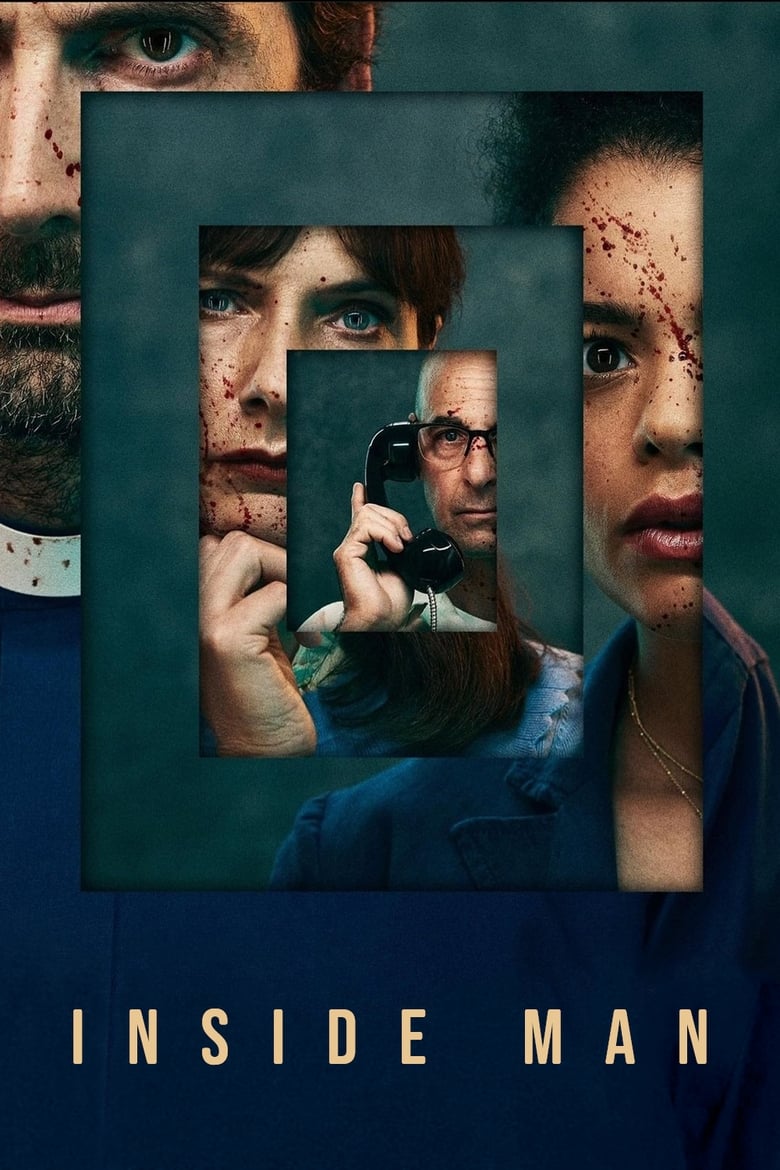
TV Show · 2022
A prisoner on death row in the US, a vicar in a quiet English town, and a maths teacher trapped in a cellar cross paths in the most unexpected way.
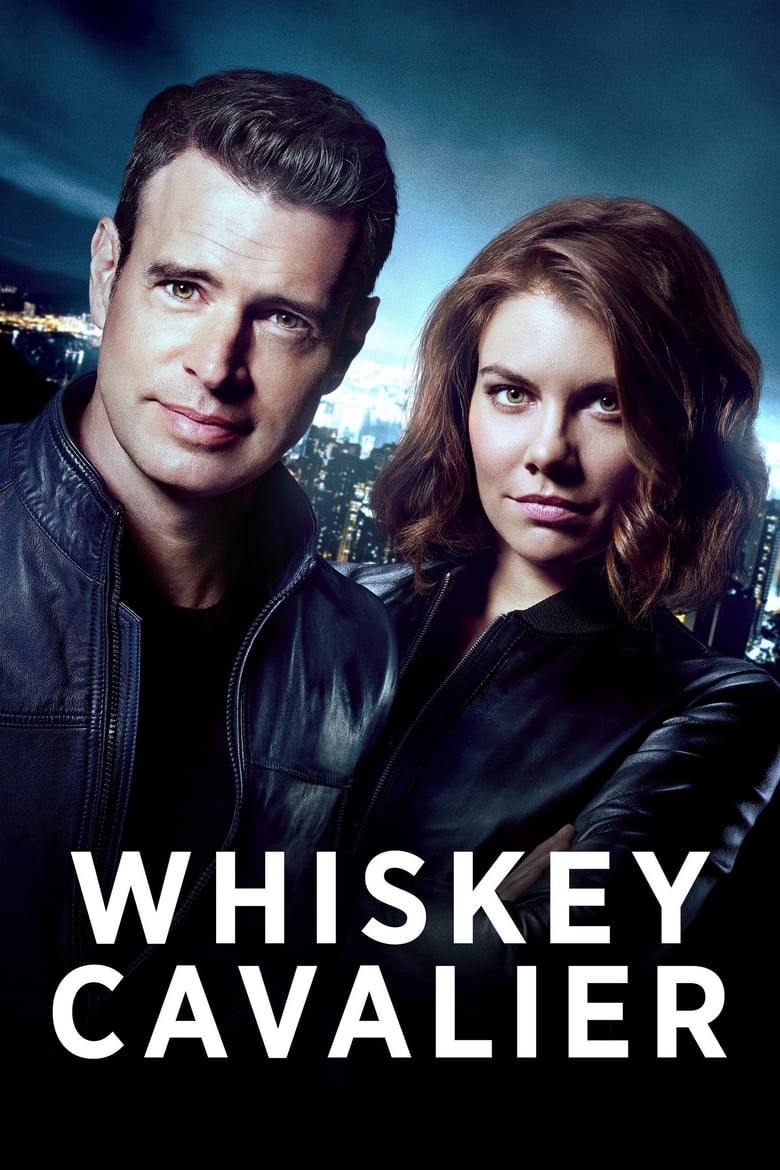
TV Show · 2019
Following an emotional breakup, tough but tender FBI super-agent Will Chase (codename: “Whiskey Cavalier”) is assigned to work with badass CIA operative Frankie Trowbridge…

TV Show · 2026
The dynamic between the two contrasting personalities, a seasoned cop who prefers old-school methods and a tech-savvy cop who relies on modern technology for investigations, as…
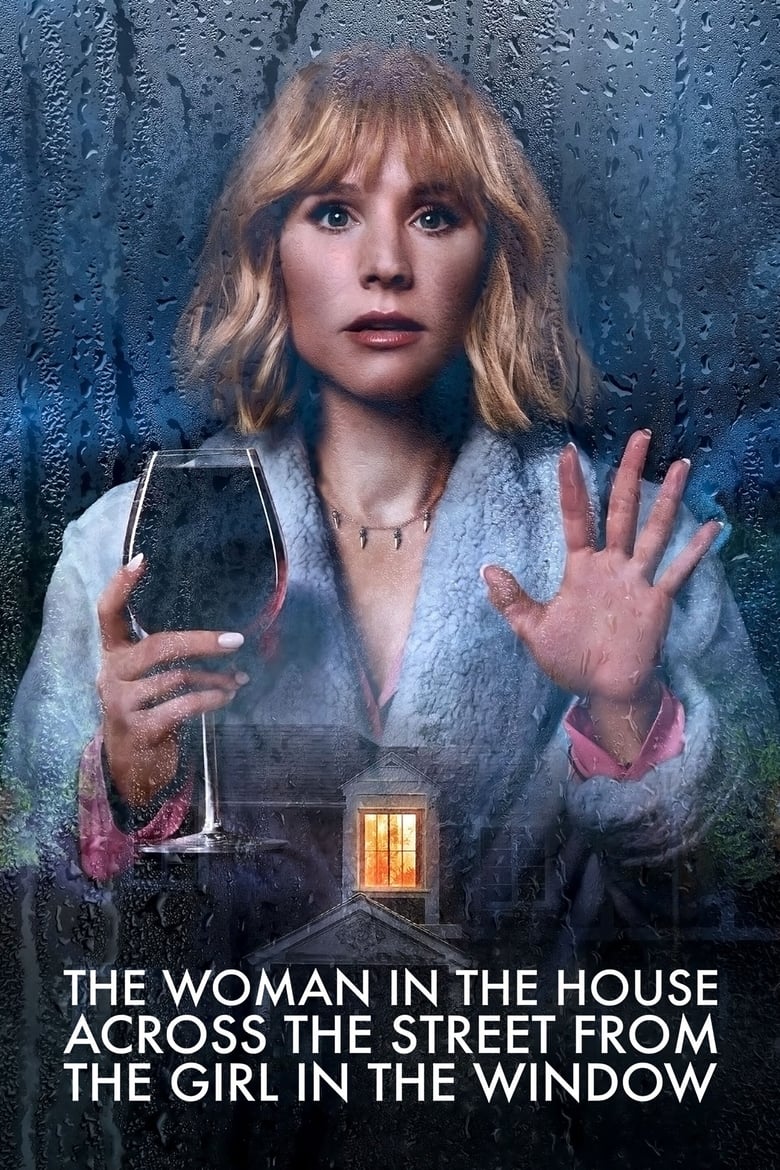
TV Show · 2022
For Anna, every day is the same. She sits with her wine, staring out the window, watching life go by without her.

TV Show · 2021
Facing an existential threat that could bring down the Crime Lab, a brilliant team of forensic investigators must welcome back old friends and deploy new techniques to preserve…

TV Show · 2019
To win back his ex-girlfriend, a nerdy teen starts selling ecstasy online out of his bedroom -- and becomes one of Europe's biggest dealers.

TV Show · 2020
A 6-year old girl is kidnapped by a mysterious masked man, who demands an unusual ransom. To save his daughter, Dr. Avinash Sabharwal must kill someone!

TV Show · 2021
Three strangers share an obsession with true crime and suddenly find themselves wrapped up in one.
