Started July 31, 2025 · Returning Series · Based on 2 seasons, 26 episodes through August 27, 2026 · TV-14
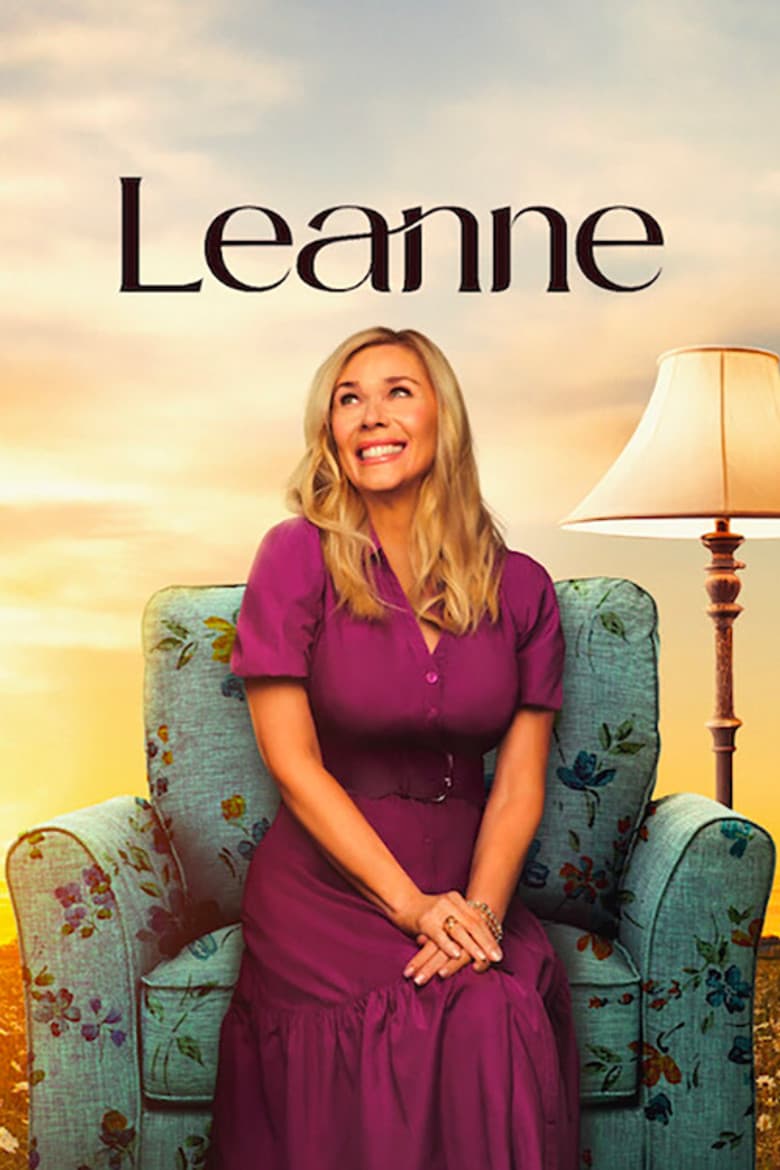
Leanne is a warm, classic sitcom set around a close family in Knoxville, Tennessee. Leanne Murphy is a grandmother near sixty whose husband, Bill, leaves her after 33 years for another woman. Her sister Carol, adult children, parents, church friends, and a new boyfriend help her rebuild her life. Season 1 follows divorce, dating, menopause, and family secrets. Season 2 adds aging parents, caregiving, house repairs, and the strain of living together. The clearest message is that a woman can find purpose and happiness without depending on a man. One book-club episode turns this idea into a speech about strong, smart women and female empowerment, and Leanne’s words spread online inside the story. Other episodes show Josie rejecting marriage and children and choosing a different life, while Leanne keeps learning to speak for herself. The show balances these ideas with respect for marriage, parents, church, forgiveness, and family, so the identity-driven material is visible but not the whole series.
Community feedback
Was our 39% Woke rating accurate?
Breakdown
These are the editorial factors and ratings behind our score for Leanne.
Woke representation / casting
The show puts a middle-aged Southern woman at the center and presents that age group as rarely seen on television. Leanne Morgan’s casting fits the character because the role was built around her own comedy and Southern life. The main family is mostly white, Christian, and Southern, while people of color appear in minor roles, so the cast does not look like a broad diversity-first design.
15%
Woke political dialogue
Episode 12 contains the clearest woke political dialogue. Leanne calls the idea that a woman needs a man to feel whole “hooey” and says women can find happiness without a man. She calls the women in her book club “empowered” and “real queens,” and the speech spreads online in the story. Later episodes use smaller lines about choosing one’s own path, but family and marriage remain positive parts of the show.
40%
Identity-driven story themes
The show repeatedly follows women rebuilding their lives after divorce, aging, menopause, and changing family roles. Leanne learns that her worth is not tied only to being a wife, while Carol and other women help her move forward. Josie rejects marriage and children and wants to leave Knoxville for a different life. These themes are clear across both seasons, but the show presents them through family comedy rather than a wider political campaign.
38%
Western institutional / cultural critique
Episode 12 pushes back on Daddy John’s old-school idea that he is in charge of Mama Margaret. Leanne’s book-club speech also says women do not need a man to feel whole. Josie rejects the local marriage-and-children path and wants to leave Knoxville. The show still treats church, marriage, parents, and family as valuable, so the critique stays limited.
28%
Woke character or canon changes
Not relevant. The series is an original sitcom built around Leanne Morgan’s comedy. It does not change an established character, franchise, or real historical figure.
0%
Anti-woke backlash and complaints
Not present. No sustained anti-woke complaint or boycott was found. The X pass found no anti-woke complaints, while a few small right-leaning accounts praised the show as clean and not woke.
0%
Creator track record context
Chuck Lorre brings a mild liberal signal because he has criticized conservative politicians. Leanne Morgan’s public comedy avoids politics and centers on family, faith, and everyday life. Susan McMartin and most of the other directors and writers have no strong activist record. Writer John “Jack” O’Brien has a queer-comedy public persona, but the show does not center that material.
20%
Production
TV Show · 2020
All Nikki and Jason want is a baby—the one thing they can't have. So they decide to adopt. With their dysfunctional friends, screwball families, and chaotic lives, will the…
TV Show · 2018
Offbeat comic James Acaster covers the strange, the mundane and everything in between in this collection of four wide-ranging stand-up specials.
TV Show · 2024
Comedian Kapil Sharma hosts this laugh-out-loud variety talk show with celebrity guests, hilarious antics and his signature supporting cast.

TV Show · 2016
Jeremy Clarkson, Richard Hammond and James May are back with a show about adventure, excitement and friendship...
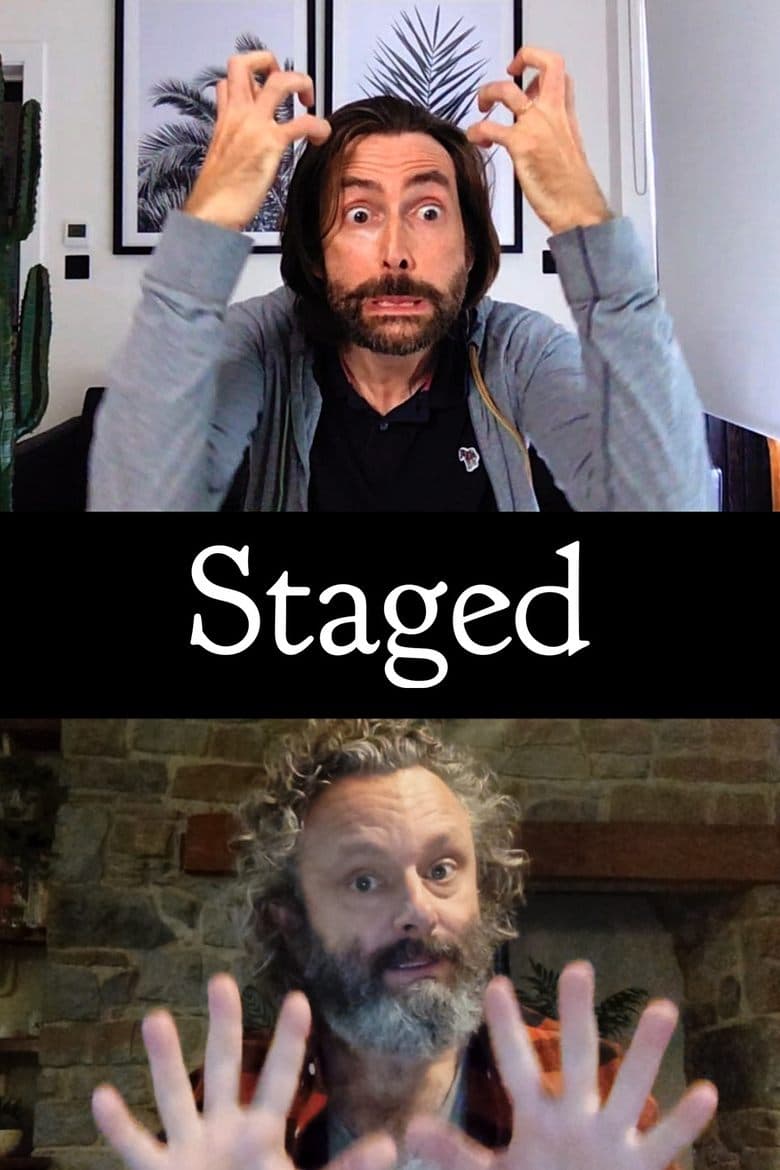
TV Show · 2020
David Tennant and Michael Sheen (playing themselves) were due to star in a production of 'Six Characters in Search of an Author' in the West End.
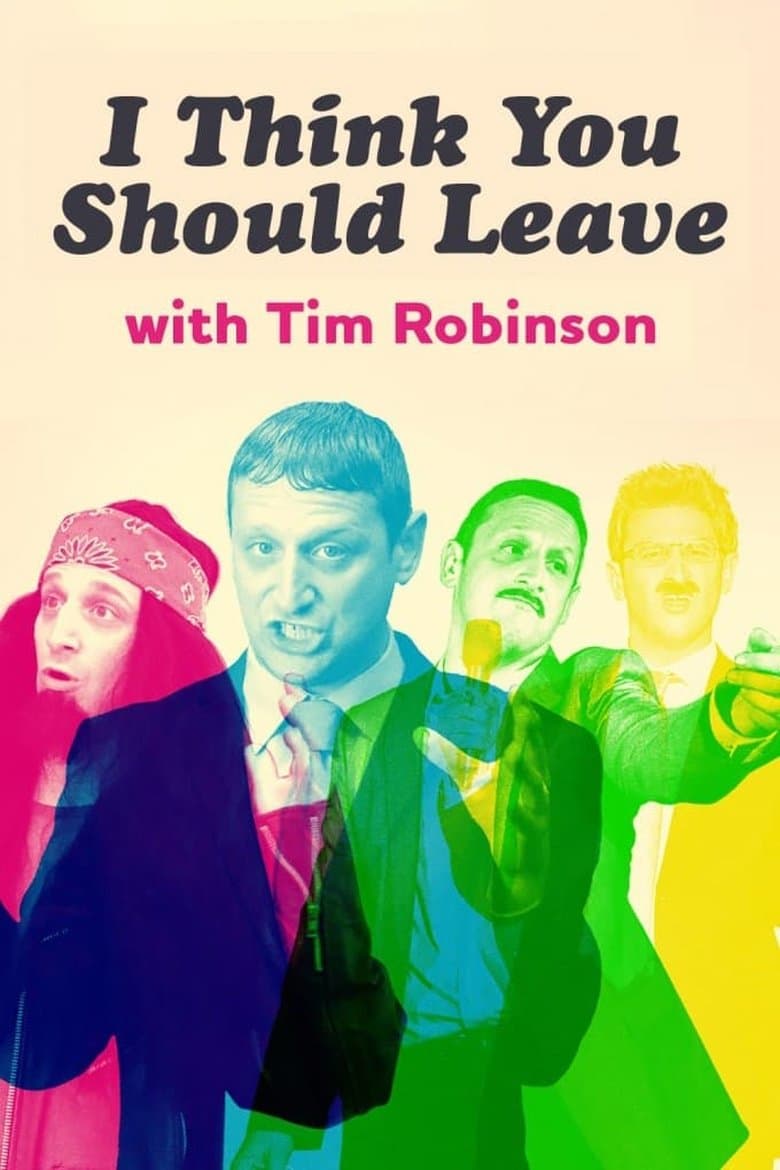
TV Show · 2019
There is no such thing as an ordinary interaction in this offbeat sketch comedy series that features a deep roster of guest stars.
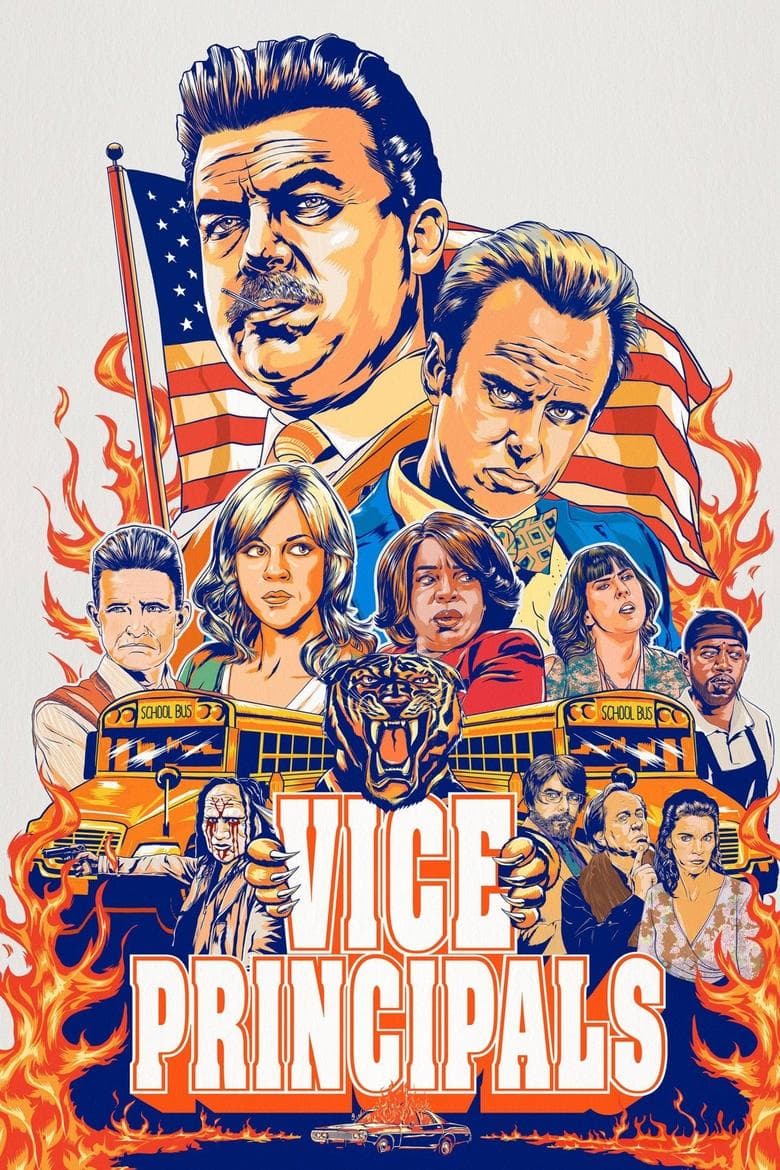
TV Show · 2016
After North Jackson High's long-time principal steps down to tend to his ailing wife, Neal Gamby and Lee Russell, the school's vice principals, are forced to put their mutual…
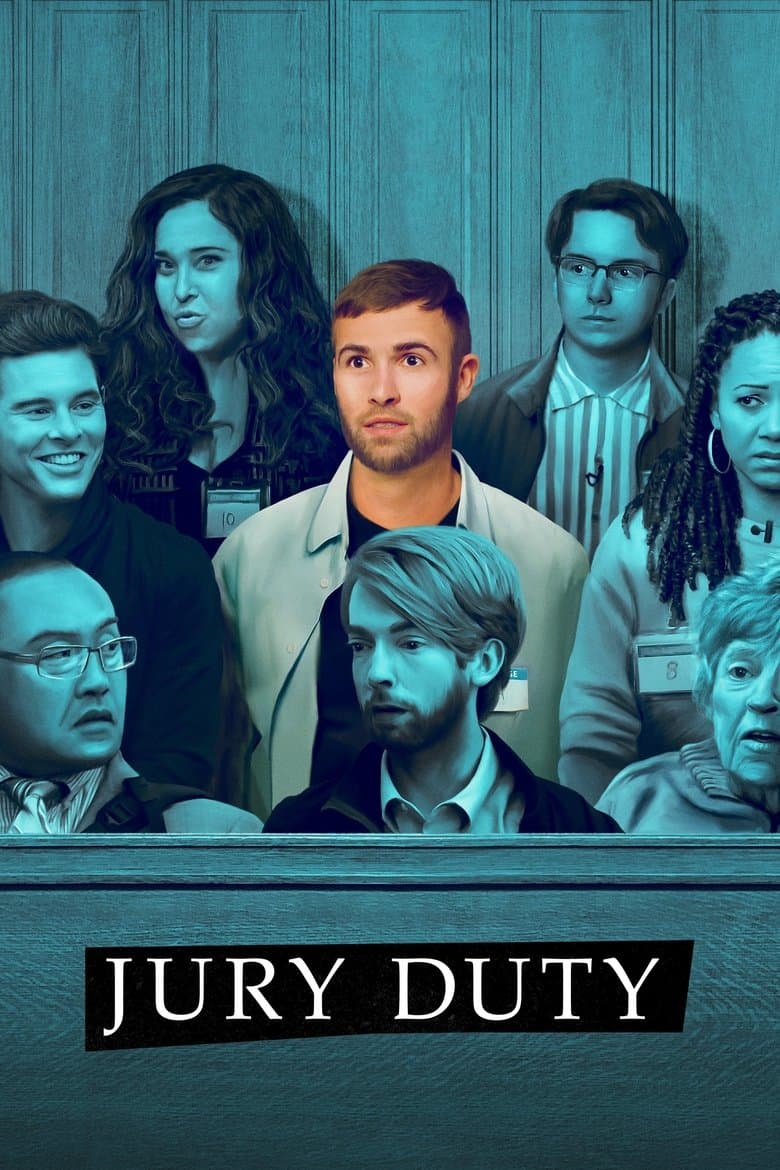
TV Show · 2023
The inner workings of an American jury trial through the eyes of one particular juror, Ronald Gladden. Gladden is unaware the entire case is fake, everyone except him is an actor…
